
Amsterdam-Noord
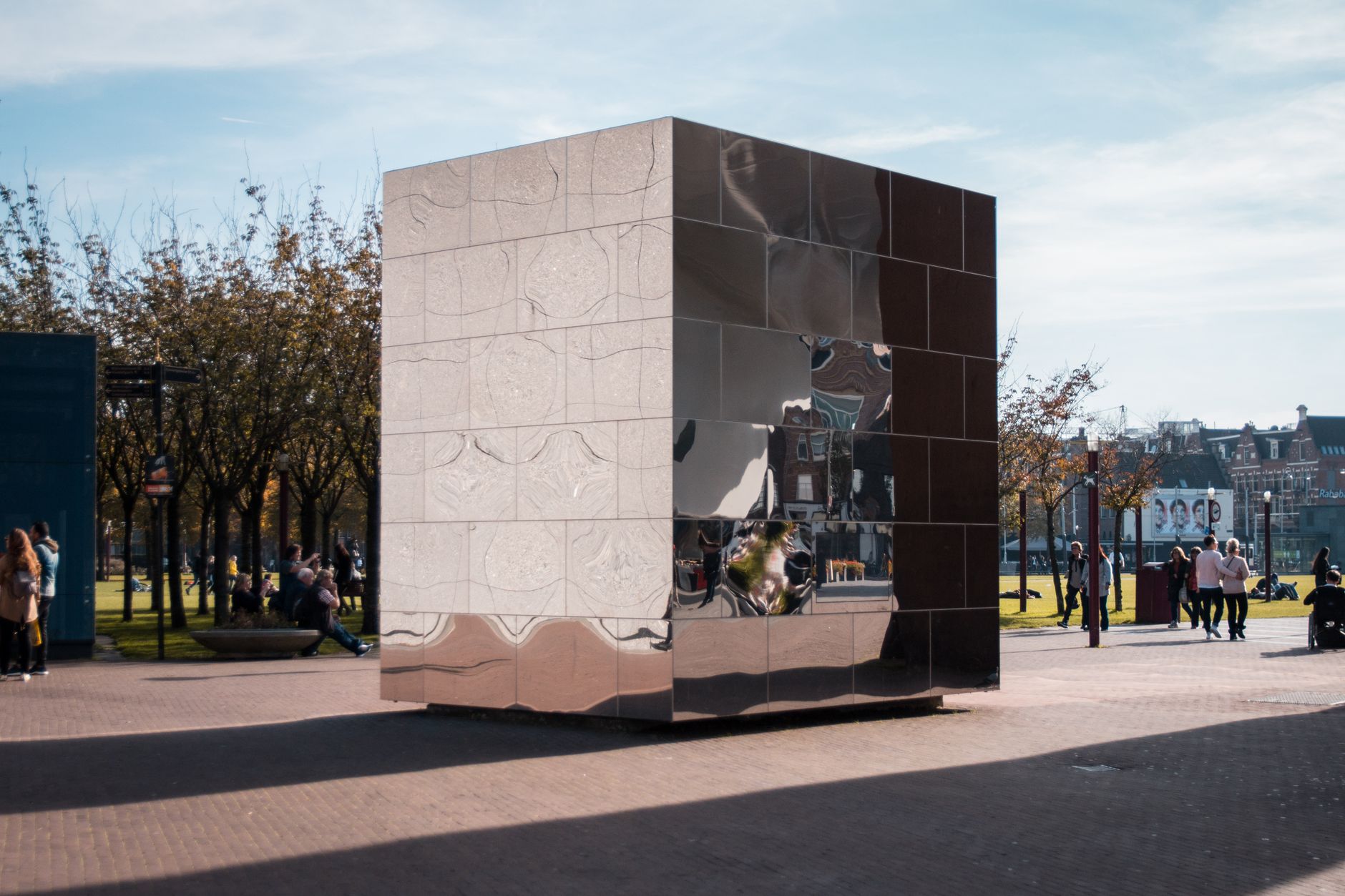
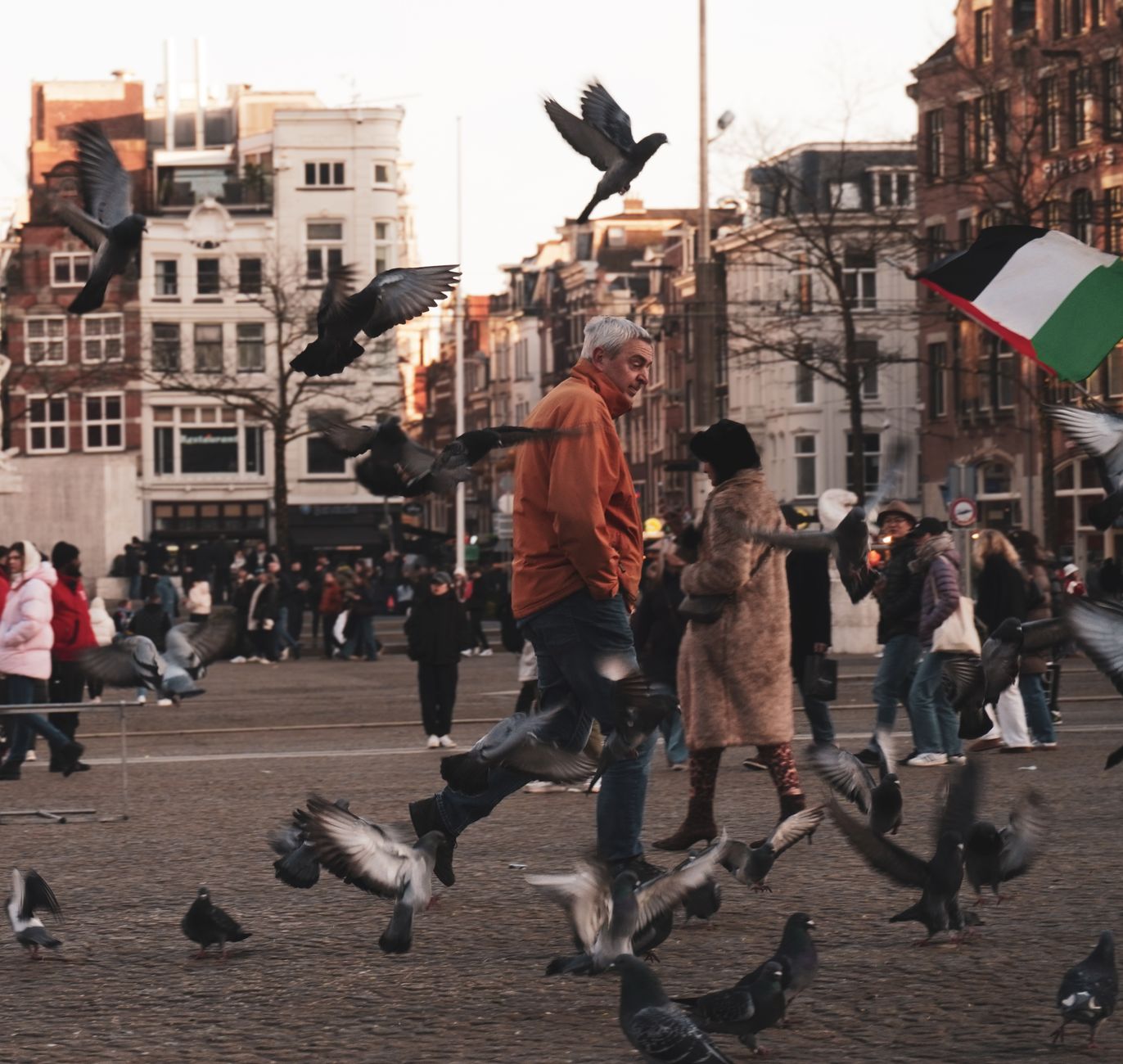
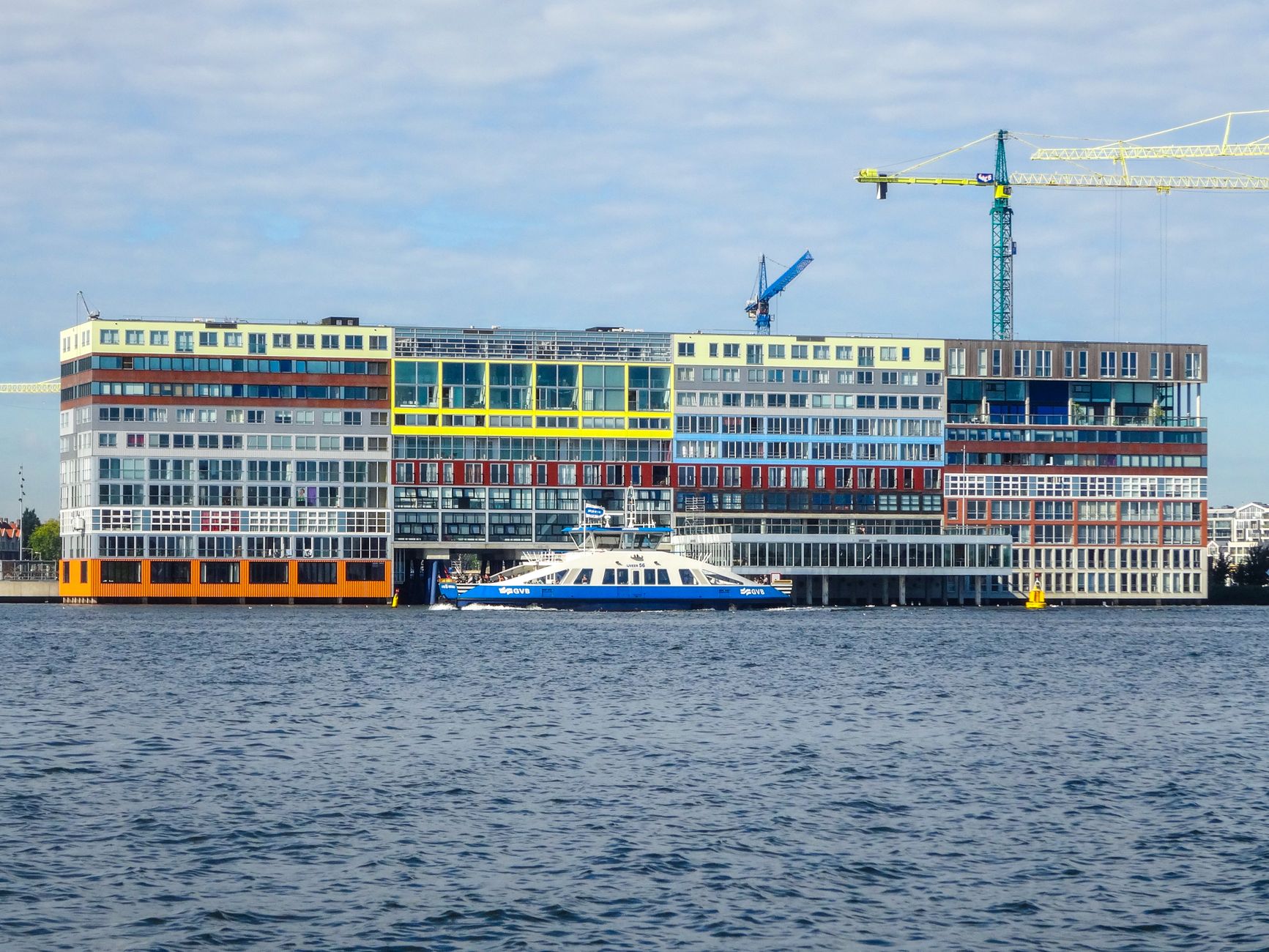
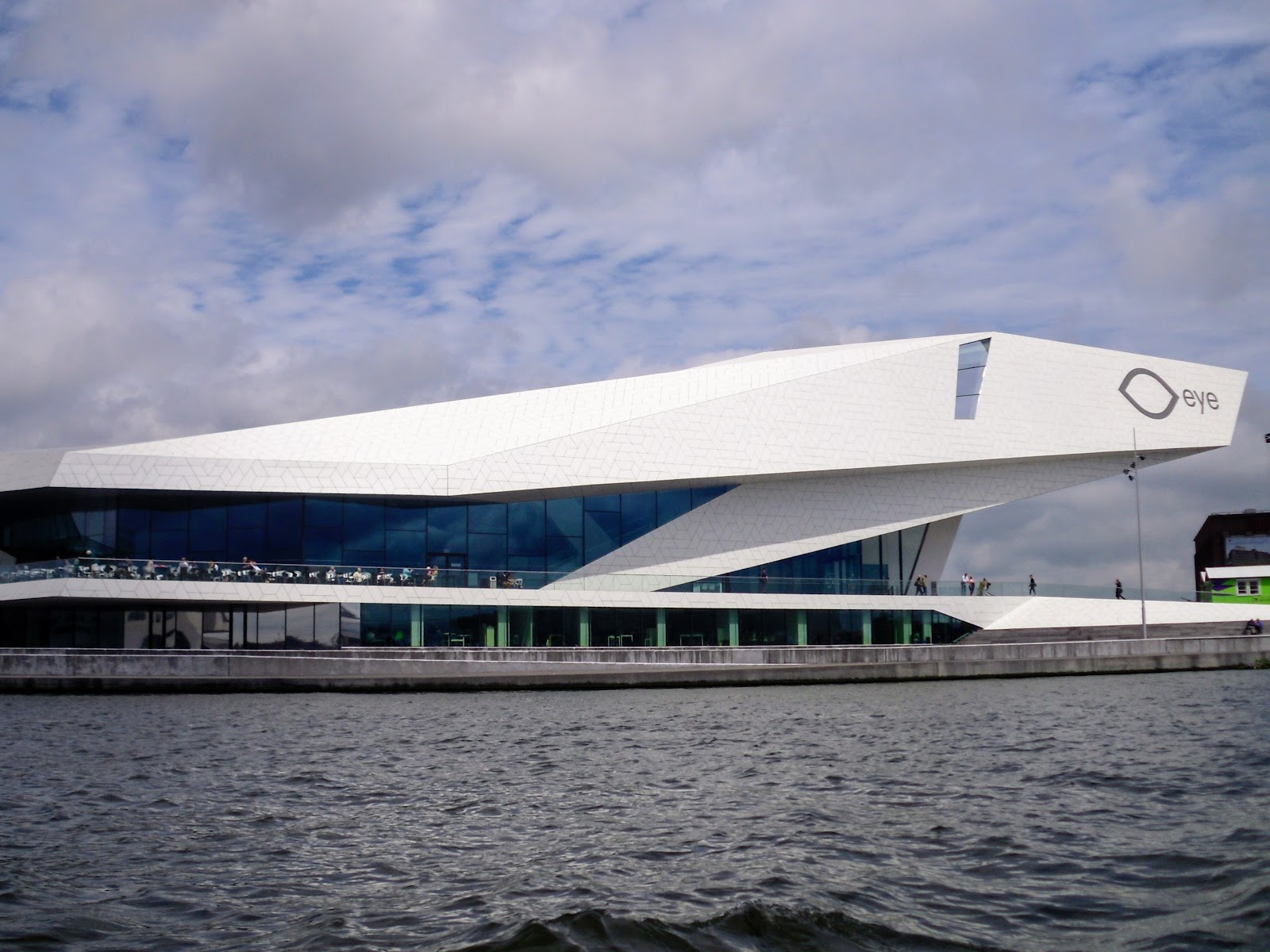
Cross the IJ on the free ferry from Central Station and Amsterdam-Noord opens up differently from the city you just left — wider, quieter, with more sky. The EYE Film Institute lands first, its white angular form catching whatever light the afternoon offers, designed by Delugan-Meissl to look like something that arrived rather than was built. Behind it, the A'DAM Tower's 22 storeys carry Amsterdam's triple-X flag up into the clouds.
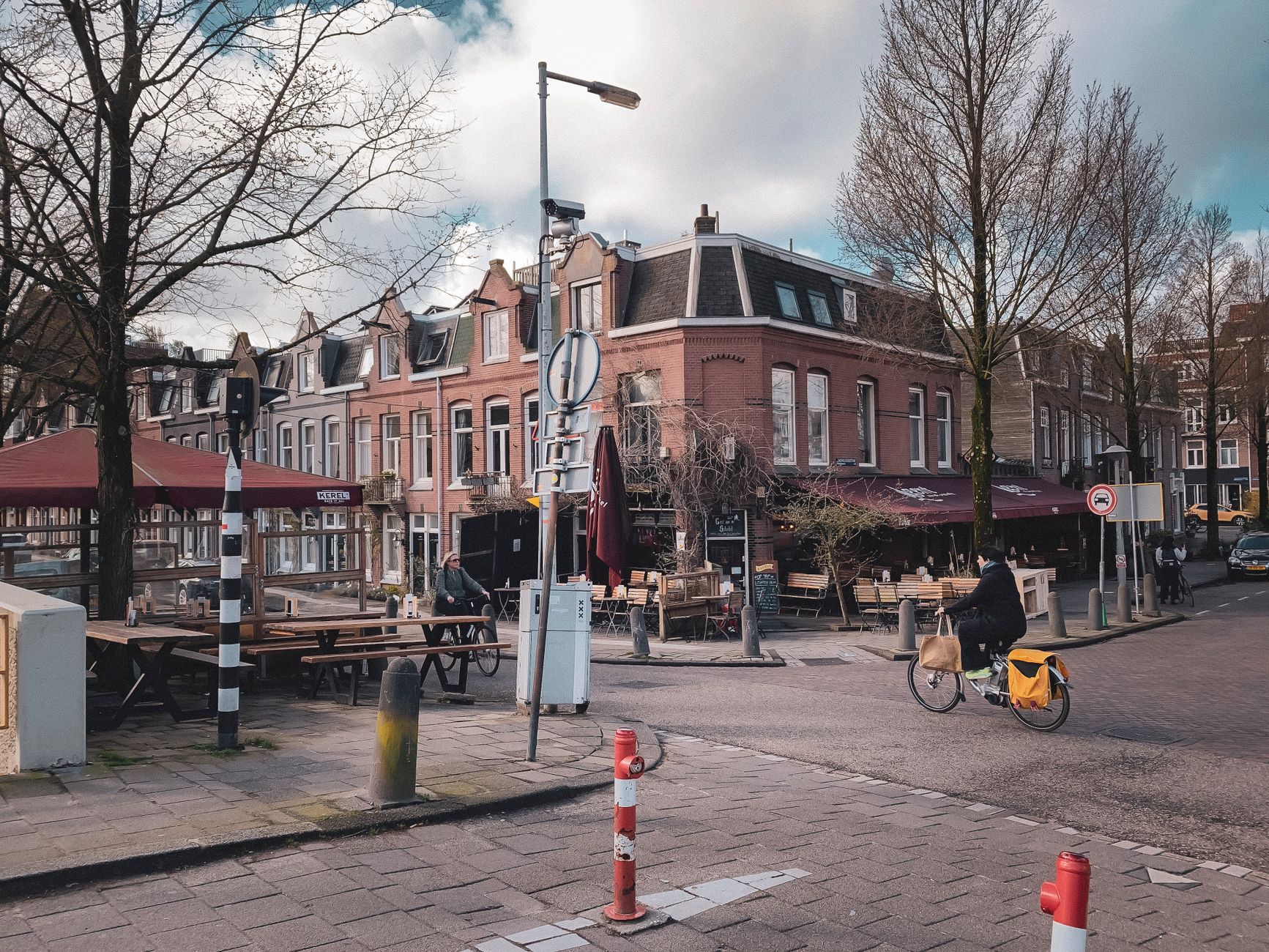
North of the water, the neighbourhood shifts between post-industrial scale and intimate Dutch domesticity. Former shipyard warehouses at NDSM host studios and street art; a few kilometres east, Durgerdam's fishermen's cottages still line a 17th-century sea dike facing the IJmeer. The range is the point.
💛 What travellers fall for
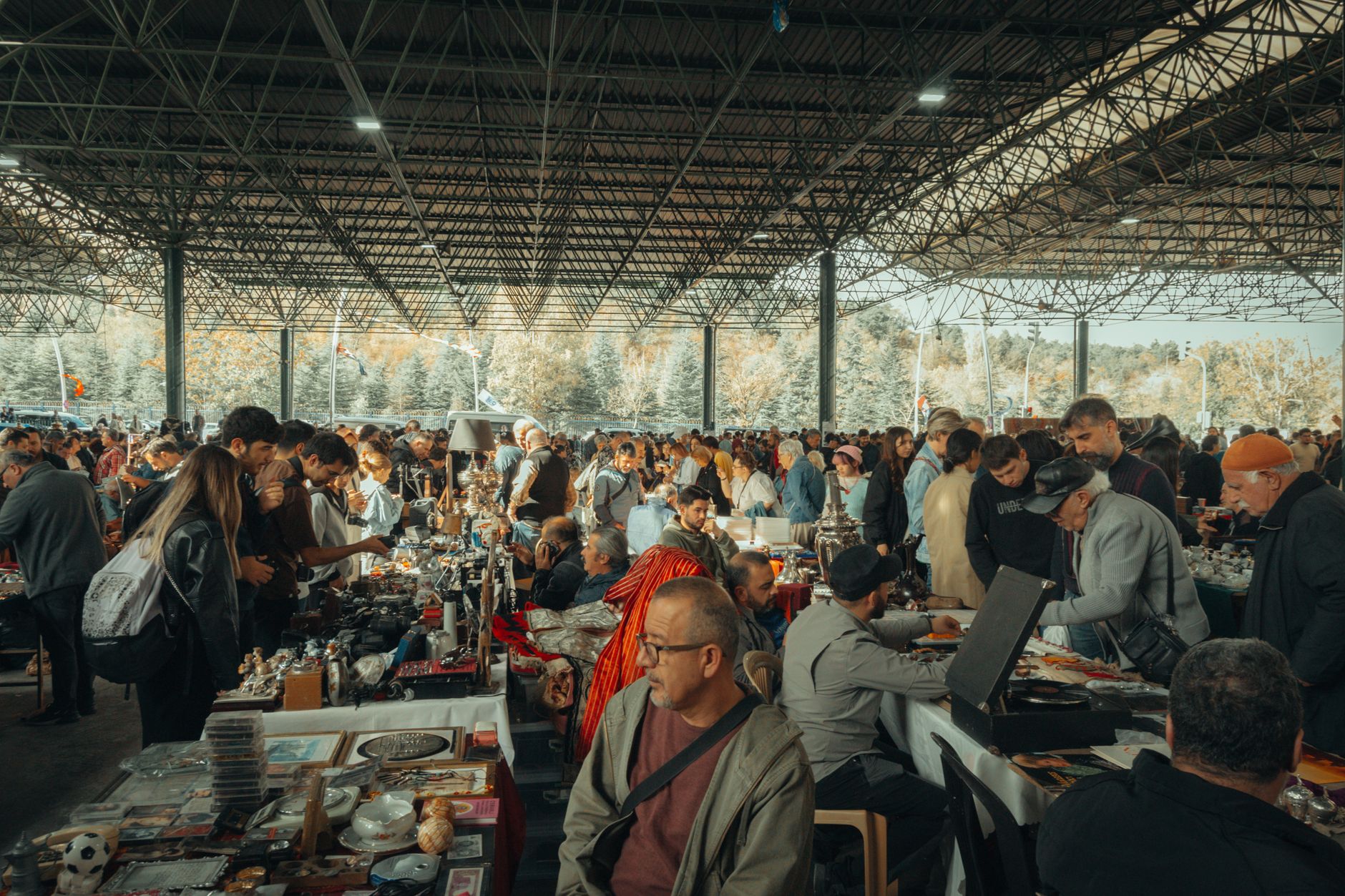
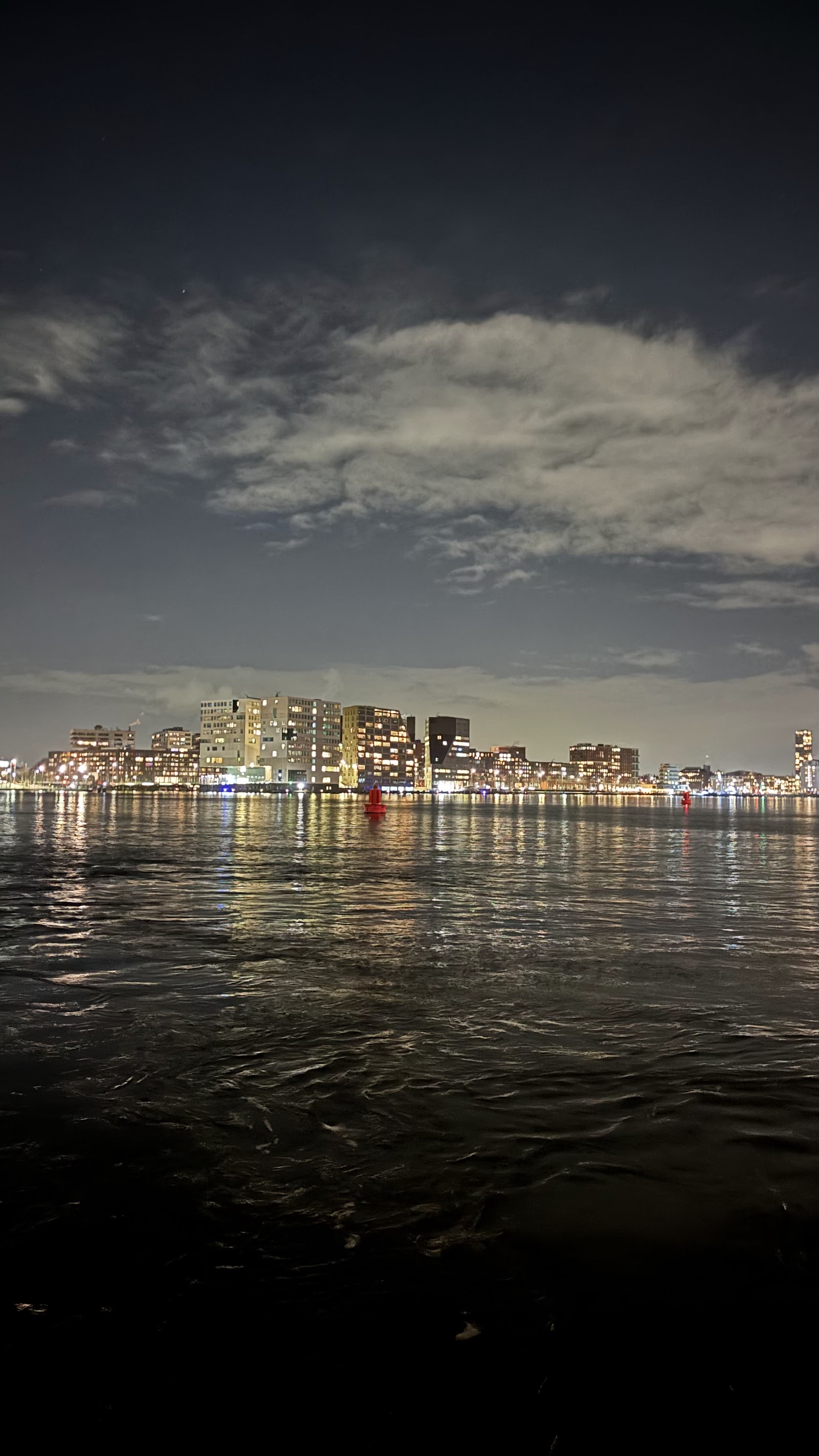
People who come back tend to time a visit around IJ Hallen, the vast flea market that fills the NDSM warehouses — Europe's largest, by floor space. They also learn quickly that the Buiksloterweg ferry runs through the night, which changes how you think about an evening on this side of the water.
Experiences you don't want to miss



Deals in Amsterdam-Noord
Book directly at the provider

How Amsterdam-Noord came to be
The land north of the IJ was granted to Amsterdam in 1393, and for four centuries its primary function was grim: until 1795, the Volewijck peninsula served as a gallows field where the bodies of executed convicts were left on public display. Industry arrived with the North Sea Canal in 1876. By the early 1900s, a sulfuric acid plant, the Kromhout shipbuilding factory, a cable manufacturer called Drakafabriek, and Anthony Fokker's aircraft works had all relocated here, drawing workers who needed housing — the Vogelbuurt followed.
The Fokker factories made Noord a target during the Second World War. Three Allied bombing raids in July 1943 aimed at the factory and killed around 200 civilians in the surrounding streets. Decades later, the district became a democratic experiment: in December 1981, Amsterdam-Noord was one of the first two city districts to elect its own council. The EYE Film Institute's move here in 2012 signalled something else — a neighbourhood remaking itself around culture rather than industry.
Who and what shaped it
People who shaped it
Landmark buildings
See Amsterdam-Noord in motion
Plan your visit
On the map
When to go
Amsterdam-Noord sits just below sea level under a marine west-coast climate: mild summers topping out around 18°C, cool damp winters around 3–4°C, and rain distributed fairly evenly across the year. Spring is the driest season; autumn the wettest. Mid-May through mid-September is when the weather is most reliably on your side, though a jacket is seldom a bad idea.
Right now
↡ Attractions


Background & history adapted from Wikipedia (CC BY-SA) · specs from Wikidata (CC0) · weather from Open-Meteo · map data © OpenStreetMap contributors · photos from Wikimedia Commons / Unsplash with per-image credit. No third-party reviews or social posts reproduced.