
Buiksloterweg Ferry Terminal
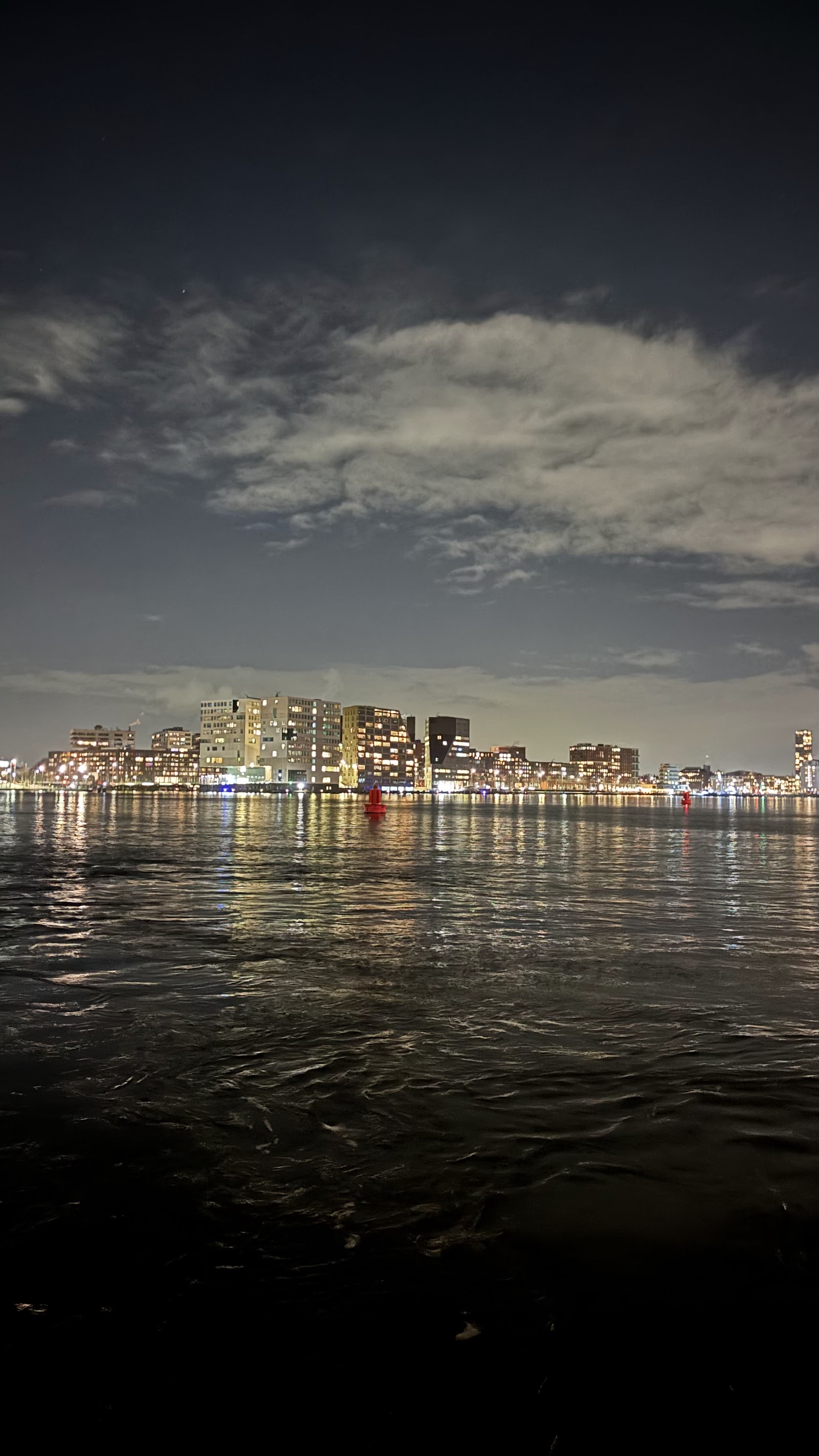
The crossing takes five minutes, costs nothing, and runs through the night. You board at Buiksloterweg on the north bank of the IJ and within moments Amsterdam Central's silhouette is receding behind you — or arriving ahead, depending on which way you're headed. This is line F3, the shortest and busiest of the GVB ferry routes, carrying cyclists, commuters and the occasional tourist across a stretch of water wide enough that no bridge has ever been built here.
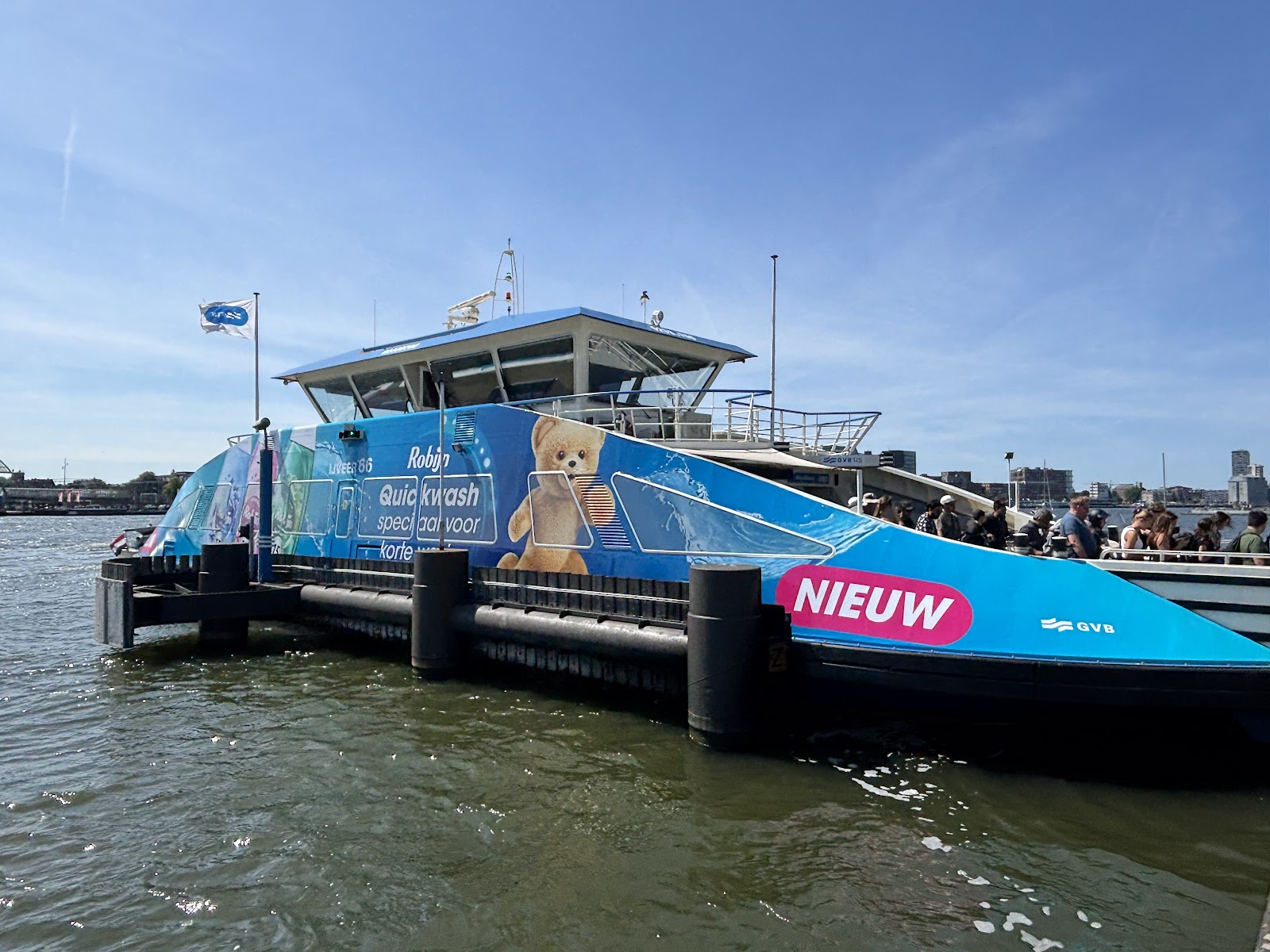
The ferries themselves are worth a look. The newest vessels in the fleet run on hybrid electric power, and a fully electric ferry is expected to join the service in 2026. Above each docking spot, a countdown clock tells you exactly how long you have.
💛 What travellers fall for
Regulars tend to position themselves at the bow for the crossing and time their arrival to the countdown clock rather than rushing. In the evening, after 21:00, the frequency drops to every twelve minutes — worth knowing if you're heading back from the north bank after dark. The wide ramps make boarding with a loaded cargo bike straightforward.
The story behind Buiksloterweg Ferry Terminal
The Buiksloterweg service — sometimes called the Tolhuis ferry — has long been the main pedestrian and cyclist link between Amsterdam's centre and the Noord district, crossing a section of the IJ that has no fixed bridge. The route gained a third vessel during rush hours on 7 July 2014, cutting peak-time waits to every four minutes. That trial ran until November 2014, but the third ferry returned permanently from 30 March 2015 after the volume of cyclists on the route made the case clearly enough.
Today the GVB operates a fleet of 21 ferries across the IJ network, logging more than 20 million passenger journeys a year. The IJveer 60–66 series, delivered between 2016 and 2021, brought hybrid electric propulsion to the crossing.
Good to know
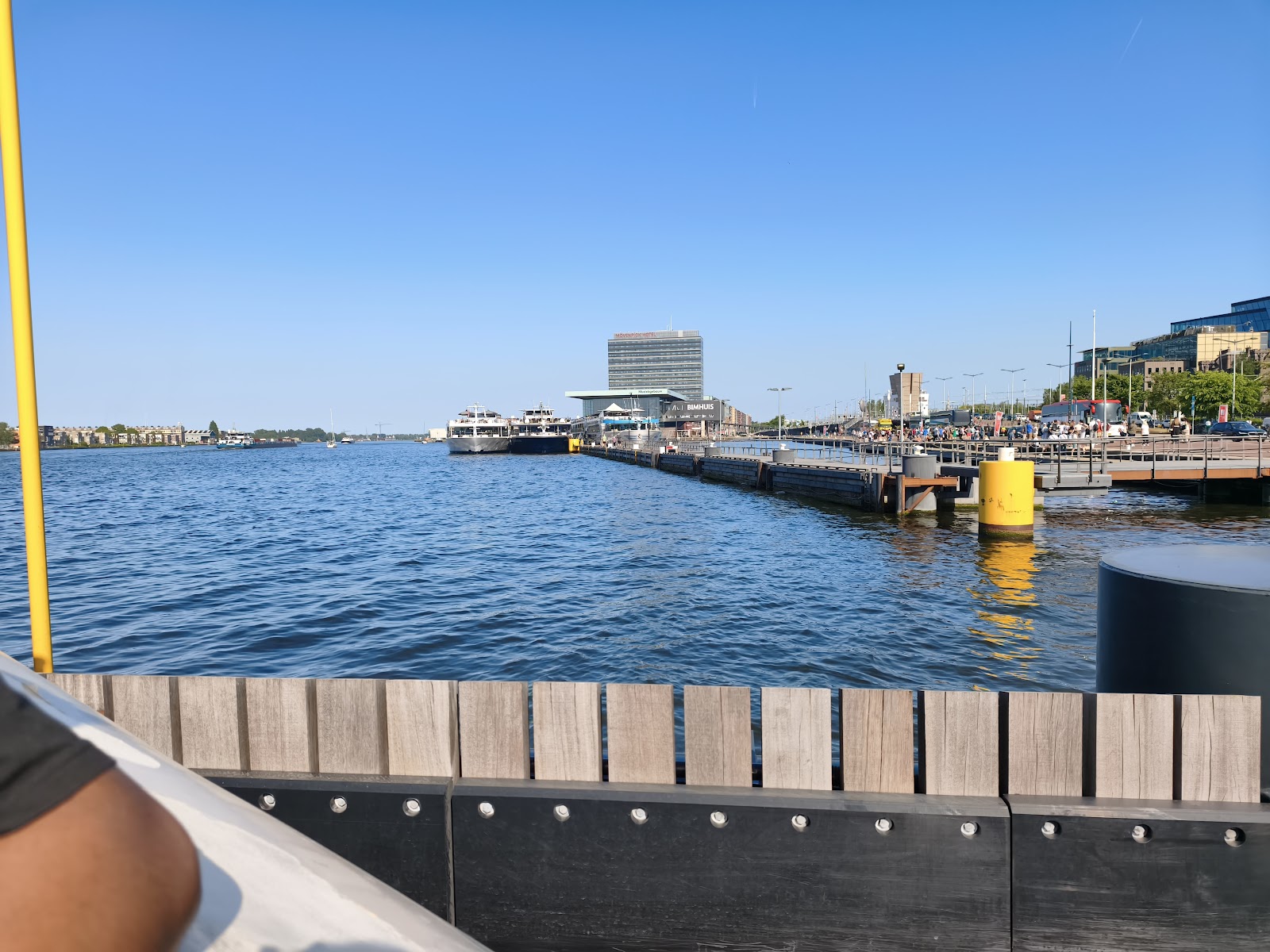
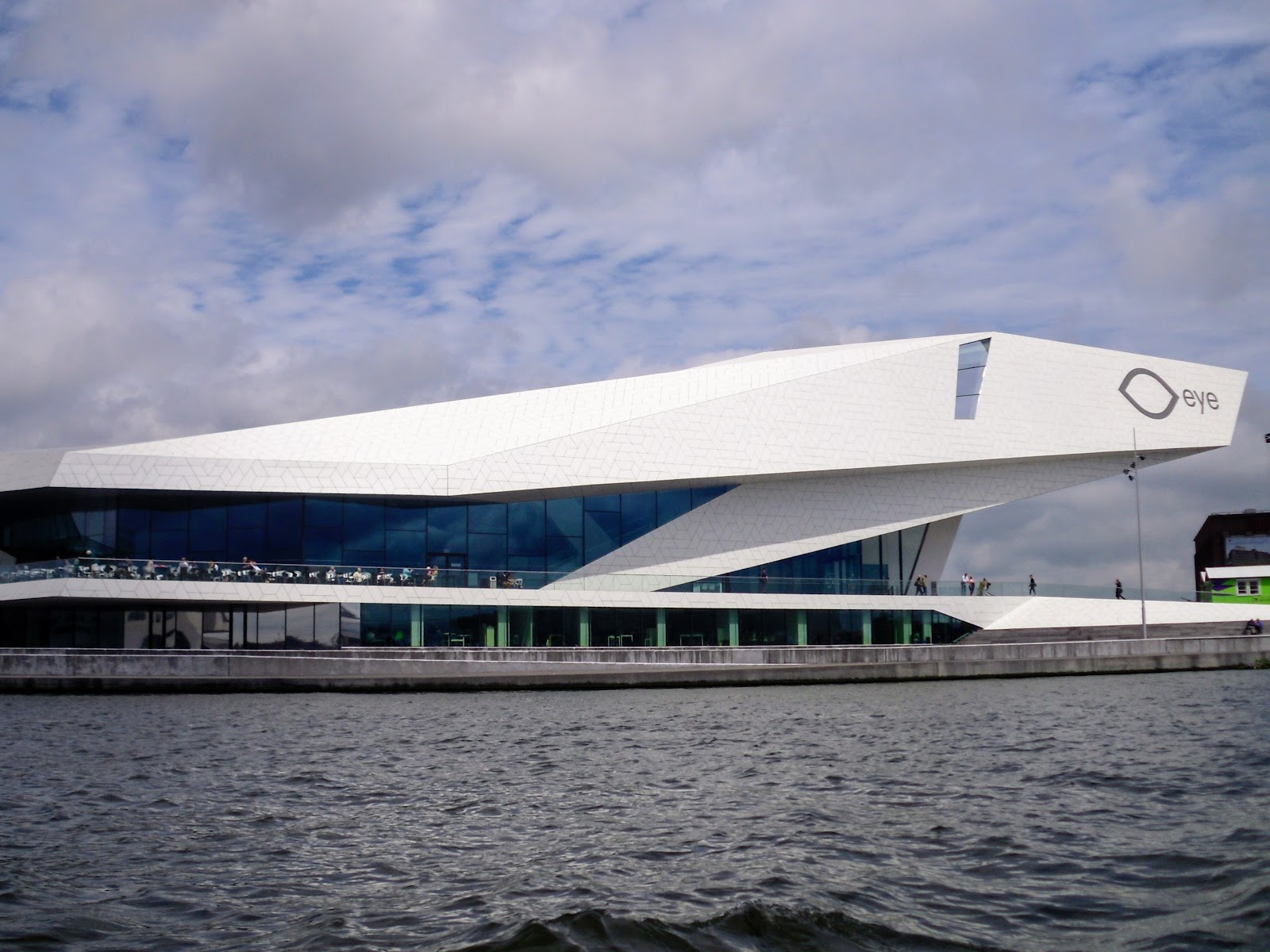
Take any GVB ferry from the De Ruijterkade side of Amsterdam Central — no ticket, no app, just walk on. Daytime departures run every six minutes; after 21:00, every twelve. The crossing itself is five minutes. EYE Film Museum and A'DAM Lookout are a short walk from the north terminal.
Summer crossings — June through August — are mild and often bright, with highs around 20–22°C, though a short shower can arrive without much warning. Winter is grey and cold, with temperatures near freezing on the water; the crossing is short enough that it rarely matters, but the light between November and February is flat and sparse.
Where is Buiksloterweg Ferry Terminal?
More tickets & tours for Buiksloterweg Ferry Terminal
Book directly at the provider
What travellers say about Buiksloterweg Ferry Terminal
The modern side of Amsterdam is surprising… more calm, more organized and very different from the city center.
Had to take the ferry on my rented bike to get to my hotel in the north. Super easy! Hop on and hop off for free. It's very regular and it's quick to get you to the other side. People and bikes go side by side. Very efficient!
The Buiksloterweg ferry is a free and every 15-20mins and easy way to cross the IJ(eye) River in Amsterdam. It runs 24/7 and connects Amsterdam Central Station to the trendy North side of the city in just a few minutes. The ride is short, smooth, and gives you a lovely view of the water and city skyline. It's perfect for locals and tourists, especially if you're heading to places like the Museum or A'DAM Tower. You can take your bike or walk on. No tickets needed, just hop on and go. It’s a quick, fun, and another reliable part of Amsterdam life.
Terrible was declined when I asked to drive boat!
Very nice, easy to use. Usually 2 running back and forth. Free
More of Amsterdam-Noord
Discover where to stay, what to do and the best deals for your trip.
Explore Amsterdam-Noord →More attractions in Amsterdam-Noord
All of Amsterdam-Noord →

Background adapted from Wikipedia (CC BY-SA) · map data © OpenStreetMap contributors · ratings & place photos via Google · other photos with per-image credit. Ticket links may earn us a commission at no extra cost to you.