
Vliegenbos
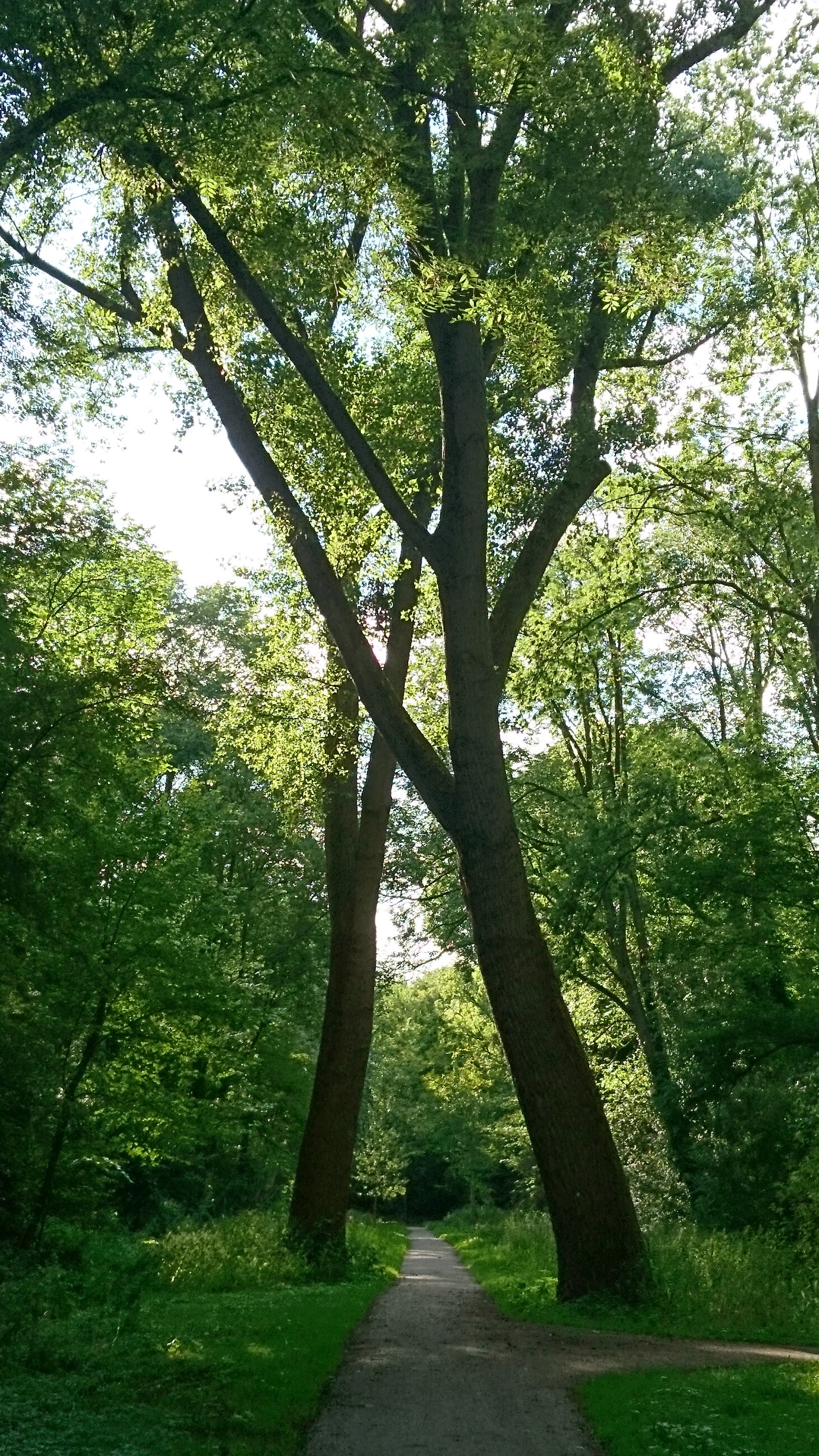
The entrance to Vliegenbos announces itself with a pair of cast-iron arches salvaged from the old Paris fish market halls — an unlikely portal into Amsterdam's oldest city forest. Step through and the Noord streetscape falls away quickly: elm canopy overhead, a scatter of benches along packed-earth paths, dogs running loose in the understorey.
Across 20 public hectares, the forest holds a sculpture garden, allotment plots, a scout association, and a campsite that puts you closer to a kingfisher's territory than to any hotel minibar. The elms are worth noting in their own right — the grove may be among the largest elm stands in Western Europe, kept intact by careful disease management.
💛 What travellers fall for
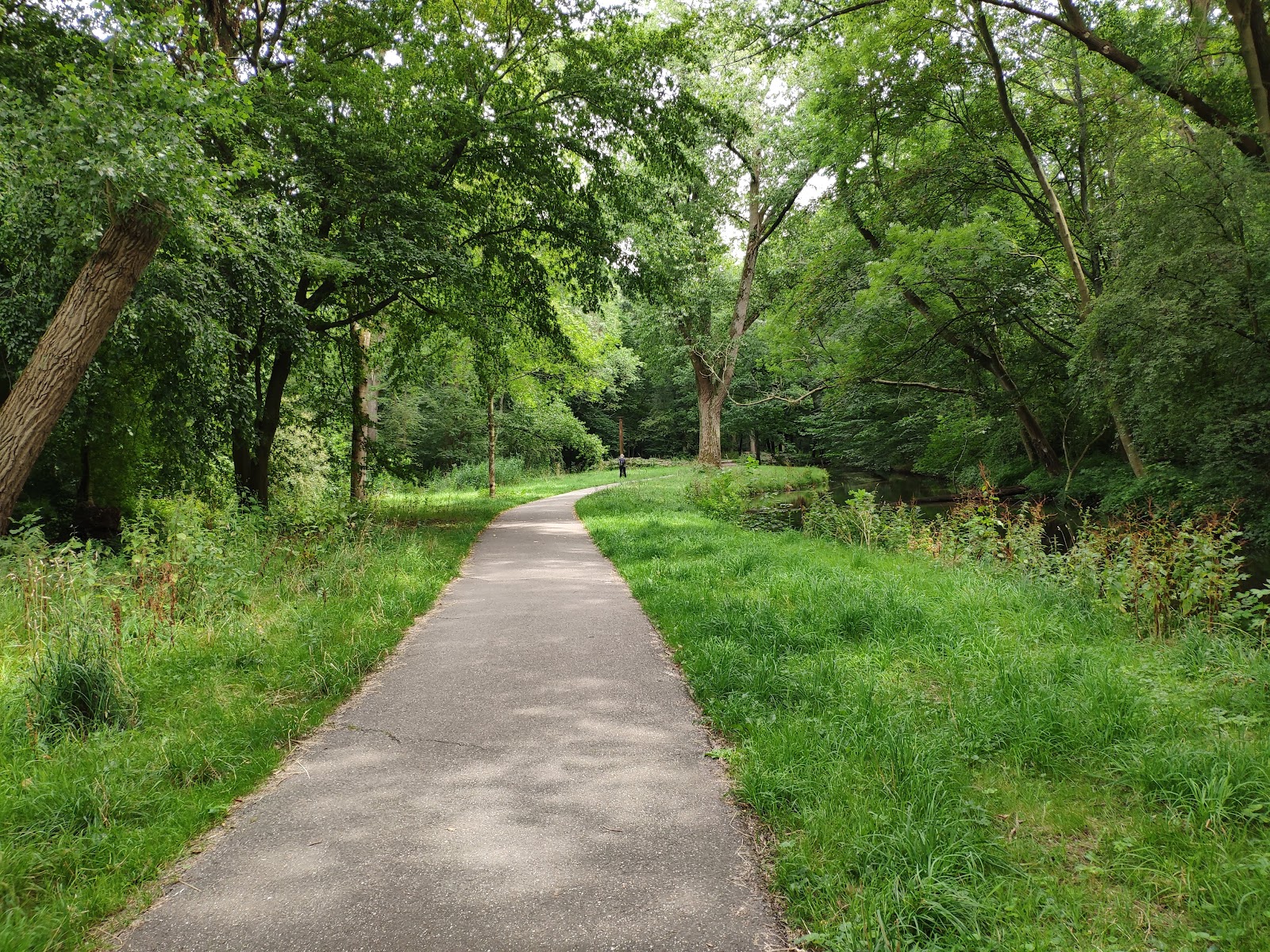
People who come back tend to time it for early morning, when the green woodpecker is audible before the dogs arrive in numbers. The sculpture garden, Het Beeldenbos, rewards a slow second loop — works by Jan Sierhuis and Corneille read differently once you've lost your sense of direction in the elms.
The story behind Vliegenbos
Vliegenbos exists because of one city councillor's conviction. Willem H. Vliegen (1862–1947), a social democrat, pushed Amsterdam's municipality to give workers somewhere green to spend a Sunday. Construction started in 1912 under Public Works director A.W. Bos and architect M.Ph.J.H. Klijnen; the forest opened in 1917 across 35 hectares.
The Second World War stripped roughly 85 percent of the trees for firewood, so most of what stands today grew back from mid-century onwards — some trunks are new shoots from the original stumps. A chemical factory that moved in during the 1950s drew a local action group, Tegengif, by 1974; the sulfuric acid plant finally closed in 2004. In 2012 artist Peter Diem donated the Paris fish-market arches that now frame the main entrance.
Good to know
Open around the clock, free. Bus lines 35 and 38 stop two minutes from the Meeuwenlaan entrance; metro line 52 reaches Noorderpark in nine minutes on foot. Barbecuing is not permitted. There are no cafés inside — bring something if you're staying a while.
Amsterdam's maritime climate means Vliegenbos is genuinely usable year-round, though winter visits (roughly November through February) mean bare canopy, occasional frost, and short afternoons. Spring brings the most reward for anyone interested in the understorey flora — chickweed and violet first, then fluteflower as the light shifts through the elms.
Where is Vliegenbos?
More tickets & tours for Vliegenbos
Book directly at the provider
What travellers say about Vliegenbos
Mooi bos! Beautiful forest in Amsterdam Noord. Great for long walks, especially with your dog. Very clean and safe.
I do really enjoy. Perfect staff. Nice place. 10 min walk to metro and then one station to center. If I come back again, I'll definitely come back here again.
Beautiful park for a walk with options for proper (wheelchair friendly) paths or little trails (dog friendly) ones. Despite its location close to the streets and the shops, once you're inside the park you don't hear much of the noise and can relax. It has benches and ponds if you'd like to relax with your dog or let it have a swim. There are no trash cans or poop bags for dogs inside the park so be ready to carry your trash with you back to the entrance. Plenty of paid parking nearby (around €1.50 per hour on a Sunday). Most paths in the park are off leash areas so you can take your dog with confidence.
Vliegenbos is a charming green oasis in Amsterdam-Noord. This urban forest offers a refreshing escape from the city's hustle and bustle, with winding paths perfect for walking, jogging, or cycling. The diverse mix of trees provides welcome shade on sunny days and creates a peaceful atmosphere. Vliegenbos is great for picnics, nature walks, or simply relaxing. There also seems to be some camping cabins in the area available for booking. It's particularly lovely in spring when wildflowers bloom, and in autumn when the leaves change color. While not as manicured as some city parks, its natural, slightly wild character is part of its appeal.
It's a wonderful park. You feel like in a wild forest but in fact you are in the center of the city... Trees, birds, silence, gentle sounds of nature... Great place for recreation
More of Amsterdam-Noord
Discover where to stay, what to do and the best deals for your trip.
Explore Amsterdam-Noord →More attractions in Amsterdam-Noord
All of Amsterdam-Noord →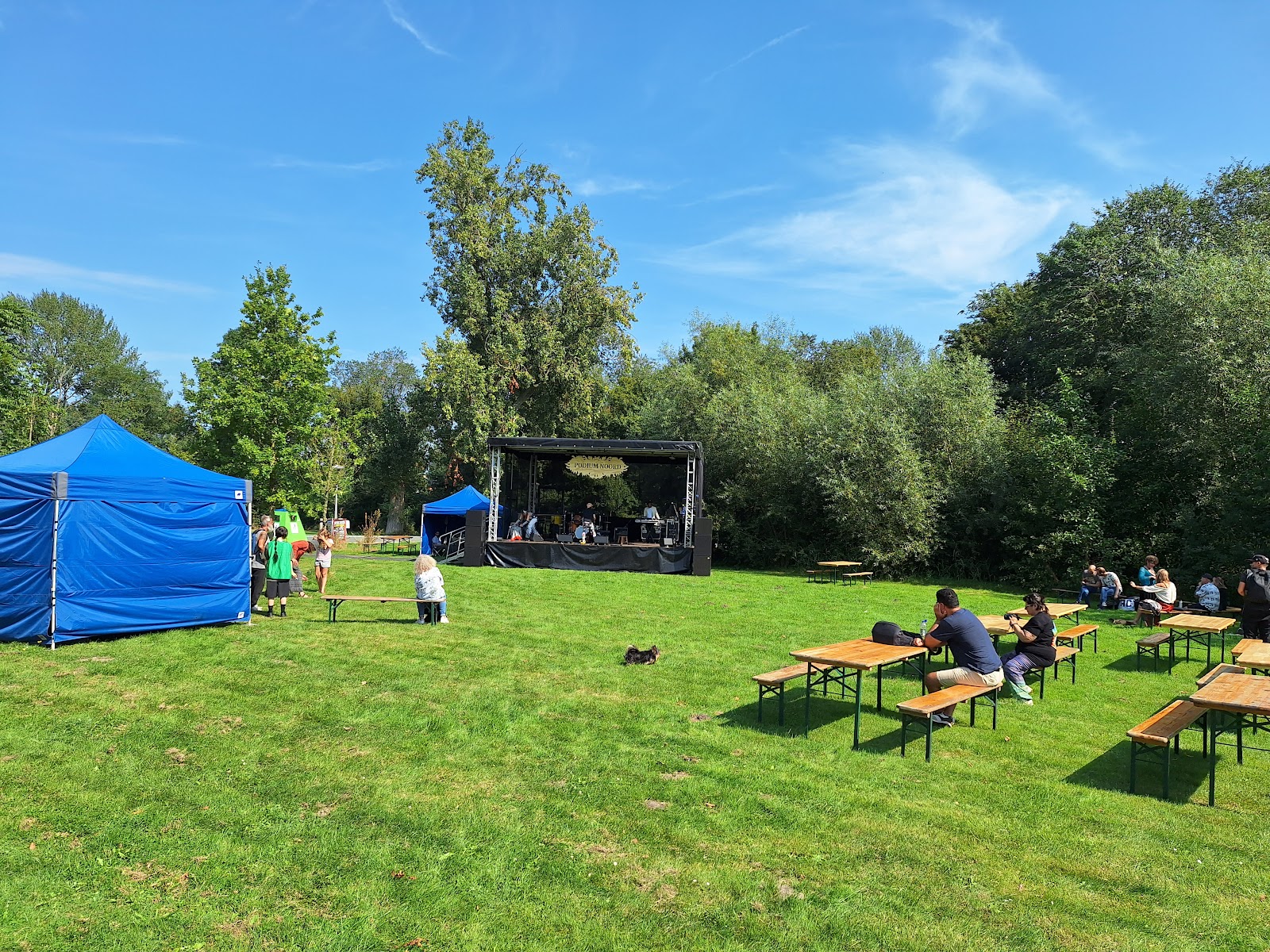


Background adapted from Wikipedia (CC BY-SA) · map data © OpenStreetMap contributors · ratings & place photos via Google · other photos with per-image credit. Ticket links may earn us a commission at no extra cost to you.