
NDSM Wharf
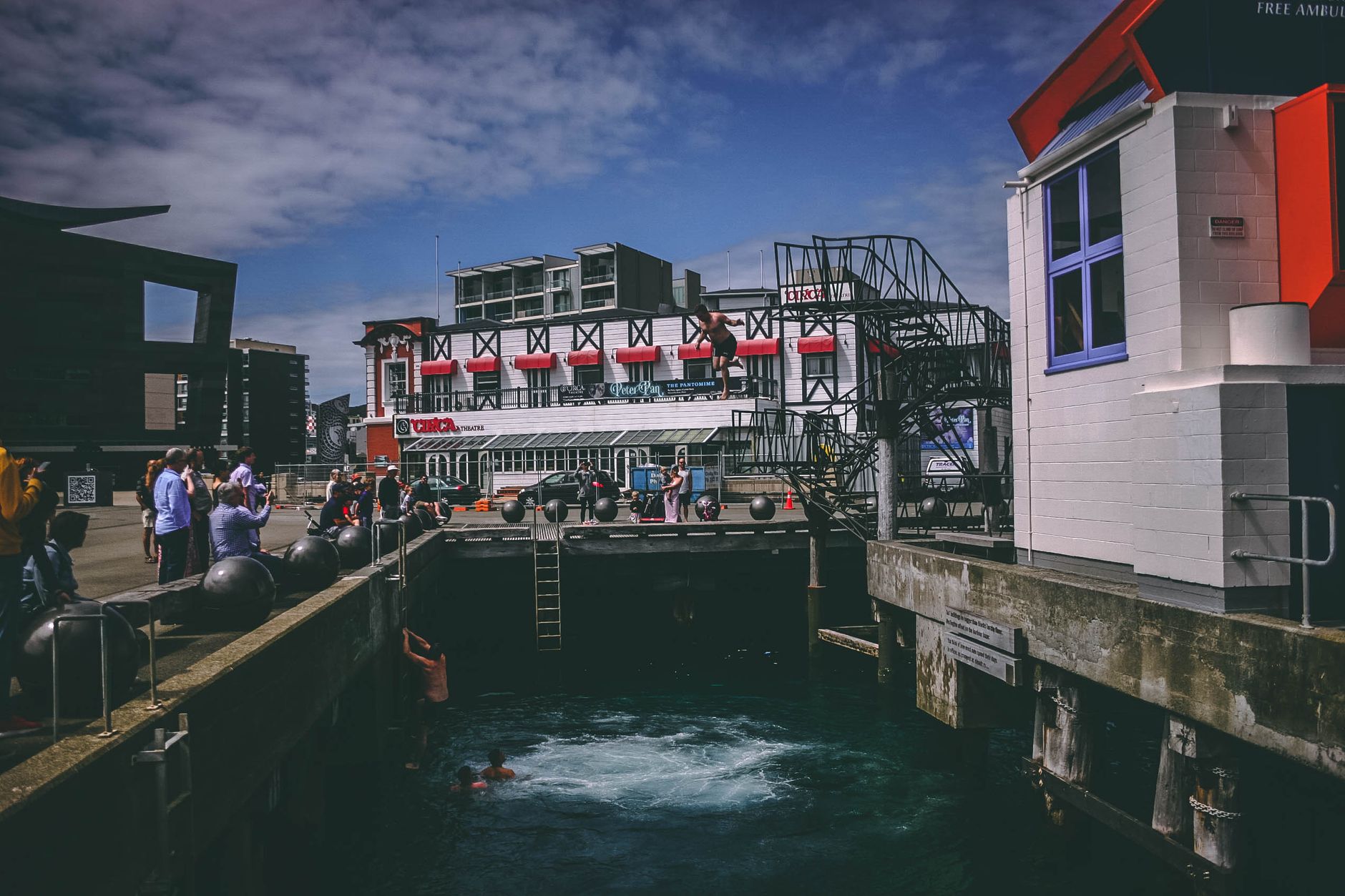
The free ferry from behind Central Station takes fifteen minutes and deposits you somewhere that feels like a different city entirely. NDSM Wharf spreads across the north bank of the IJ — cranes, a crane-turned-hotel, a 270-metre concrete office building cantilevered over a rusted craneway, and an 8,500-square-metre shipbuilding shed that now holds around 200 artists at work inside it.
This is where Amsterdam's shipbuilding industry peaked and collapsed, and where the city's creative underground moved in to fill the silence. On the Lasloods building, Eduardo Kobra's 2016 Anne Frank mural covers an entire wall. The STRAAT Museum, opened in 2020, fills a neighbouring shed with 180 works of street art, all made on-site.
💛 What travellers fall for
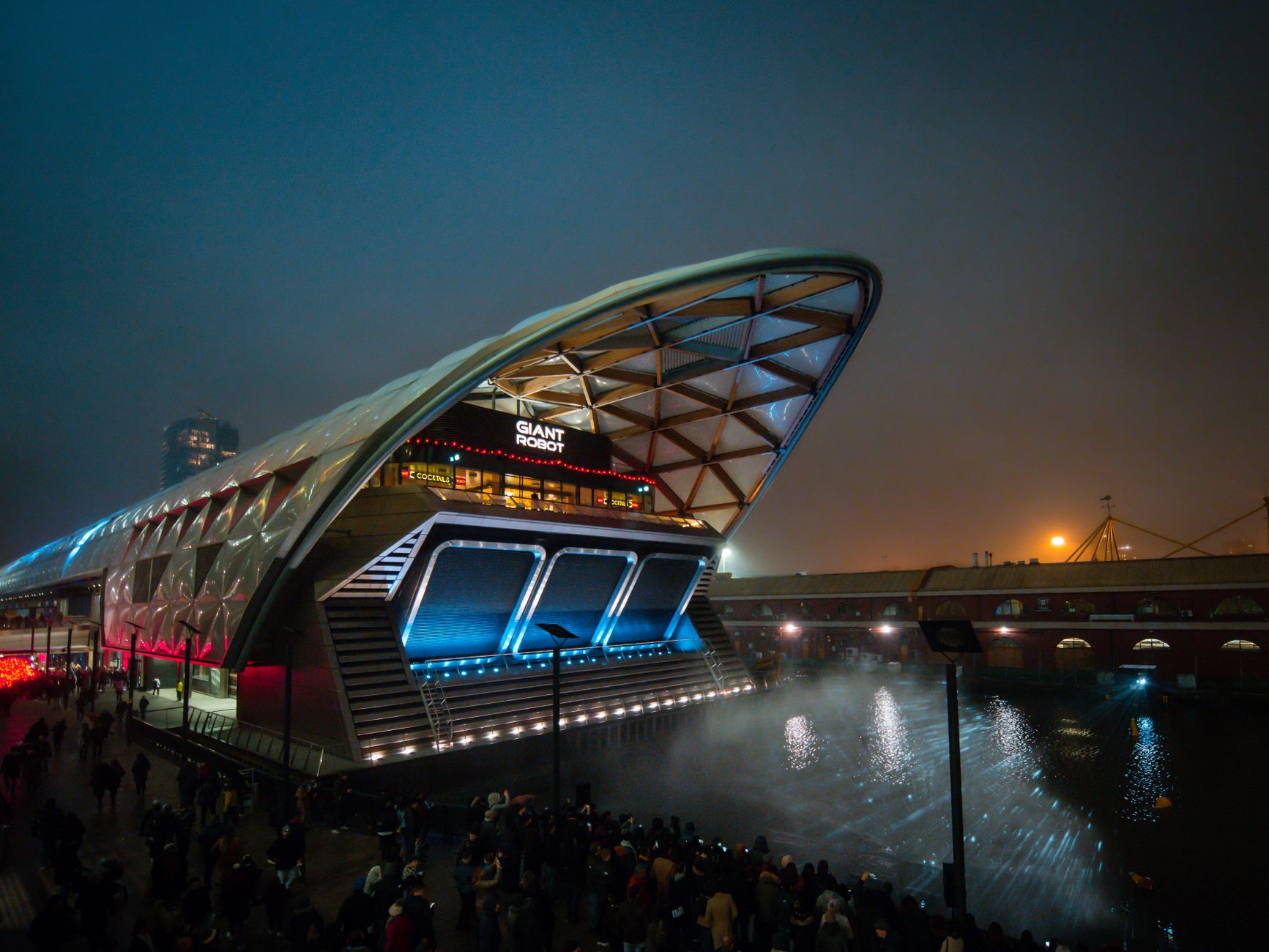
Regulars tend to time a visit around the IJ-Hallen flea market — the largest in the Netherlands, running one weekend a month, with 750 outdoor stalls in summer and 400-500 inside the Loods in winter. PLLEK, the bar-restaurant built from shipping containers on the waterfront, is the default spot to decompress afterward, with the IJ right in front of you.
The story behind NDSM Wharf
The Nederlandsche Scheepsbouw Maatschappij (NSM) was founded in 1894 in Oostenburg, then relocated to the north bank of the IJ, where its large sheds and slipways were built in 1920. By 1937 the company had grown into the largest wharf in the world. In 1946 a merger with the Nederlandsche Dok Maatschappij created NDSM — the Nederlandsche Dok en Scheepsbouw Maatschappij. The last major vessels, a tanker and two container ships, came off the slipways in 1979. Repair work continued until around 1984, then the yard went quiet.
Through the 1990s the terrain was largely squatted. In 1999 Amsterdam-Noord began formal regeneration, and by 2001 Kinetisch Noord — an art foundation that had grown directly from the squatting movement — was involved. The city designated the area an official broedplaats, a breeding ground for creativity. Stichting NDSM-werf was established in 2009 to manage and open the outdoor spaces.
Good to know
The GVB F4 or F6 ferry from behind Central Station runs every 15–30 minutes and is free. The wharf itself costs nothing to walk; budget separately for STRAAT Museum entry and IJ-Hallen. Last ferry back runs until 3am on weekends. Allow at least two hours; a full day if the museum and market overlap.
The wharf is largely outdoors, so wind off the IJ is a constant — bring a layer even in summer. Winter visits are grayer and colder but quieter; the IJ-Hallen moves inside the Loods, which has its own atmosphere. Summer evenings, with the long Dutch light and the waterfront terrace at PLLEK, are when the site is at its most open.
Where is NDSM Wharf?
Location
- In Amsterdam-Noord
- 52.4014, 4.8897
- Open in Google Maps
More tickets & tours for NDSM Wharf
Book directly at the provider
More of Amsterdam-Noord
Discover where to stay, what to do and the best deals for your trip.
Explore Amsterdam-Noord →More attractions in Amsterdam-Noord
All of Amsterdam-Noord →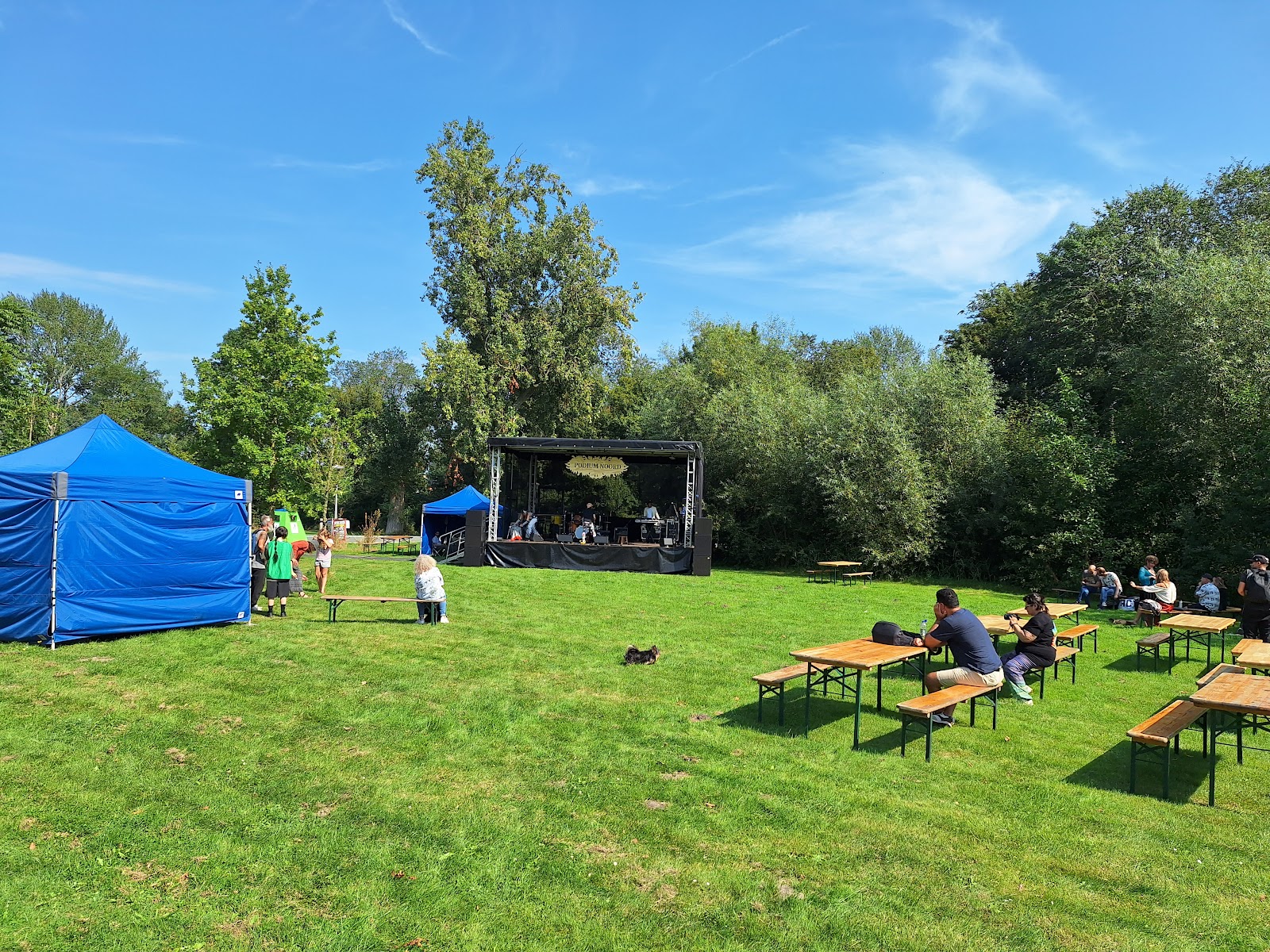

Background adapted from Wikipedia (CC BY-SA) · map data © OpenStreetMap contributors · ratings & place photos via Google · other photos with per-image credit. Ticket links may earn us a commission at no extra cost to you.