
Westerpark
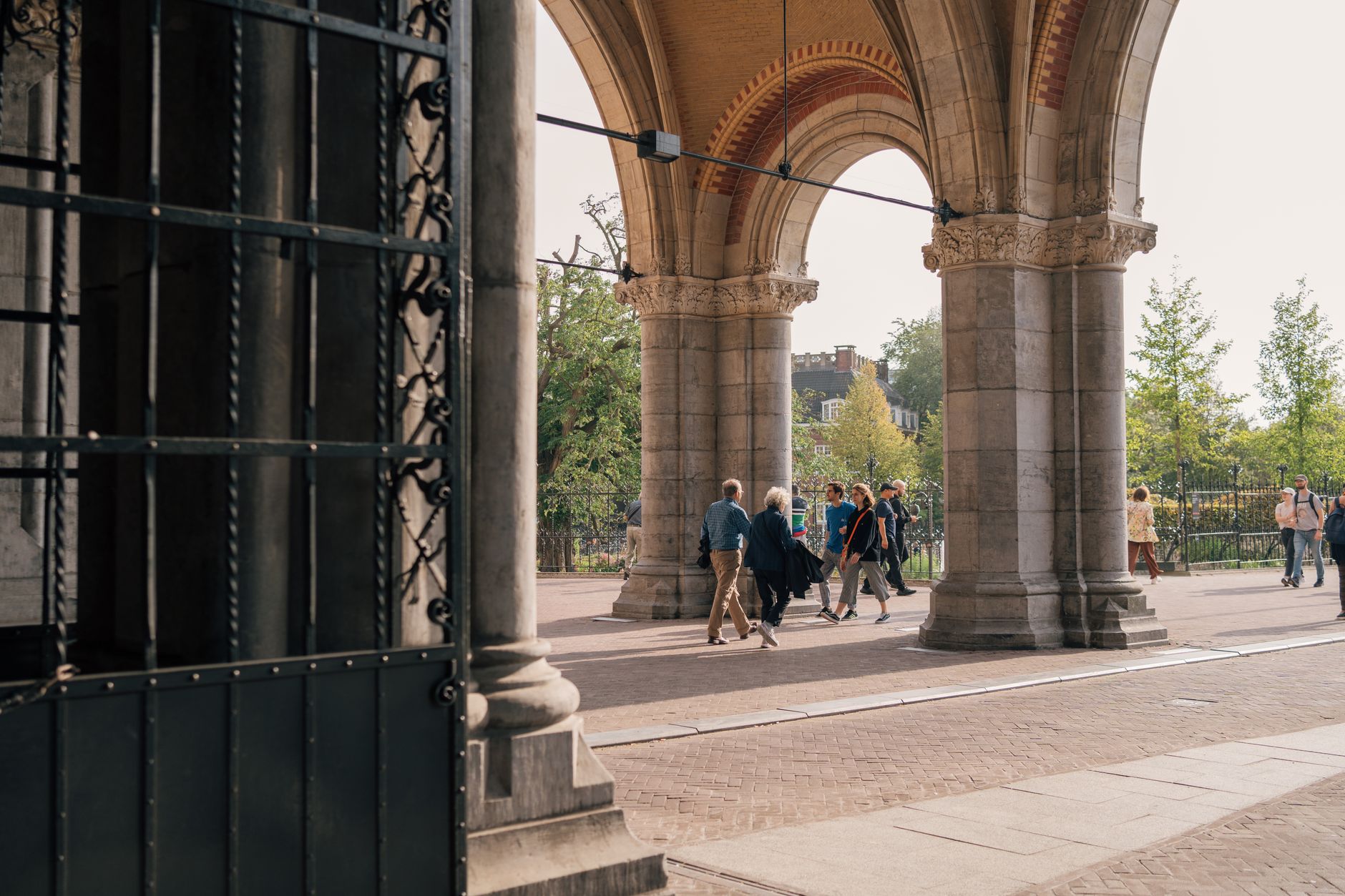
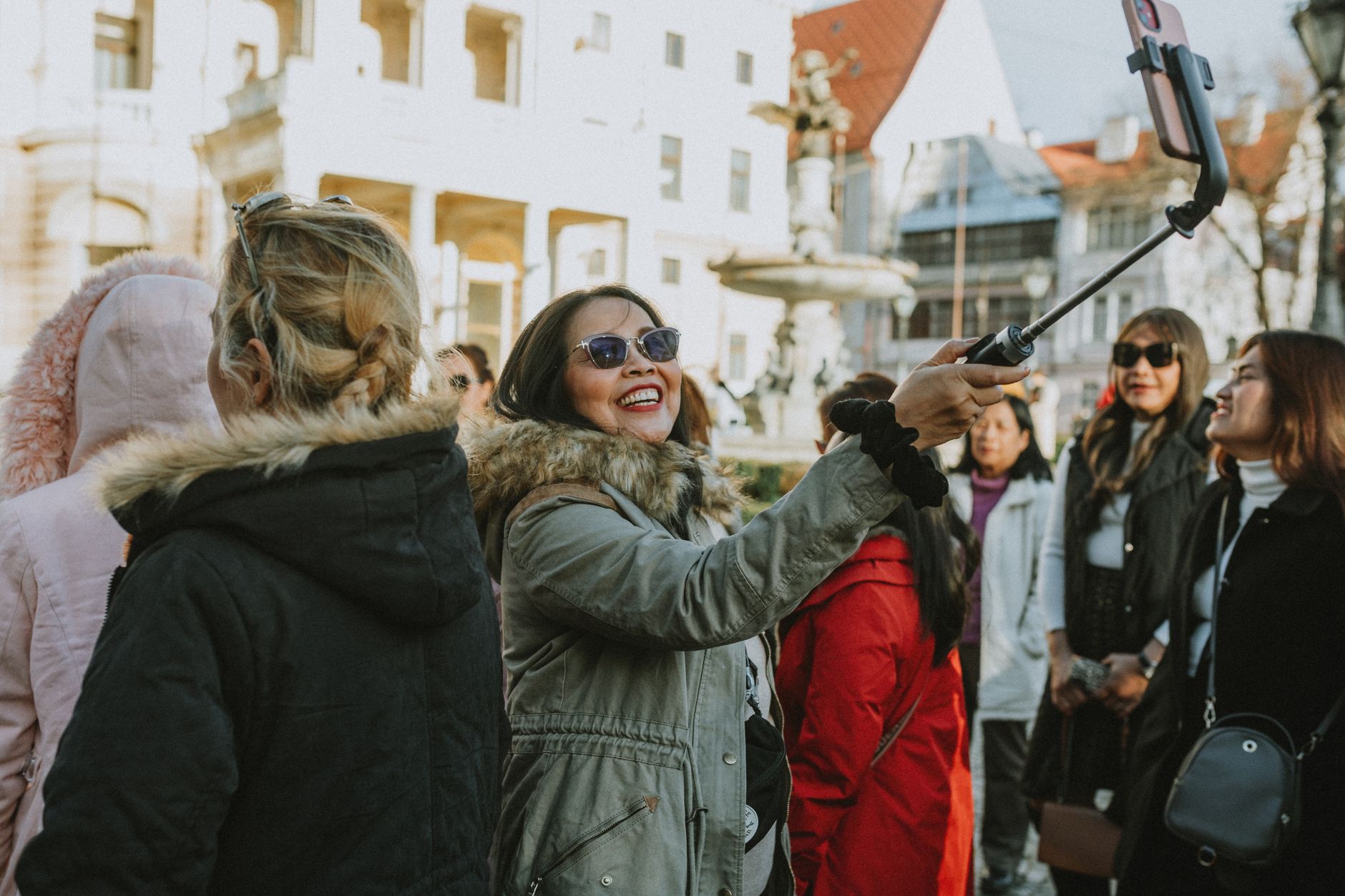
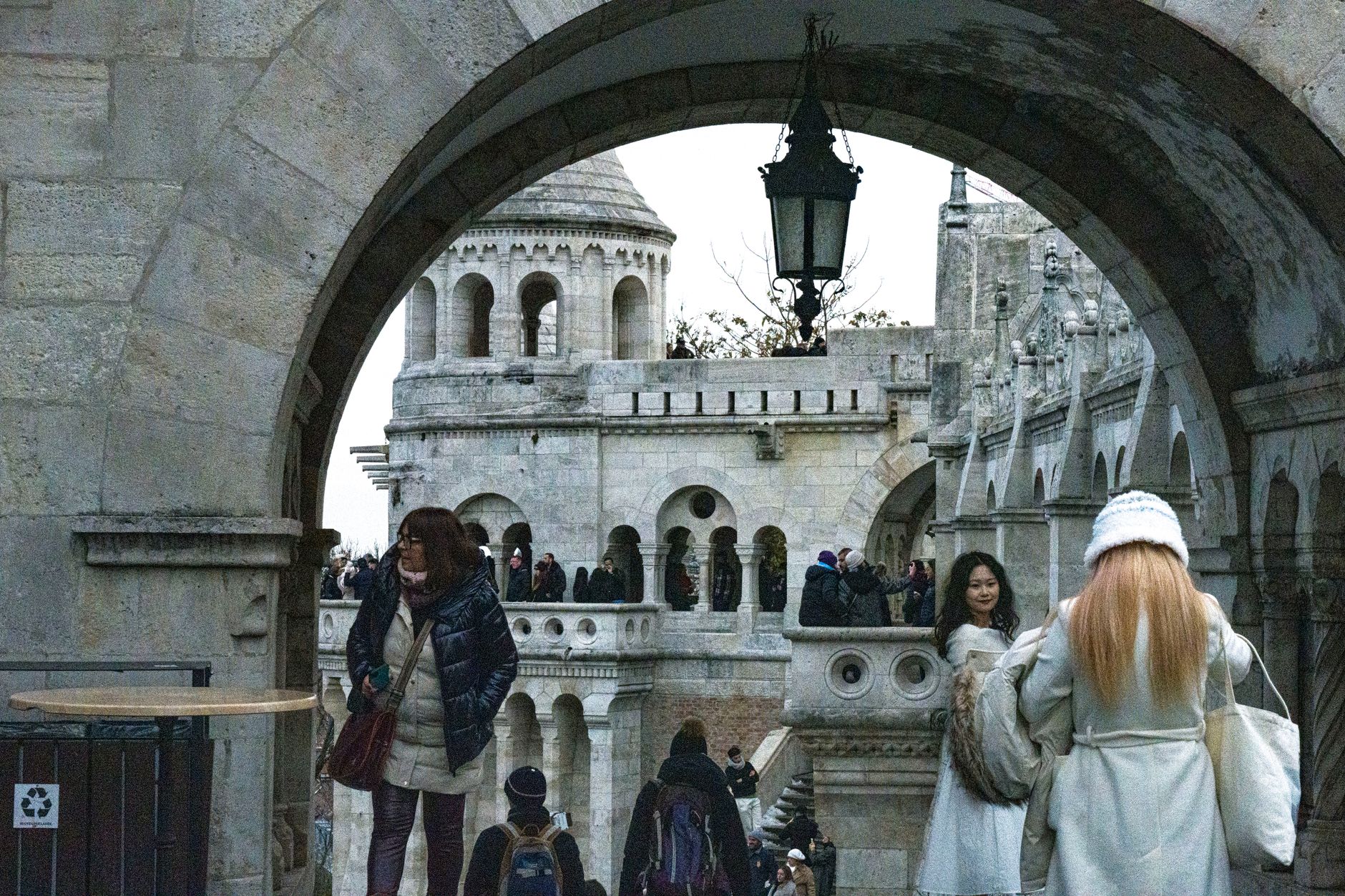
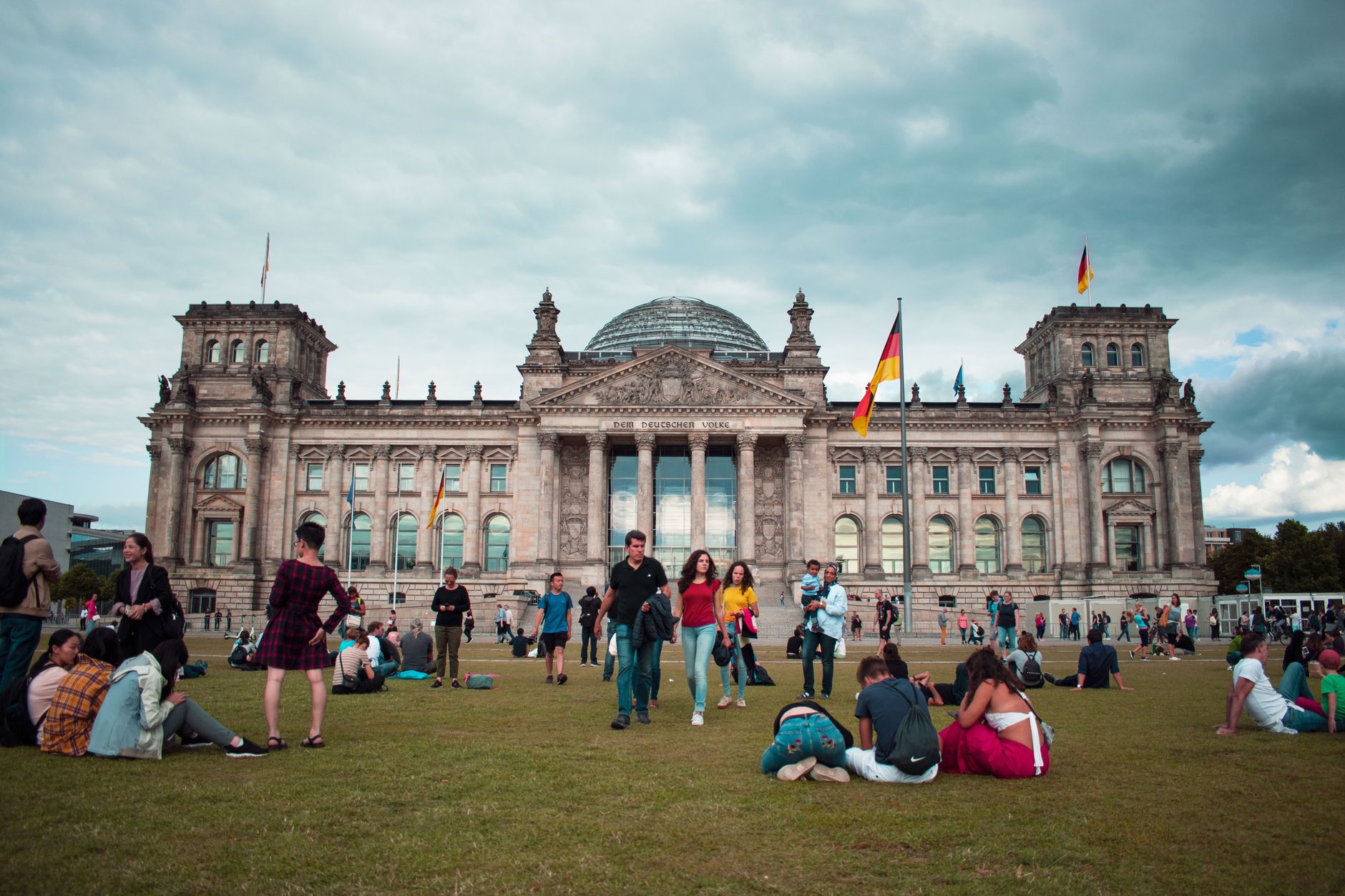
A drawbridge from 1919 is your first clue that Westerpark has been repurposed more than once. Cross it from Haarlemmervaart and you step into 50 hectares that move, almost without announcement, from open polder meadow to a cluster of dark-red brick industrial buildings that once processed gas for the whole city.
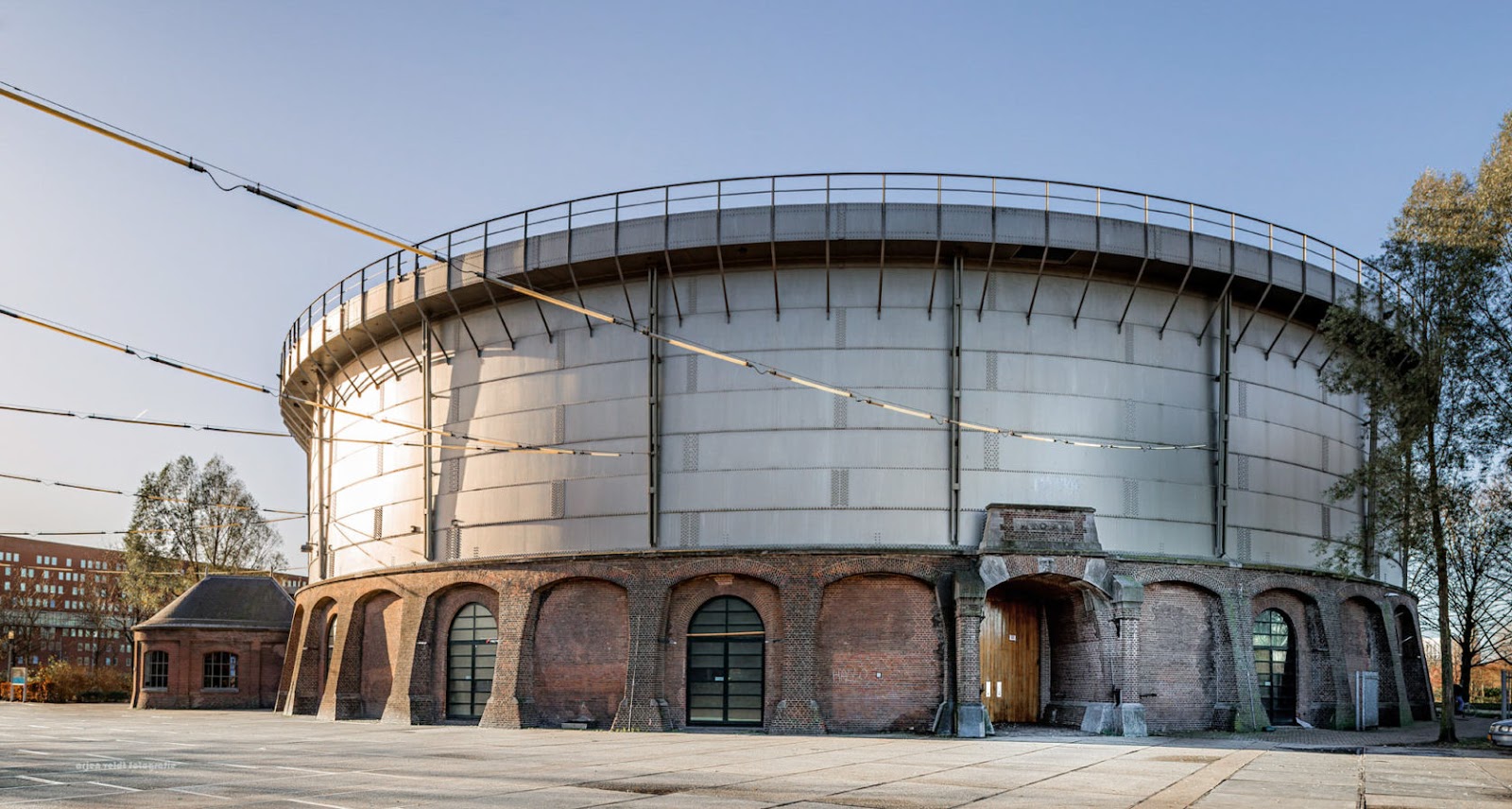
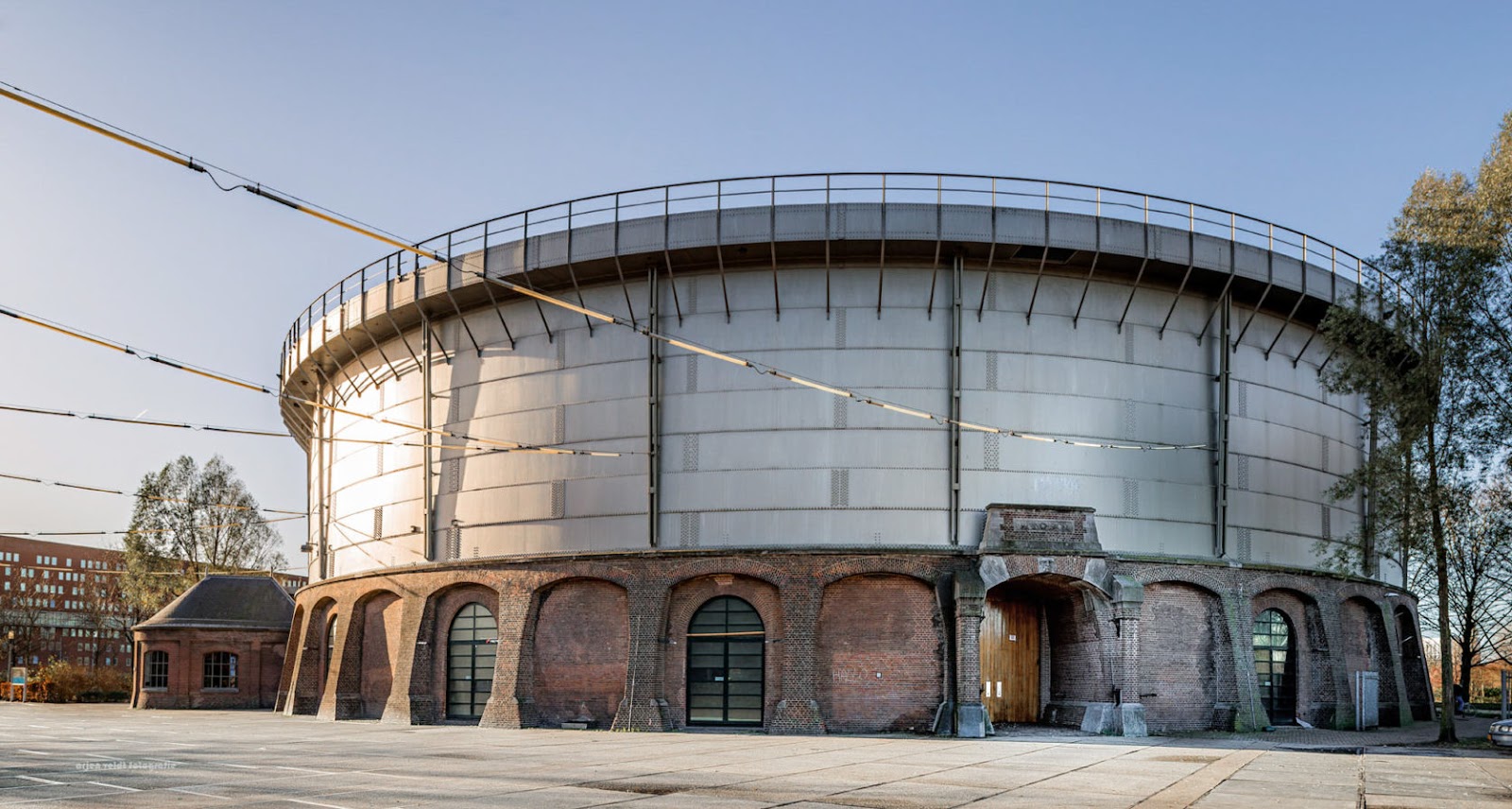
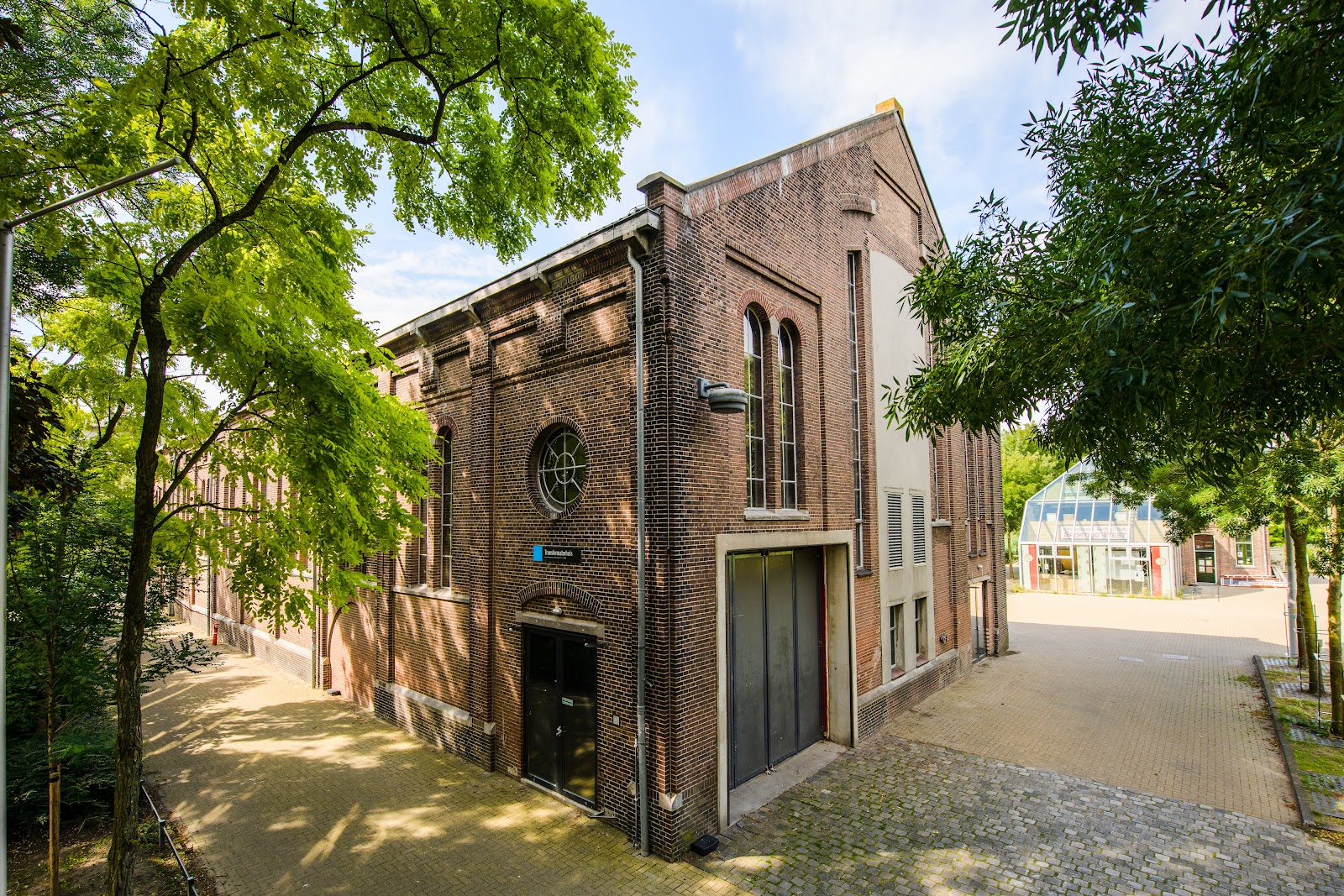
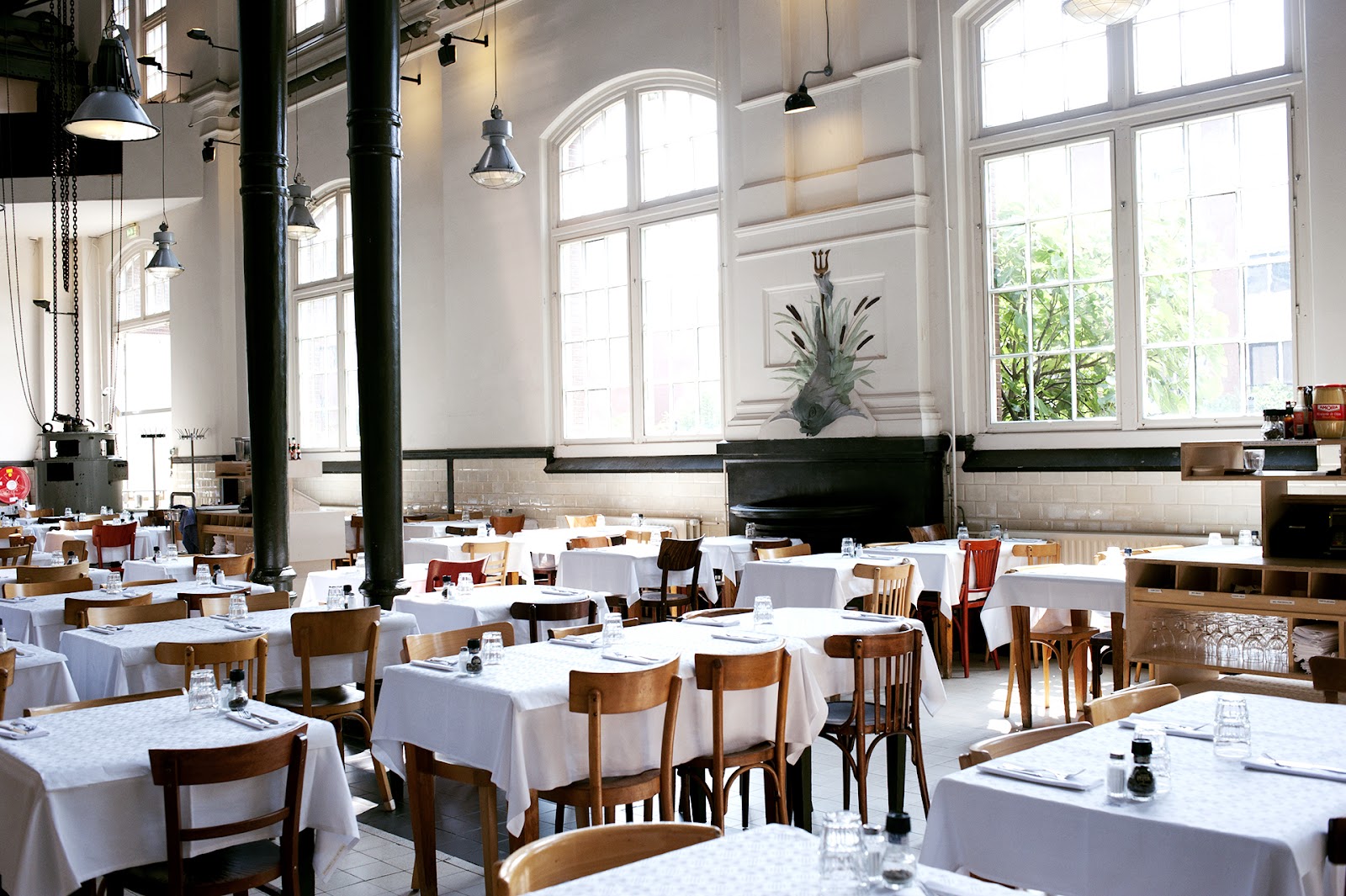
The Westergasfabriek complex — the old gasworks — is the reason this park feels unlike any other in Amsterdam. Its Zuiveringshal and Gashouder now hold cinema screenings, photo fairs, and late-night concerts inside a converted gas tank. The pond out back has a long shallow pool where children wade on warm days, and a wedding-dress sculpture that appears on the water each April.
💛 What travellers fall for
People who come back tend to time it around the Sunday Market on the first Sunday of the month — coffee from one of the Westergasfabriek cafés, a slow circuit of the stalls, then a walk out toward the allotments and Sint Barbara cemetery, which is quieter than it sounds and worth the detour.
Deals in Westerpark
Book directly at the provider


How Westerpark came to be
The land was first laid out in 1845 as Westerplantsoen, a green relief for a neighbourhood already thick with industrial smoke. That garden was cleared in 1891 to make way for a relocated canal, and landscape architect Leonard Springer redesigned what became today's Westerpark in 1890. Meanwhile, the British Imperial Continental Gas Association had been operating a gasworks here since 1883 — at its peak the largest extraction plant in the Netherlands. Its Dutch Renaissance brick buildings were designed by architect Isaac Gosschalk.
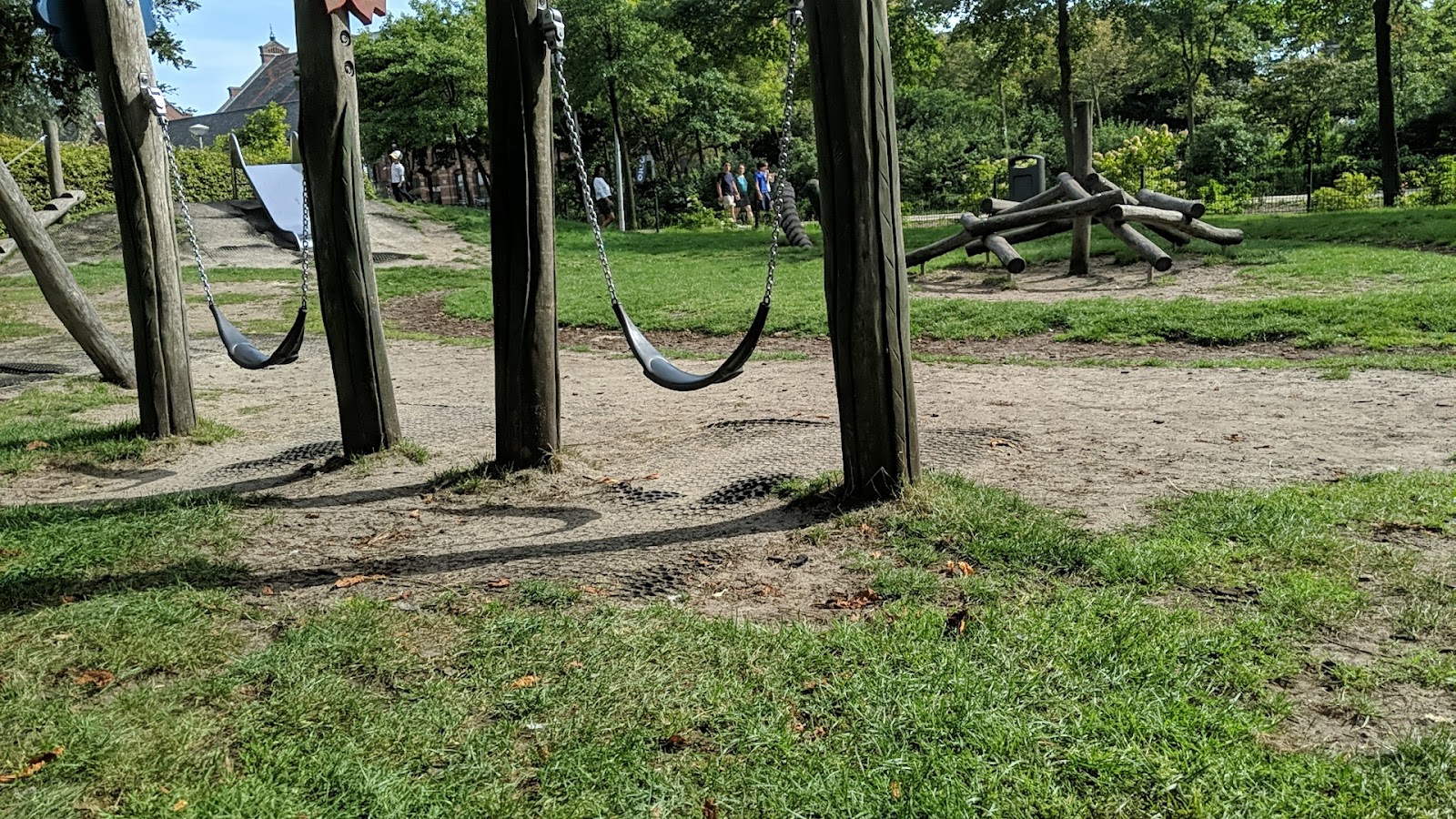
The gasworks closed in 1967 after North Sea natural gas made it obsolete. The buildings were granted monument status in 1989, and the entire complex became a National Monument in 1991. American landscape architect Kathryn Gustafson then spent years integrating the old industrial site into a redesigned park, completing the work in 2003 — adding the pond, the play areas, and the green connections that now link the historic buildings to the open landscape around them.
Who and what shaped it
People who shaped it
Landmark buildings
See Westerpark in motion
Plan your visit
On the map
When to go
April and May offer the most reliable light and the least rain — the wedding-dress sculpture is already floating by mid-April. Summer days run warm rather than hot, typically 20–25°C, though a cool week can arrive without much warning; winters are long, grey and genuinely cold, with wind off the polder making it feel sharper than the thermometer suggests.
Right now
↡ Attractions

Background & history adapted from Wikipedia (CC BY-SA) · specs from Wikidata (CC0) · weather from Open-Meteo · map data © OpenStreetMap contributors · photos from Wikimedia Commons / Unsplash with per-image credit. No third-party reviews or social posts reproduced.