
Westergas Transformatorhuis
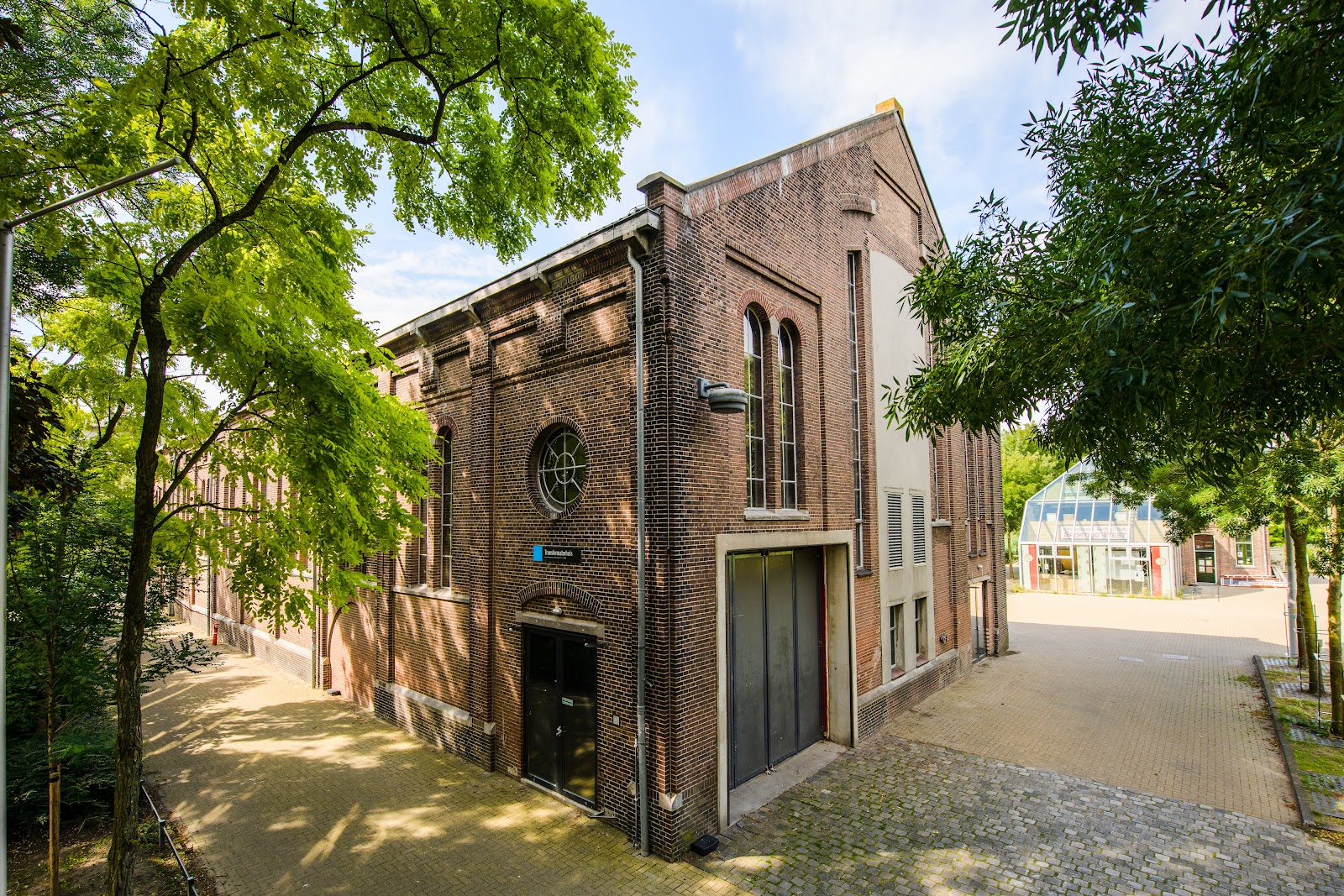
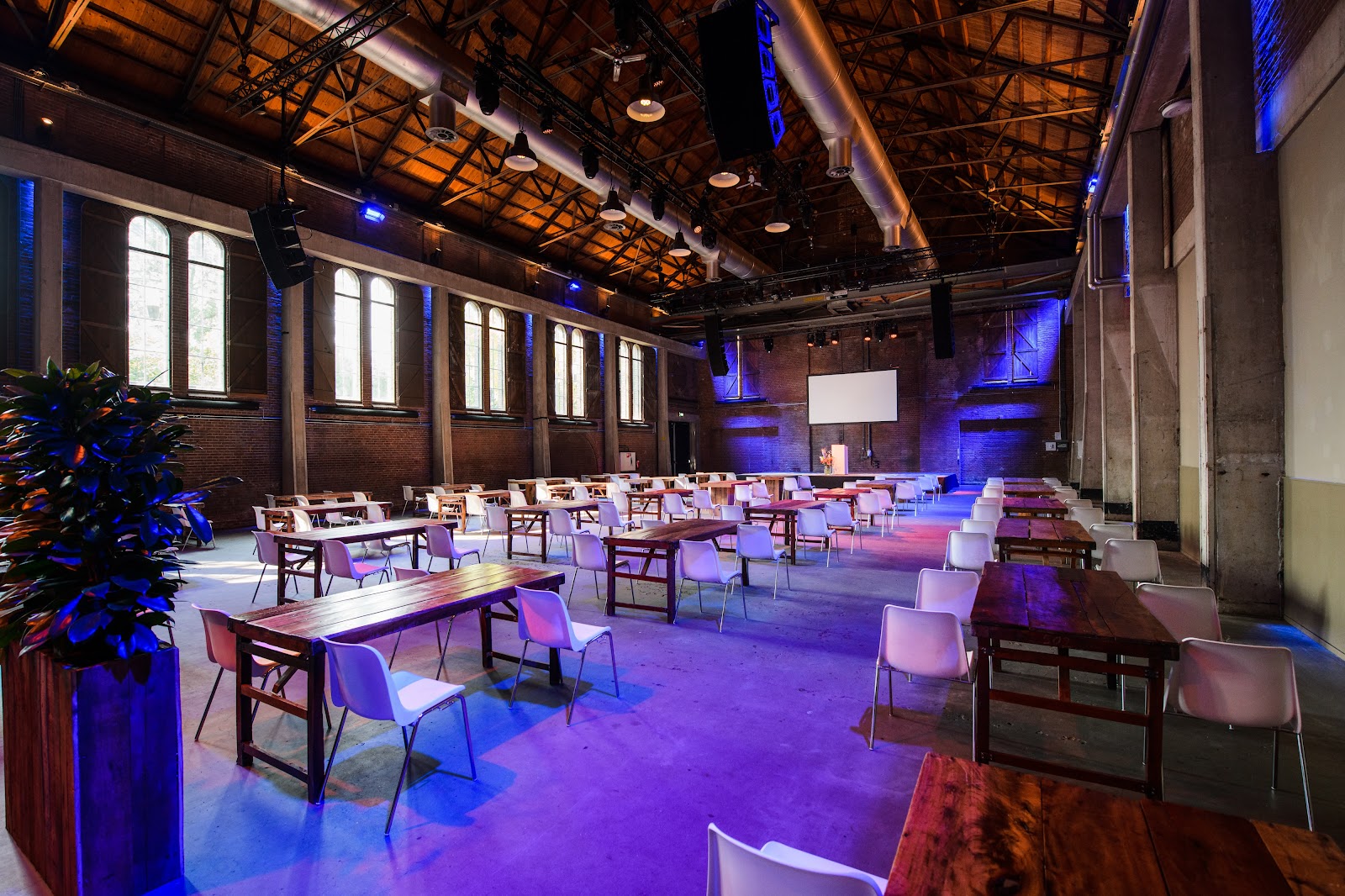
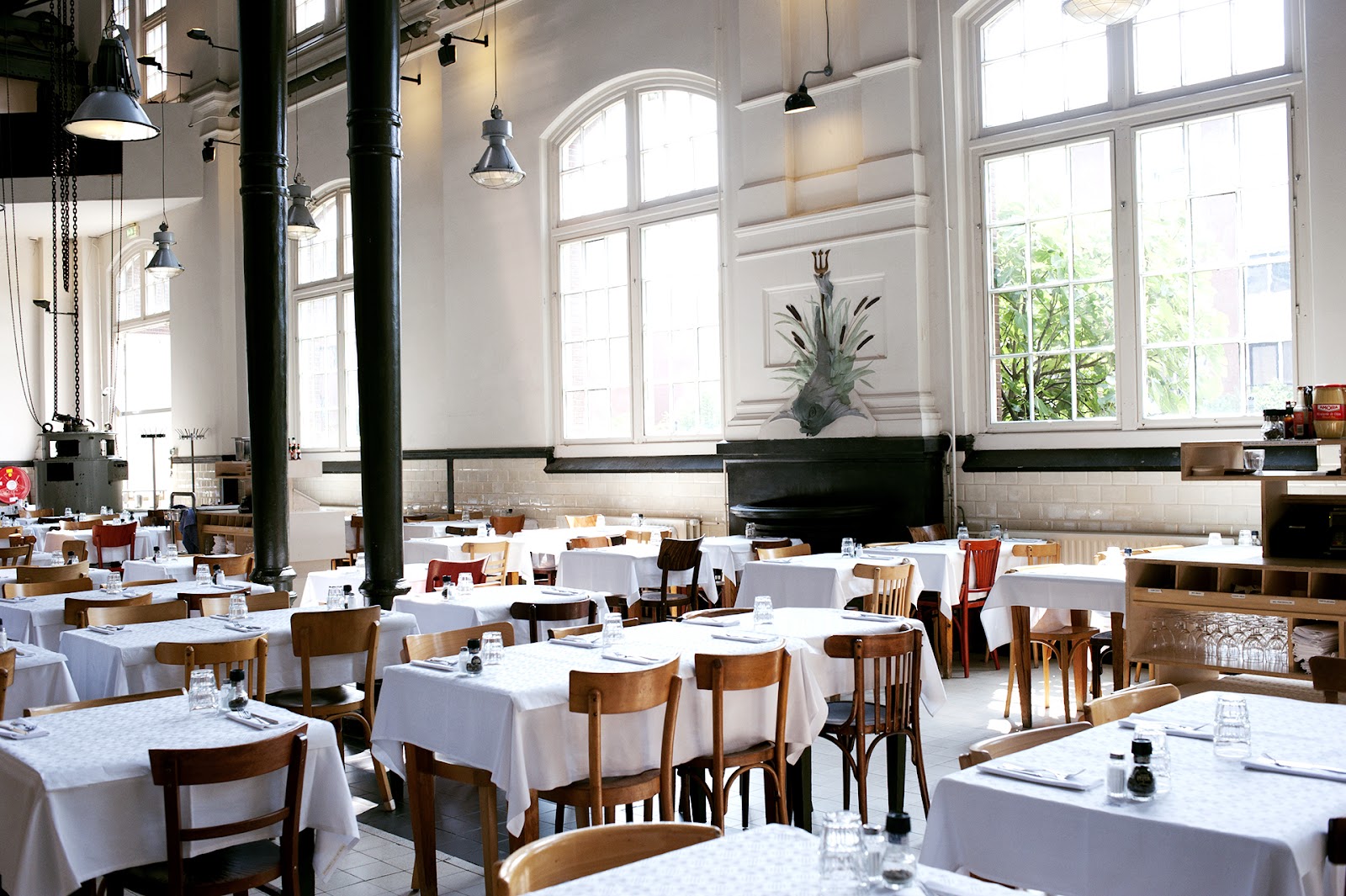
The Transformatorhuis stops you mid-step. It's the wooden arch trusses — Polonceau spants, the kind of structural carpentry that belongs to a different century — rising through nearly ten metres of air to a roof that lets Amsterdam's grey-white light pour straight down onto whatever is happening below. The building started life in 1904 as a watergas factory, became a transformer workshop for the city's cable network, and eventually fell quiet when gas production ceased in 1967.
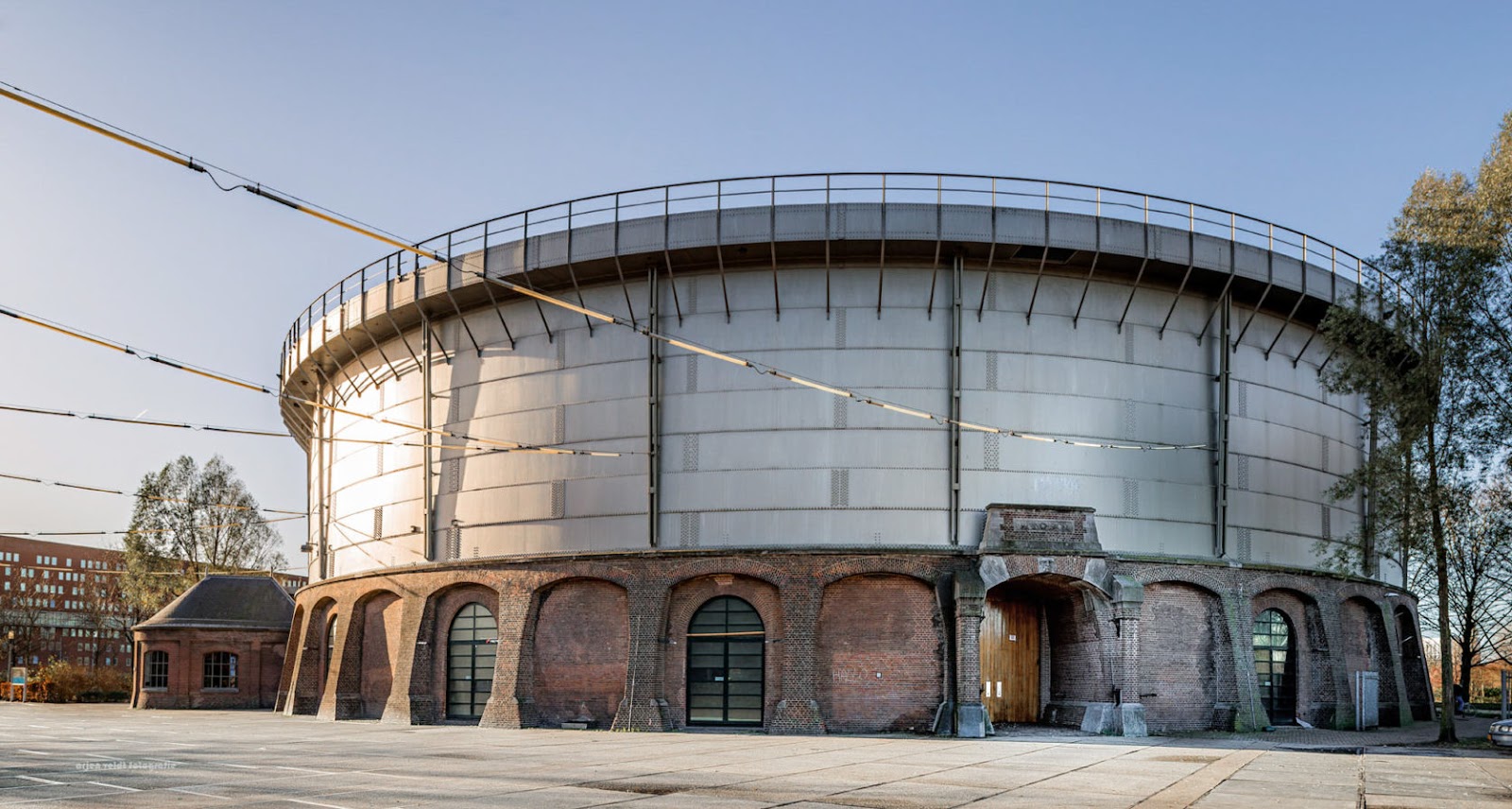
Today it operates as De Wester, a 700-square-metre event venue where the rear windows frame a direct sight line to the Gashouder next door. The room has hosted early editions of Unseen and No Art before those events outgrew it entirely.
💛 What travellers fall for
People who've worked events here mention the windows first — specifically the late-afternoon light through the high glass when a setup is still half-finished. WestWeelde, a short walk away, is the go-to for a drink with the same Gashouder view before or after. Tram 3 to Van Hallstraat puts you at the park's edge in minutes.
The story behind Westergas Transformatorhuis
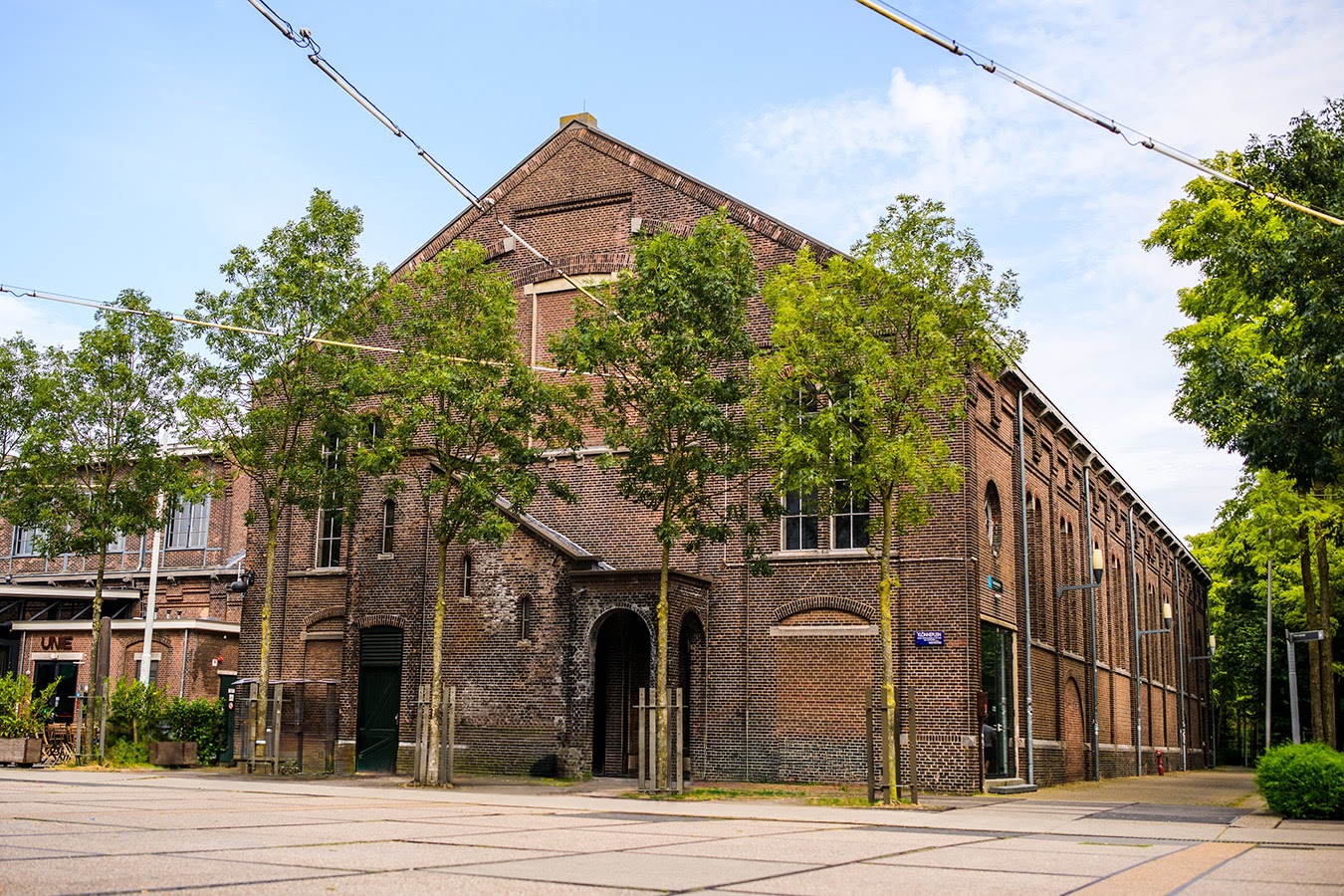
The site was part of the Wester Gasfabriek complex designed by Isaac Gosschalk in 1885, with technical planning handled by Austrian engineer Julius Pazzani. The Transformatorhuis itself went up in 1904 to serve the watergas plant. By 1956 a new automated facility had absorbed production, and the building was repurposed as a transformer workshop for Amsterdam's Municipal Energy Company. Gas operations stopped altogether in 1967.
The building sat within a slowly transforming industrial quarter until 1993, when International Theater Amsterdam chose it as the home for their first independent theatre, naming it De Wester. In 2018 the wider Westergasfabriek complex was rebranded Westergas, and De Wester settled into its current life as a flexible cultural venue — the room where several now-large Amsterdam events first found their footing.
Good to know
Tram 3 (Van Hallstraat stop) is the simplest approach; buses 21 and 22 also serve the area. The building runs weekday office hours (07:45–18:15) and is closed weekends unless an event is scheduled — check programming before you go.
Where is Westergas Transformatorhuis?
More tickets & tours for Westergas Transformatorhuis
Book directly at the provider
What travellers say about Westergas Transformatorhuis
Nice venue for various events. Company events or private events.
Authentic, romantic practical and cosy space for business meetings and small gatherings
I was here for Korean Cultural Event. The building is not big enough for event where there are food stalls, goods stalls and a podium to perform dancing and singing. People who queue to buy things mix up with people who want to see performance on the podium.
Antique building in a very nice park with amazing set up for ade
We were just at the unseen festival, and the guy at the bar charged as 8 euros for two glasses of water.
More of Westerpark
Discover where to stay, what to do and the best deals for your trip.
Explore Westerpark →More attractions in Westerpark
All of Westerpark →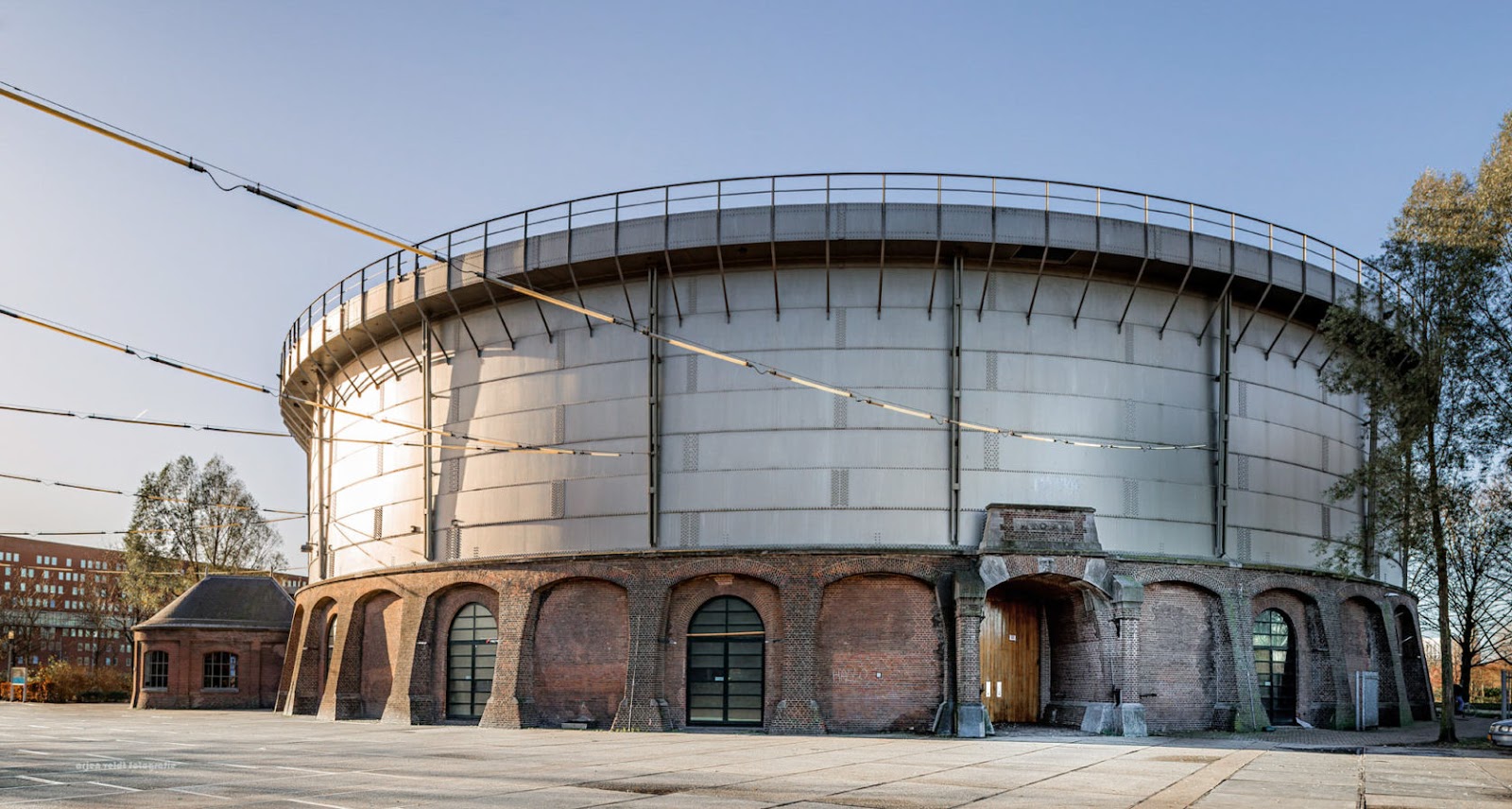

Background adapted from Wikipedia (CC BY-SA) · map data © OpenStreetMap contributors · ratings & place photos via Google · other photos with per-image credit. Ticket links may earn us a commission at no extra cost to you.