
Westergasfabriek
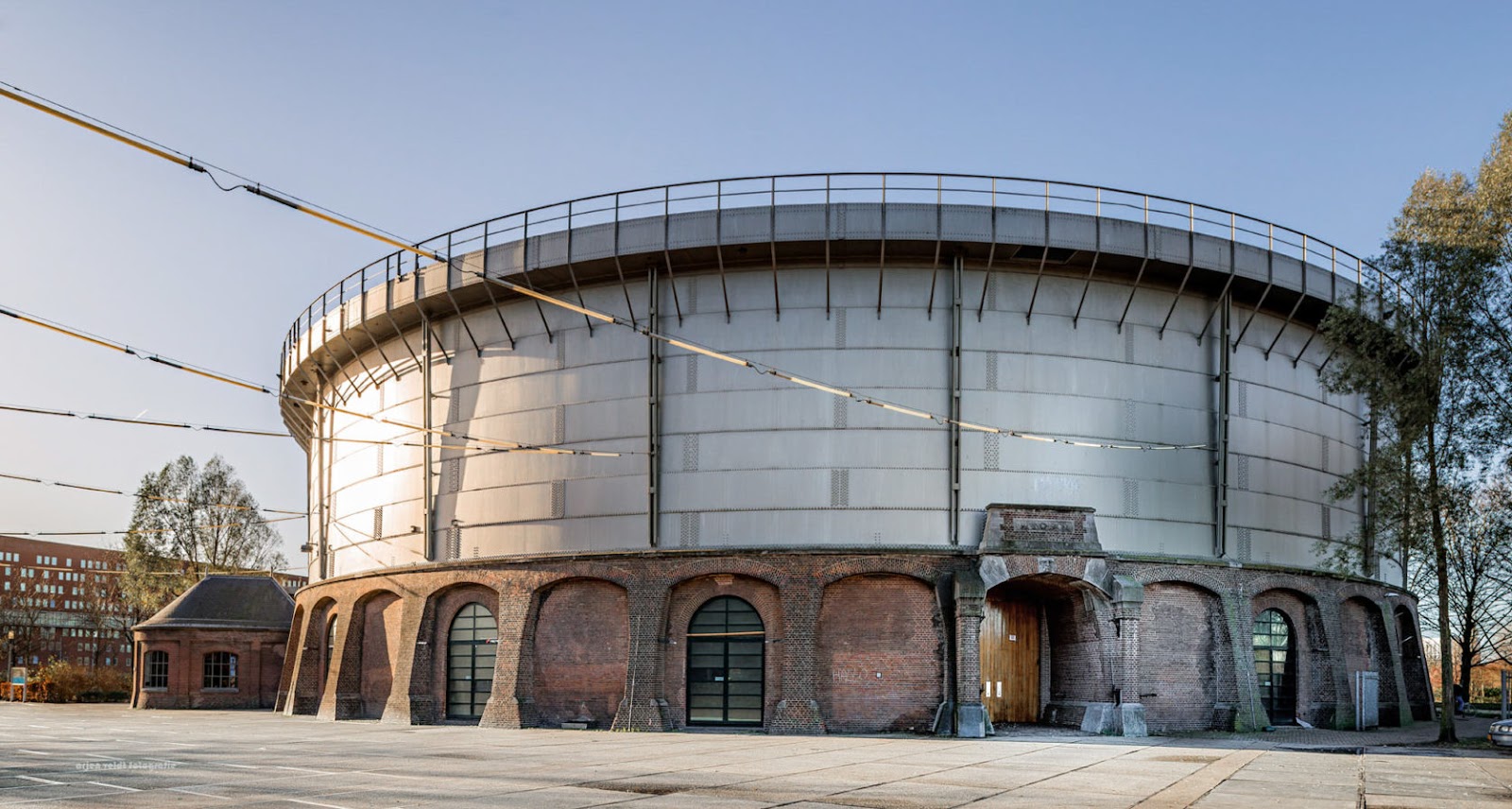
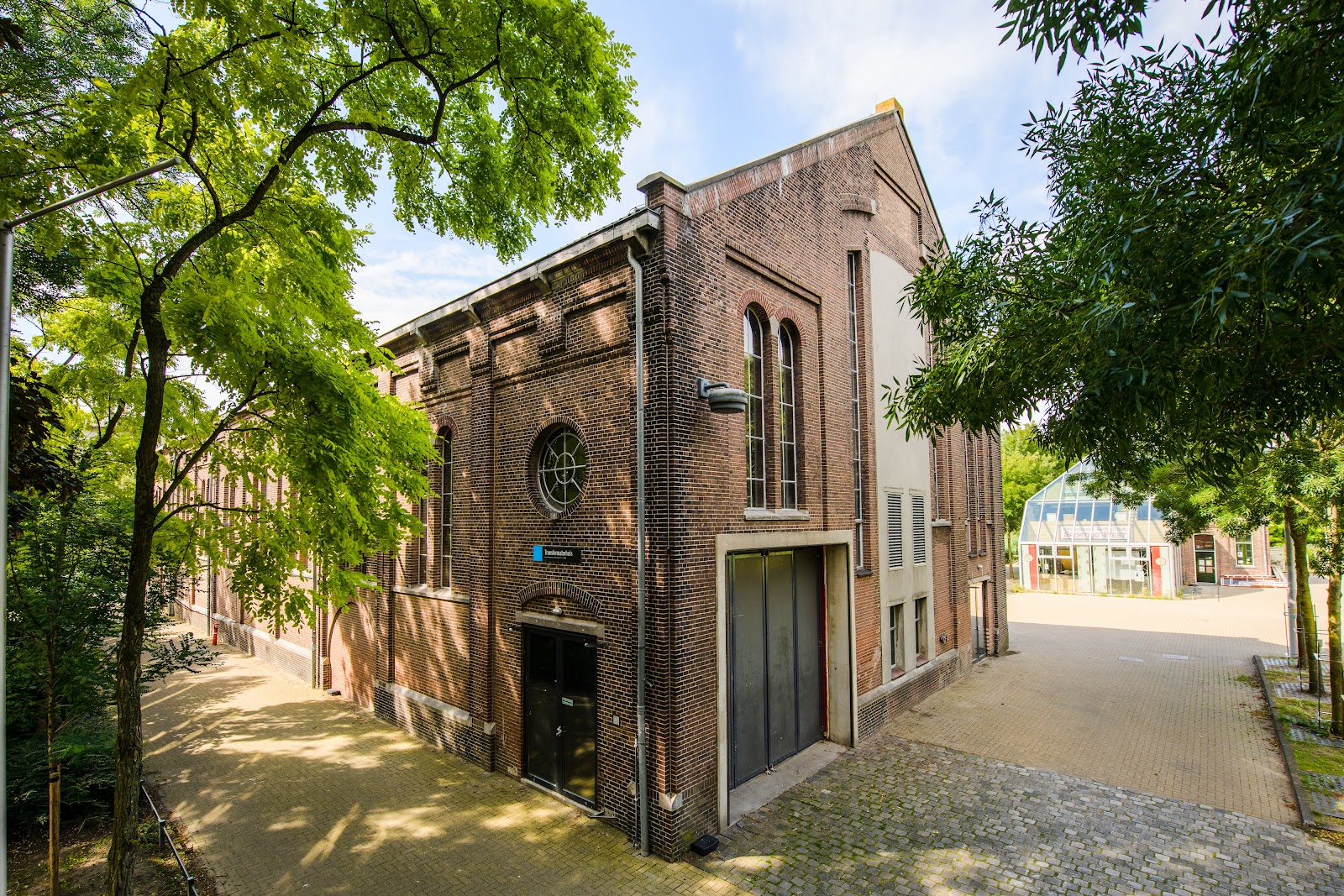
The first thing that catches you is the scale: nineteen brick industrial buildings standing almost exactly as they did when Amsterdam's gas company shut them down in 1967, their Dutch Neo-Renaissance facades reflected in the canal alongside. Westergasfabriek — now going simply by Westergas — spent decades as a contaminated liability before squatters, artists, and eventually a serious remediation effort turned it into something harder to categorise than a park or a venue.
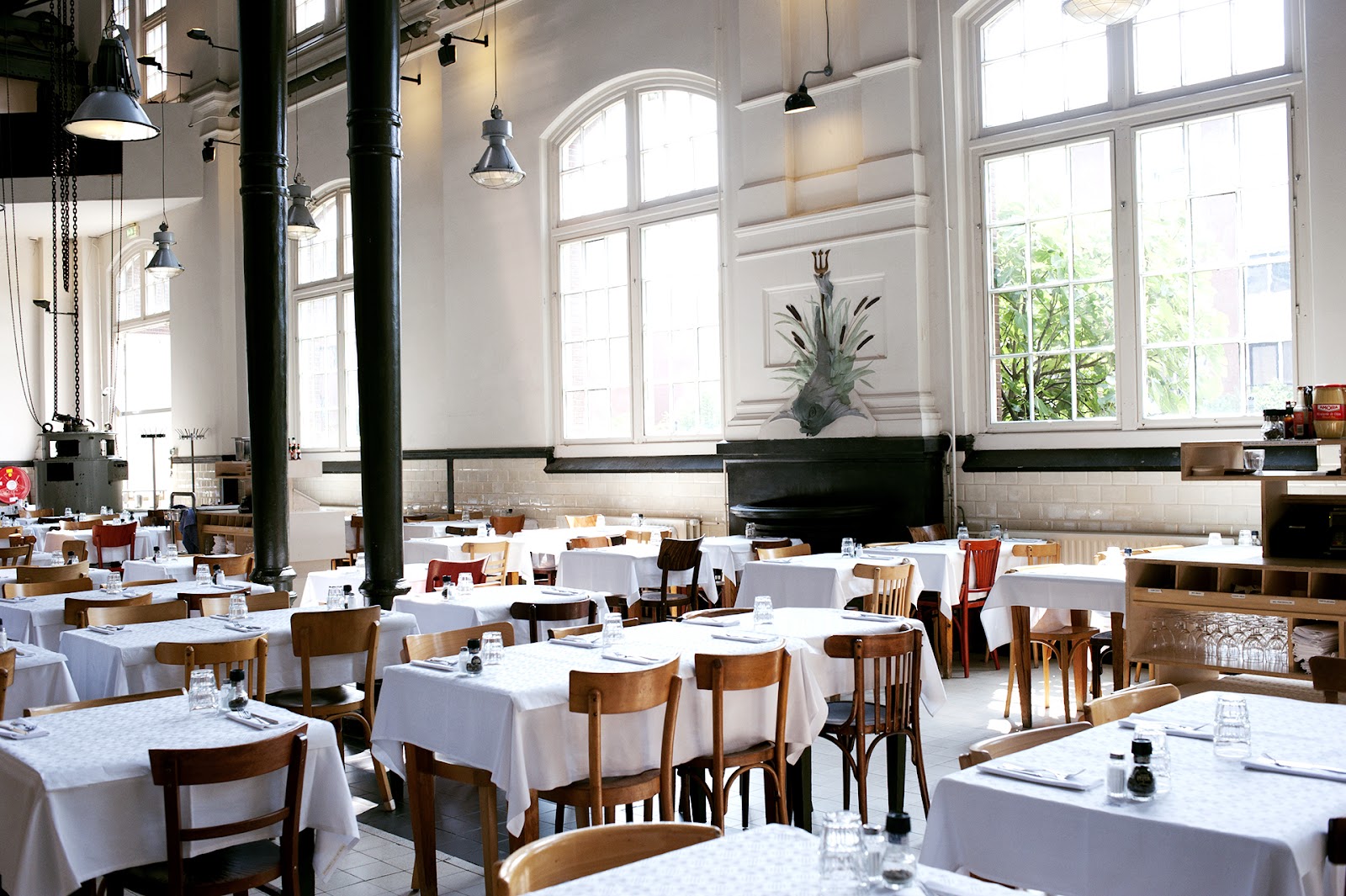
On any given Sunday you might find a market filling the main grass field, a concert warming up inside the cylindrical Gashouder, and children at the long paddling pool out back. The site runs to four hectares and the buildings are all in active use — theatre, restaurants, galleries, event spaces — without any of them having been dramatically reskinned.
💛 What travellers fall for
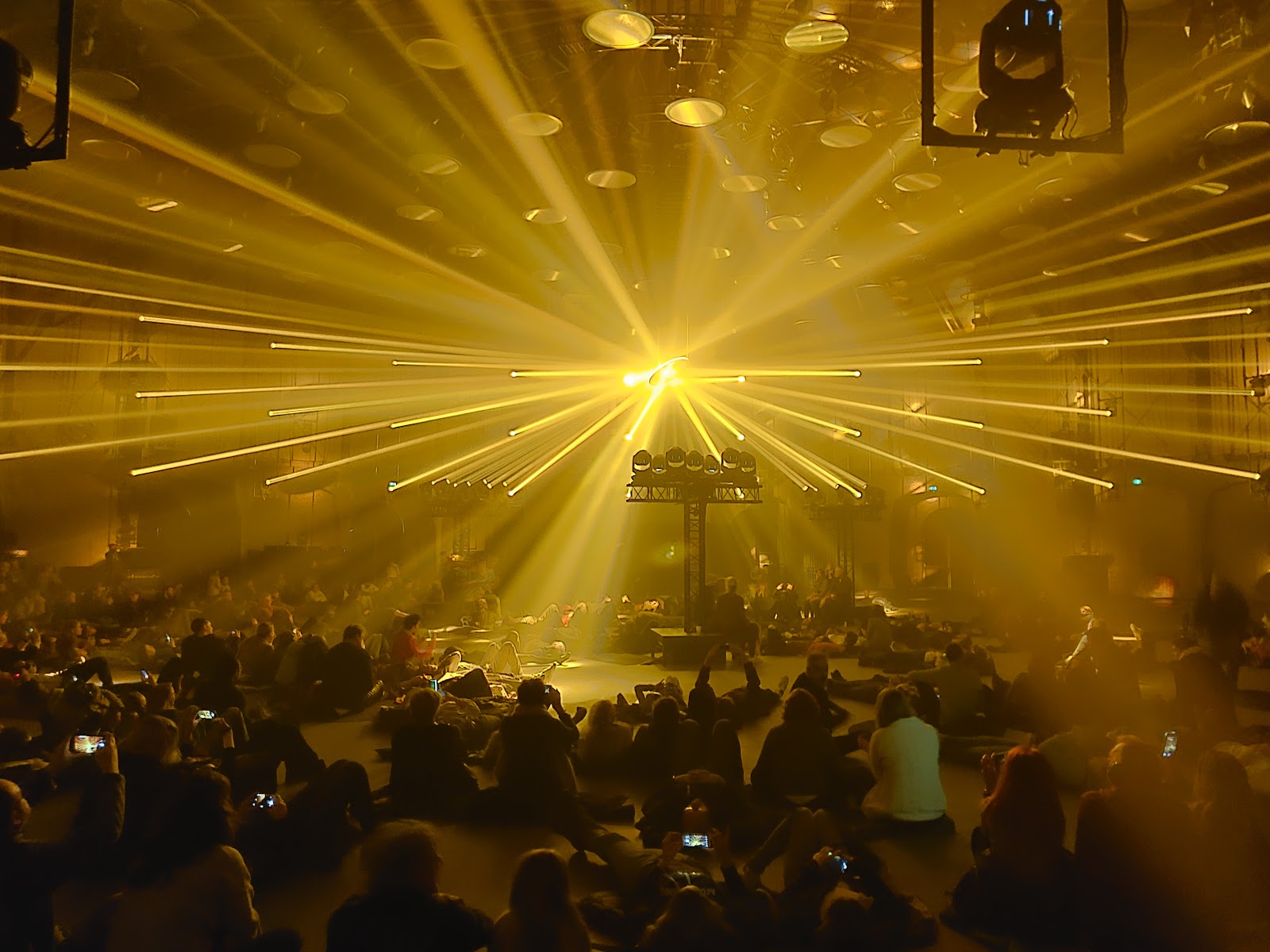
People who return regularly tend to arrive via the Westergas Bridge rather than the main entrance — the 1919 iron crossing over the Haarlemmer trekvaart gives you the whole complex at once. They also check the Gashouder programme before visiting; the acoustics inside that 100,000 m³ cylinder are unlike any other room in the city.
The story behind Westergasfabriek
On 23 July 1883, Amsterdam granted a concession to the London Imperial Continental Gas Association to build a coal-gas plant on a strip of land between the Haarlemmer trekvaart and the city's first railway line. Austrian engineer Julius Pazzani led the technical work; architect Isaac Gosschalk — one of the most influential Dutch architects of the late nineteenth century — designed the buildings in Dutch Neo-Renaissance style. The plant opened in 1885 as the largest gas extraction facility in the Netherlands, supplying the city's street lamps.
Amsterdam bought the operation in 1898 and expanded steadily: the large Gashouder in 1902, the 100,000 m³ gas holder in 1903, a watergas plant in 1904. Production stopped in 1967, and the soil was found to be laced with cyanide and other toxic residues. Youth squatters moved in during the 1980s and arguably saved the buildings from demolition; the city formalised temporary creative leases in 1992. American landscape architect Kathryn Gustafson redesigned the 13.5-hectare site, and in 2003 it reopened as Culture Park Westergasfabriek, renamed Westergas in 2018.
Good to know
Tram 5 drops you at Haarlemmerplein, a short walk east of the site; buses 18, 21 and 22 stop closer. The outdoor park is free and open around the clock. Venues run roughly 10 am to 11 pm. Book ahead for anything in the Gashouder — popular events sell out well in advance.
Amsterdam weather shifts without much warning at any time of year, so a layer you can shed or add is worth carrying. The site's open-air events field is best from late spring through early autumn; winter markets happen but the wind off the canal is sharp.
Where is Westergasfabriek?
More tickets & tours for Westergasfabriek
Book directly at the provider
What travellers say about Westergasfabriek
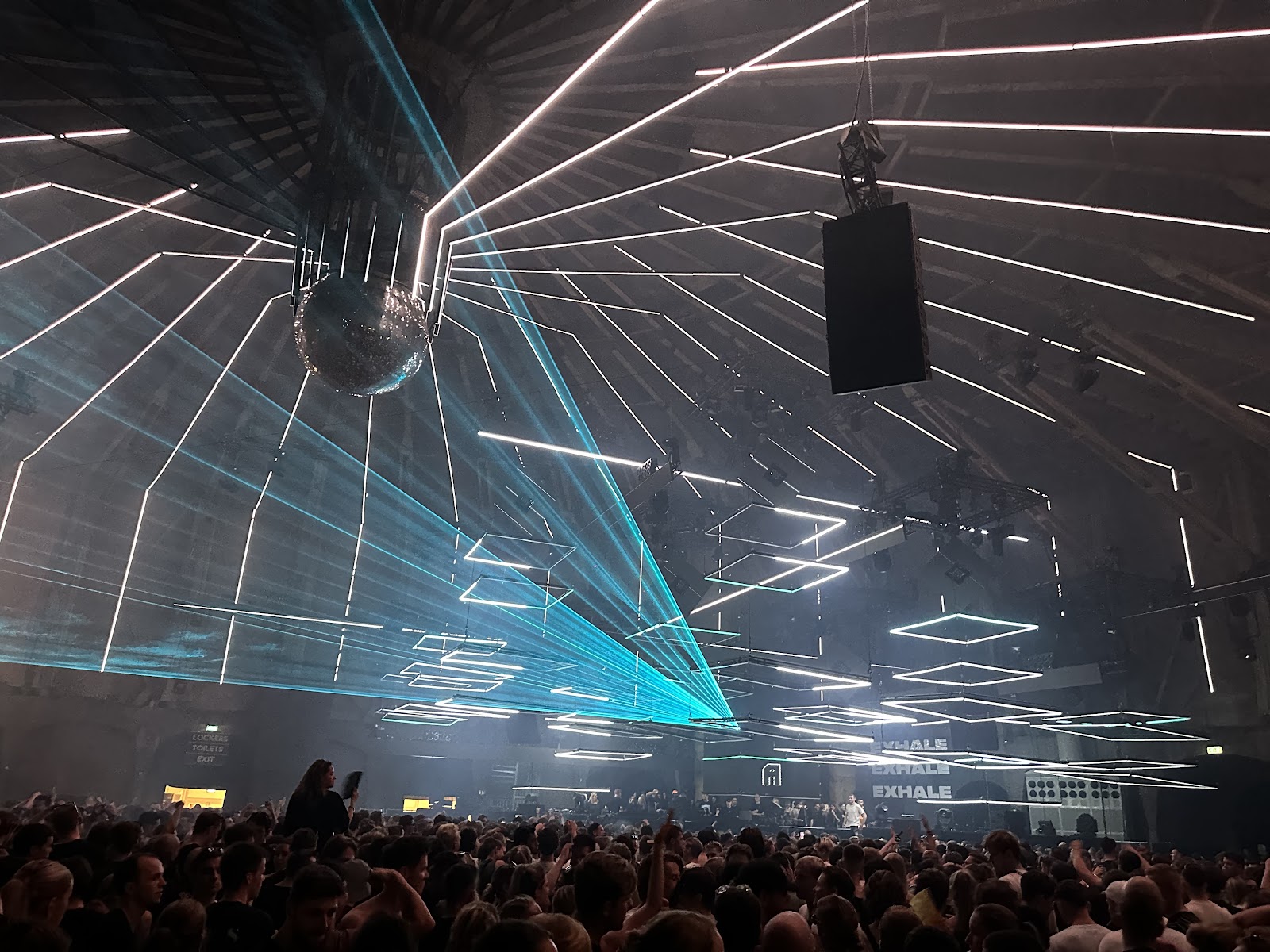
I have been here a few times for shows. It is especially popular during ADE annually. In terms of venues, it has to be one of the top experiences in the world. It’s spacious and has great lighting and sound. There are even occasional fireworks displays inside. For a unique experience, I’d definitely recommend everyone come at least once
It’s an amazing experience going into this event! I went to Awakenings and I really liked the environment , so grateful and people so nice! Beers were 5x 20€ Also, there are some lockers but they are little, just a little backpack or handbag would fit into it. Lockers 10€ Just to let you guys know :-) Hopefully I’ll see you again Gashouder 🫂
My goodness, you Dutchies are fortunate to have this place as a venue for loud music and dancing. Took my breath away the moment I walked into the arena, with the scale of the place and the quality of the sound. I've been raving for nearly forty years now, and this venue goes down as one of my favourites over that time. The conversion from its previous purpose to what it is now is a marvel, and has been beautifully executed as the structure is a beauty of engineering and the repurposing to this extent, presumably meant that it didn't end up getting demolished.
Gashouder Westergasfabriek offers an exceptional setting for festivals, and it was perfect for the Awakenings event I attended with a friend. The venue itself is impressive, but what really sets it apart is the extraordinary service from the friendly staff. I was particularly struck by their innovative sustainability efforts. They have a unique system where you can exchange used cups and bottles for tokens, which you can then use to buy more drinks. This not only keeps the place tidy but also encourages a fantastic recycling habit among attendees. This initiative is a brilliant example of how venues can promote environmental responsibility while enhancing the festival experience. I believe clubs and event spaces worldwide should consider adopting a similar system. Visiting Gashouder Westergasfabriek is highly recommended for a thoughtfully organized, memorable event experience!
The best event venue you could wish for! We were there for ADE. There are lockers you can rent for your things and easy to bike there from the city center.
More of Westerpark
Discover where to stay, what to do and the best deals for your trip.
Explore Westerpark →More attractions in Westerpark
All of Westerpark →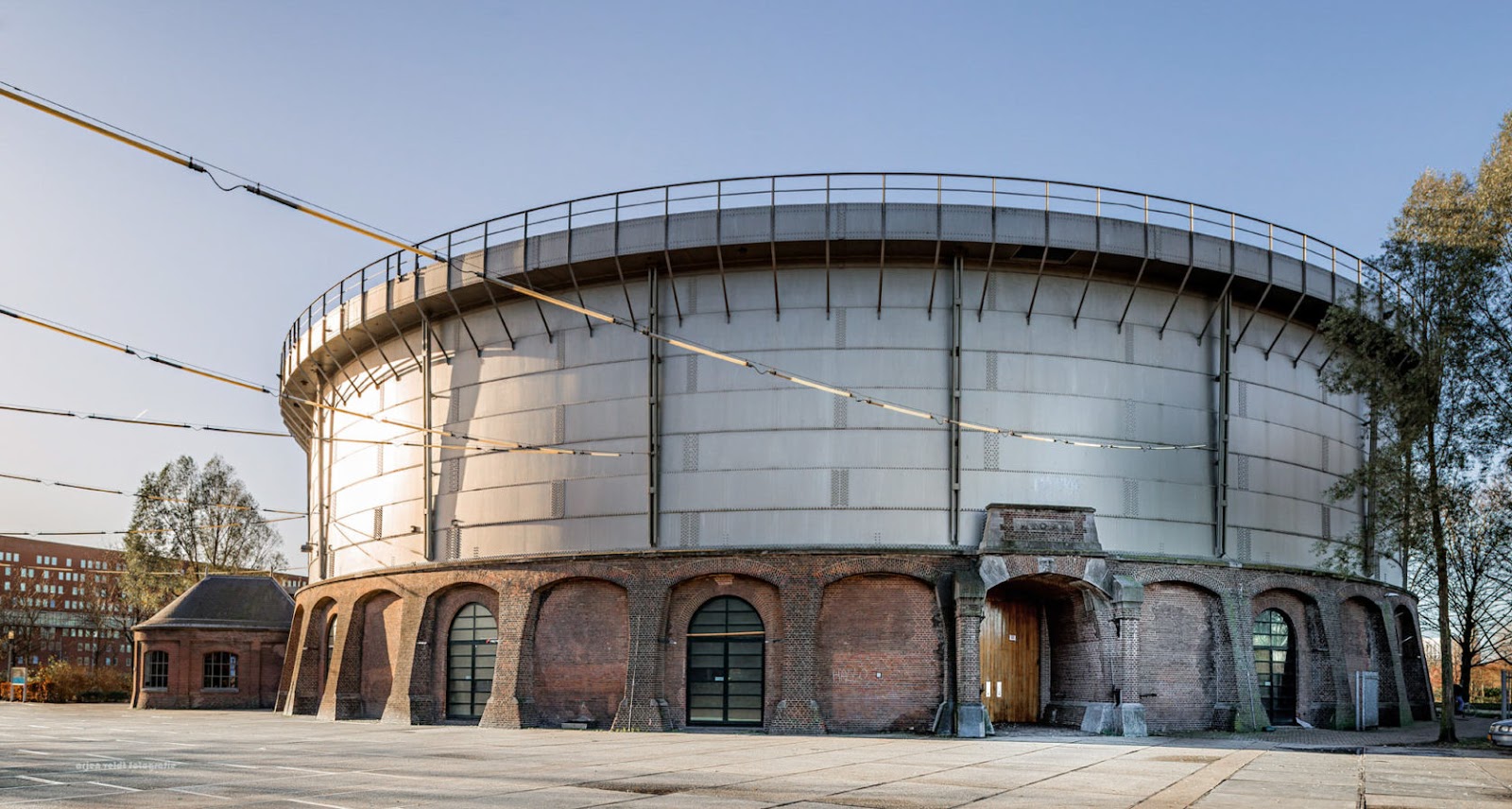

Background adapted from Wikipedia (CC BY-SA) · map data © OpenStreetMap contributors · ratings & place photos via Google · other photos with per-image credit. Ticket links may earn us a commission at no extra cost to you.