
Westerpark Playground
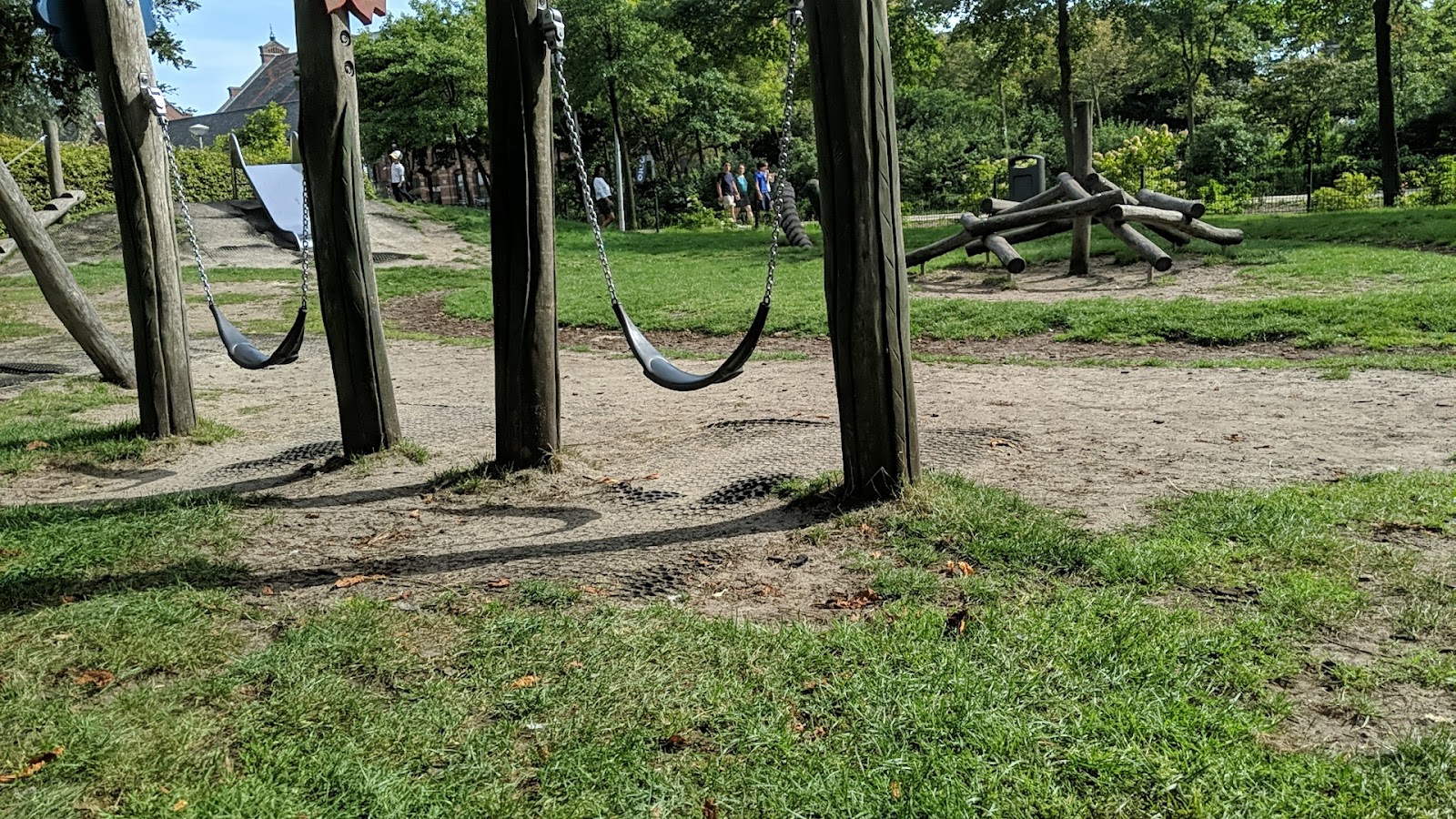
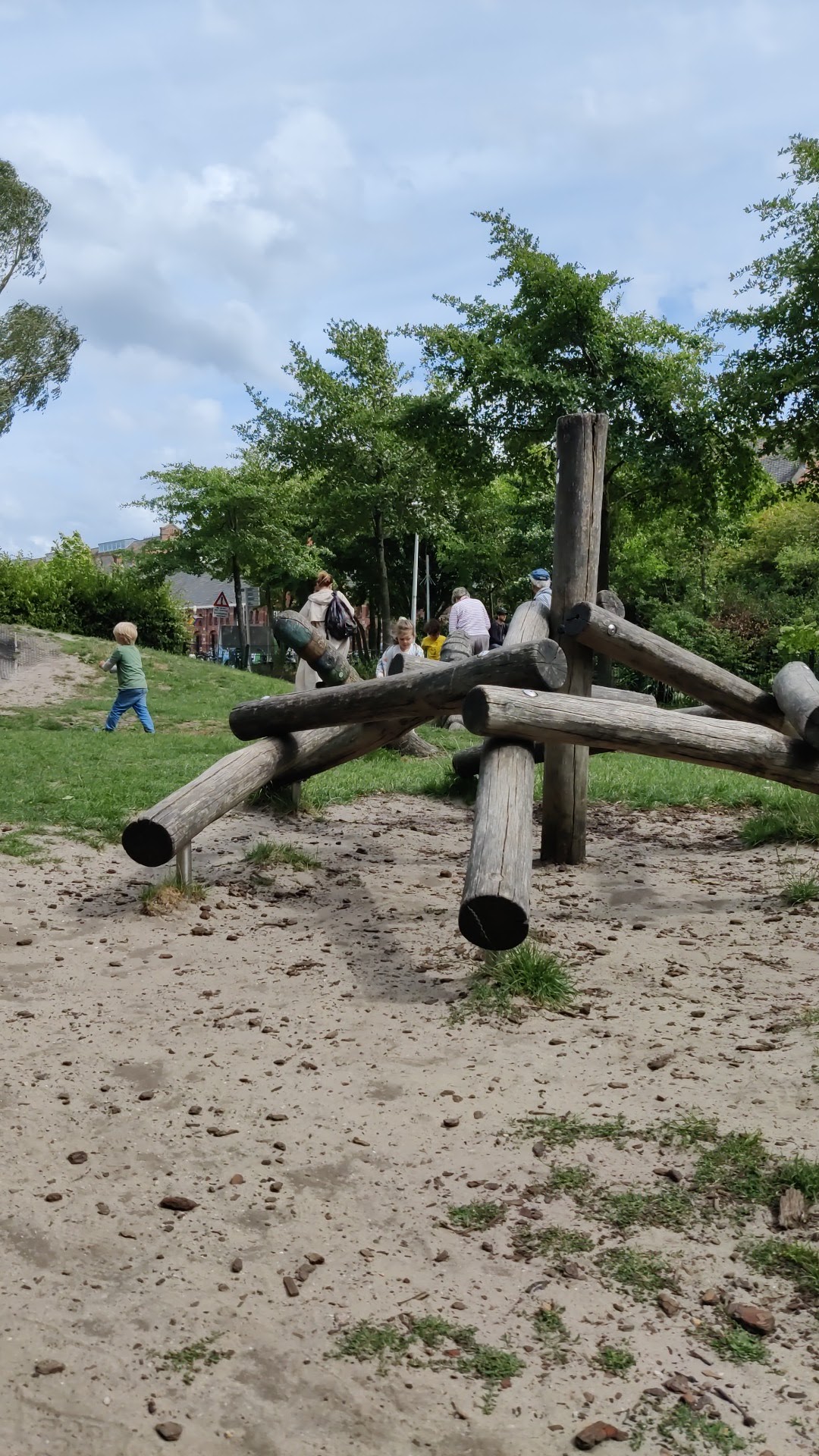
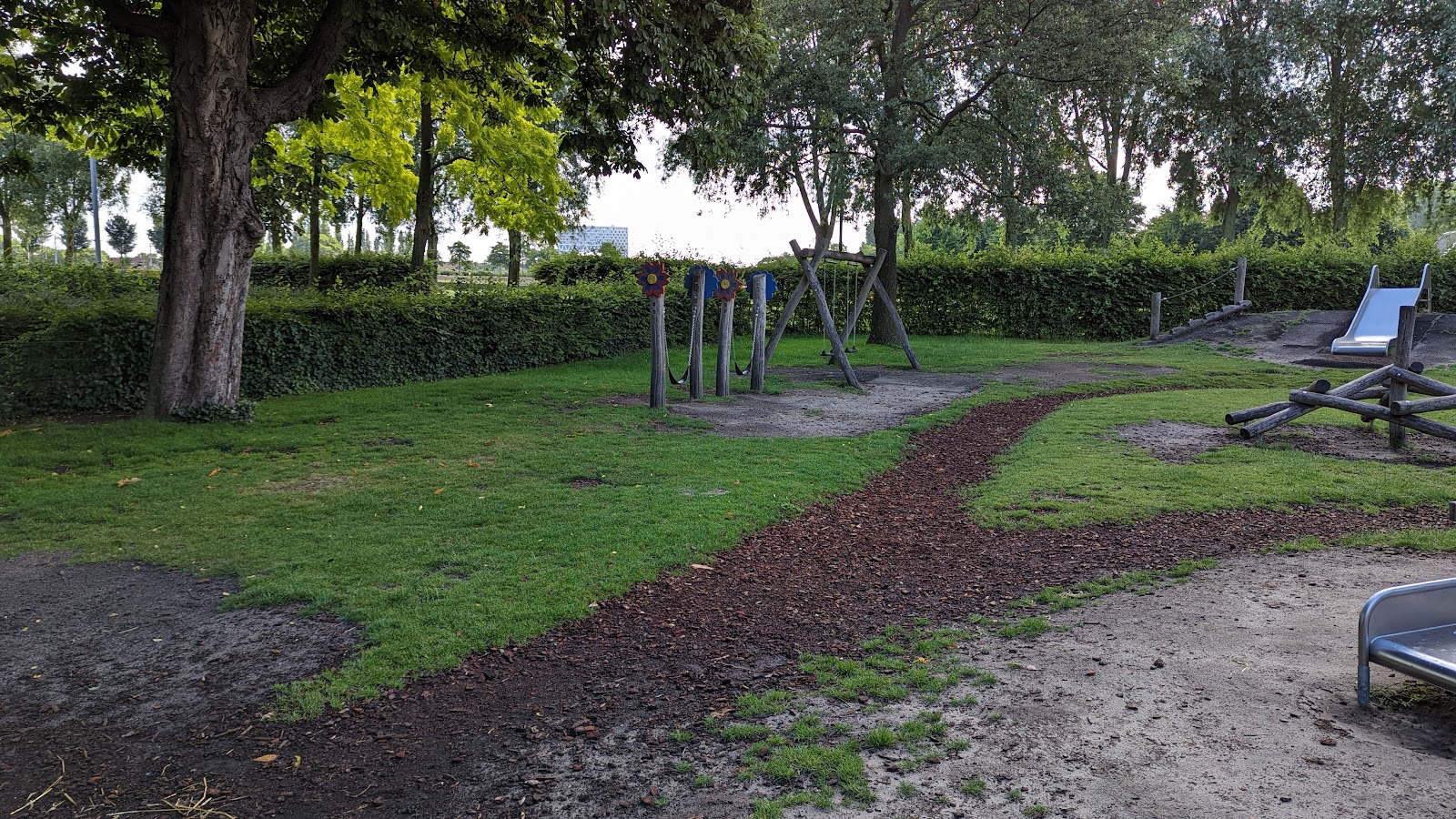
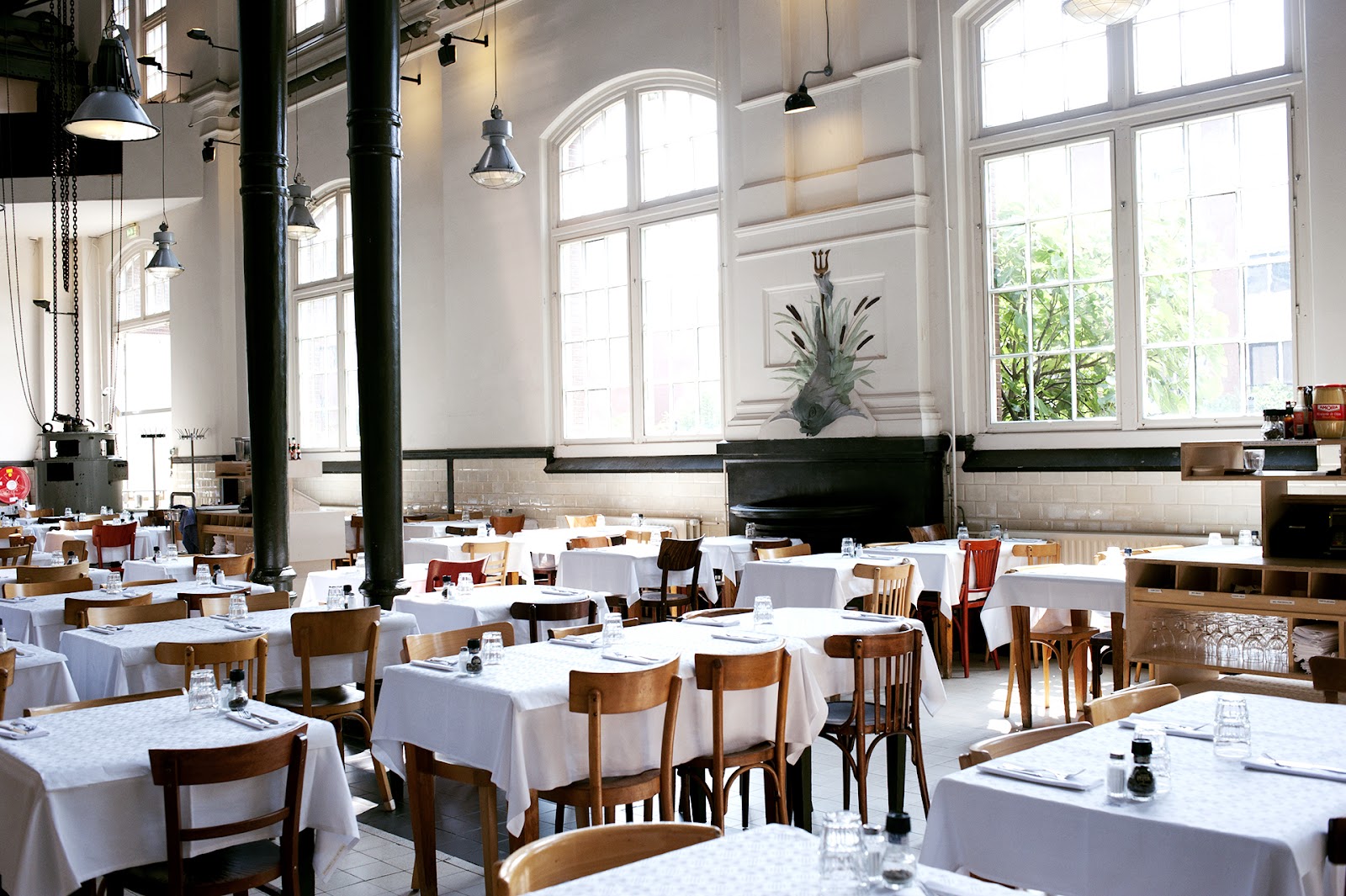
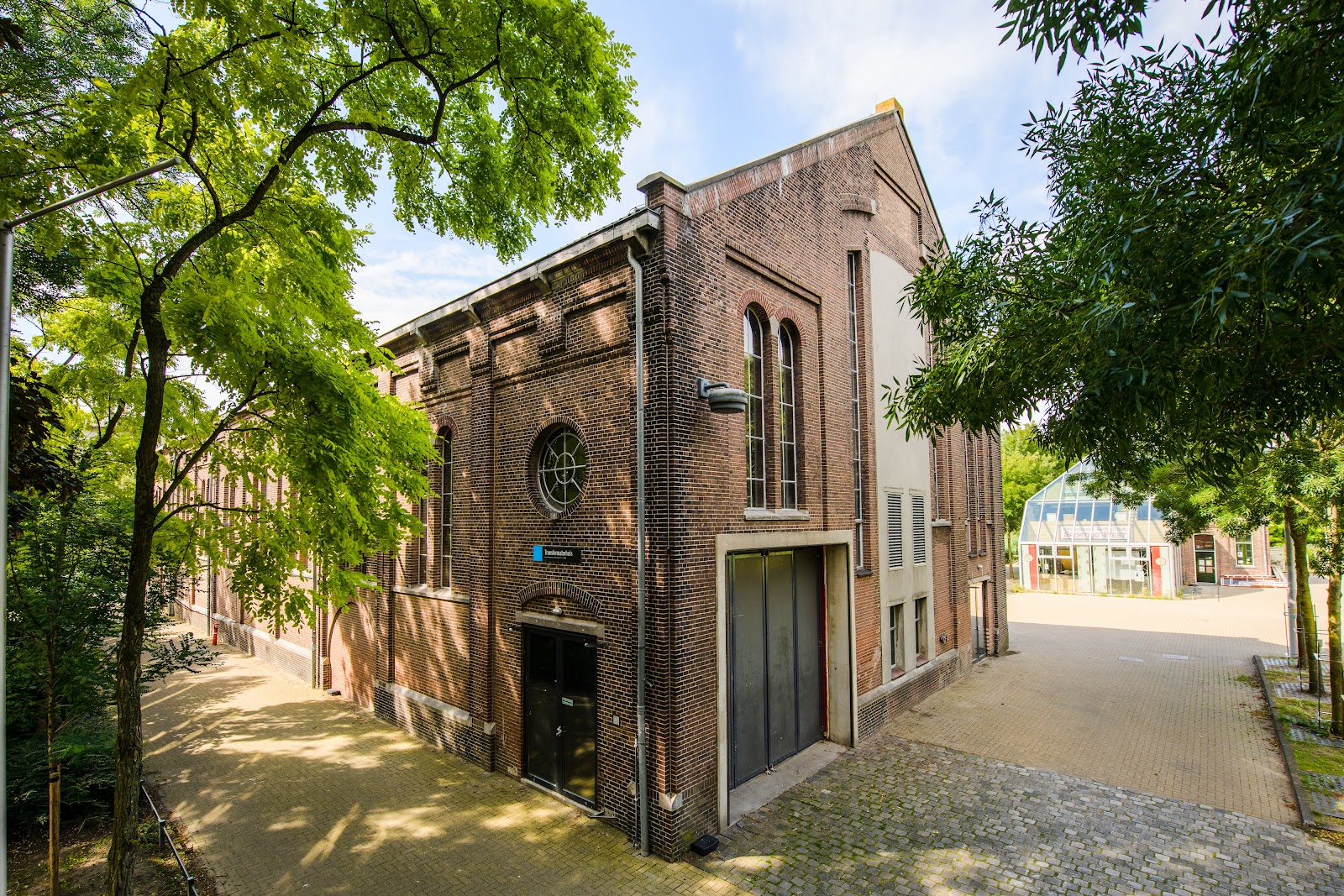
Westerpark is the kind of park where children disappear into mud and reeds at Woeste Westen — a deliberately rough nature playground where rafts float on shallow water and trees are for hiding in, not admiring — while their parents find a bench by the pond and don't move for an hour. The old Westergasfabriek buildings loom in Dutch neo-renaissance brick at the edge of the grass, repurposed now into cafés and cinema screens, giving the whole place an industrial memory that a purpose-built park never quite achieves.
Animals roam freely at Kinderboerderij Westerpark, the petting farm tucked into the grounds, where goats and sheep wander among small children with no barriers between them. From mid-April to late October, a wedding-dress sculpture by the collective Patchwork floats on the park pond — one of those details that rewards the people who slow down.
💛 What travellers fall for
Regulars tend to time a visit around the first Sunday of the month, when the Sunday Market takes over the Westergasfabriek terrain. The pond's eastern bank, near the entrance, is consistently quieter than the rest of the park — worth knowing when the market draws a crowd. The Ketelhuis cinema on the factory site is a reliable wet-afternoon option.
The story behind Westerpark Playground
The land has been remade twice. A garden called Westerplantsoen opened here in 1845, meant to give a working-class neighbourhood some relief from industrial air — then was demolished in 1891 to make way for the relocated Western Canal. Landscape architect Leonard Springer designed the replacement park in 1890.
Alongside it, from 1883 onward, the Imperial Continental Gas Association ran a gasworks on the adjacent site, its buildings drawn up by architect Isaac Gosschalk in Dutch neo-renaissance style. Amsterdam's switch to natural gas in the 1970s left the factory empty. After years of debate, the city commissioned American landscape architect Kathryn Gustafson to prepare a master plan in the early 1990s — one that kept Gosschalk's buildings standing rather than clearing the brownfield. Francine Houben of Mecanoo joined the effort after winning a 1997 design competition. The full park opened to the public in 2003.
Good to know
Tram 10 (stop Van Hallstraat) drops you at the edge of the park; bus 22 from Centraal Station takes about nine minutes. Entry to the park itself is free. Arrive on a weekday morning if you want Woeste Westen without the weekend queue of school groups.
Amsterdam summers are mild and the park is at its most active from May through September, when the pond sculpture is afloat and the Sunday Market runs reliably. Winter visits are quieter and often grey, though the brick Westergasfabriek buildings hold their atmosphere in low light.
Where is Westerpark Playground?
More tickets & tours for Westerpark Playground
Book directly at the provider
What travellers say about Westerpark Playground
Nice and clean! Enough trees and shade to lay a blanket under. Our son really enjoyed it.
No swing for babies, and the sand is dirty. For old children (above 3yo) is okay ish.
Small but nice.
Nice playground in the middle of the Westerpark
More of Westerpark
Discover where to stay, what to do and the best deals for your trip.
Explore Westerpark →More attractions in Westerpark
All of Westerpark →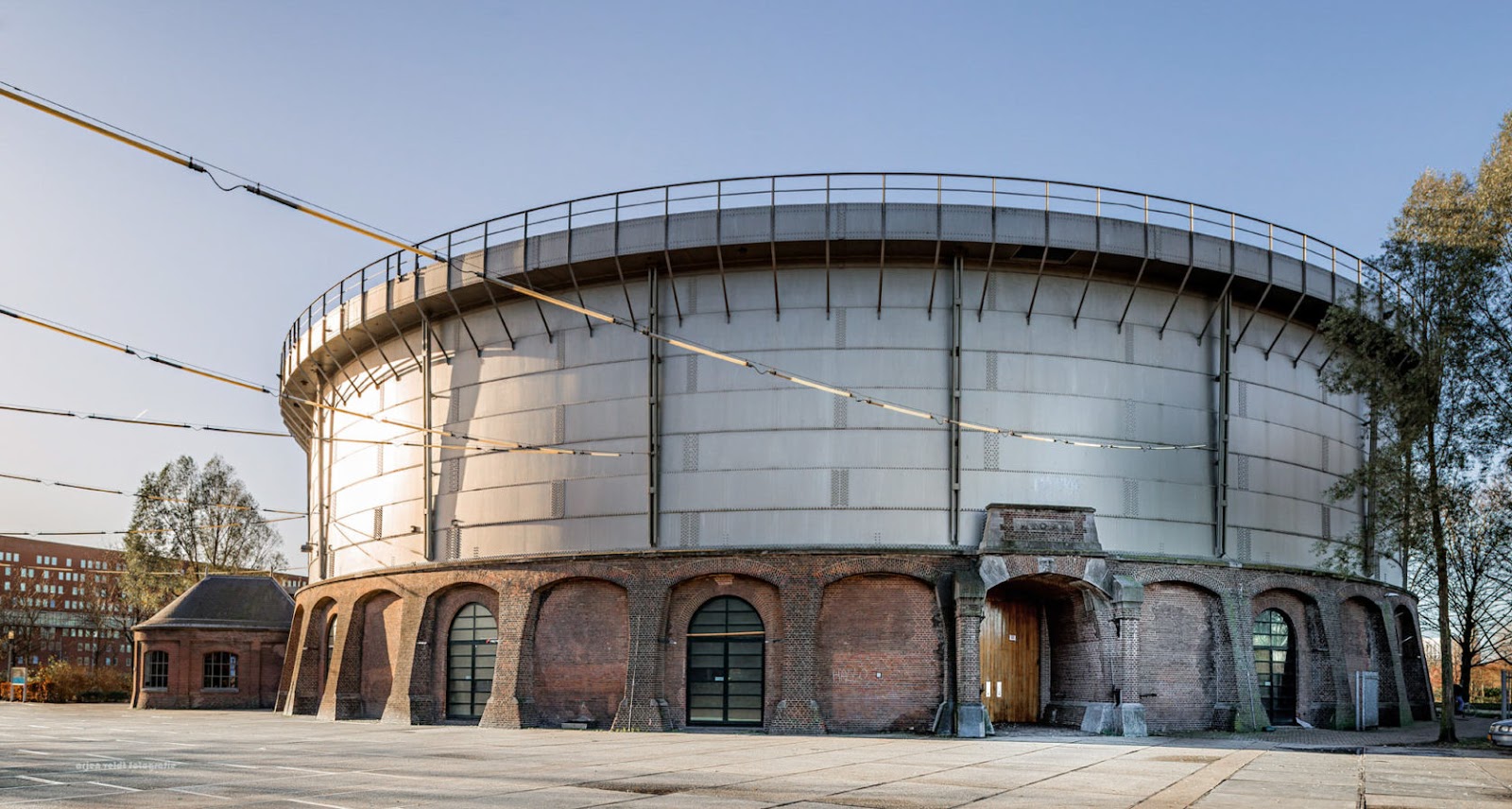

Background adapted from Wikipedia (CC BY-SA) · map data © OpenStreetMap contributors · ratings & place photos via Google · other photos with per-image credit. Ticket links may earn us a commission at no extra cost to you.