
De Pijp
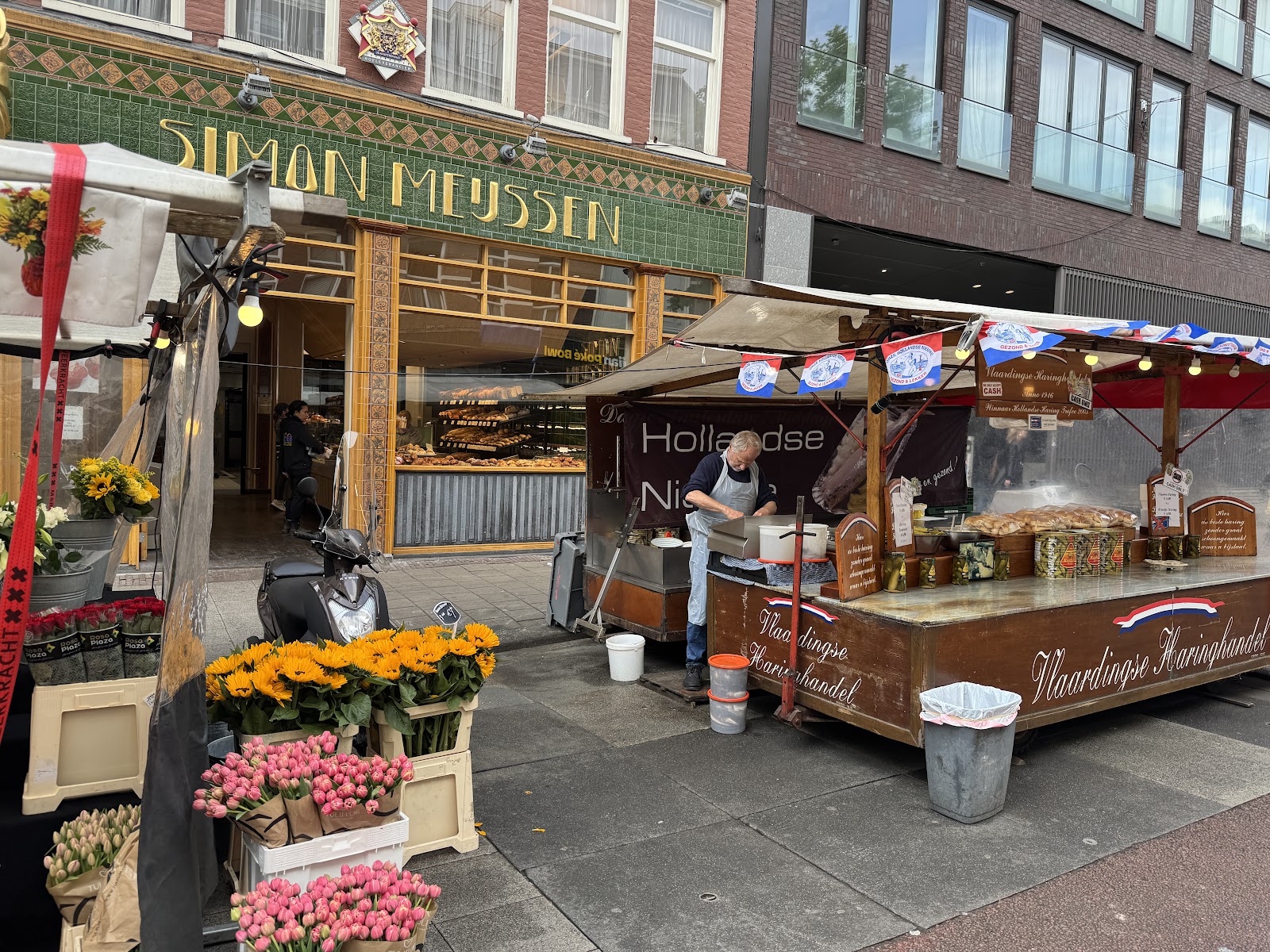
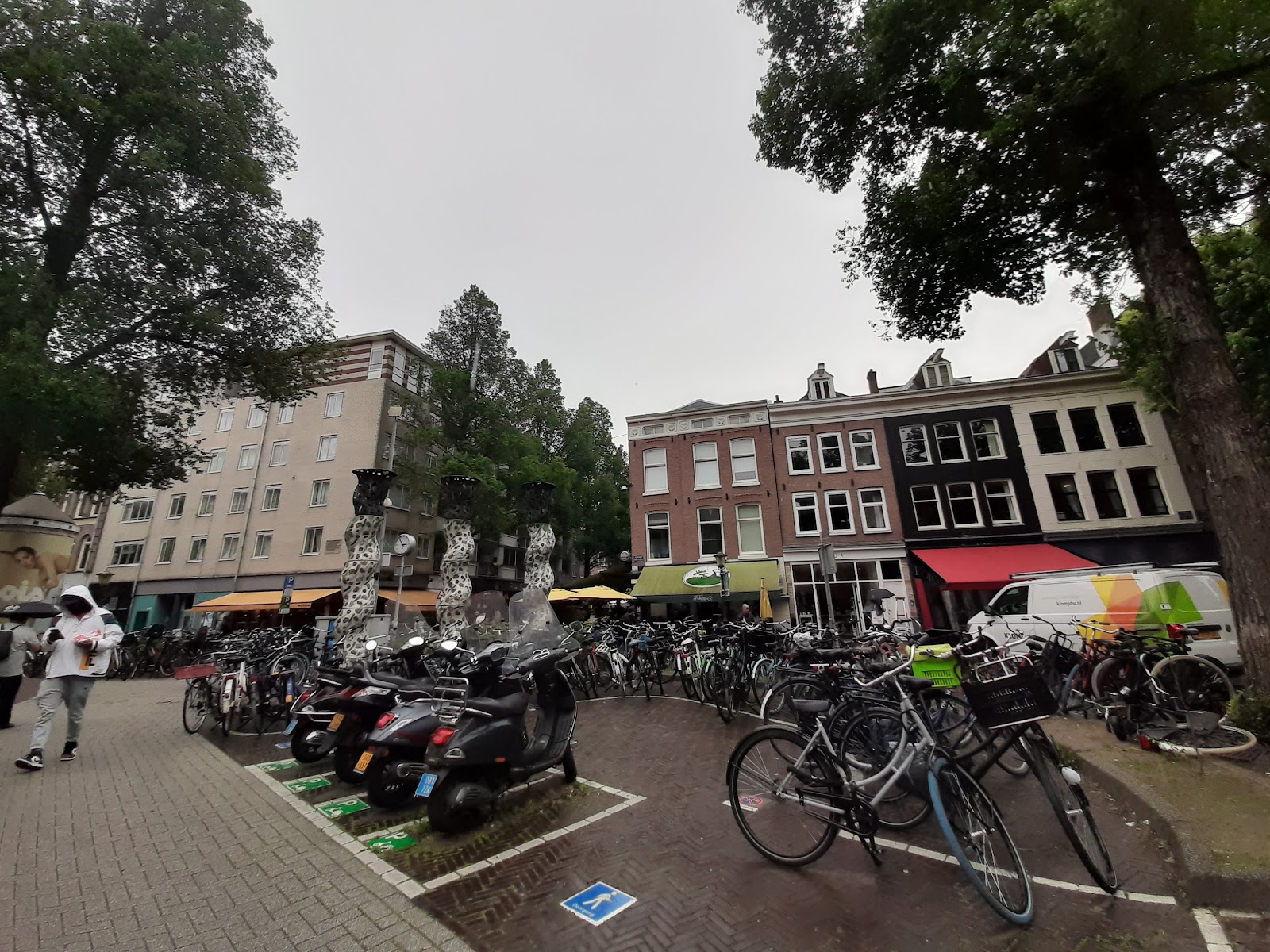
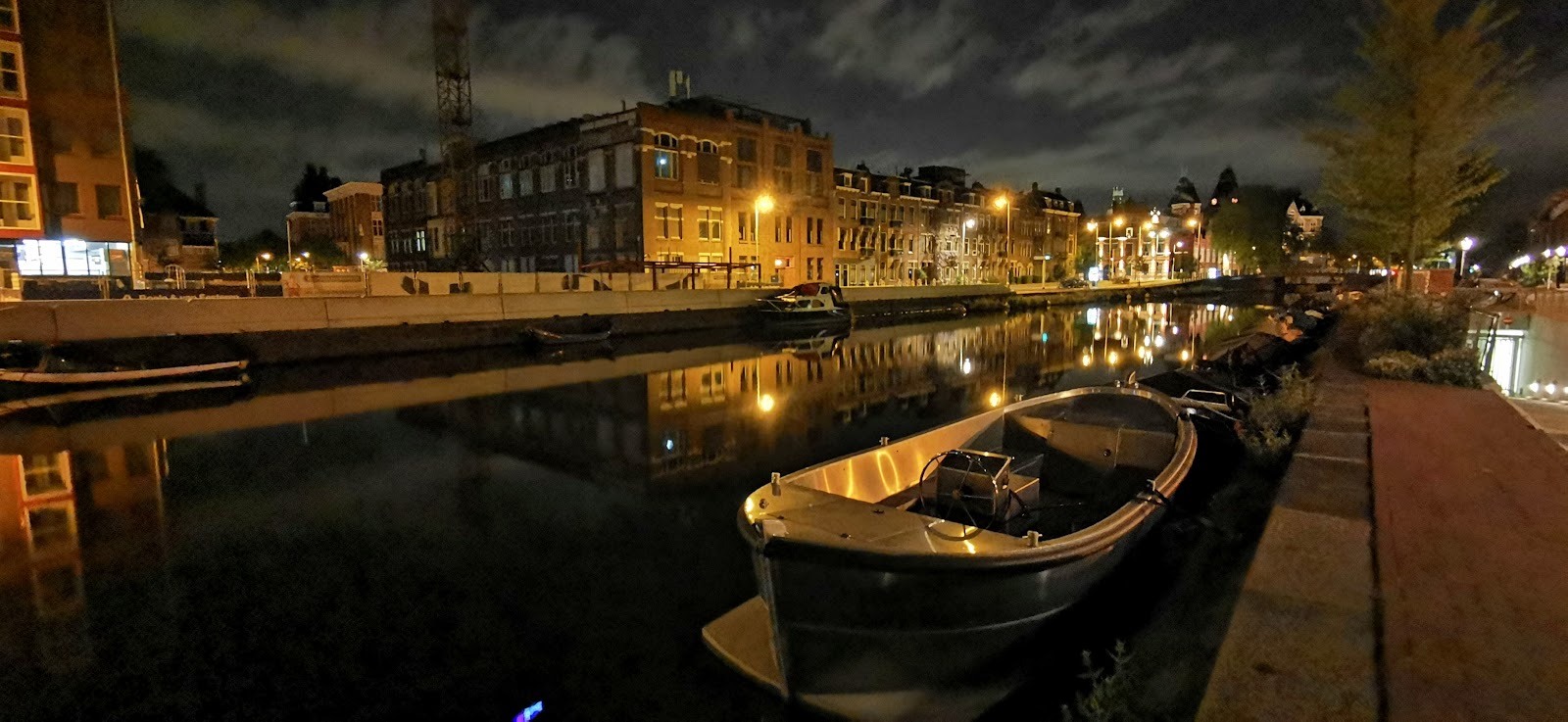
Stand at the Albert Cuyp Market on a weekday morning — 260 stalls, raw herring, stroopwafels still warm from the iron — and you get De Pijp in miniature: working-class bones, cosmopolitan present. The neighbourhood went up fast and cheap from 1870 onward, rows of narrow brick tenements crammed into a polder grid, and the density that once signalled poverty now makes it one of the more walkable, lived-in corners of the city.
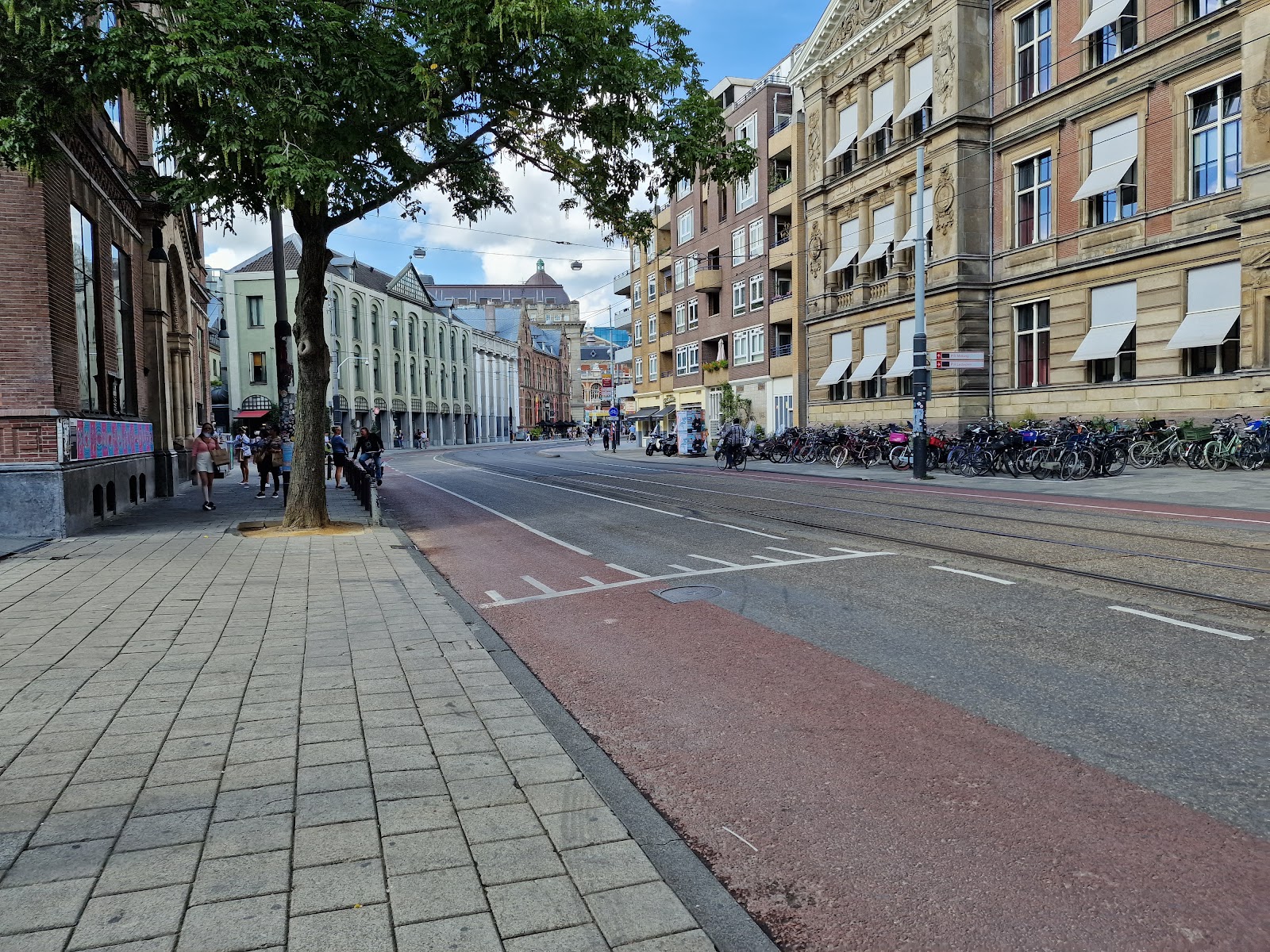
What sets De Pijp apart from the grander districts nearby is a certain lack of self-consciousness. The streets are residential rather than monumental, the cafés are full of regulars, and the architecture ranges from the jerry-built 19th-century terraces of the north to the sculptural Amsterdam School brickwork of the Diamantbuurt in the south.
💛 What travellers fall for
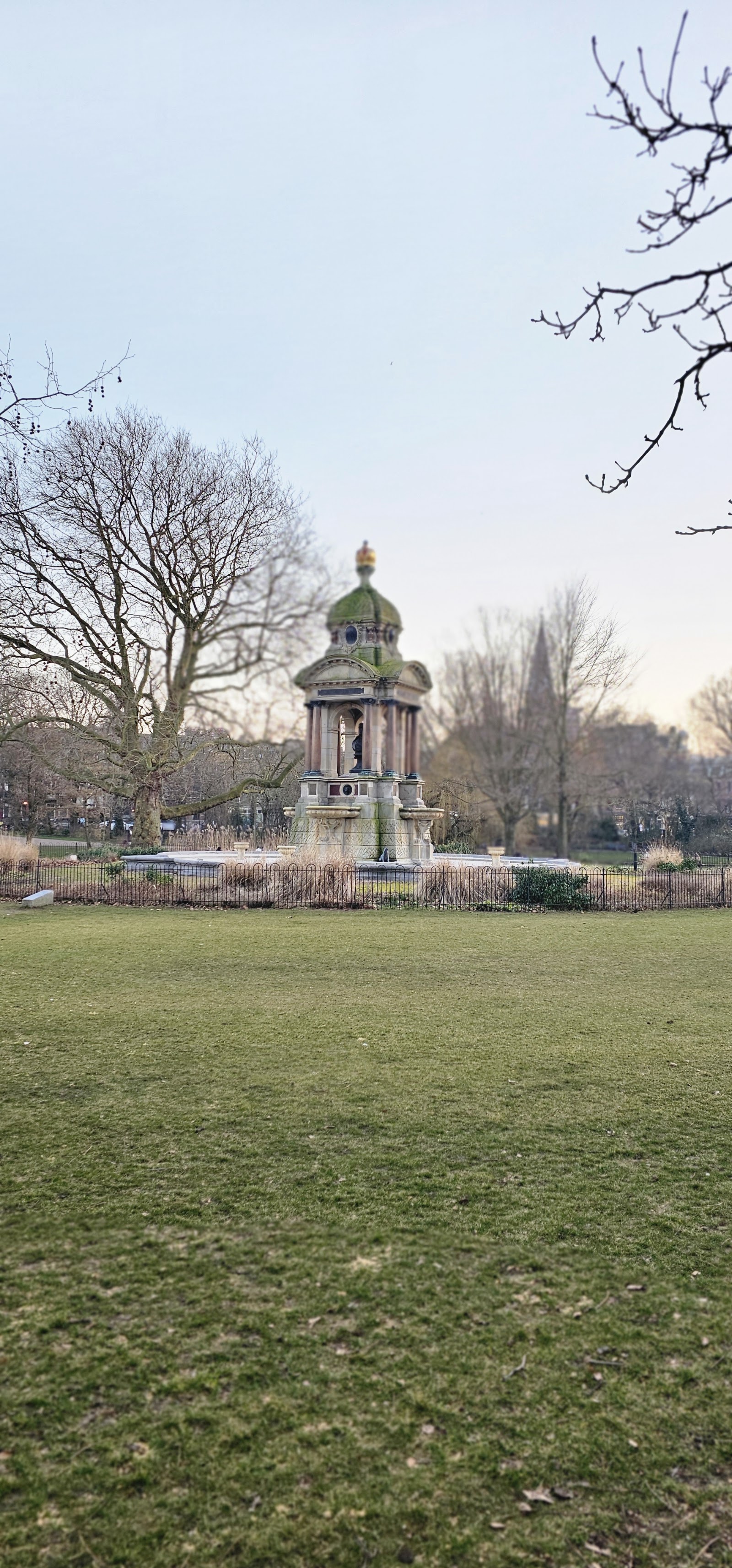
People who come back tend to anchor their days at Sarphatipark — coffee on a bench, watch the park fill up — before the market crowds arrive. The Rialto Cinema keeps pulling them in on wet evenings. And the De Dageraad visitor centre, free on weekends, consistently surprises people who assumed it was just another housing block.
Deals in De Pijp
Book directly at the provider

How De Pijp came to be
De Pijp was born out of rejection. In 1866, city engineer Van Niftrik submitted an ambitious expansion plan for Amsterdam's edges; the council turned it down. Construction began anyway in 1870, guided eventually by Jan Kalff's 1876 plan — built quickly, built cheaply, for workers who had little choice about where they lived. The long, straight streets and thin plots earned the area its pipe-like nickname.
The southern fringe tells a different story. Around 1925, the Diamantbuurt rose under the influence of H.P. Berlage's 1917 Plan Zuid, and architects Michel de Klerk and Piet Kramer gave the socialist housing corporation De Dageraad something that poor housing had rarely been before: genuinely beautiful. Those curved brick facades remain some of the most considered residential architecture in the city.
Who and what shaped it
People who shaped it
Landmark buildings
See De Pijp in motion
Plan your visit
On the map
When to go
Amsterdam's weather is consistent in its inconsistency — mild but grey for much of the year, with the best light arriving in May, June and early September. The market and the park are reasons enough to visit in summer, but the neighbourhood's covered cafés and cinema make it equally worth a winter afternoon.
Right now
↡ Attractions
Background & history adapted from Wikipedia (CC BY-SA) · specs from Wikidata (CC0) · weather from Open-Meteo · map data © OpenStreetMap contributors · photos from Wikimedia Commons / Unsplash with per-image credit. No third-party reviews or social posts reproduced.