
Albert Cuypmarkt
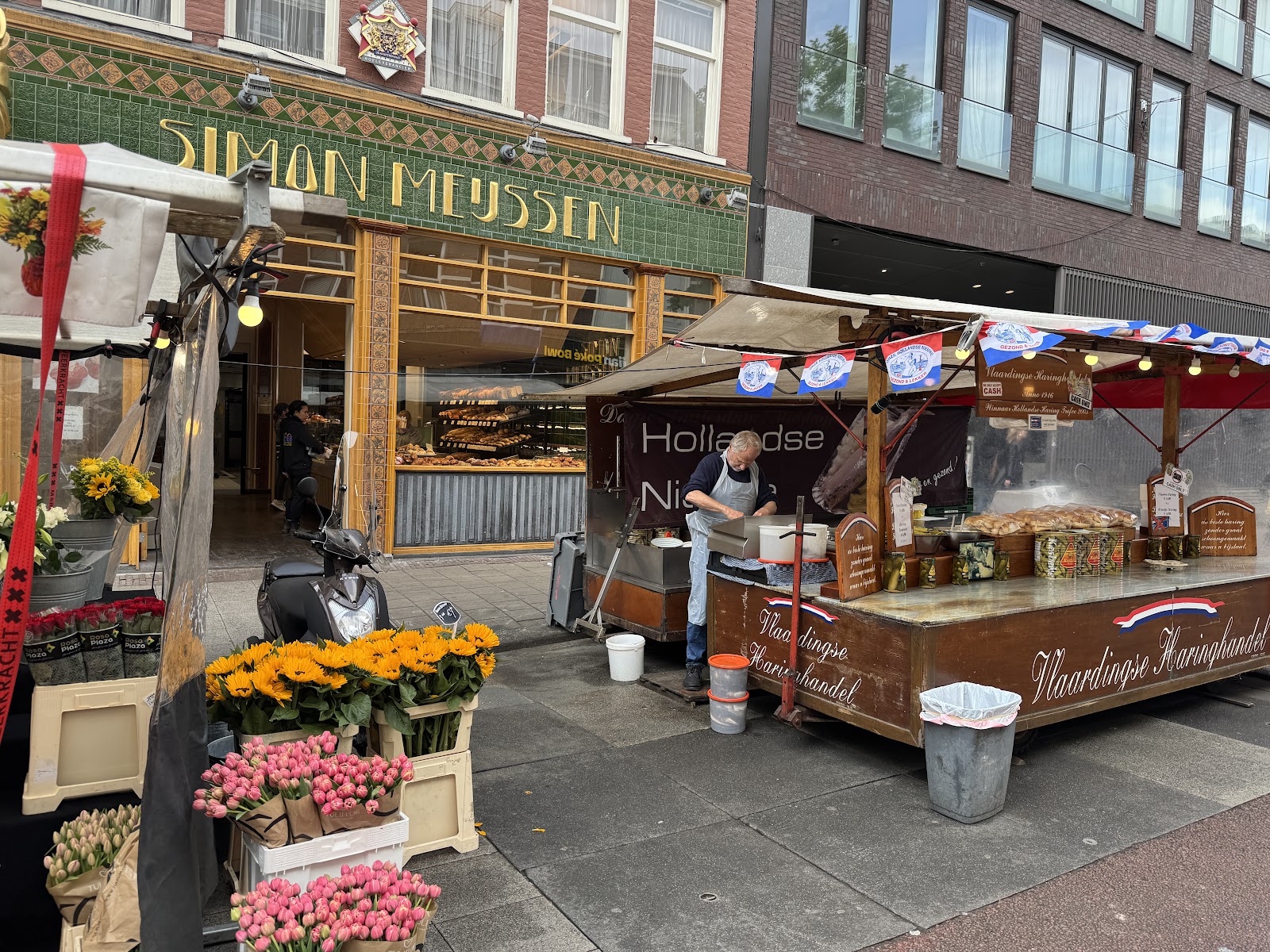
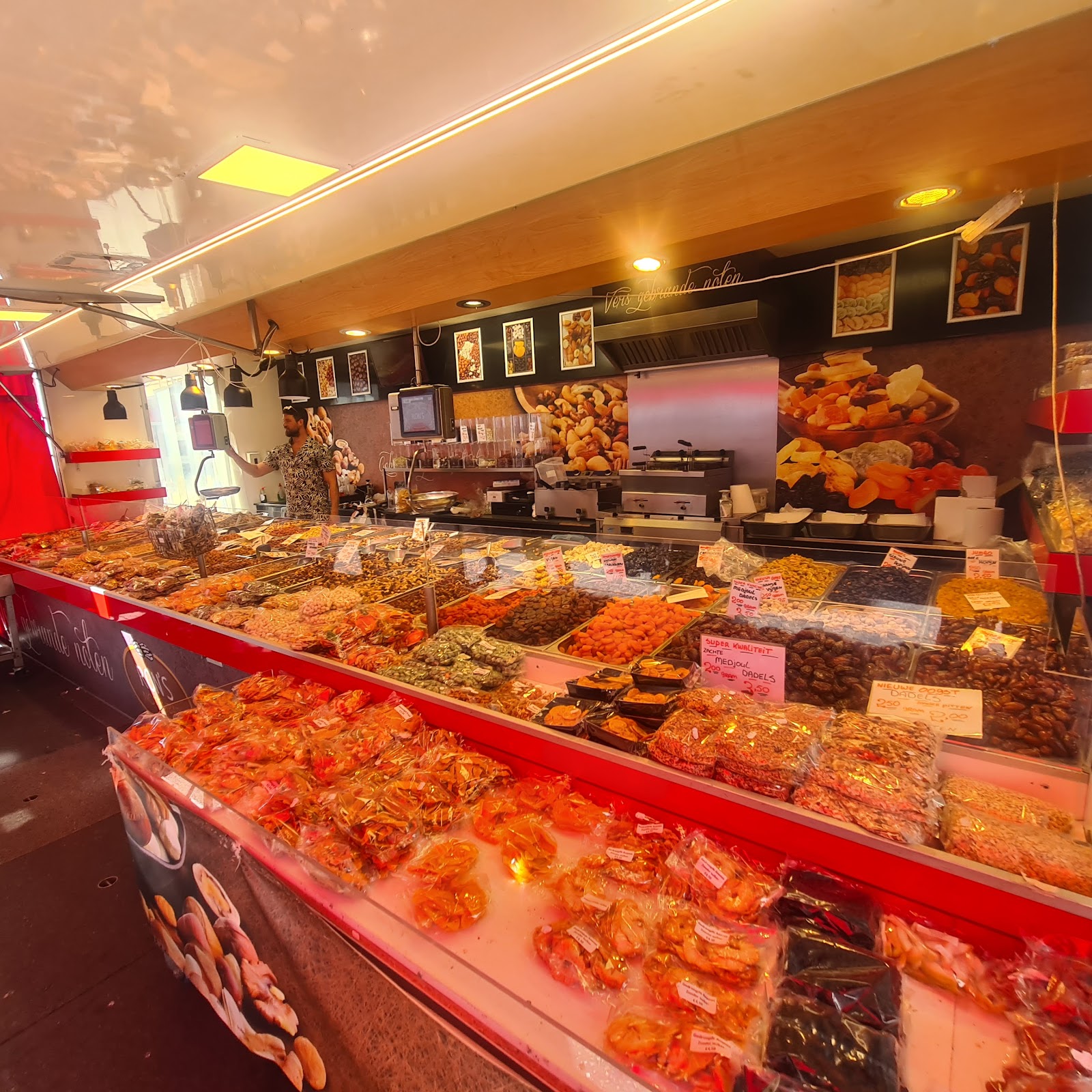
The stalls begin at Ferdinand Bolstraat and keep going for a full kilometre — raw herring, stroopwafels still warm from the iron, bolts of fabric, buckets of tulips, loose spices sold by the scoop. Around 260 vendors line Albert Cuypstraat on any given weekday, and on Saturdays that number swells along with the crowd.
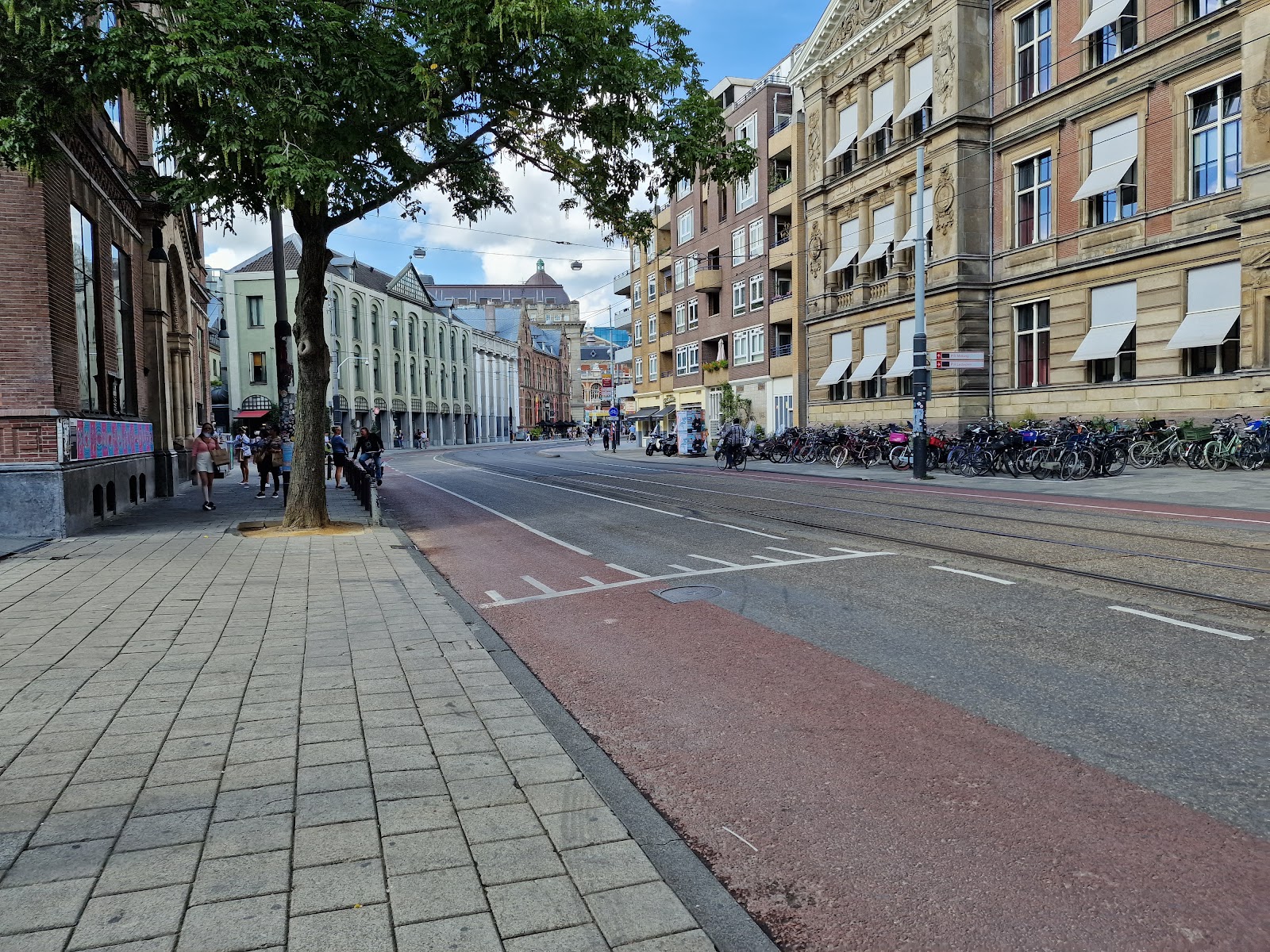
The buildings on either side do their own thing: ground floors given over to international restaurants, boutique clothing, and the kind of cheese shops that don't need to advertise. You're shopping twice at once, which is either efficient or dangerous depending on your self-control.
💛 What travellers fall for
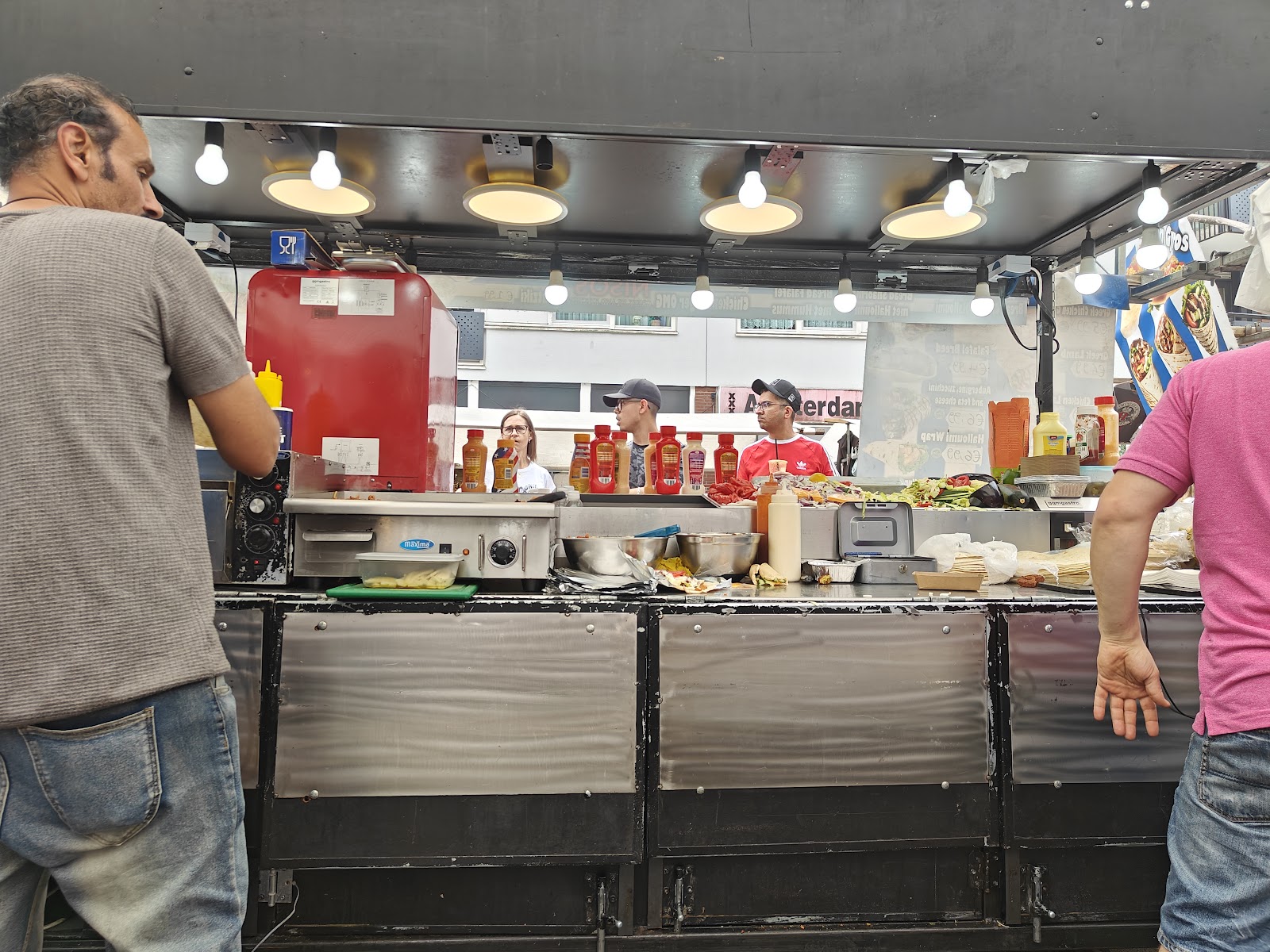
People who come back tend to time it the same way: weekdays around 10am, when the stalls are fully set up and the street is still walkable. Saturday loyalists go the opposite direction — arriving right at 9:30 or waiting until after 3:30, when the crowds thin. Bring cash; a lot of the food vendors either prefer it or require it.
The story behind Albert Cuypmarkt
De Pijp was built out by 1904 as a working-class neighbourhood, and street traders followed almost immediately. The city formalised things in 1905 with an official Saturday-evening market; by 1912 it had shifted to daytime hours across six days a week. The street itself is named for Albert Cuyp, the 17th-century Dutch Golden Age painter known for his luminous landscapes, who died in 1691.
The 1930s left a mark. Many vendors were Jewish, and during the German occupation they were barred from trading — a period the market has never entirely set aside. Post-war, De Pijp gradually absorbed waves of Surinamese, Antillean, Turkish, and Moroccan communities, and the market's produce and spice stalls shifted with them. That layering is still visible in what's on offer today.
Good to know
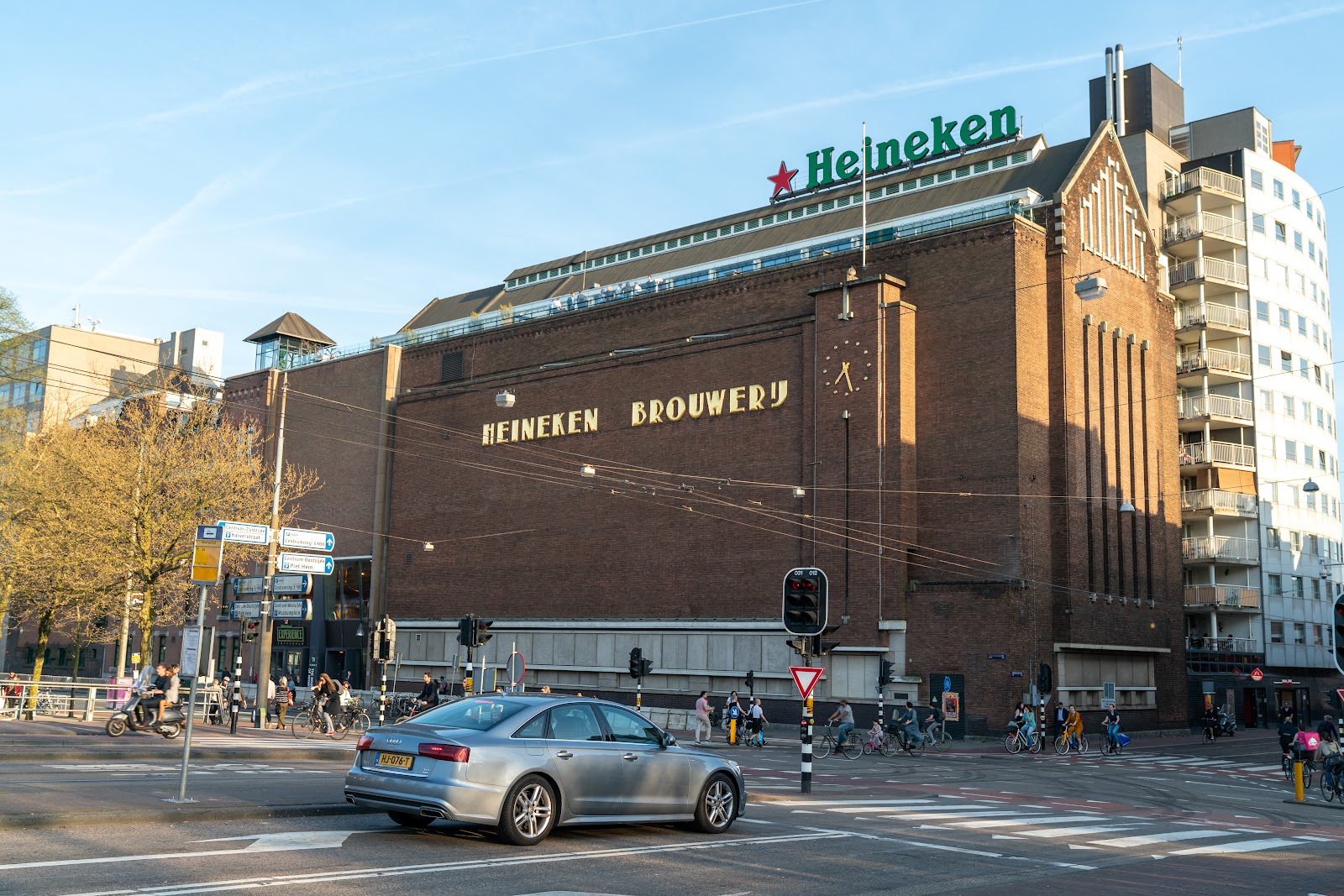
Metro 52 drops you at De Pijp station, both exits point toward the market. Tram 24 stops at nearby Marie Heinekenplein, a two-minute walk. Hours are 9:30am to 5pm, closed Sundays. Stalls begin packing up before closing time, and the end-of-day scramble is not leisurely — budget 60 to 90 minutes.
May through September is the most reliable window — mild temperatures, longer days, and vendors who actually show up. The market officially stays open in bad weather, but rain and wind empty the stalls fast; a grey Tuesday in February can feel like a different place entirely.
Where is Albert Cuypmarkt?
More tickets & tours for Albert Cuypmarkt
Book directly at the provider
What travellers say about Albert Cuypmarkt
Definitely a must do in Amsterdam to get a wild experience in this market. You can find clothes, food of all types, vegetables, fruits and seafood (incl oysters). All the food in the photos i enjoyed. The good surprise were the meatballs which were very tasty, with a bit of spicy. The bun i had to wait for good 30 min, the pulled pork bun was different in taste than the american one, but was worth the wait. The stroopwafels at Rubi was tasty - you need to know that the original one also has caramel inside so it ia sweet as well - yummy.
One of those places that surprises you. It’s loud, colorful, and completely alive; a mix of cultures, smells, and sounds that you don’t find in many markets anymore. You’ll walk past Dutch stroopwafels and Indonesian spices within the same minute, which tells you everything about what makes it special. Sunday morning visit is the perfect visit. The light is good, the pace is relaxed, and you’ll almost certainly leave with something you didn’t plan to buy. Highly recommended.
Lively market, great for exploring and casual strolling Albert Cuyp Markt is a great place to visit, especially if you enjoy browsing and discovering local vibes. There are so many stalls to explore, plenty of goodies to buy, and a wide variety of food to try — from quick bites to sweet treats. It’s an ideal spot for a leisurely afternoon stroll, soaking in the atmosphere without feeling rushed. Easy to spend a couple of hours just walking around, snacking, and people-watching.
Cool street market vibe, food options is a repeat of many places but still nice experience. We came after Van Gogh museum on a Tuesday afternoon so the crowd wasn't too bad. Everyone's super friendly and souvenirs are priced fairly here.
What a lovely market and the boutiques with the clothes shop beside the main road is absolutely amazing. Really good quality. I bought some really lovely skirts from Paris and made in Italy. Really great quality and reasonable price. Don’t miss out to go to the shops around the market and in the market streets, highly recommend recommended.
More of De Pijp
Discover where to stay, what to do and the best deals for your trip.
Explore De Pijp →More attractions in De Pijp
All of De Pijp →
Background adapted from Wikipedia (CC BY-SA) · map data © OpenStreetMap contributors · ratings & place photos via Google · other photos with per-image credit. Ticket links may earn us a commission at no extra cost to you.