
Ruysdaelkade
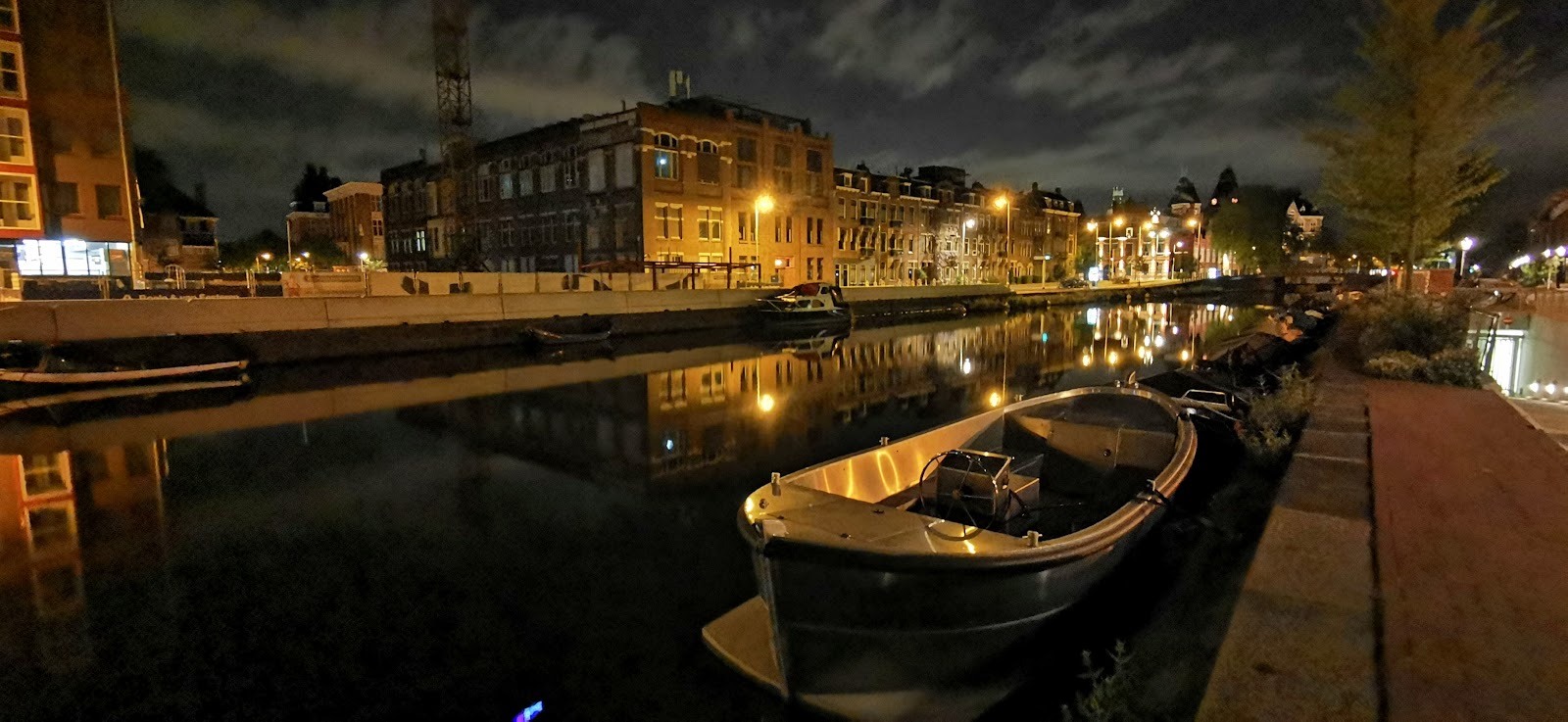
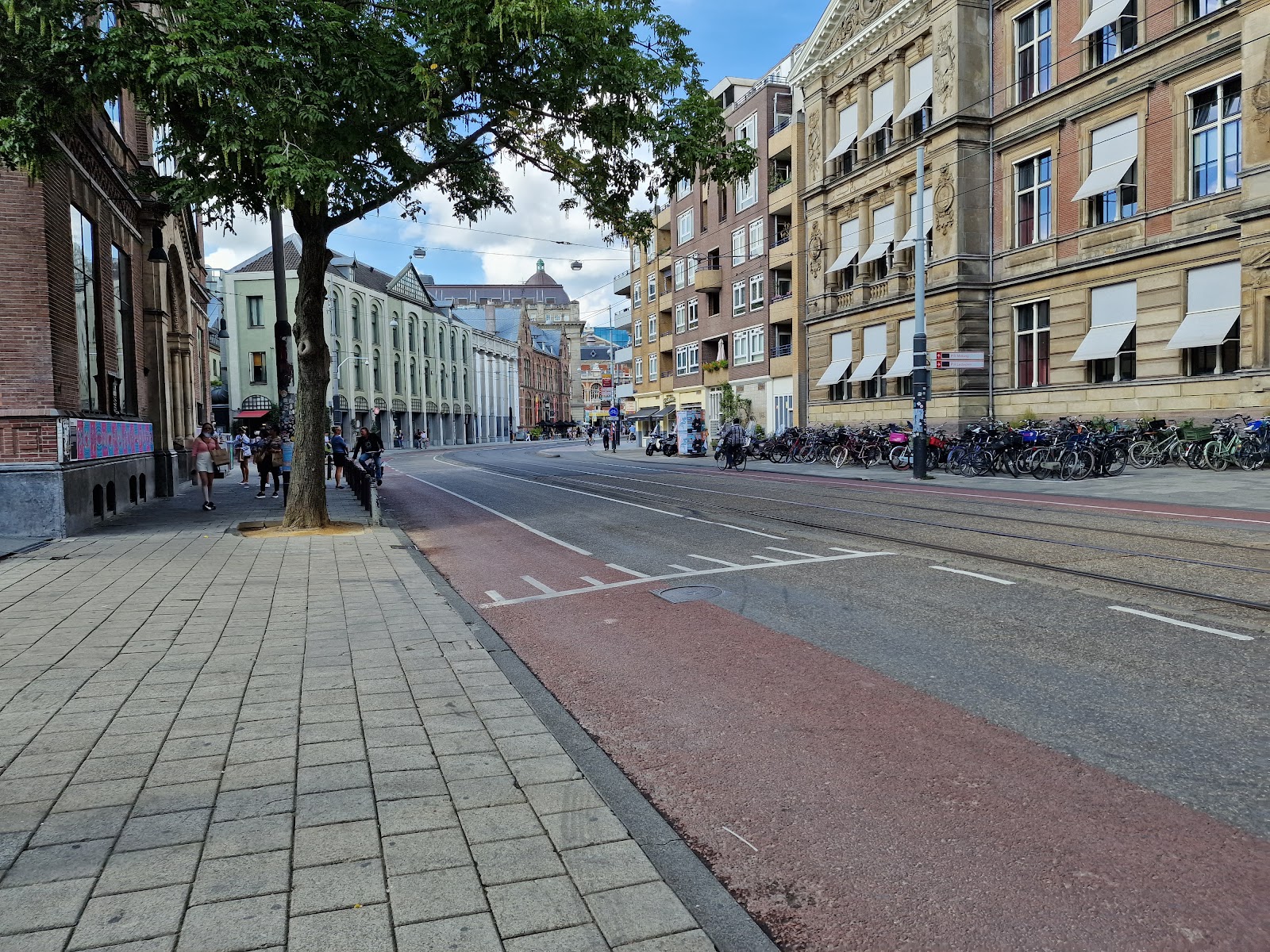
Ruysdaelkade runs the western edge of De Pijp along the Boerenwetering canal, a long, canal-flanked street that holds more layers than a single walk reveals. The northern end, where the 1870s townhouses face toward the Rijksmuseum, was built for Amsterdam's prosperous bourgeoisie — and the proportions of those facades still carry that ambition.
Farther south, the street shifts register. Between Albert Cuypstraat and Govert Flinckstraat, a discreet red-light stretch occupies one long building on the canal side — less theatrically touristic than De Wallen, and largely unknown to visitors who come for the market.
💛 What travellers fall for
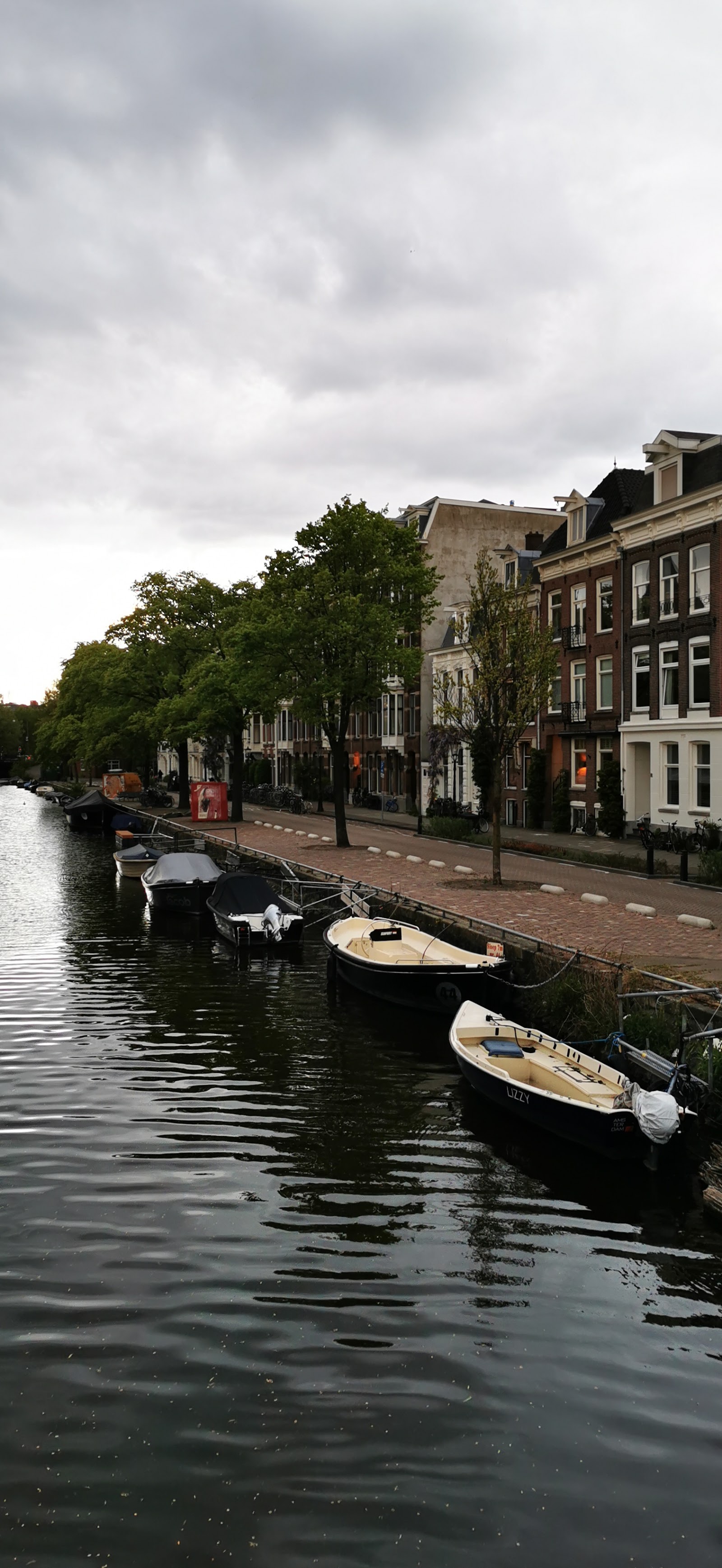
People who walk the full length tend to notice the former Heineken Brewery stables at the Daniël Stalpertstraat corner — easy to pass without registering what they were. The 1920s housing blocks near Van Hilligaertstraat, designed in Amsterdam School style by Lippits & Scholte, reward a slower look at the brickwork details.
The story behind Ruysdaelkade
Before the street was named in 1872 — after the Ruysdael family of painters, Jacob Isaacsz. van Ruisdael the most celebrated among them — this canal bank was working agricultural land. Farmers moved vegetables by boat along the Boerenwetering into the city markets; shipyards, inns, and small country estates occupied the edges.
Development came quickly after the naming. The block at numbers 11–25, designed by J.F. Schutte, was significant enough that King Willem III attended the laying of its first stone; it is now a municipal monument. By 1921, the southern section had filled in with the Lippits & Scholte housing complex. The painter Carel Willink lived and worked at number 15 from 1935 until his death in 1983; a bust by his widow Sylvia Willink-Quiel was placed in a nearby garden in 2000.
Good to know
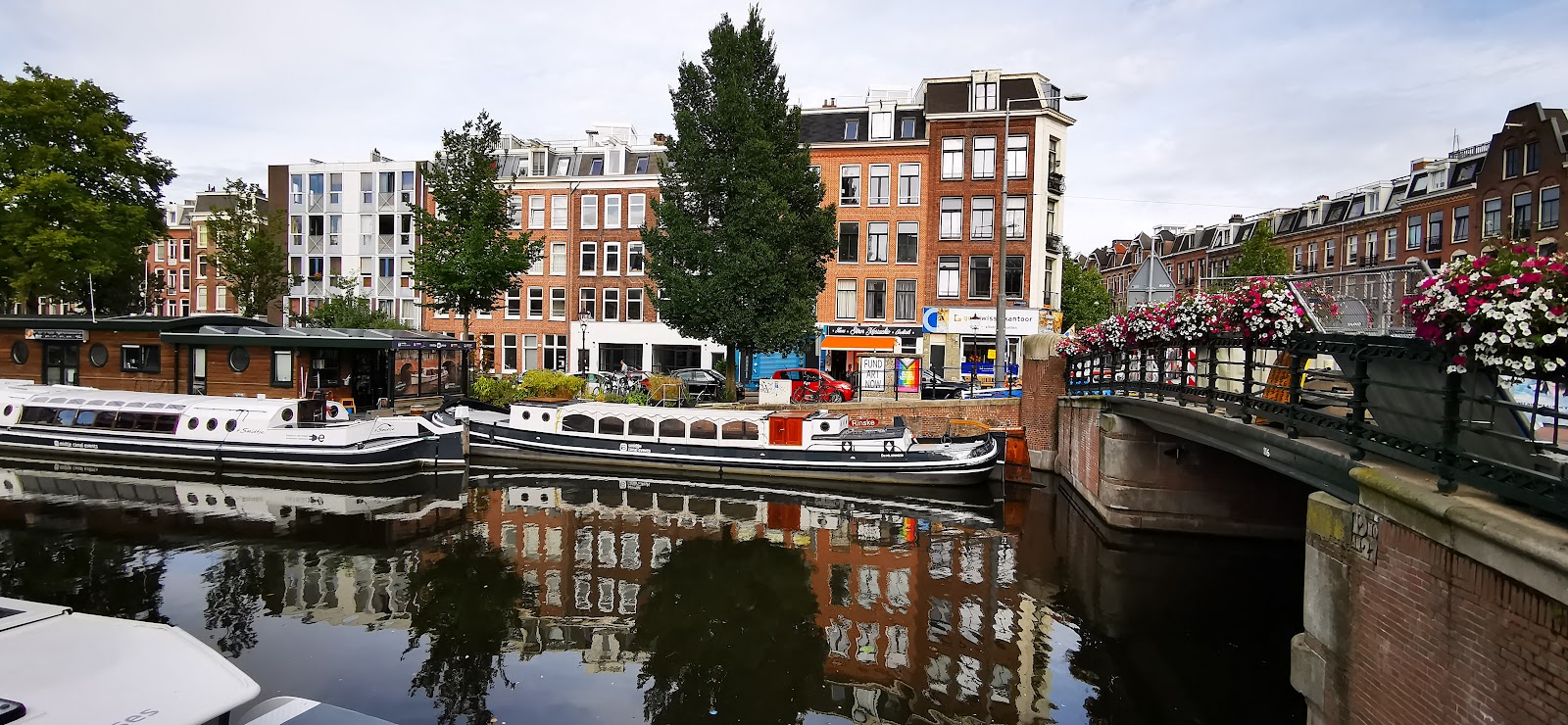
The nearest metro is De Pijp on Route 52, opened in 2018; trams 3, 12, and 24 stop at Ferdinand Bolstraat. The street is a public thoroughfare with no entry requirements. An hour covers the full length comfortably, more if you stop at the architectural monuments.
Amsterdam's weather is reliably changeable — mild summers around 15–20°C, cool and damp winters closer to 0–5°C. The canal walk is most comfortable from late spring through early autumn, though the street's architecture reads just as well on a grey afternoon.
Where is Ruysdaelkade?
Location
- In De Pijp
- 52.3572, 4.8910
- Open in Google Maps
More tickets & tours for Ruysdaelkade
Book directly at the provider
More of De Pijp
Discover where to stay, what to do and the best deals for your trip.
Explore De Pijp →More attractions in De Pijp
All of De Pijp →
Background adapted from Wikipedia (CC BY-SA) · map data © OpenStreetMap contributors · ratings & place photos via Google · other photos with per-image credit. Ticket links may earn us a commission at no extra cost to you.