
Sarphatipark
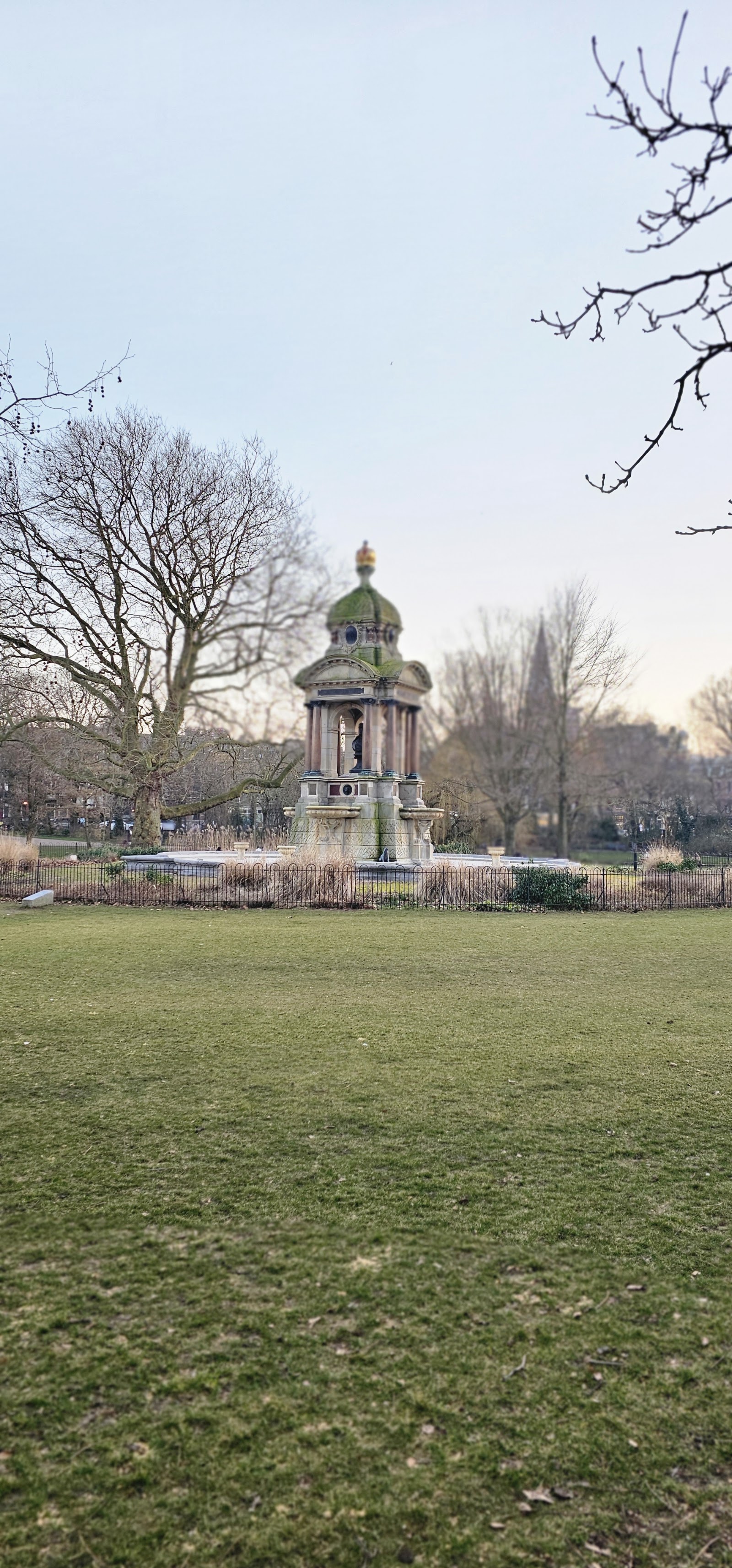
Sarphatipark is two blocks of green in the middle of De Pijp — small enough to cross in a few minutes, calm enough that you'll notice the ducks before you notice anyone else. Cyclists, who rule every other surface in Amsterdam, are banned here, and that absence changes the atmosphere completely.
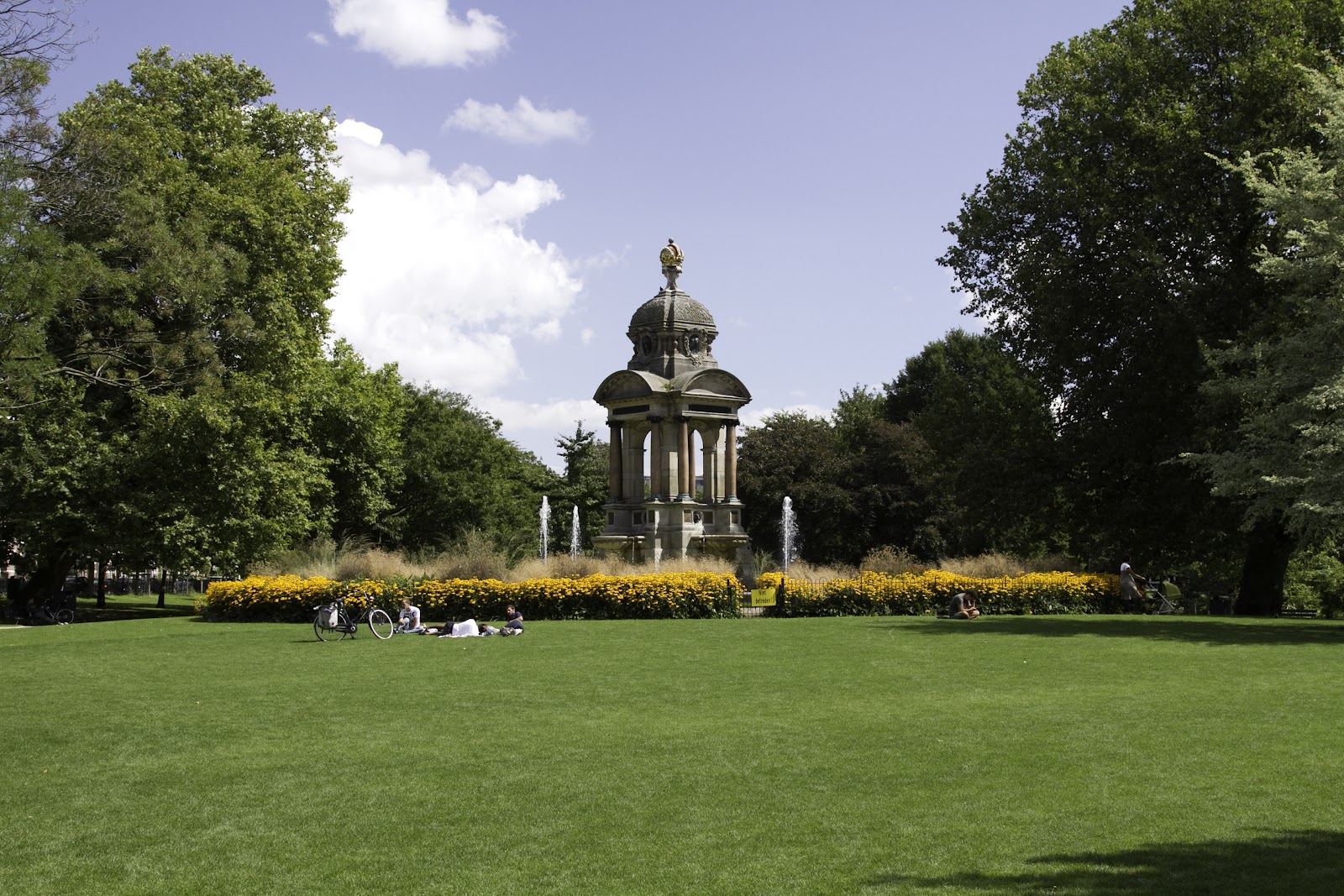
At the centre stands an ornate 19th-century monument to Samuel Sarphati, a Portuguese-Jewish doctor whose ambitions reshaped the city. The park carrying his name was stripped of it in 1942, renamed by the occupying administration because Sarphati was Jewish. His name came back in 1945.
💛 What travellers fall for
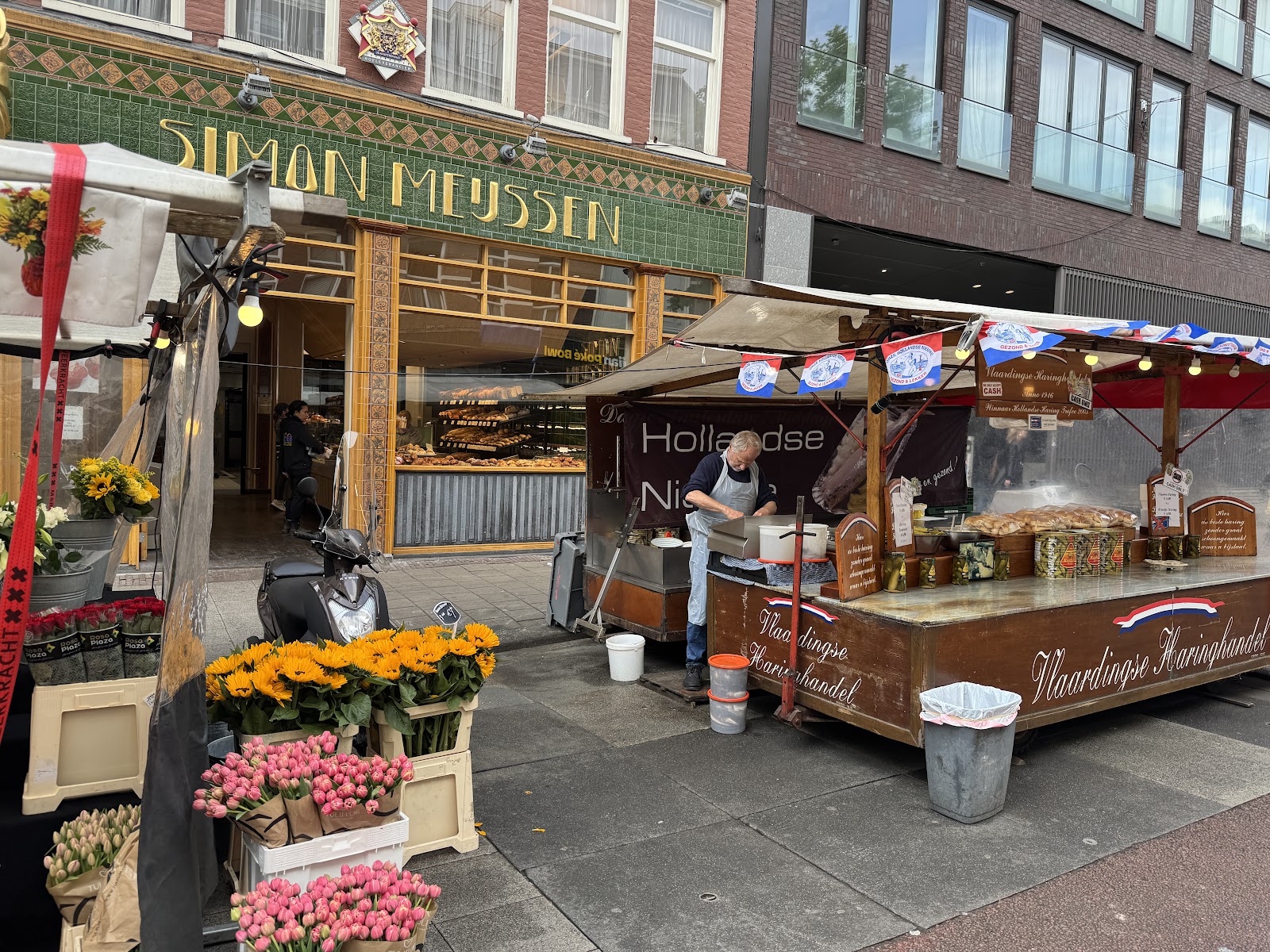
People who come back tend to arrive with something to eat from Albert Cuypmarkt, a few minutes' walk away. The designated off-leash dog area in one corner draws a loose morning crowd. If you forgot a blanket, the park keeps plastic groundsheets on hand — a small, practical detail that says something about how Amsterdammers actually use this place.
The story behind Sarphatipark
In the 1860s, Amsterdam's chief architect J.G. van Niftrik had plans to shift the city's centre southwest — with a major station on the very ground where the park now sits. When those plans collapsed, van Niftrik turned to the leftover land and designed a park in the English landscape style, built between 1881 and 1886. It was originally to be called Prins Hendrikpark, but residents organised a petition to name it after Samuel Sarphati, the doctor and civic entrepreneur who had died in 1866.
The park's small Gemaalhuis — a pumping station built in 1884 — reflects the constant battle Amsterdam fought with its own groundwater; parts of the park were raised in 1908 for the same reason. The painters Mommie Schwarz and Else Berg lived beside the park from 1927 until their deportation in 1942; some of their last canvases are landscapes of it. A major renovation in 2004 improved the lake water and rebuilt two of the three small bridges.
Good to know
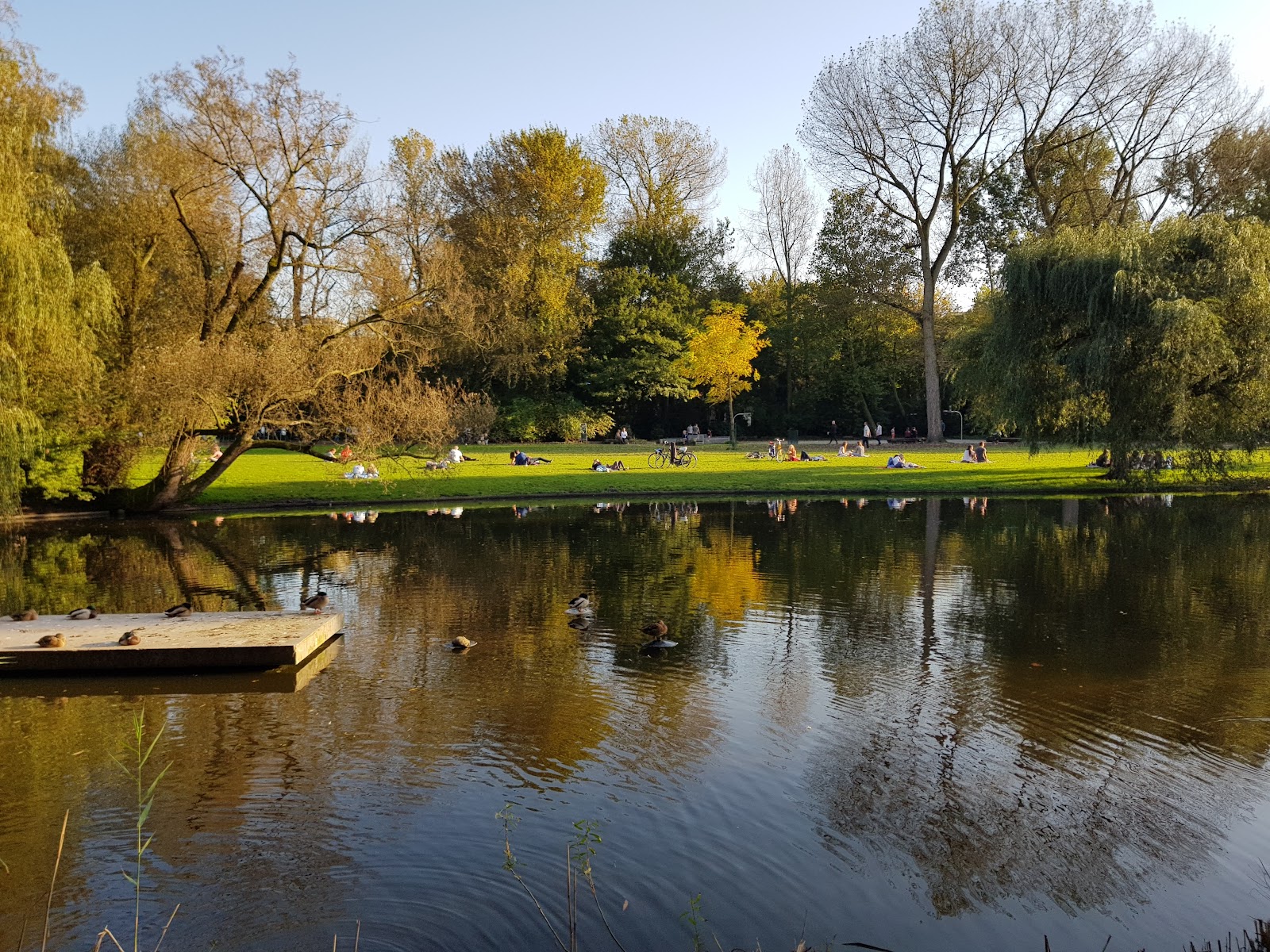
Tram lines 3 and 25 stop at Tweede van der Helstraat, right at the park's edge. Entry is free, open access, no booking needed. Weekday mornings are quietest. Spring and summer reward a longer sit; in winter the pond and bare trees have their own stripped-back quality.
Amsterdam's weather is mild but changeable year-round. Spring and summer bring the park to life — long evenings, full trees, impromptu picnics. Autumn turns the pond reflections golden. Winter is quiet and a little bleak, but the structure of the landscape holds.
Where is Sarphatipark?
More tickets & tours for Sarphatipark
Book directly at the provider
What travellers say about Sarphatipark
Beautiful little park in the heart of De Pijp, perfect for a calm walk or picnic. The ponds, bridges and willow trees are stunning. I visited on an unusually snowy day with frozen ponds (something that doesn’t happen often I guess!), and it was pure magic. Locals sliding on the ice made it extra fun⛸️ . Felt really fortunate! Highly recommend this cozy oasis any season. ❄️🌿
Small local park – better to visit in summer Sarphatipark is a small neighborhood park in Amsterdam. It is calm and simple, mainly used by locals. During my visit in the winter season, the park felt quite quiet and empty, with limited greenery and not much to see. Because the park is small, there are no major attractions or highlights inside. For winter visits, I would not really recommend coming here unless you are already nearby. However, in spring or summer, it can be a nice place to sit, relax, and enjoy some green space. Overall, it’s a decent local park, but more suitable for warmer seasons.
Such a wonderful park that punches above its weight in terms of size. The landscaping is really interesting and creates the sense of being deep in nature even though the park isn't that big! A fun scene, with lots of people hanging out on the grass in good weather. Lots of ducks and herons and geese as well!
This lovely little park was recommended to me as a spot to see some birds and it definitely didn’t disappoint. The fountains were very relaxing and there are some beautifully sculpted structures. It doesn’t take too long to walk around the entire park and the ground is fairly even. If you are in the area, there’s nothing nicer than a walk here on a nice day.
Very beautiful park, quiet and well signposted. Would definitely recommend a visit, not too far from the city centre.
More of De Pijp
Discover where to stay, what to do and the best deals for your trip.
Explore De Pijp →More attractions in De Pijp
All of De Pijp →
Background adapted from Wikipedia (CC BY-SA) · map data © OpenStreetMap contributors · ratings & place photos via Google · other photos with per-image credit. Ticket links may earn us a commission at no extra cost to you.