
Amsterdam-Zuidoost
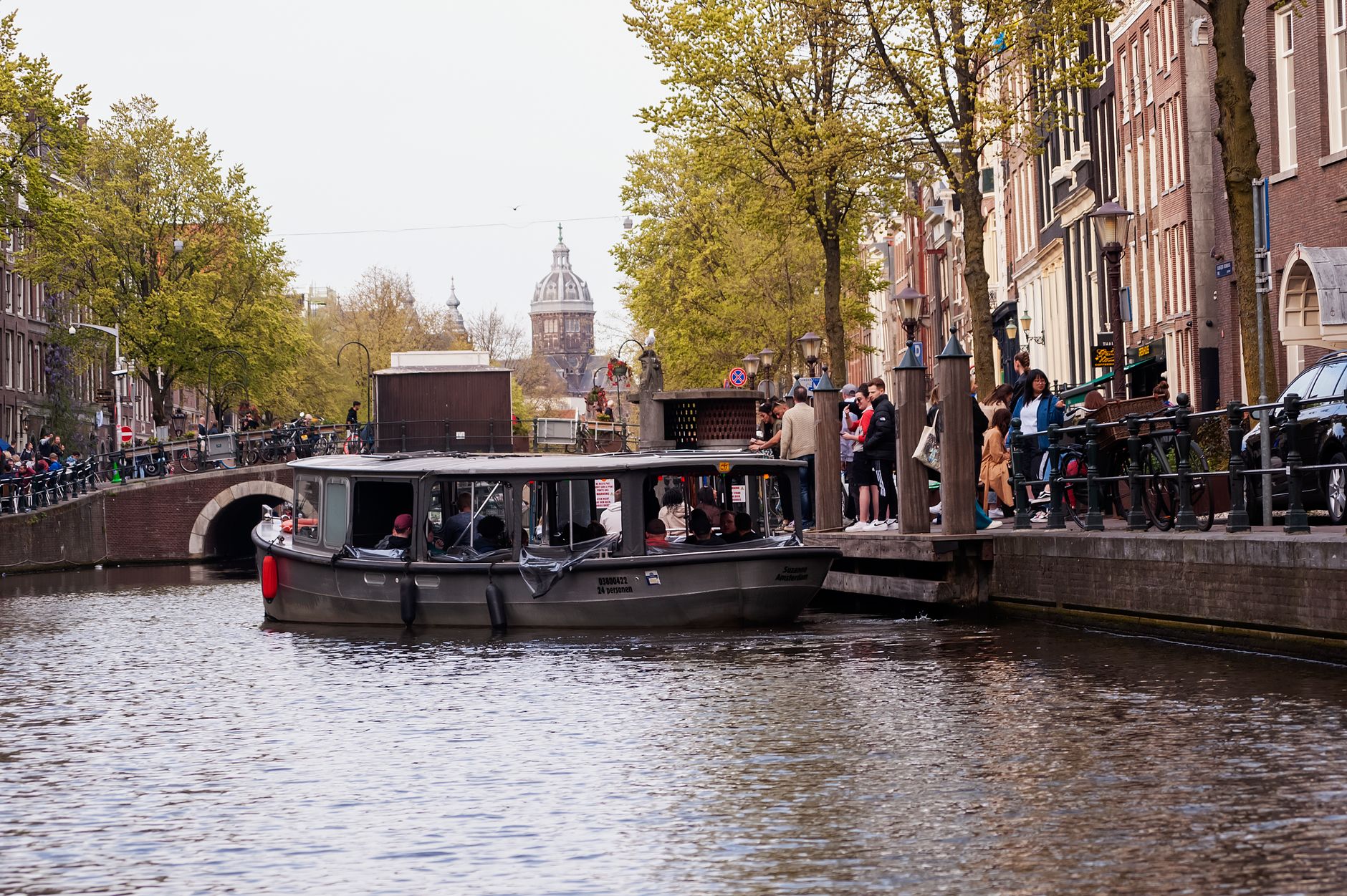
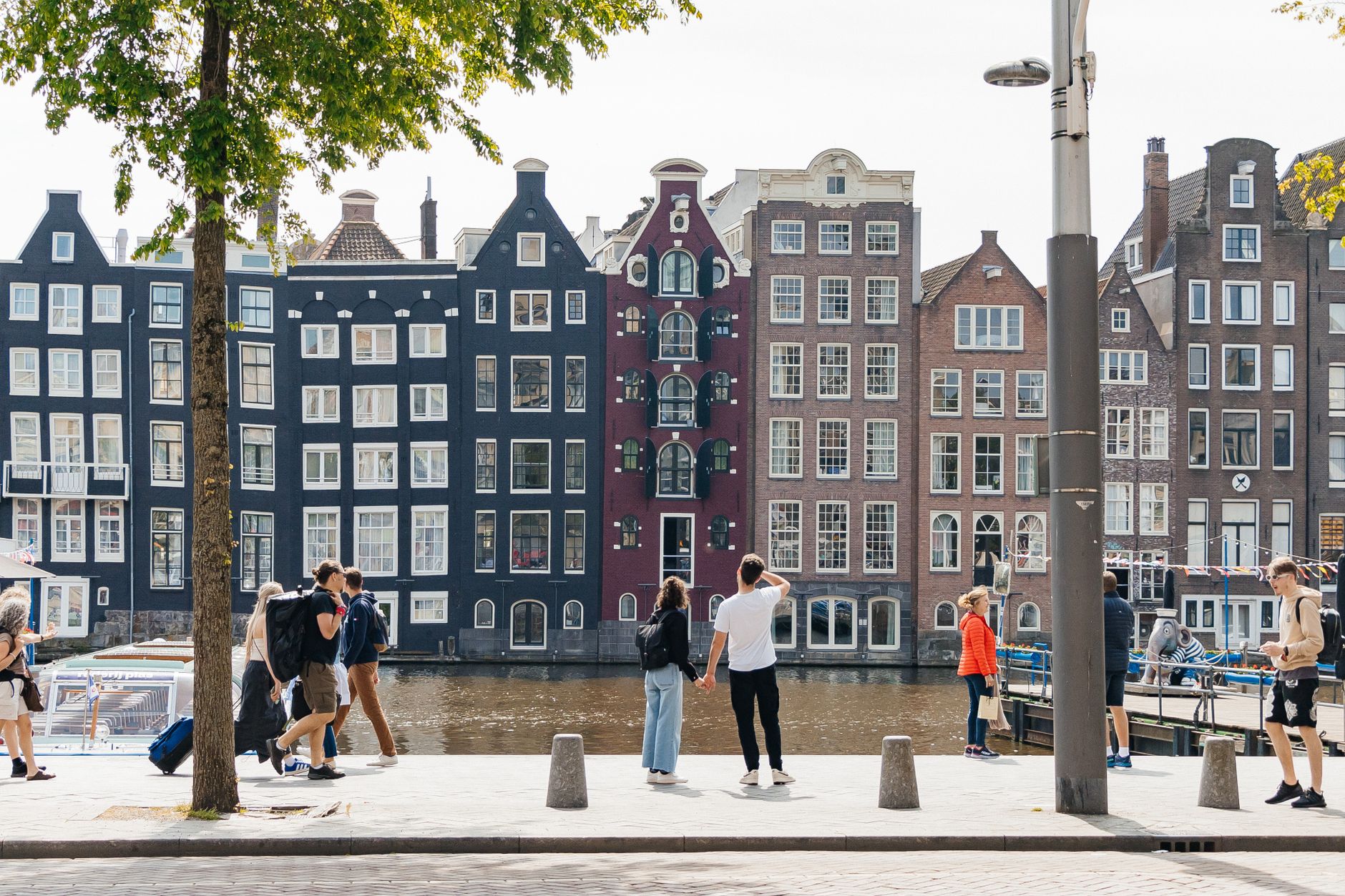
Southeast of the canal ring, Zuidoost is the Amsterdam that didn't make the postcards — and that's exactly why it's worth your time. The district was purpose-built in the 1960s as a rational city of the future, its apartment towers connected by elevated roads and green corridors, its geometry still visible if you look past the decades of change.
Today, over 130 nationalities live here, and the food reflects that arithmetic honestly. Surinamese roti, Ghanaian stews, Afro-Caribbean street food at the Monday and Thursday markets outside Amsterdamse Poort — this is a corner of the city where the cooking is doing the storytelling.
💛 What travellers fall for
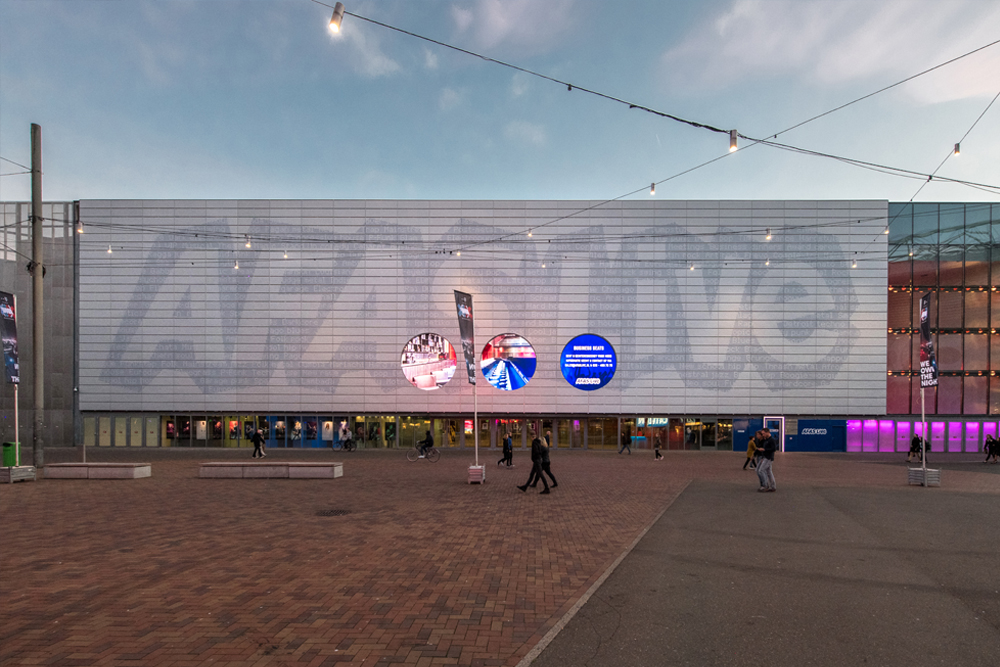
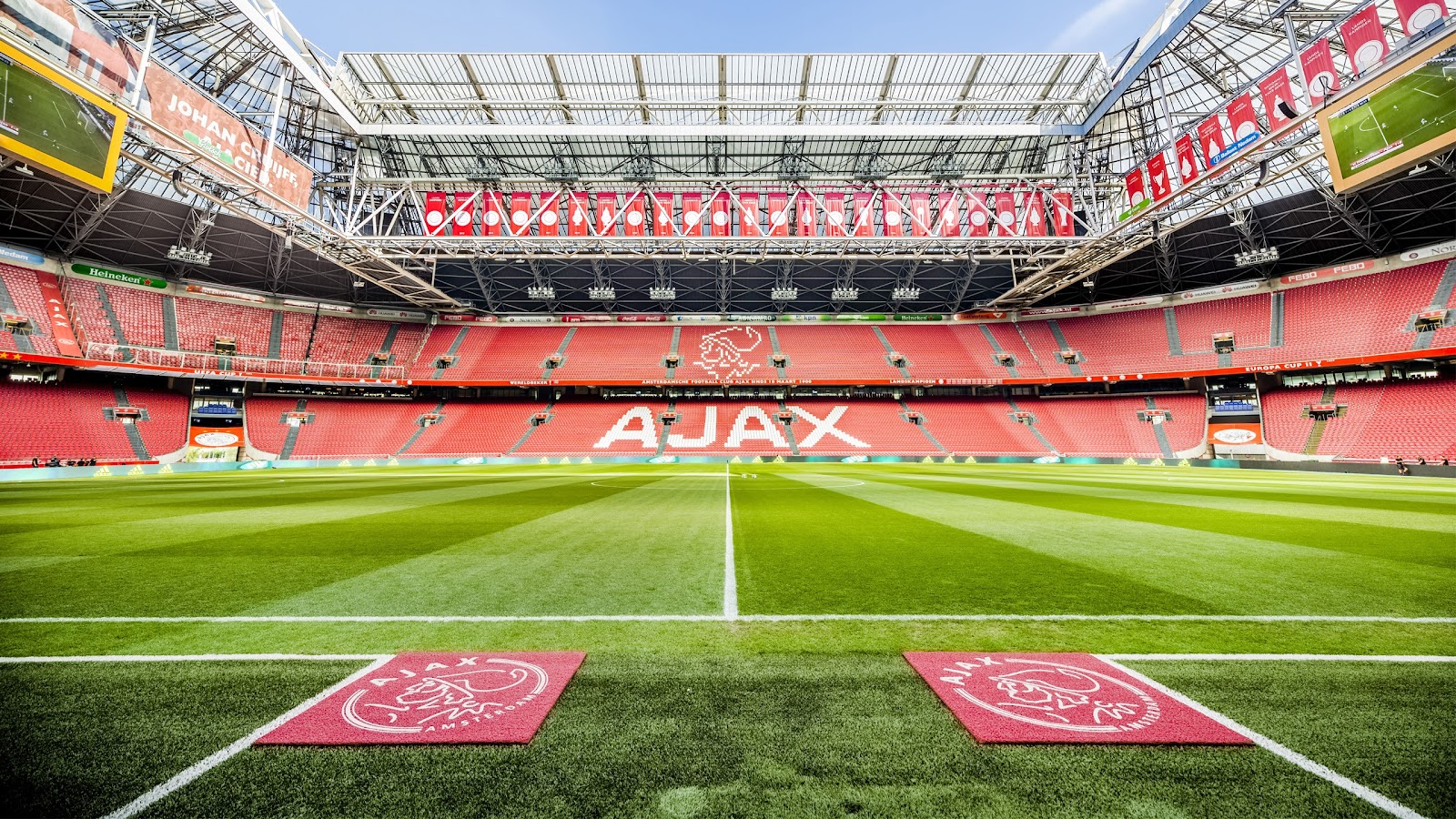
People who come back tend to time a visit around the open-air markets in the Amsterdamse Poort car park — Monday or Thursday, when the stalls run through fashion, electronics and farmers' produce in the same stretch. The Johan Cruyff Arena is worth a look even without a match on; the scale of it anchors the whole entertainment district.
Experiences you don't want to miss



Deals in Amsterdam-Zuidoost
Book directly at the provider
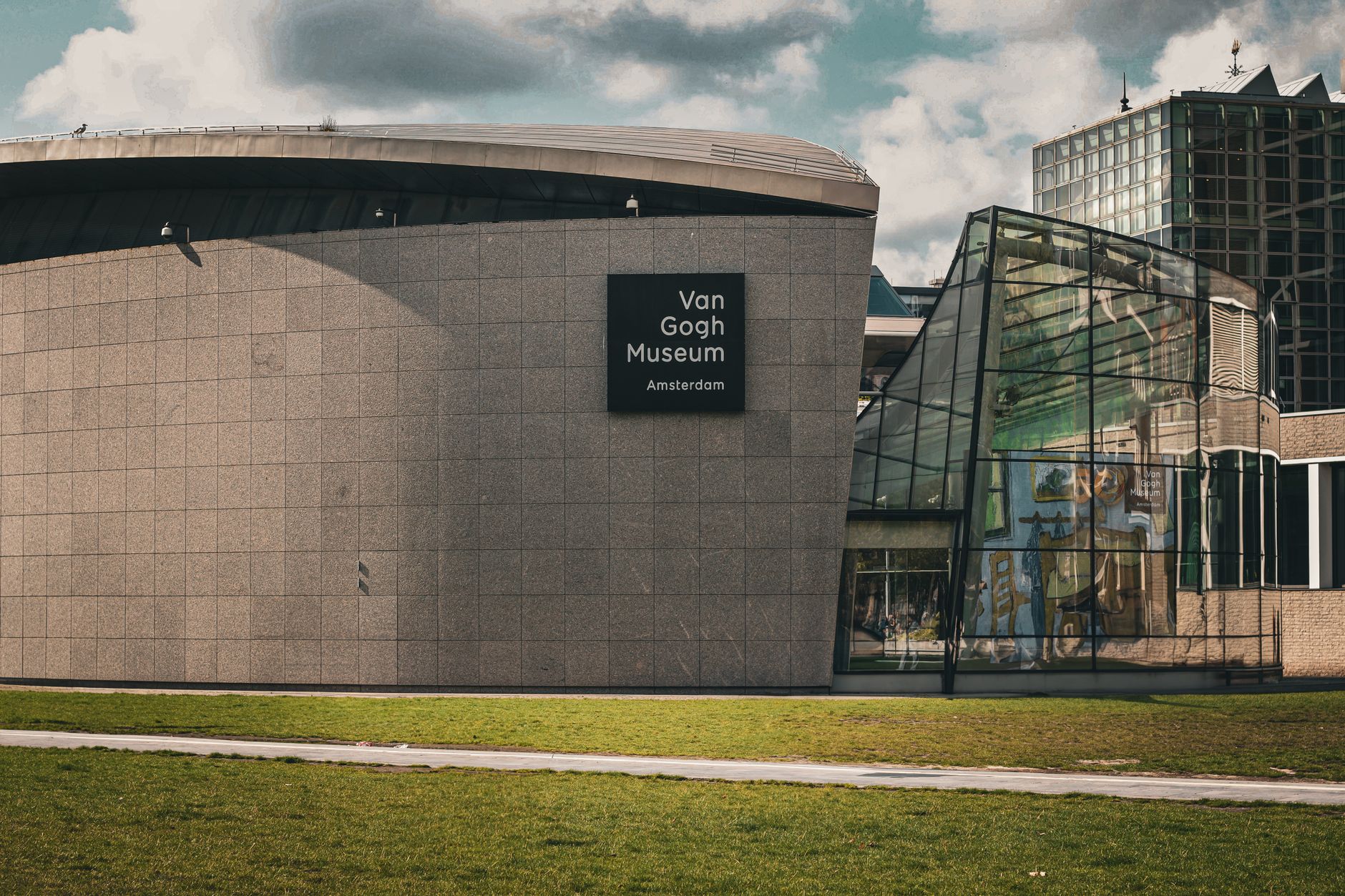
How Amsterdam-Zuidoost came to be
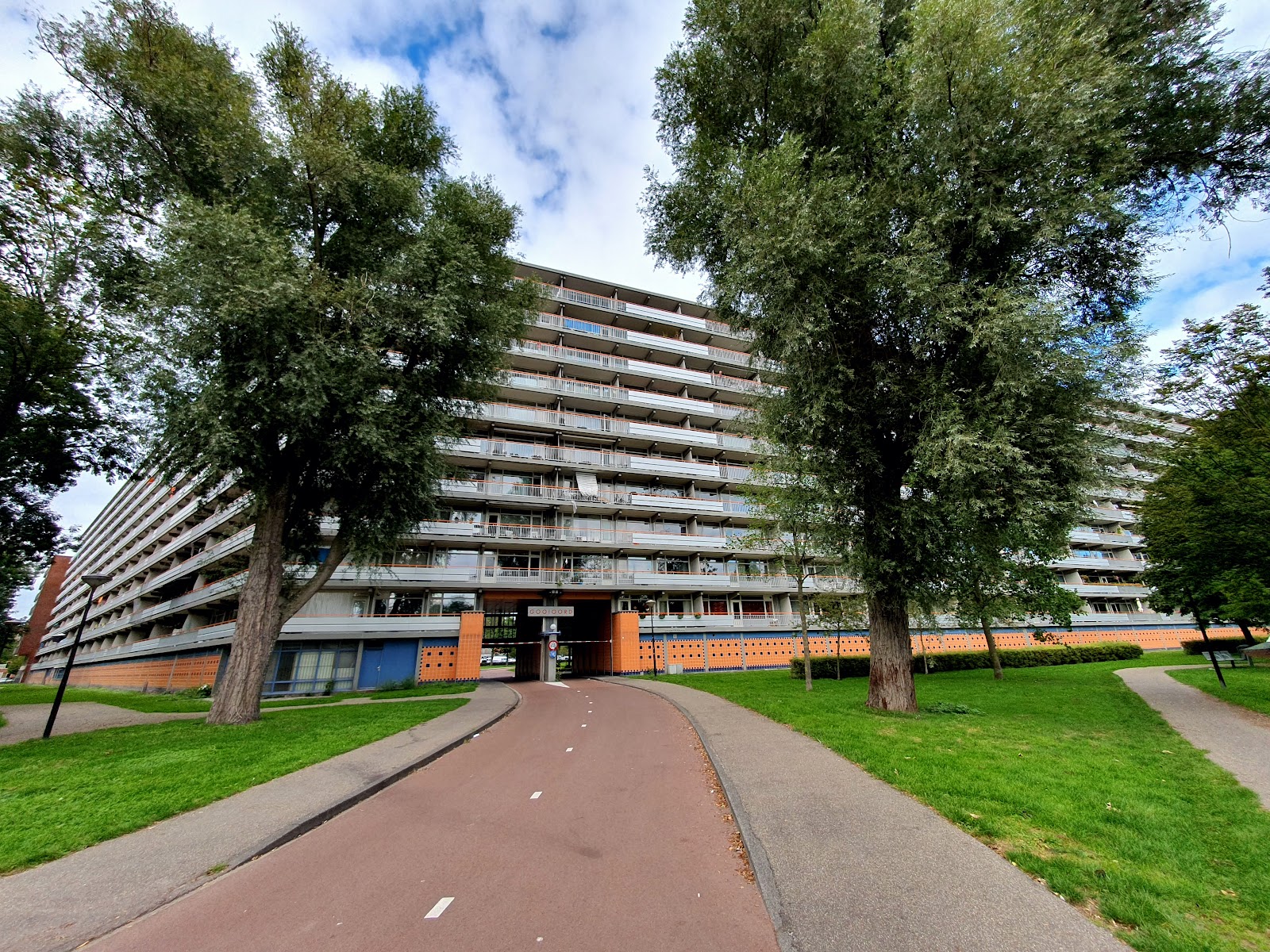
Zuidoost was conceived in 1963 as a solution to Amsterdam's postwar housing shortage. Architect Siegfried Nassuth led the design of Bijlmermeer — a modernist project of honeycomb-plan tower blocks, raised roads and segregated pedestrian paths, intended as a self-contained town of the future. The first tower, Hoogoord, was completed in 1968; the last of the 13,000 apartments followed in 1975.
The utopia ran into reality quickly. Vacancy, crime and disinvestment accumulated through the late 1970s and 1980s, and in 1992 a cargo plane crashed into two apartment buildings in what became known as the Bijlmer air disaster, a wound the community still carries. From the early 2000s, large-scale redevelopment replaced many towers with lower-density housing and improved connections to the rest of the city. Amsterdam's first metro line, opened in 1977, had already tied Zuidoost to the centre; the later rebuilding tried to stitch it in more fully.
Who and what shaped it
People who shaped it
Landmark buildings
See Amsterdam-Zuidoost in motion
Plan your visit
On the map
When to go
Summers are mild rather than hot — highs of 20–22°C in July and August, with enough wind off the southwest to keep things moving. Winters are cool and damp, with lows around 0–2°C; autumn brings the strongest gusts, so pack a layer you can close at the neck.
Right now
↡ Attractions
Background & history adapted from Wikipedia (CC BY-SA) · specs from Wikidata (CC0) · weather from Open-Meteo · map data © OpenStreetMap contributors · photos from Wikimedia Commons / Unsplash with per-image credit. No third-party reviews or social posts reproduced.