
Jordaan
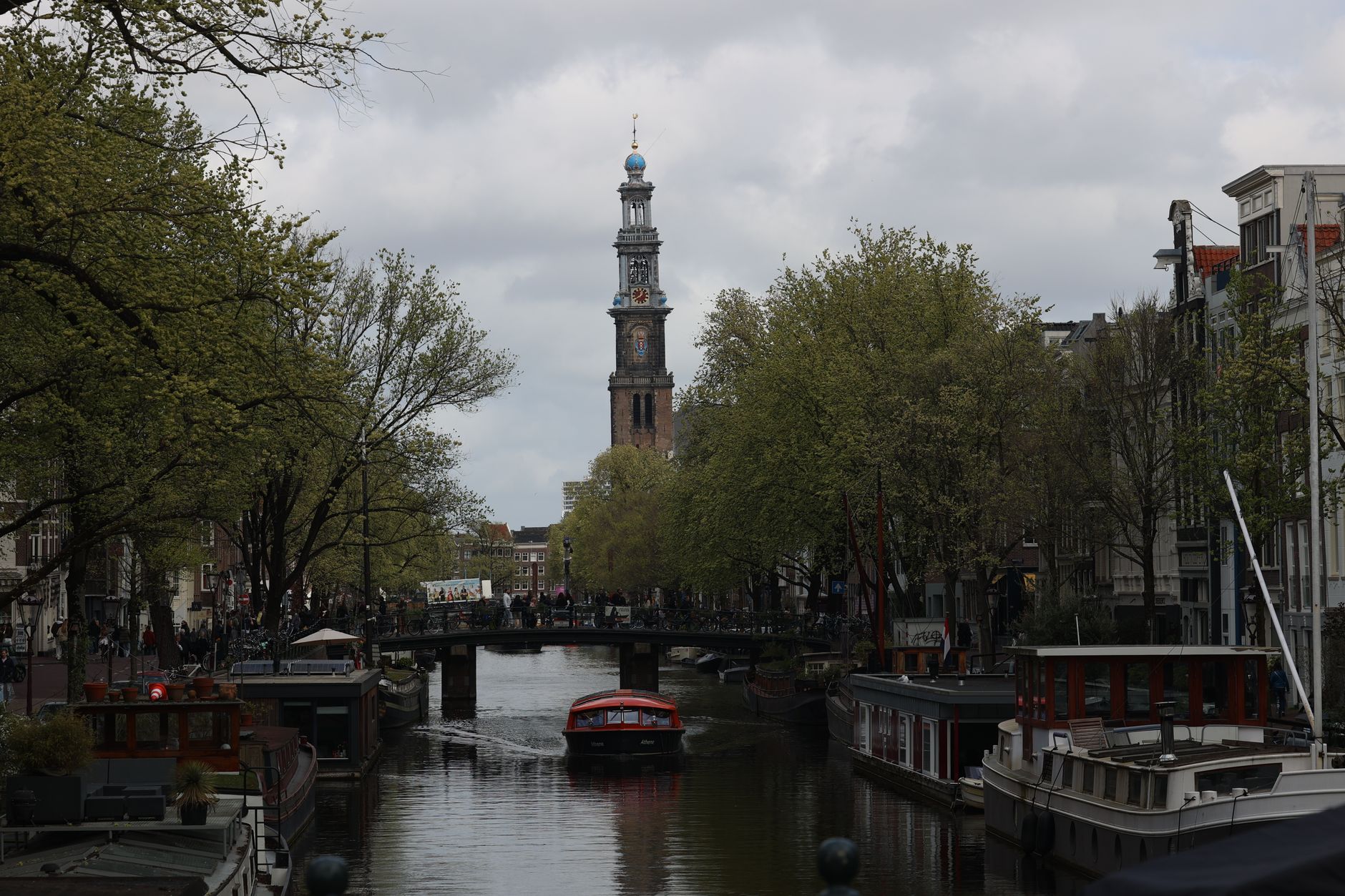
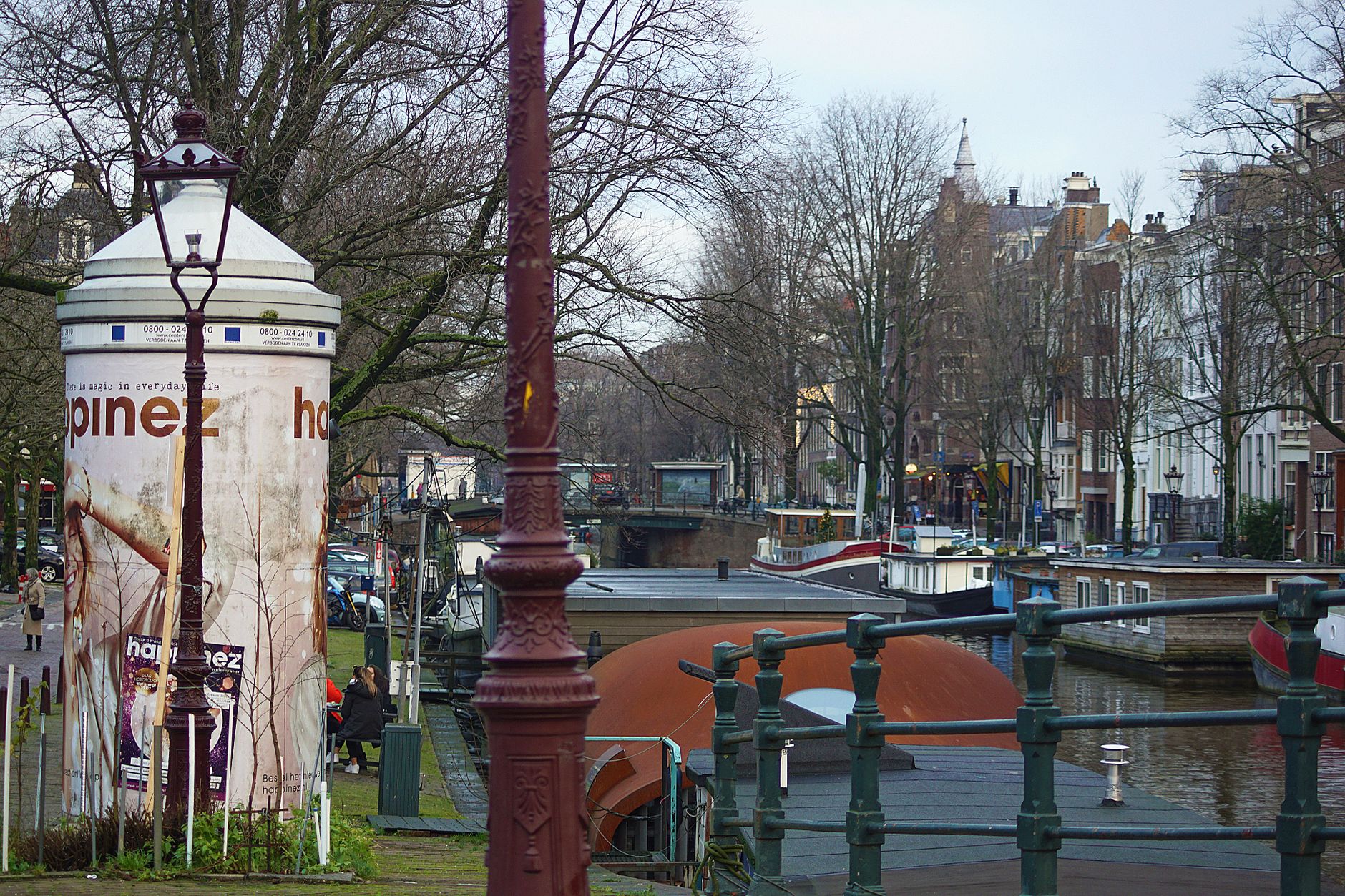
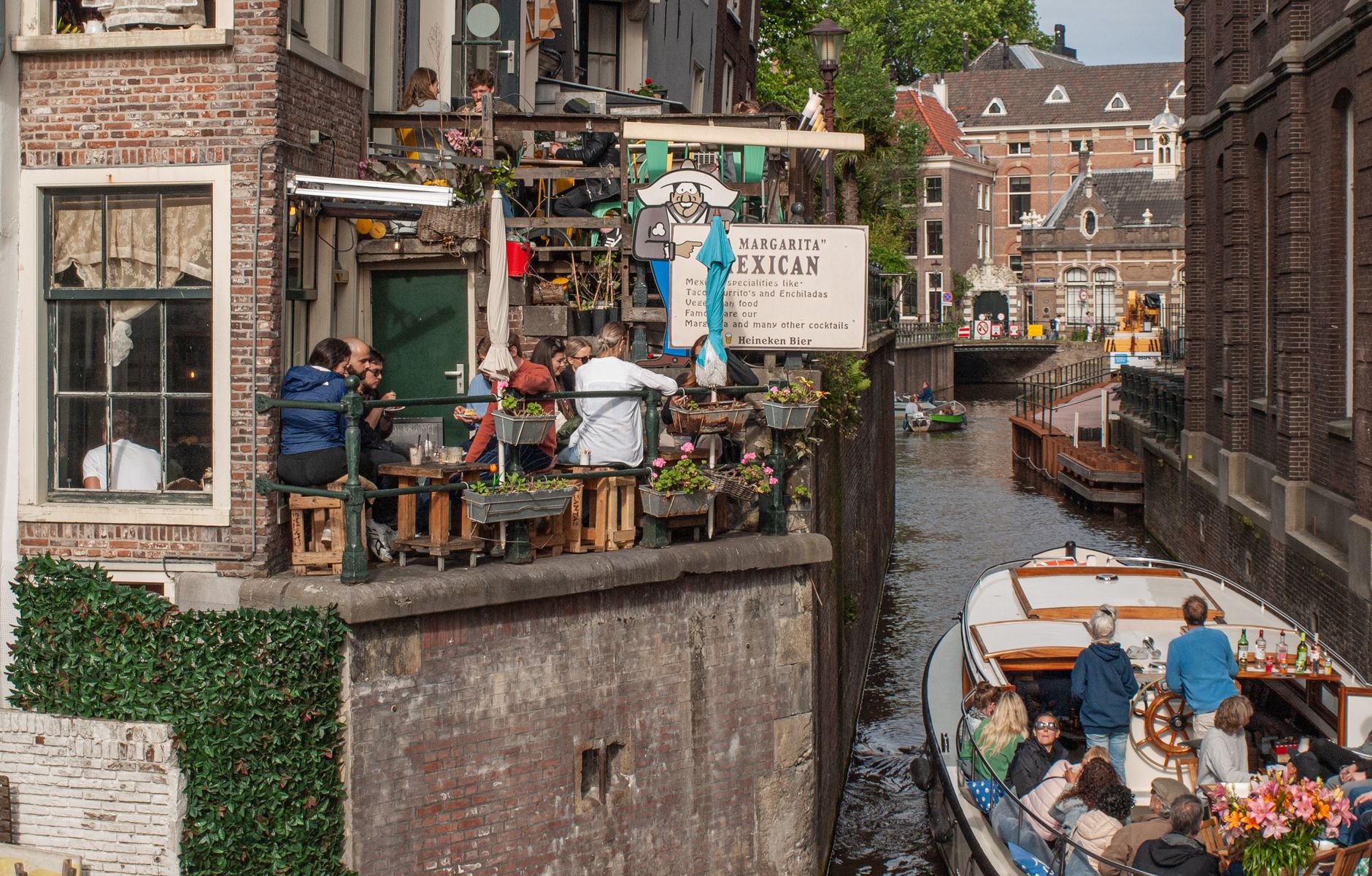
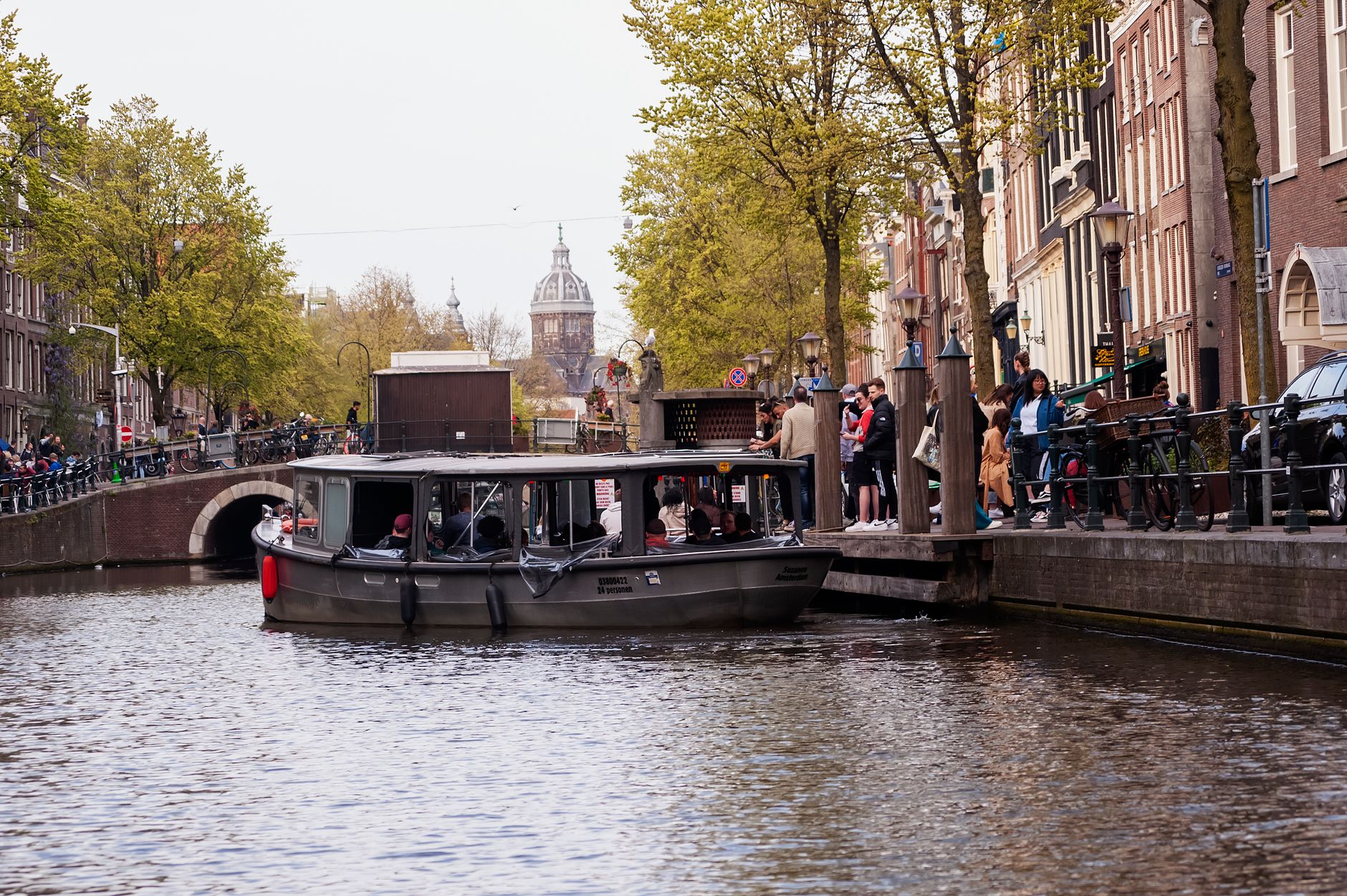
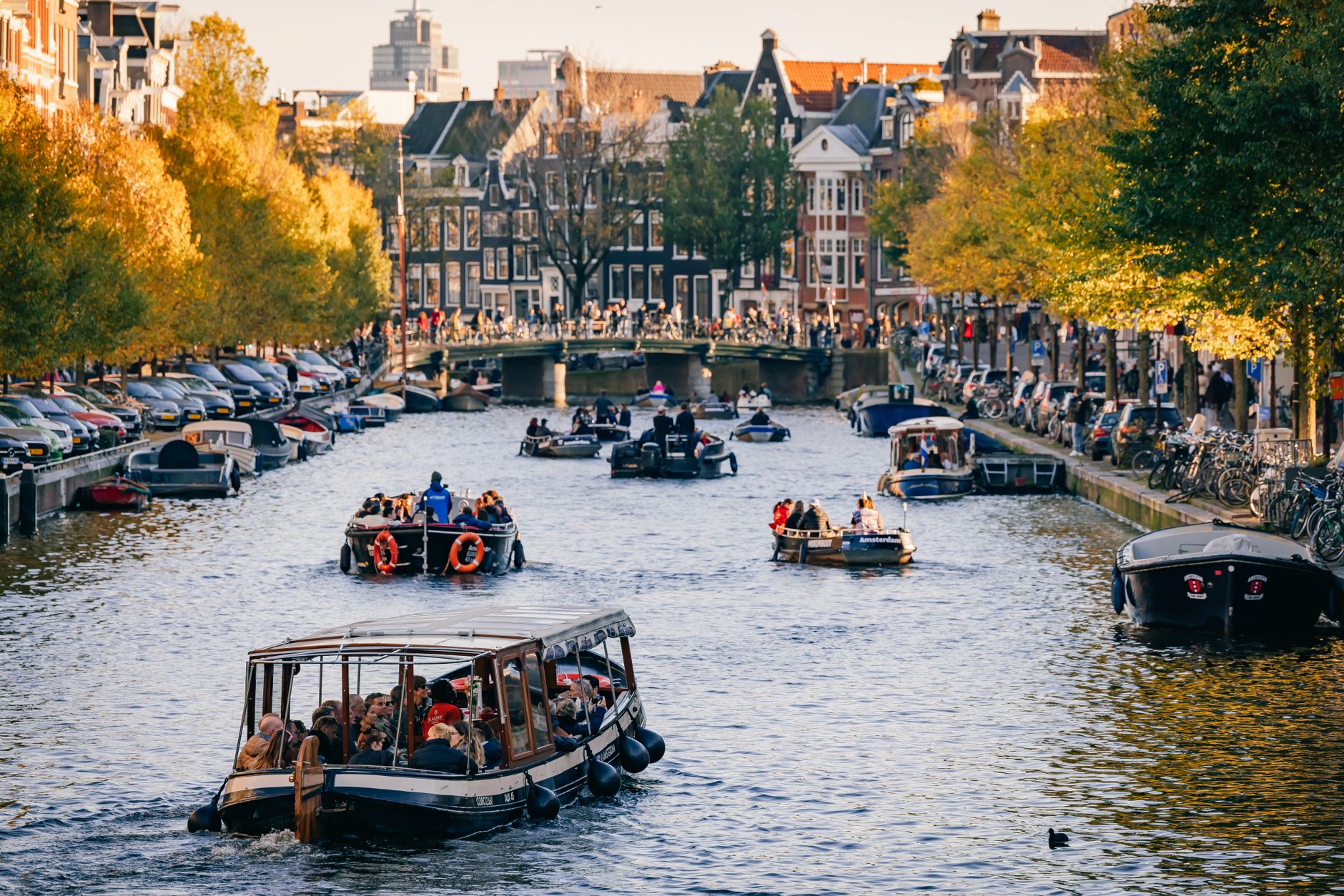
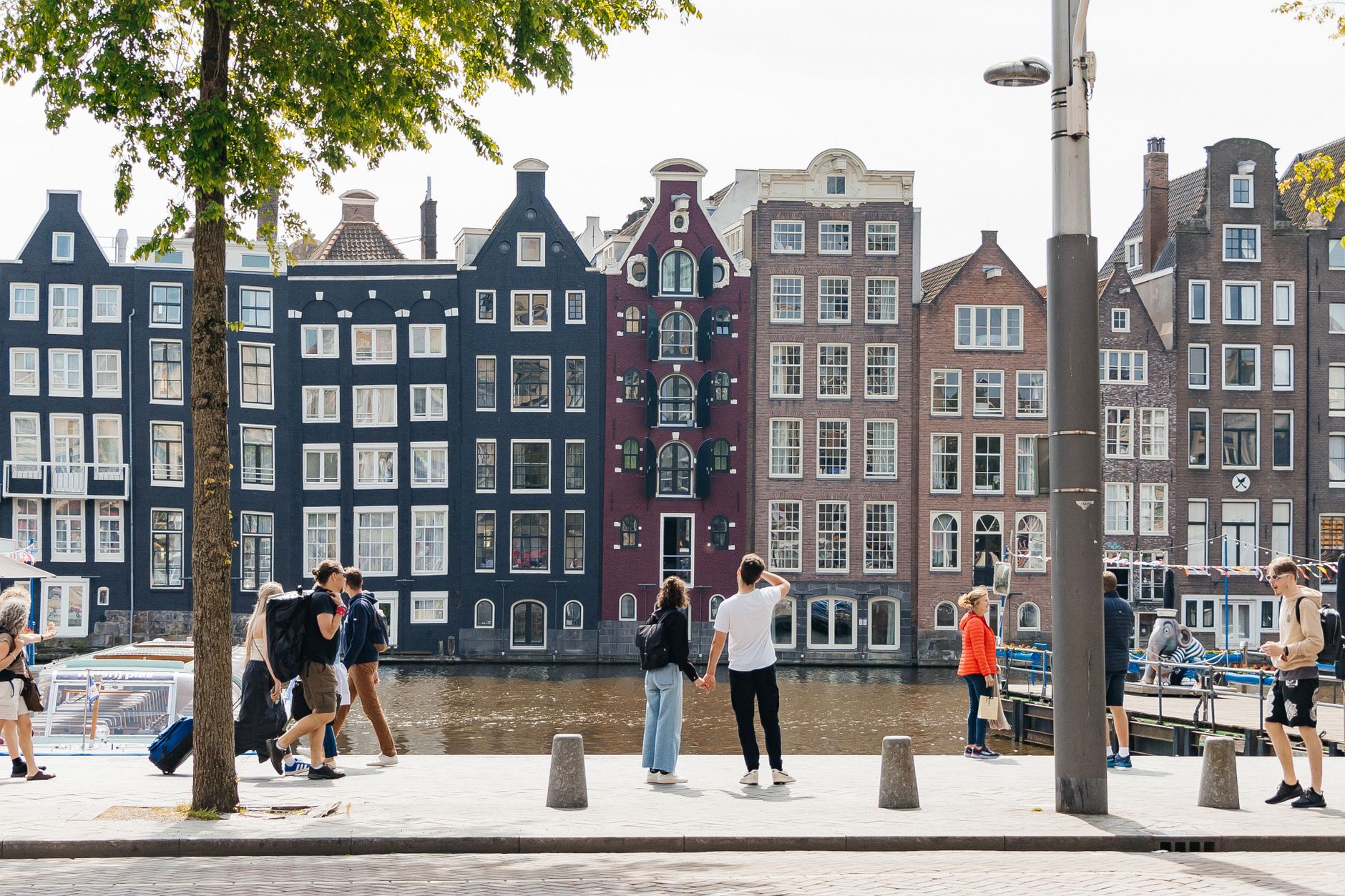
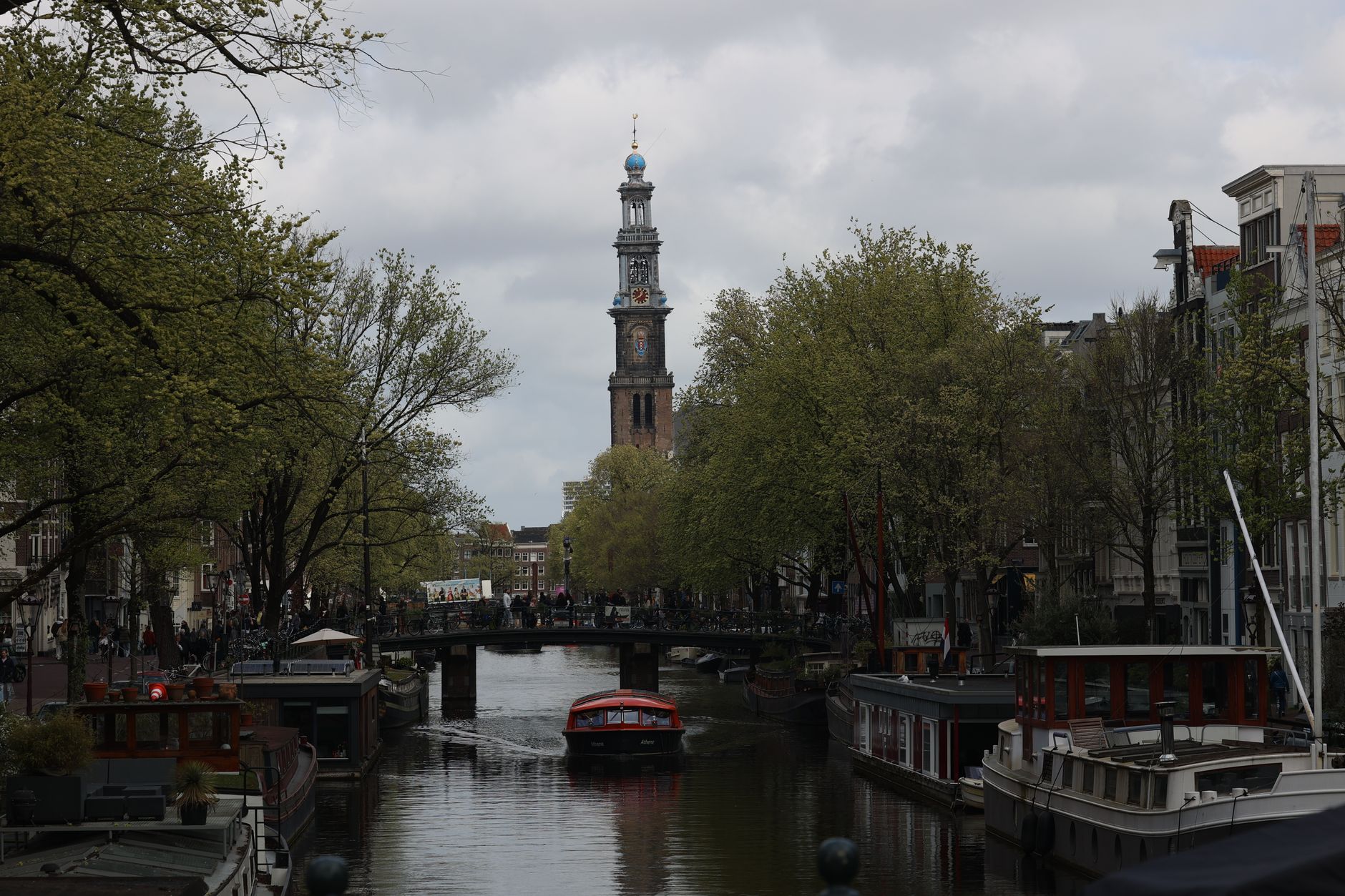
The Jordaan's streets don't run parallel to the rest of Amsterdam because they were never planned to — they follow ditches and footpaths that existed long before the city drew its famous grid. That accident of geography gives the neighbourhood its slightly skewed, intimate character: canals at odd angles, alleys that dead-end into quiet courtyards, the Westertoren's carillon drifting over rooftops at the quarter-hour.
Built from 1612 onward to house labourers, tanners and waves of religious refugees, the Jordaan spent centuries as one of Amsterdam's poorer quarters. It has since traded that identity for a different kind of density — galleries, brown cafés, independent bookshops — without entirely losing the working-class vernacular that shaped it.
💛 What travellers fall for
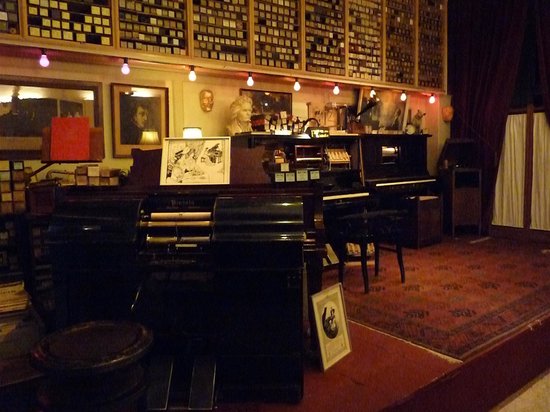
People who come back tend to time a visit around the Saturday markets: the organic food stalls at Noordermarkt in the morning, then the general Lindenmarkt along Lindengracht. The Pianola Museum on Westerstraat is a reliable second-visit discovery — small enough to miss the first time, strange and specific enough to stay with you.
Deals in Jordaan
Book directly at the provider

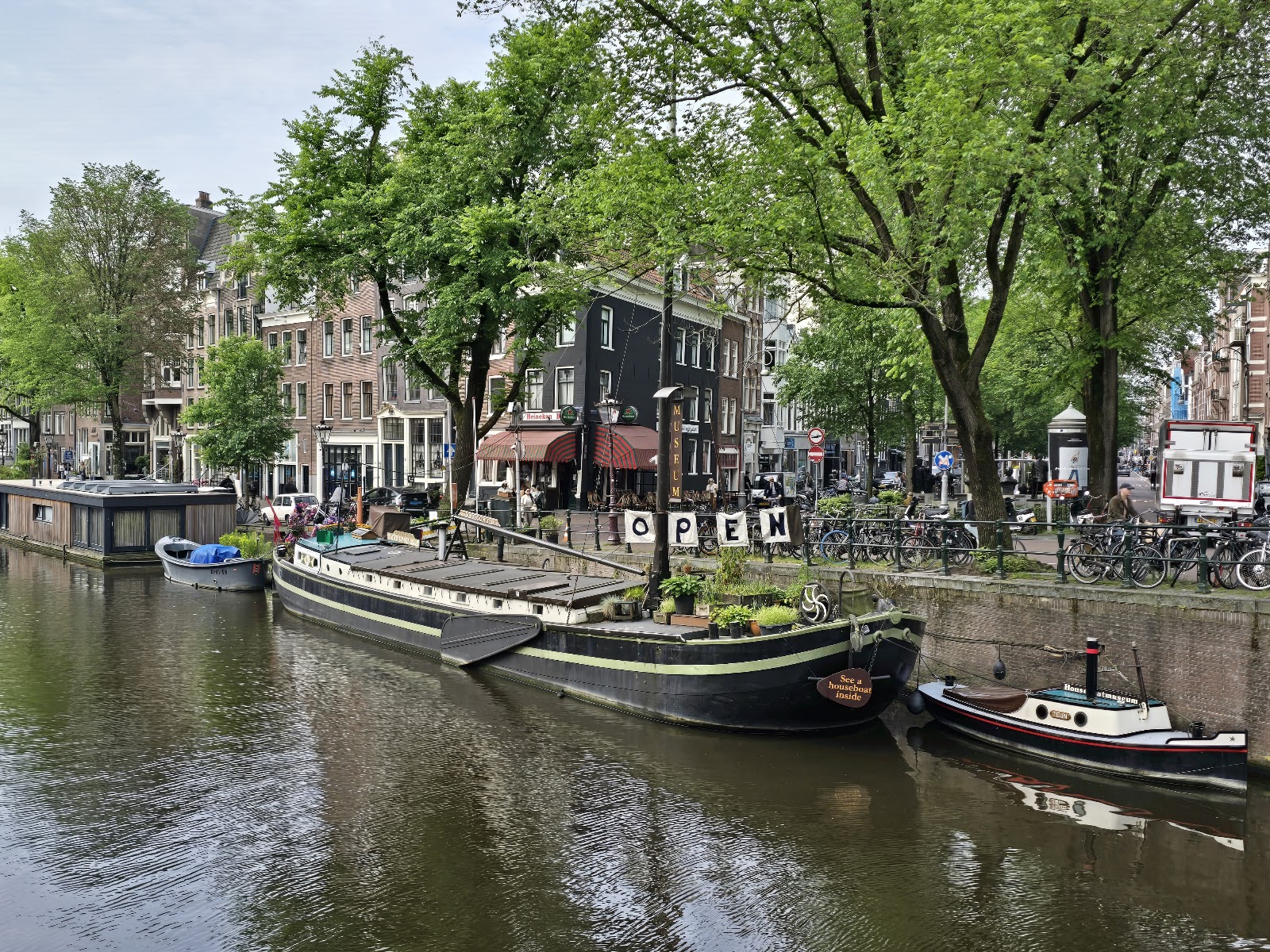
How Jordaan came to be
Construction started in 1612 on what was then called Het Nieuwe Werck — The New Work. The district was laid out for Amsterdam's working class and for immigrants, many of them Huguenots and other Protestant refugees, and its irregular street plan simply followed the ditches already in the ground. In the 19th century six of its canals were filled in, including the Rozengracht, where Rembrandt spent his final years before dying in 1669.
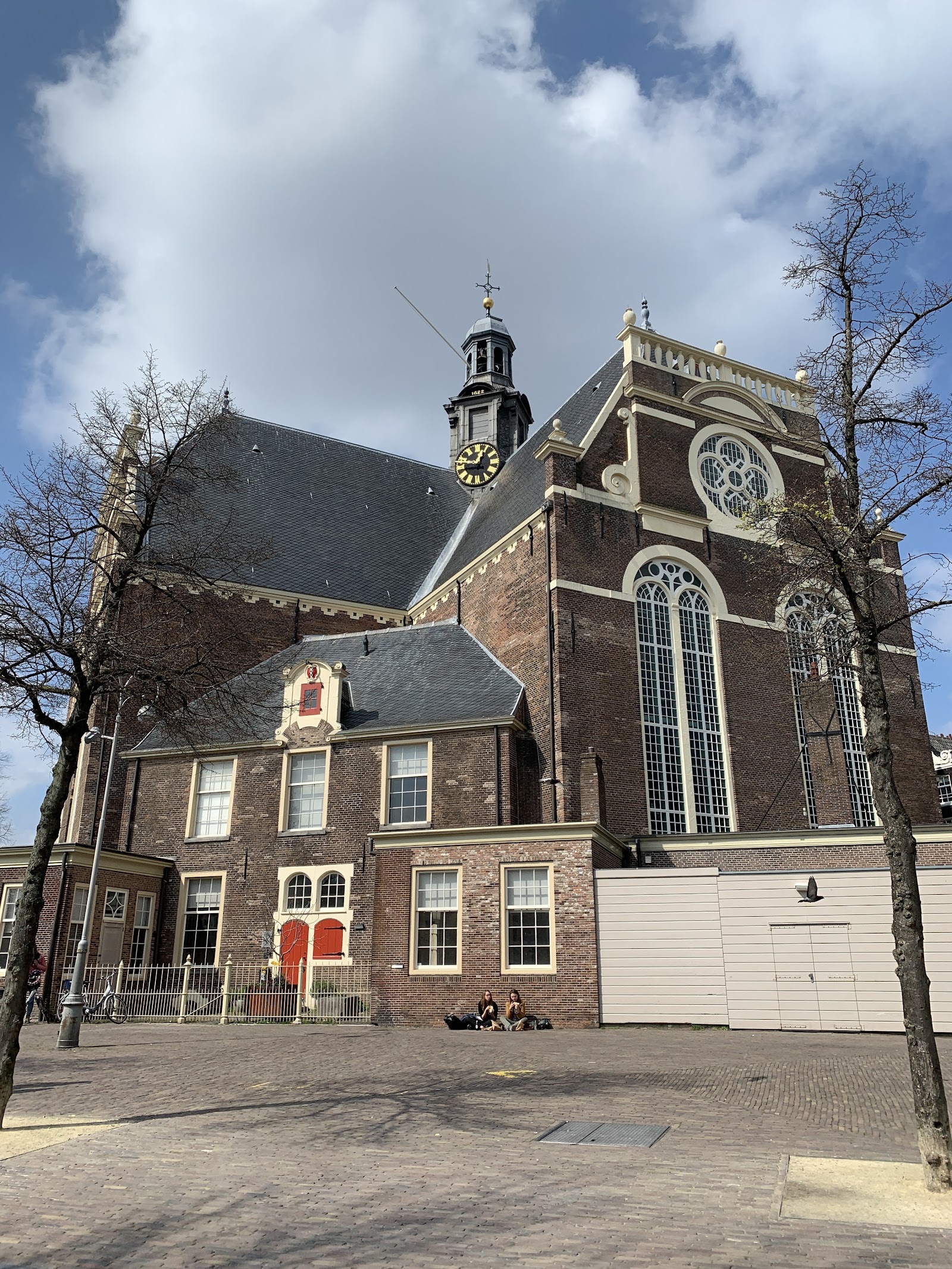
The neighbourhood had a long history of unrest — riots in 1835, 1886, 1917 and 1934 — and the February Strike of 1941, a protest against the Nazi occupation, began with meetings on Noordermarkt square. In the 1970s, city planners proposed demolishing large sections and replacing them with modern housing blocks. Sustained local resistance changed that, and a programme of careful restoration preserved the street pattern and the hofjes. By the end of the century, artists and young professionals had moved in as the original inhabitants moved out.
Who and what shaped it
People who shaped it
Landmark buildings
See Jordaan in motion
Plan your visit
On the map
When to go
Expect cool, damp conditions in almost any season: winters hover around 3–4 °C and summers rarely climb past 18 °C. Rain is spread fairly evenly across the year, though autumn is the wettest stretch and spring the drier window — pack a layer and a compact umbrella regardless of when you visit.
Right now
↡ Attractions


Background & history adapted from Wikipedia (CC BY-SA) · specs from Wikidata (CC0) · weather from Open-Meteo · map data © OpenStreetMap contributors · photos from Wikimedia Commons / Unsplash with per-image credit. No third-party reviews or social posts reproduced.