
Jordaan Nine Streets Shopping Area

The streets here were named for what was once processed in them — hides, deer skins, bear pelts — and you can still read that history in the names: Huidenstraat, Reestraat, Berenstraat. These nine short side streets cut between the Prinsengracht, Keizersgracht, Herengracht and Singel, their 18th-century canal-house facades largely intact, their ground floors now given over to independent booksellers, vintage clothing dealers, ceramicists and small-batch perfumers.
The area covers a compact grid — nine streets, four canals, the whole thing walkable in an afternoon — and sits within the Grachtengordel, Amsterdam's UNESCO-listed canal ring. The Anne Frank House and the Westerkerk are a two-minute walk north along the Prinsengracht.

💛 What travellers fall for
People who come back tend to arrive on a weekday morning, before the bridges fill up. They note that Sunday hours don't start until noon, and that the streets run east–west, so crossing all four canals means crossing all nine. Taking them in order — Gasthuismolensteeg to Wijde Heisteeg — keeps you from doubling back.
The story behind Jordaan Nine Streets Shopping Area
The land the Nine Streets occupy was reclaimed during Amsterdam's third great expansion, begun around 1612 during the Twelve Years' Truce. The Grachtengordel was dug, the Jordaan laid out, and the cross-streets in between were given over to trades that needed water access and space to work — the leather tanners whose business gave Huidenstraat, Reestraat and Berenstraat their names. Most of what stands today dates from the 18th century; little of the original 17th-century fabric survived.
For most of the 20th century the area had no collective identity. That changed in the 1990s, when a handful of local shopkeepers including Djoeke Wessing pushed to give the streets a shared name and a shared purpose. The Association of the 9 Streets was founded on 12 November 1996, and by 1997 Negen Straatjes had been recognised as an official Amsterdam district — a piece of civic branding that turned a quiet backwater into one of the city's more coherent shopping neighbourhoods.

Good to know
Tram 2, 4, 11, 12, 14 or 24 to Koningsplein drops you at the southern end; trams 13 and 17 from Centraal reach Westermarkt at the northern edge. Most shops open 10:00–17:00 daily, noon on Sundays. No admission anywhere. Two to three hours covers it comfortably; cobblestones throughout, so choose your footwear accordingly.
Amsterdam runs cool and damp most of the year, with persistent wind from November through March that makes the canal crossings feel colder than the thermometer suggests. Mid-May to mid-September is the most agreeable window — temperatures reach the low-to-mid 20s Celsius at the height of summer — though rain is possible in any season, and autumn afternoons can turn grey quickly.
Where is Jordaan Nine Streets Shopping Area?
More tickets & tours for Jordaan Nine Streets Shopping Area
Book directly at the provider
What travellers say about Jordaan Nine Streets Shopping Area
This area was recommended to us, but visiting on a Friday afternoon around lunchtime was a bit too much. The streets are incredibly narrow and completely packed with a chaotic mix of pedestrians and bicycles. Unlike the peaceful, quiet canal pictures you see all over the internet, the reality was noisy and hectic. It is also very difficult to find a clear, nice spot to take photos anymore because of the dense crowds. If you want to visit, I highly recommend avoiding the weekend or coming very early in the morning before the crowds roll in.
One of Amsterdam’s most picturesque areas. Full of character with beautiful canals, charming bridges, and unique local stores. Absolutely worth visiting!
A lovely area to walk slowly through and soak up the atmosphere - we were here early and it was very quiet so my tip would probably be to do this and avoid the crowds that might get there later in the day.
I arrived on Christmas Eve and wasn’t quite sure what to expect. The area is mainly filled with second-hand and vintage shops, and overall the prices tend to be on the higher side. It’s interesting to walk around and browse, but it’s probably better for window-shopping than for finding real bargains.
Fun set of boutiques and mid range luxury shops spanning 3 parallel streets - 9 blocks would be an accurate description as well! Great for purchasing gifts for others (and certainly for yourself). Nice variety, but don’t expect any inexpensive souvenir shops over here. Lovely place to spend an afternoon!
More of Jordaan
Discover where to stay, what to do and the best deals for your trip.
Explore Jordaan →More attractions in Jordaan
All of Jordaan →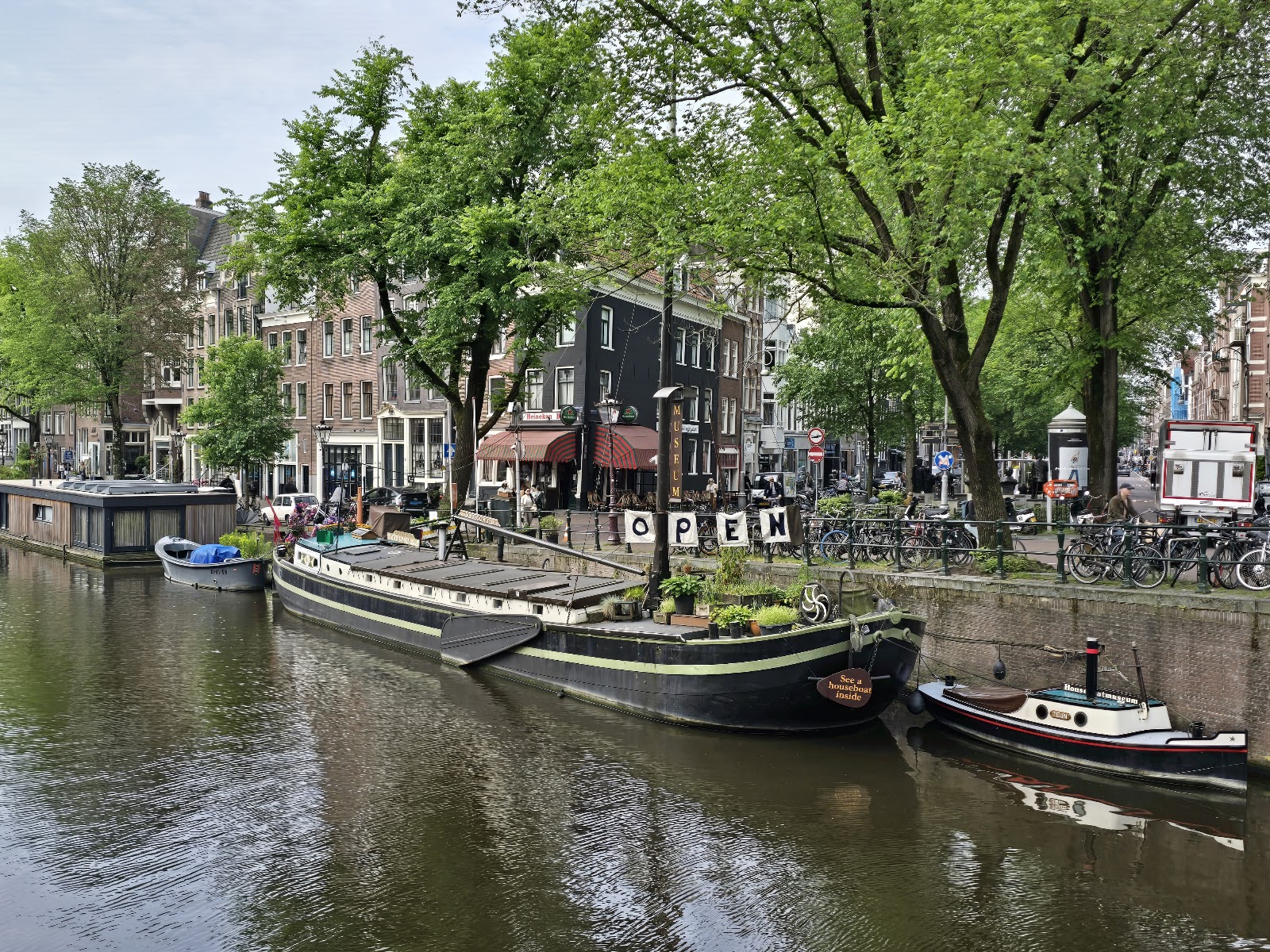

Background adapted from Wikipedia (CC BY-SA) · map data © OpenStreetMap contributors · ratings & place photos via Google · other photos with per-image credit. Ticket links may earn us a commission at no extra cost to you.