
Pianola Museum
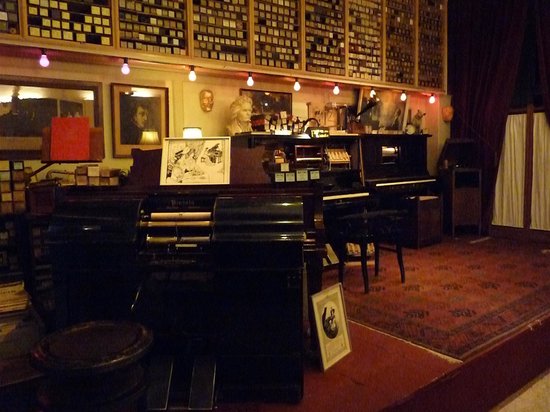
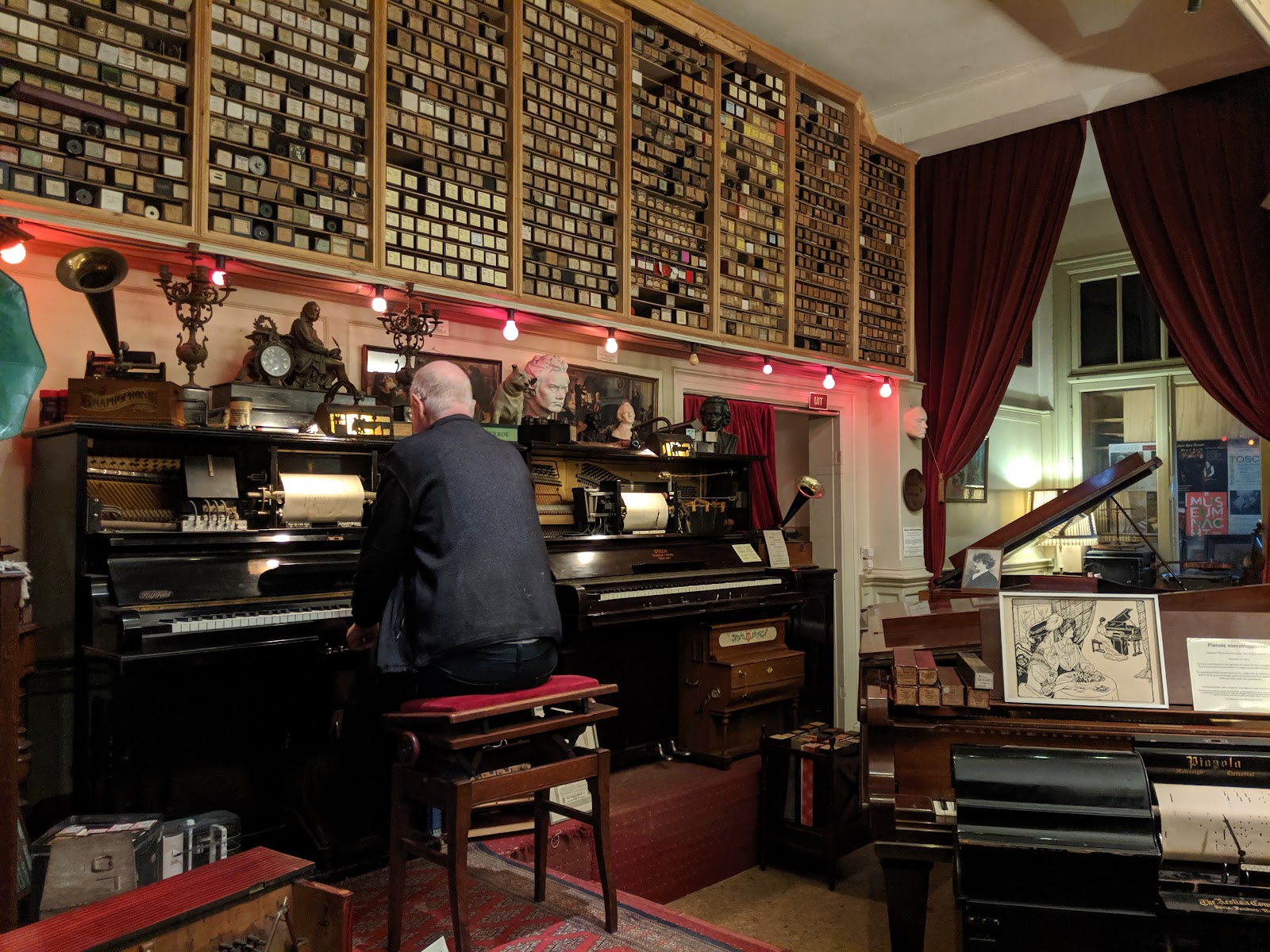
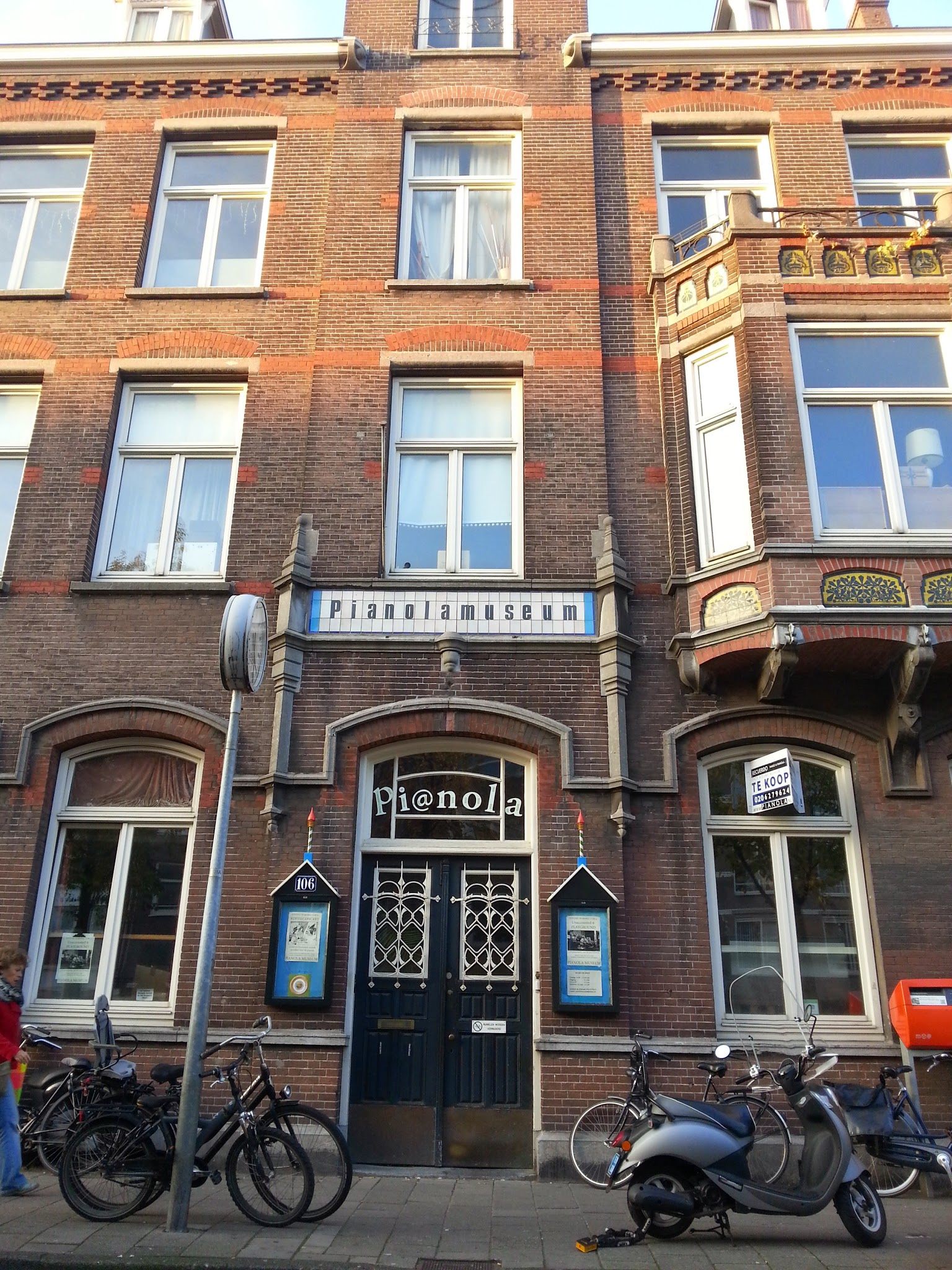
On Westerstraat — a street that was once a canal — a former police station houses one of the more quietly absorbing collections in Amsterdam: over 40,000 paper music rolls and around fifty pianolas, the self-playing pianos that briefly made recorded music something you could watch as well as hear. The building is more than 300 years old, and the museum café and salon are dressed in the Art Nouveau and Art Deco style of the pianola's heyday, roughly 1900 to 1930.
The entrance fee covers a guided tour, during which curator Kasper Janse or another specialist will actually play the instruments for you — Mozart alongside Fats Waller, rare jazz rolls that existed nowhere else in the world. It is a working museum, not a display case.
💛 What travellers fall for
People who come back tend to time a visit around one of the weekly concerts — jazz evenings, poetry and music salons, children's afternoons. The programme shifts constantly, and the salon is small enough that there's no bad seat. Email ahead if you're bringing a group; the staff are responsive and the appointment system is genuinely flexible.
The story behind Pianola Museum
The Netherlands Piano Museum Foundation was established in 1981 by Theo de Boer and Kasper Janse, and the museum moved into its current home — the former police station on Westerstraat — in 1994. The building's age and its previous life as a place of municipal authority sit in quiet contrast to what it now contains: a collection built on the premise that the pianola, largely dismissed as a novelty after the rise of radio and the gramophone, deserved serious documentation.
In 2018 the museum faced closure when the Amsterdam municipality moved to shed real estate not directly tied to city policy. A campaign drawing tens of thousands of signatures, backed by major institutions and musicians, secured the museum's survival — though at a significantly higher rent. The collection, and the weekly concerts, continue.
Good to know
Open Friday and Saturday 13:00–17:00, Sunday 13:00–16:00 only — plan around it. Tram 13 or 17 to Westermarkt gets you there in minutes. Allow a full hour and a half for the guided tour with demonstrations. Free entry with the iAmsterdam card.
Where is Pianola Museum?
More tickets & tours for Pianola Museum
Book directly at the provider
What travellers say about Pianola Museum
A small but well run museum focusing on the playing piano. Excellent guides and you end up spending an hour there watching/hearing the pianos work, learning the history and you even got to try your hand at it as well. Very enjoyable and unique / off the beaten path thing to do in Amsterdam.
Fantastic museum. There is an incredible amount of history and technology crammed into this museum. If you want to see what is essentially and air powered computer invented in the late 1800s stop in here. The tour guide/curator does an amazing job of presenting and explaining the history of what we call the player piano. It's history deserving of preservation.
I came across this museum months before visiting Amsterdam and had it on my list for a while. This was the highlight of my trip. I felt like I was transported back in time. Seeing & re-learning the rich history of piano players and hearing the music was a very unique experience. Kasper & Hank were lovely and extremely knowledgeable. This is a hidden gem in the city. I’d recommend to anyone, just note, they have specific hours & days they are open, so make sure to look in advance.
I visited 10 museums in Amsterdam and this one is a hidden gem! The pianolas are fun and their history is interesting. I signed up a petition to keep and help this museum because it's unique and should be preserved!
I had the most amazing time here at The Pianola Museum in Amsterdam. Very unique museum. The lady at reception was lovely and very helpful. The main tour guide I had was an absolute gentleman. I arrived in the middle of him giving a Tour to three other people and did the whole tour again for me when they left. We had a lovely chat and he was telling me about the full history of Pianolas from different eras and even let me try one out myself. For €9 entry it was extremely good and fun. Would absolutely recommend and I will be back!!
More of Jordaan
Discover where to stay, what to do and the best deals for your trip.
Explore Jordaan →More attractions in Jordaan
All of Jordaan →


Background adapted from Wikipedia (CC BY-SA) · map data © OpenStreetMap contributors · ratings & place photos via Google · other photos with per-image credit. Ticket links may earn us a commission at no extra cost to you.