
Amsterdam Centrum
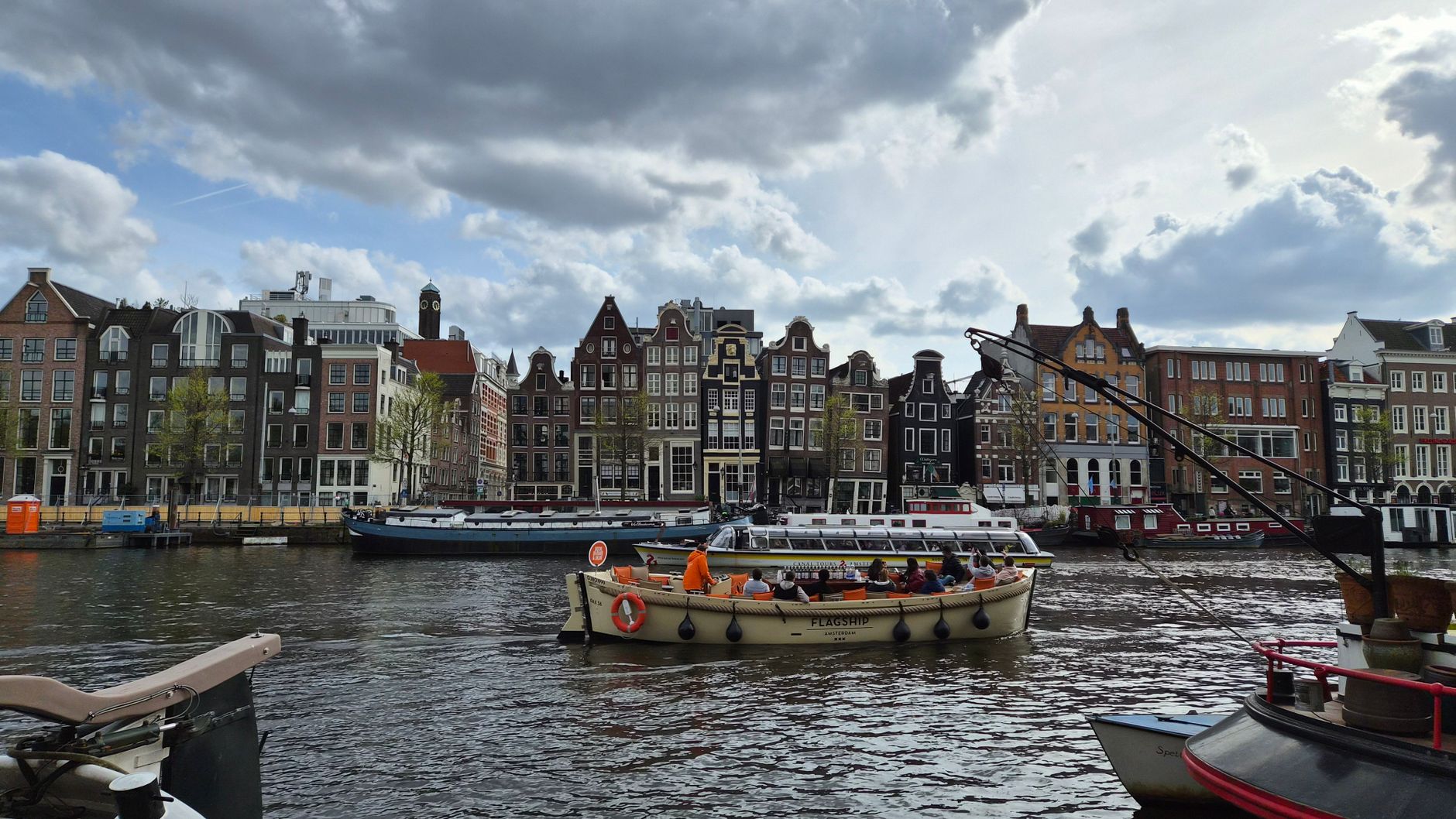
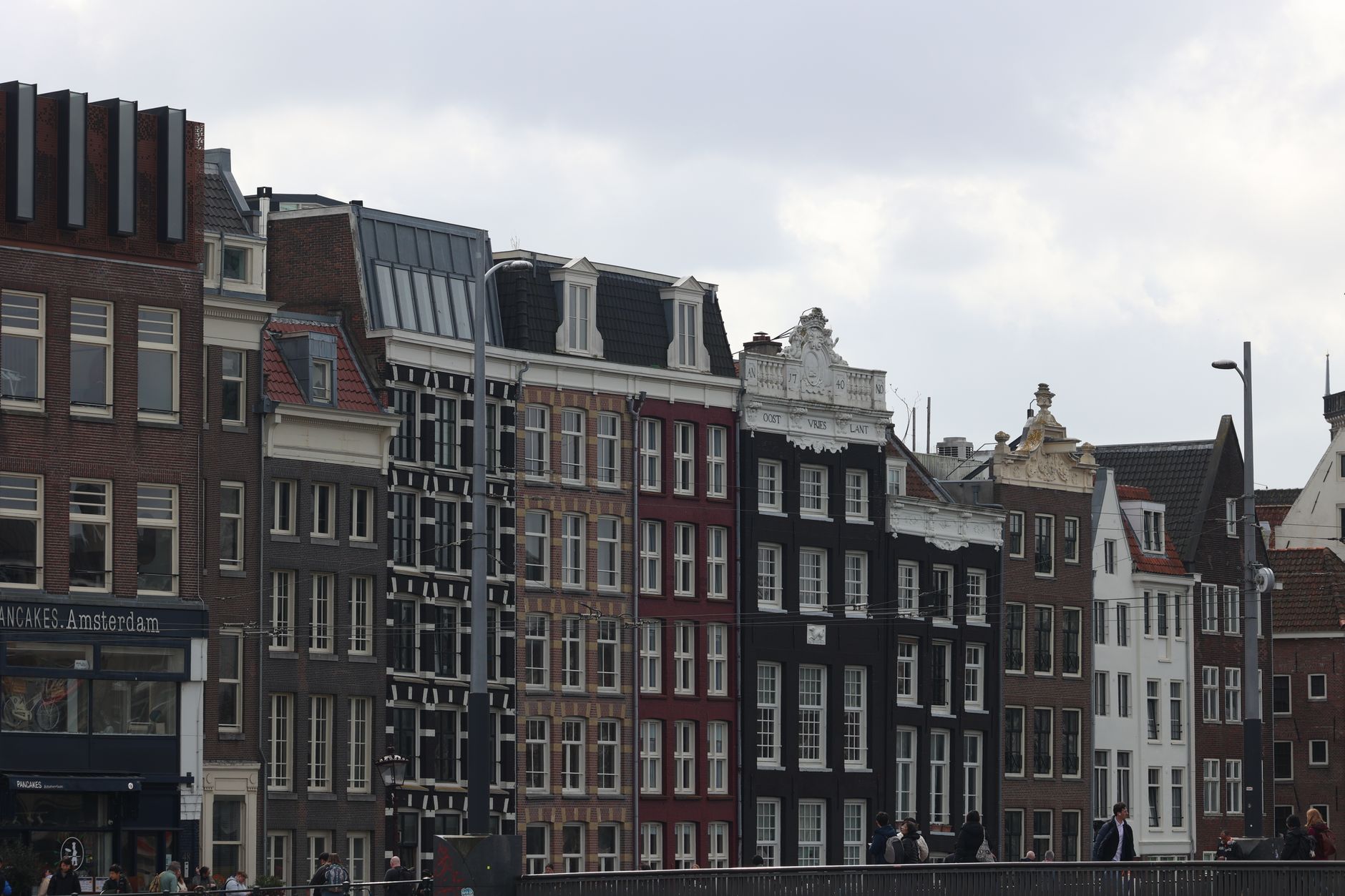
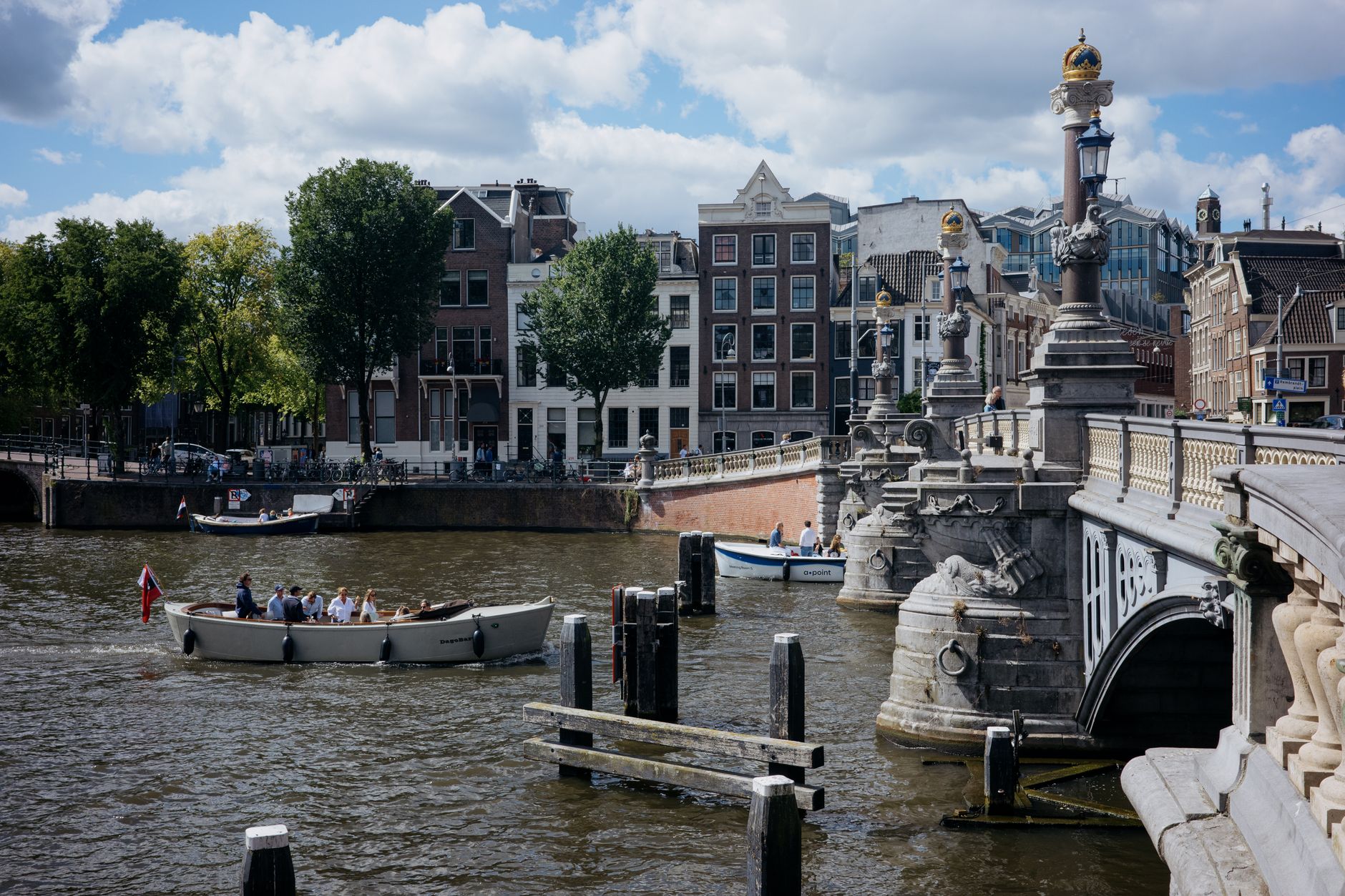
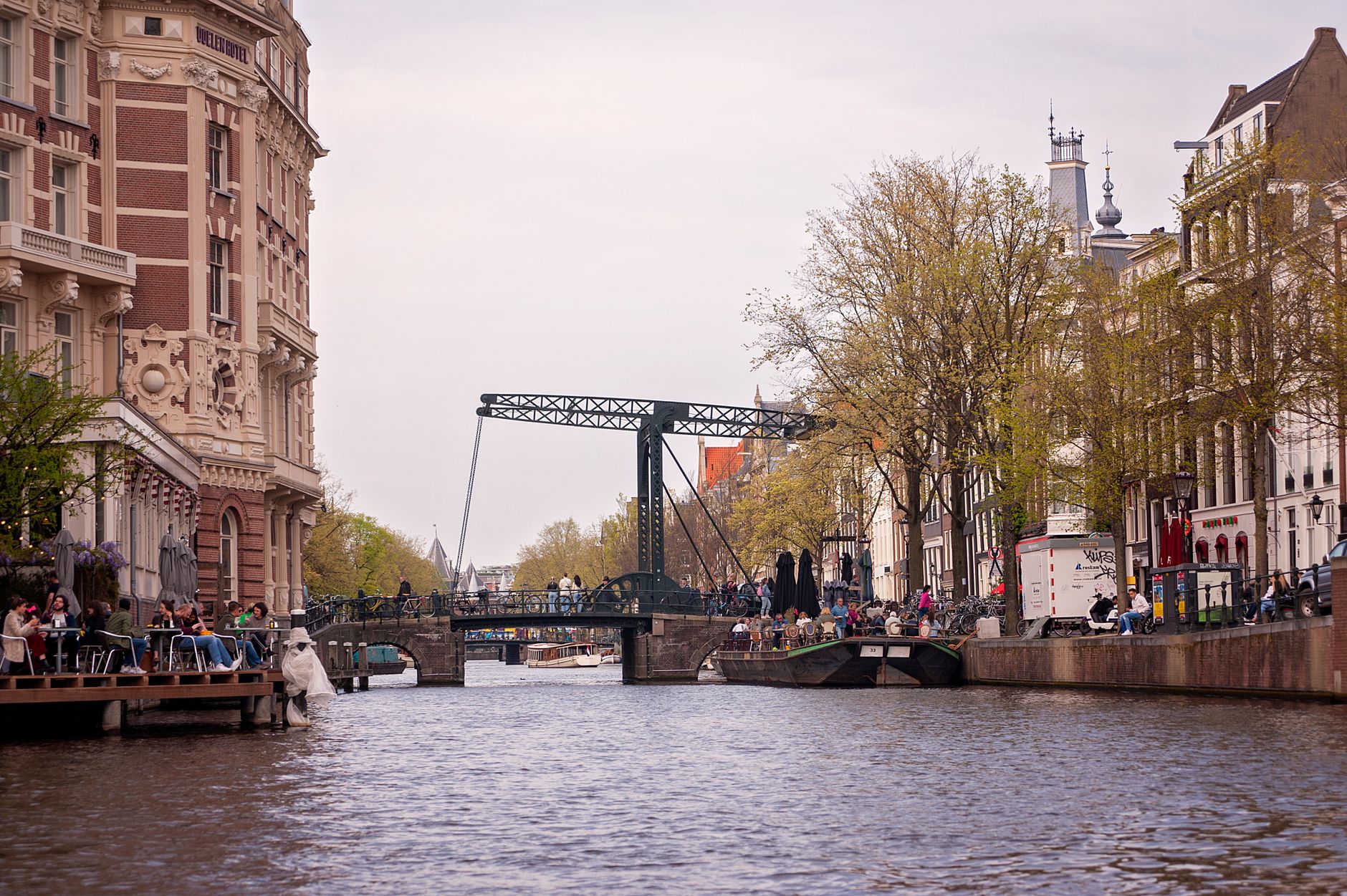
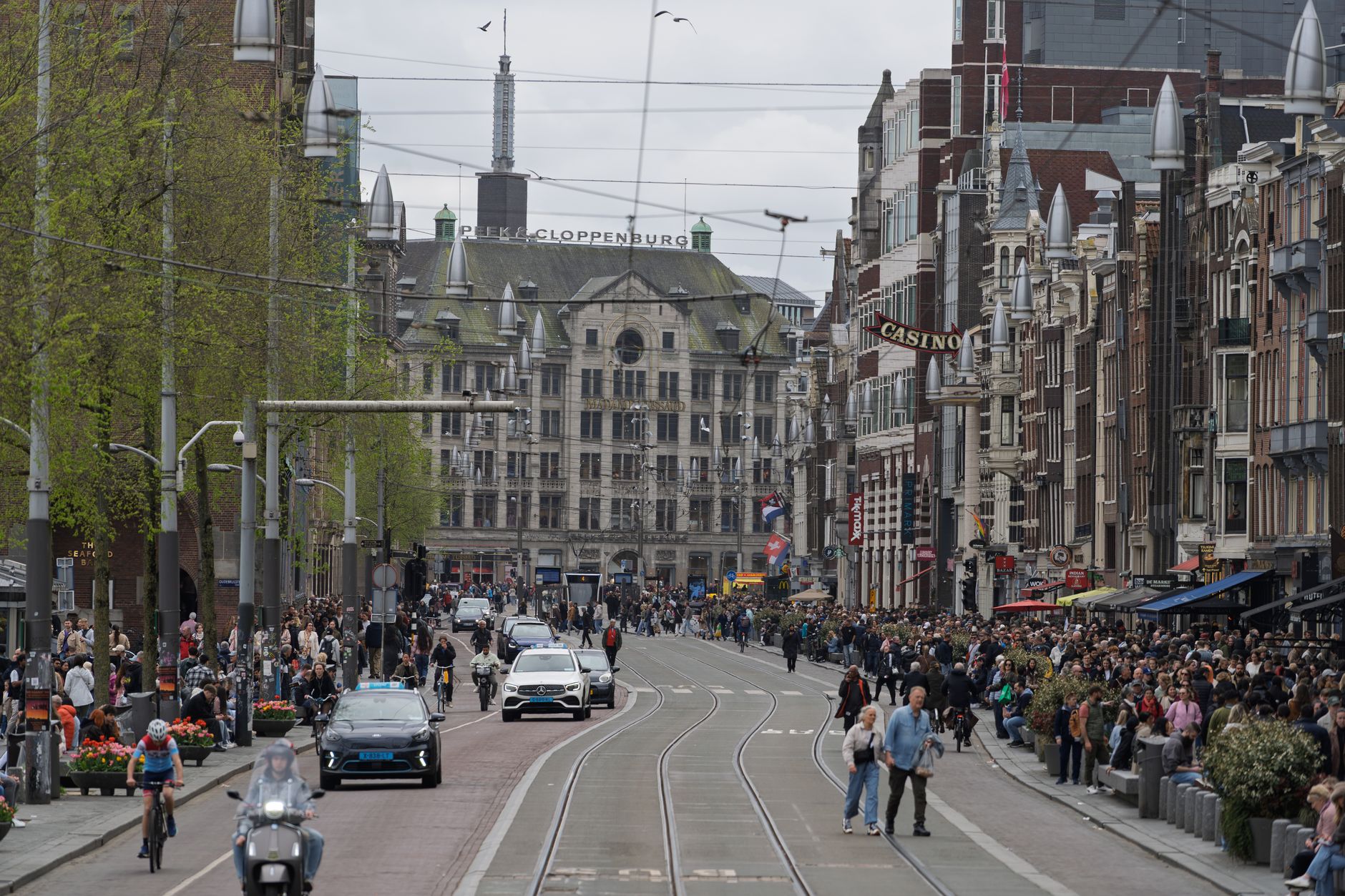
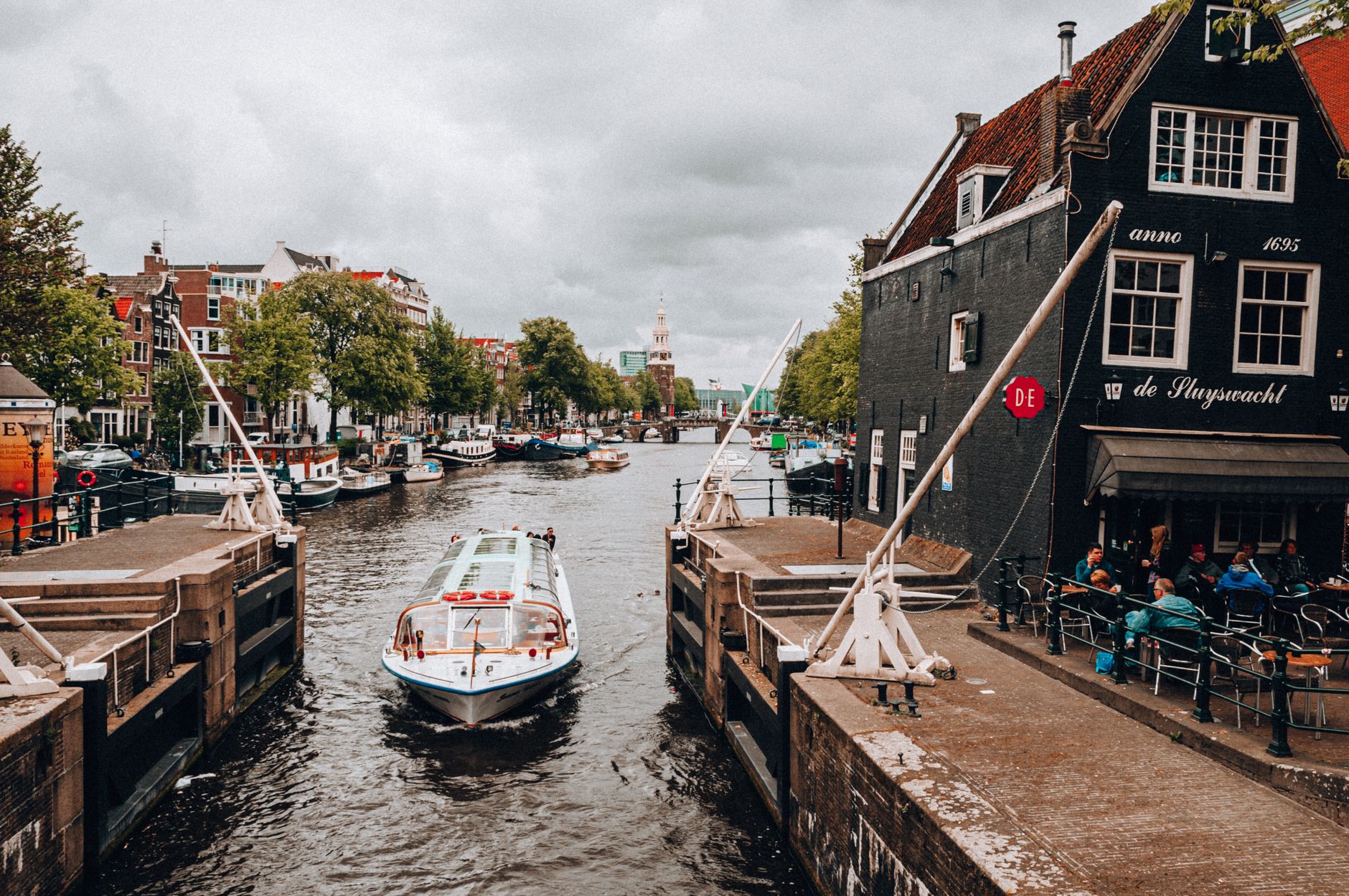
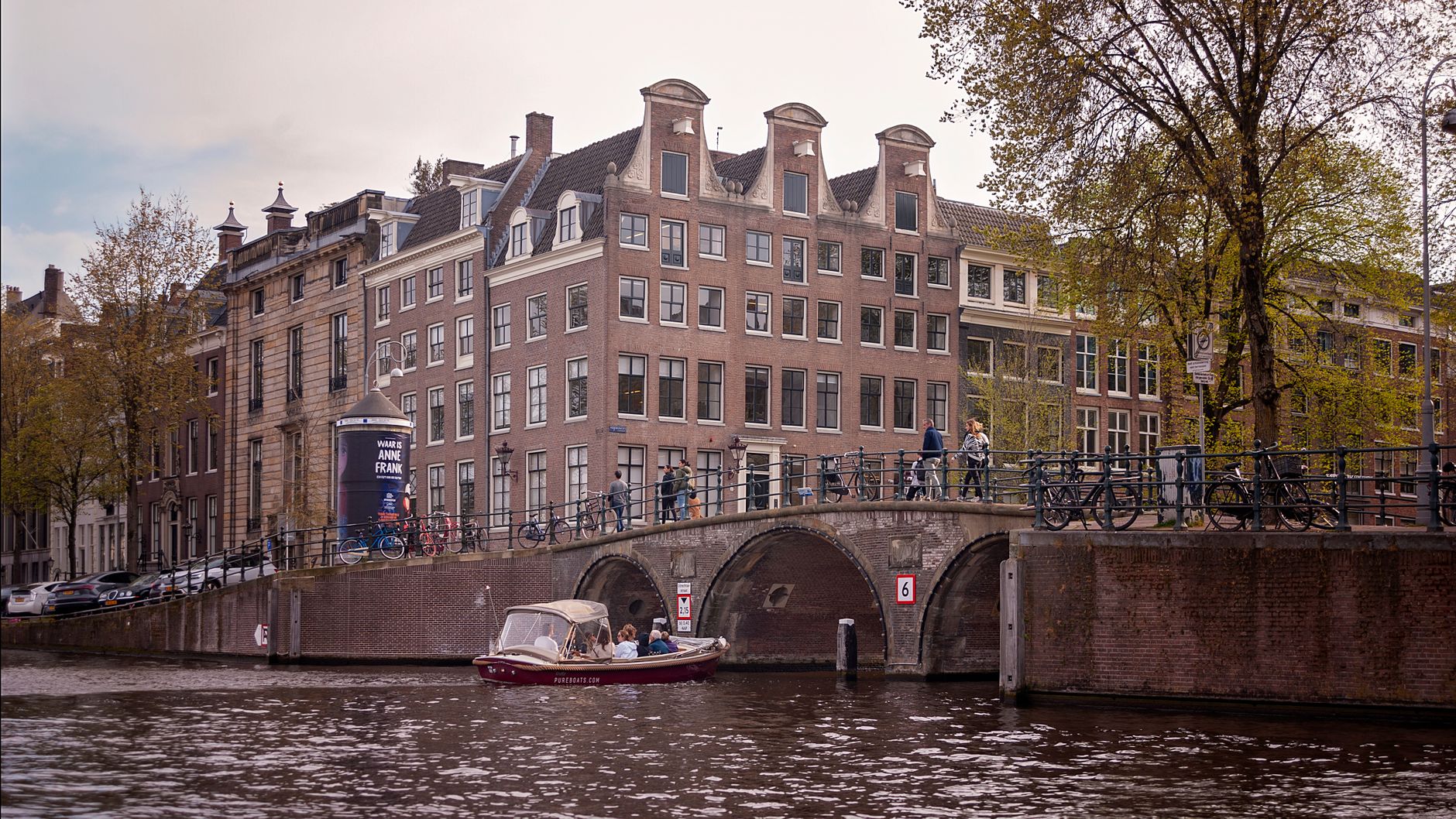
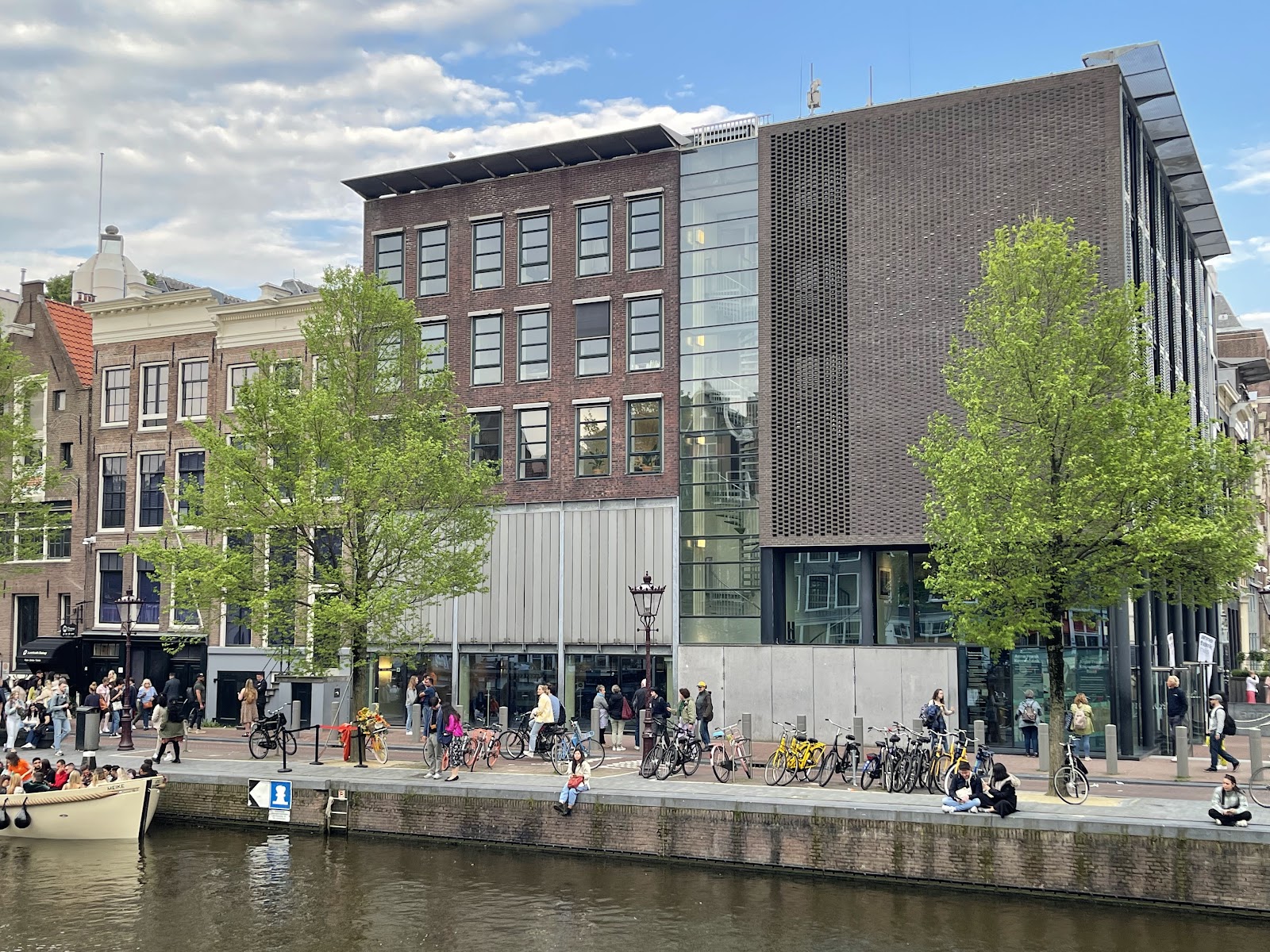
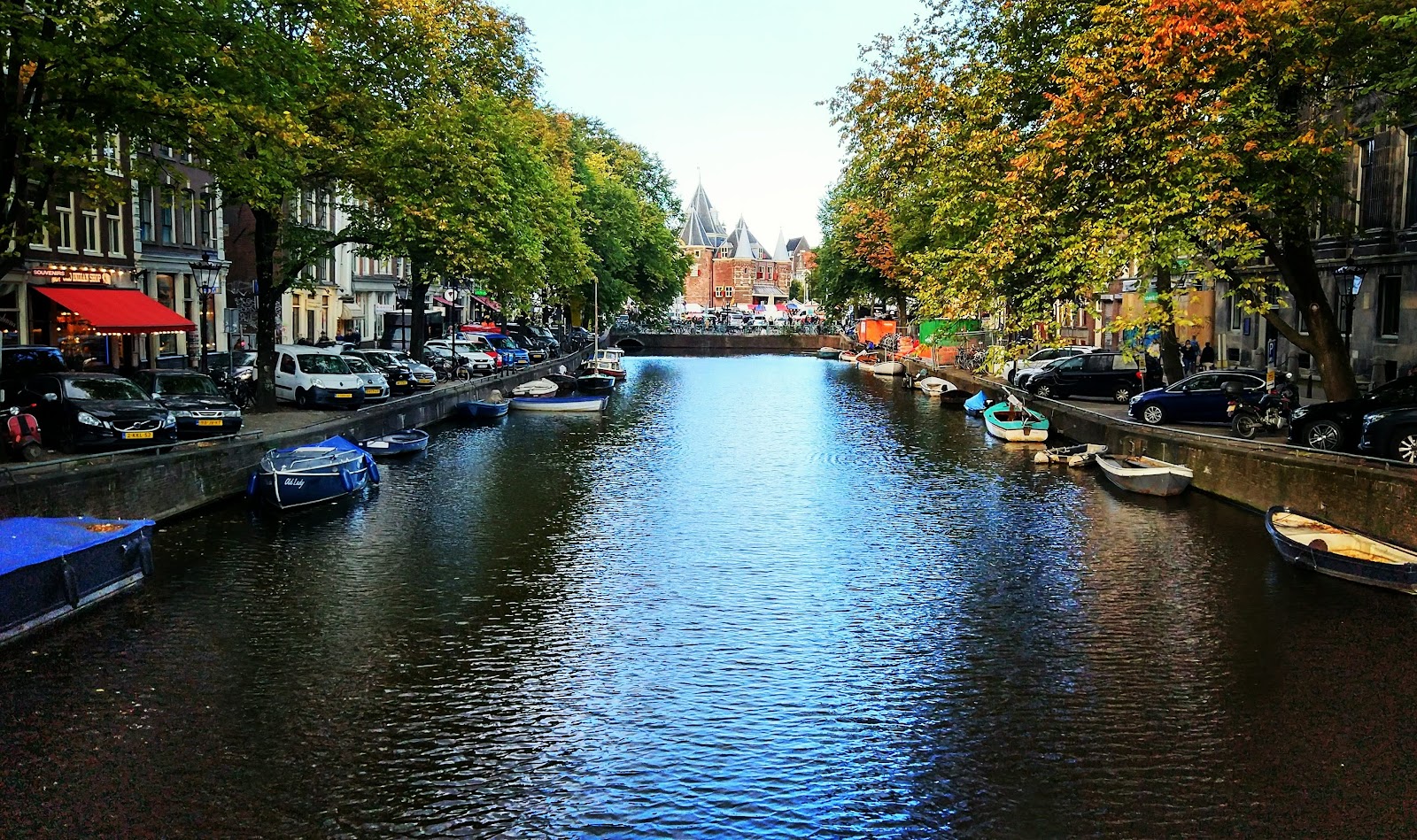
Every map of Amsterdam Centrum eventually leads you back to water. The city has 165 canals running a combined 75 kilometres, and in the oldest part of the city — roughly 1.5 kilometres north to south, small enough to cross in half an hour — those canals are the architecture. The three great concentric arcs of Herengracht, Keizersgracht and Prinsengracht were dug between 1613 and 1665, and the merchant houses that line them have barely shifted since.
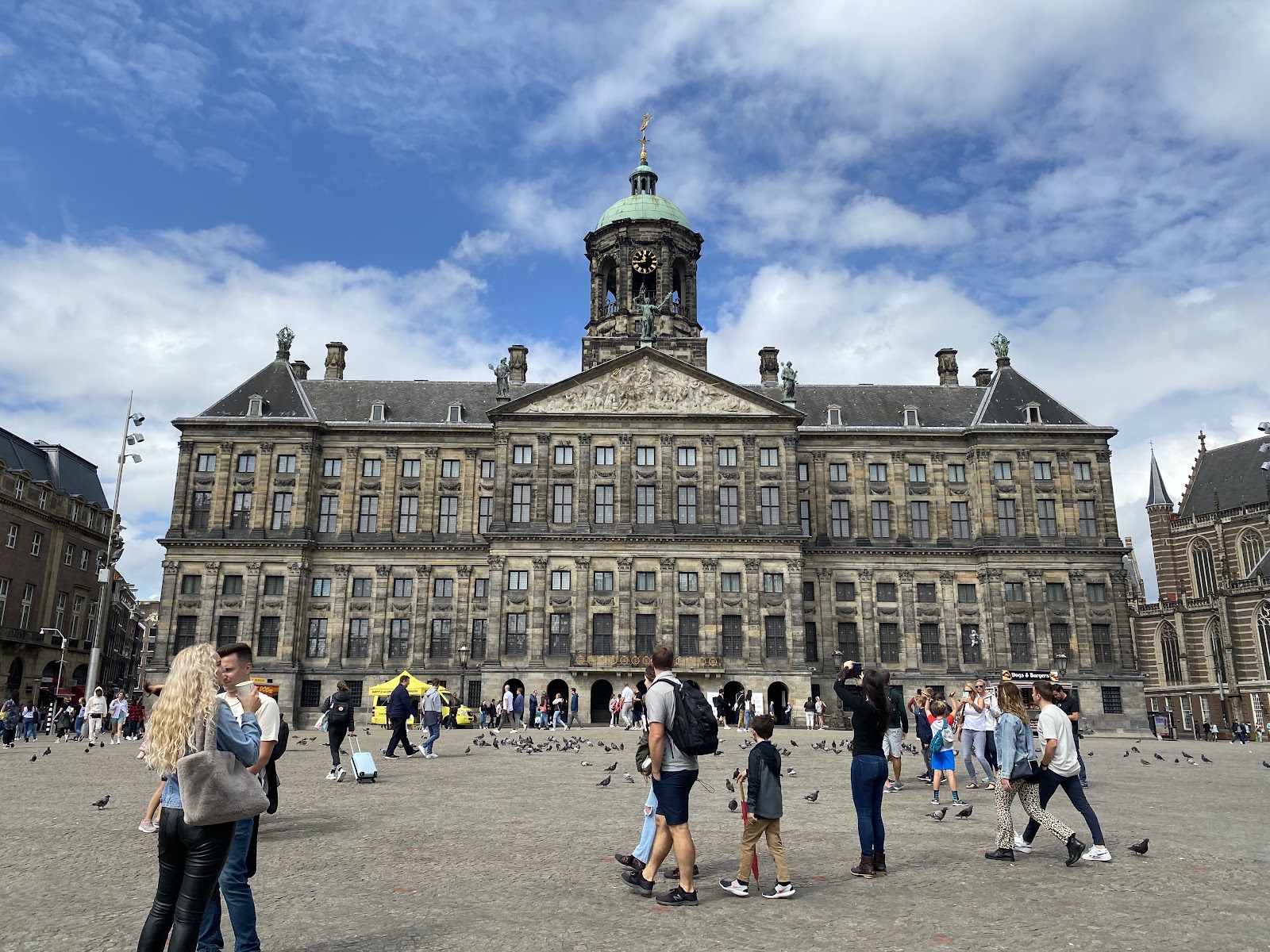
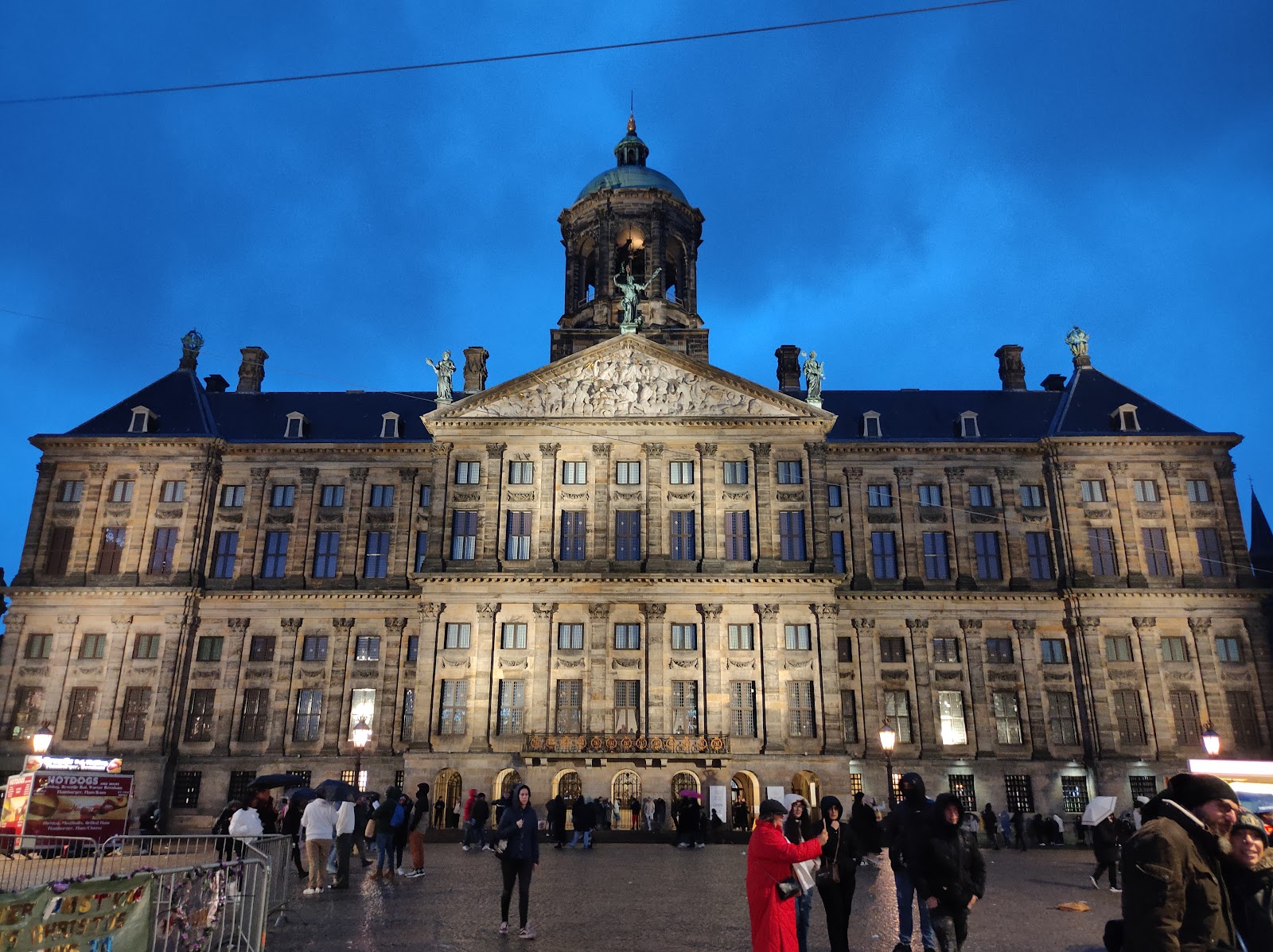
This is where Amsterdam began: a dam across the Amstel around the mid-13th century, a toll concession from Count Floris V in 1275, city rights in 1300. The Oude Kerk, built around 1300, still stands. So does the Royal Palace on Dam Square, which opened in 1655 as the largest secular building in Europe. The centre holds an unusual amount of its own past.
💛 What travellers fall for
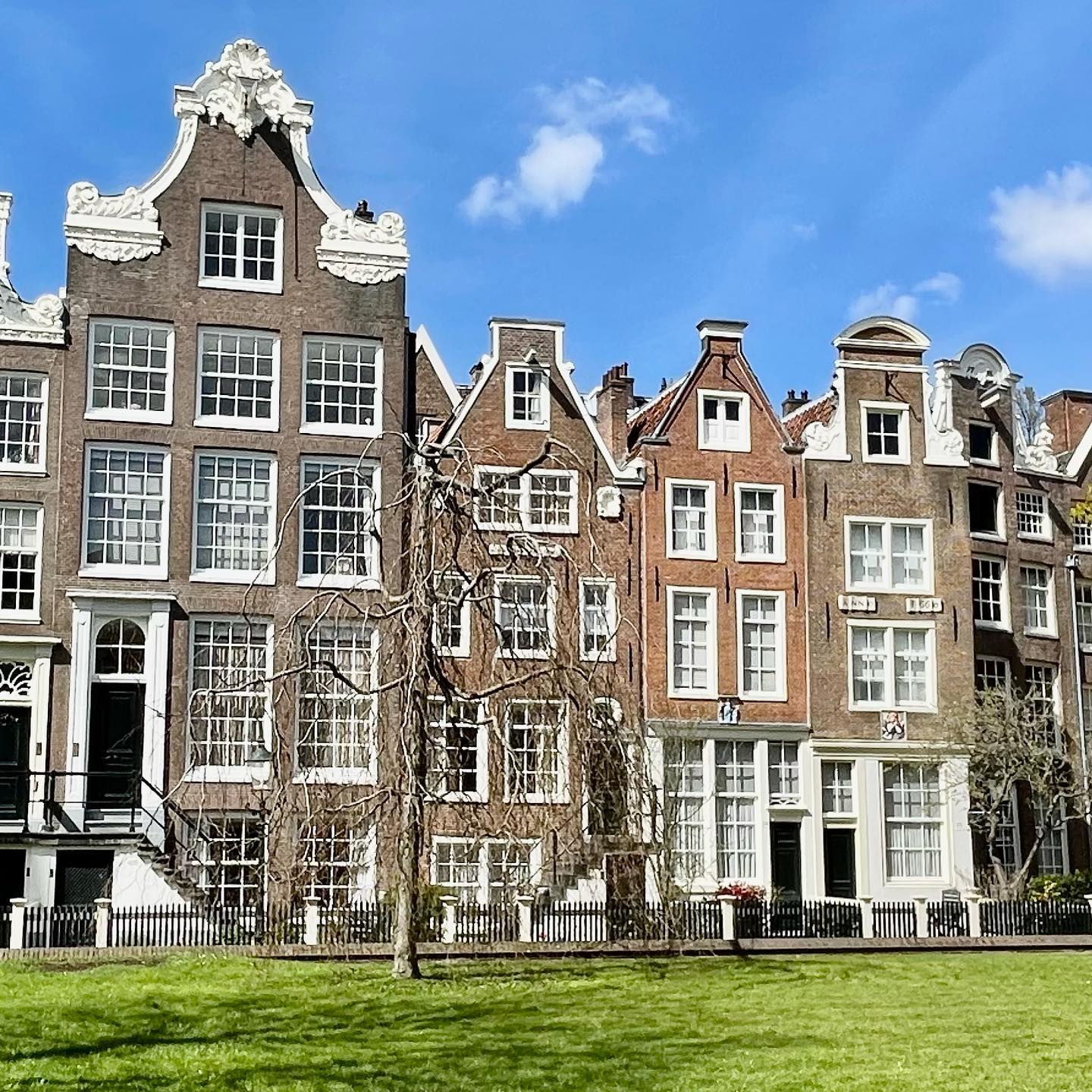
People who come back regularly tend to take Tram Line 2 at least once — not as a sightseeing gimmick but because it threads past the flower market, Dam Square, the Rijksmuseum and the canal belt in one clean run. They also learn early that the Begijnhof courtyard, tucked behind an unmarked door, is one of the quieter corners in the whole district.
Experiences you don't want to miss


Deals in Amsterdam Centrum
Book directly at the provider

How Amsterdam Centrum came to be
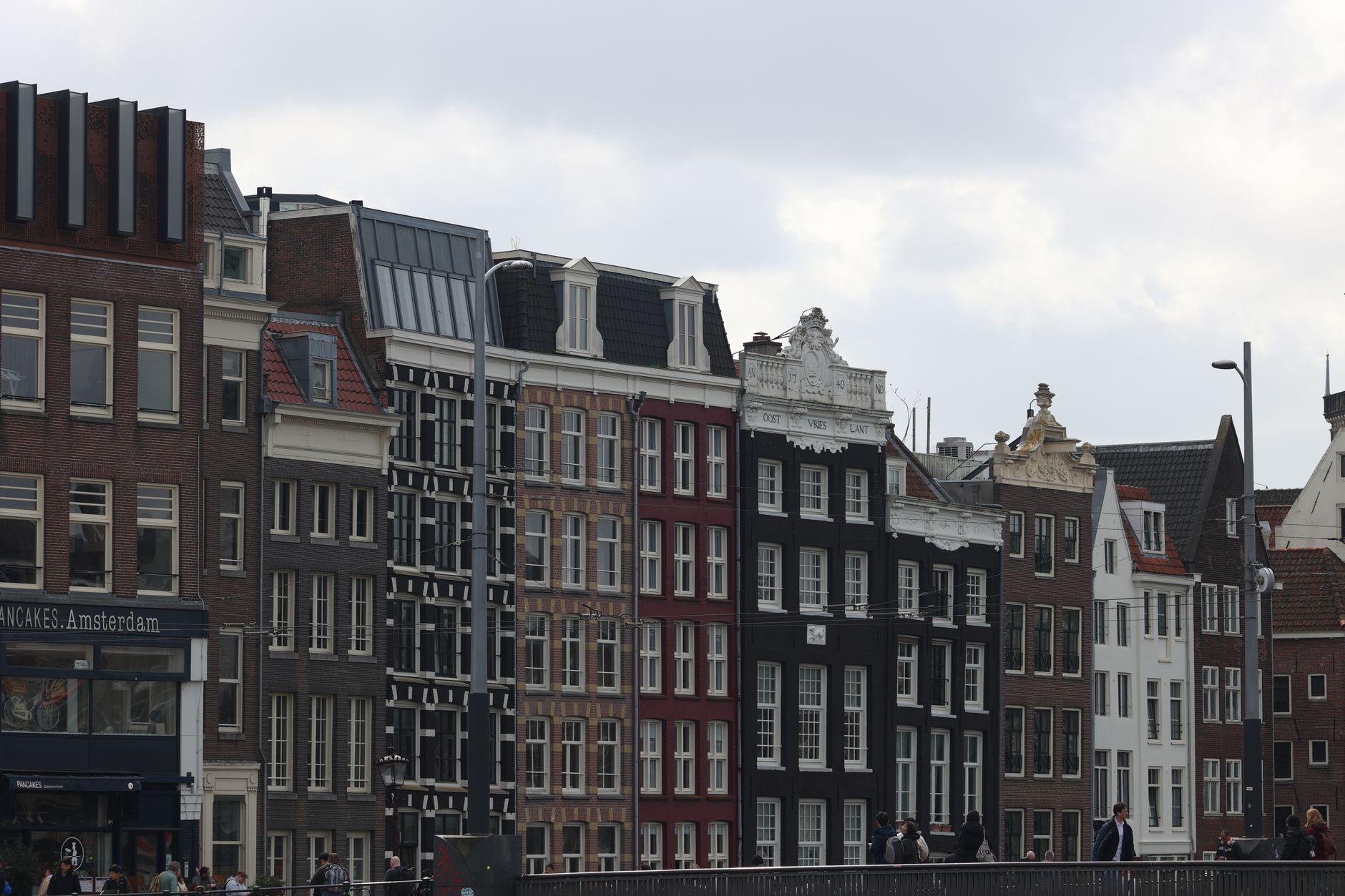
The settlement that became Amsterdam started as a fishing community on boggy ground at the mouth of the Amstel, with archaeological traces going back to around 1150–1215. A dam was built across the river to control flooding — the name follows directly from that act of engineering. By 1275, Count Floris V of Holland had granted the settlement a toll privilege, the first written record of the place. City rights followed in 1300.
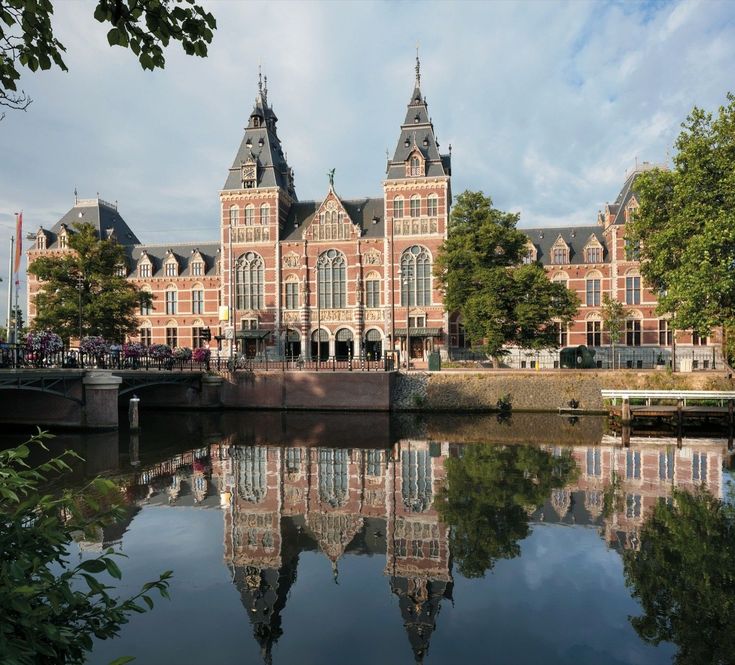
The Golden Age, roughly 1585 to 1672, turned a trading town into a global one. The VOC — the Dutch East India Company — was founded here in 1602, and the wealth it generated funded the canal belt that reshaped the city between 1613 and 1665. Jacob van Campen's Town Hall rose on Dam Square in 1655; Pierre Cuypers gave the city its Centraal Station in 1889 and its Rijksmuseum in 1885. In 2025, Amsterdam marks 750 years since that first documented mention.
Who and what shaped it
People who shaped it
Landmark buildings
See Amsterdam Centrum in motion
Plan your visit
On the map
When to go
Spring (April–May) brings mild temperatures and tulip season, with manageable crowds before summer peaks. July and August are warm but draw the largest numbers of visitors; if you're here then, mornings are your best hours. Autumn is grey and often rainy but the canals are atmospheric and the city quieter. Winter is cold, sometimes bitterly so, but the low light on the water has its own quality.
Right now
↡ Attractions
Background & history adapted from Wikipedia (CC BY-SA) · specs from Wikidata (CC0) · weather from Open-Meteo · map data © OpenStreetMap contributors · photos from Wikimedia Commons / Unsplash with per-image credit. No third-party reviews or social posts reproduced.