
Rijksmuseum
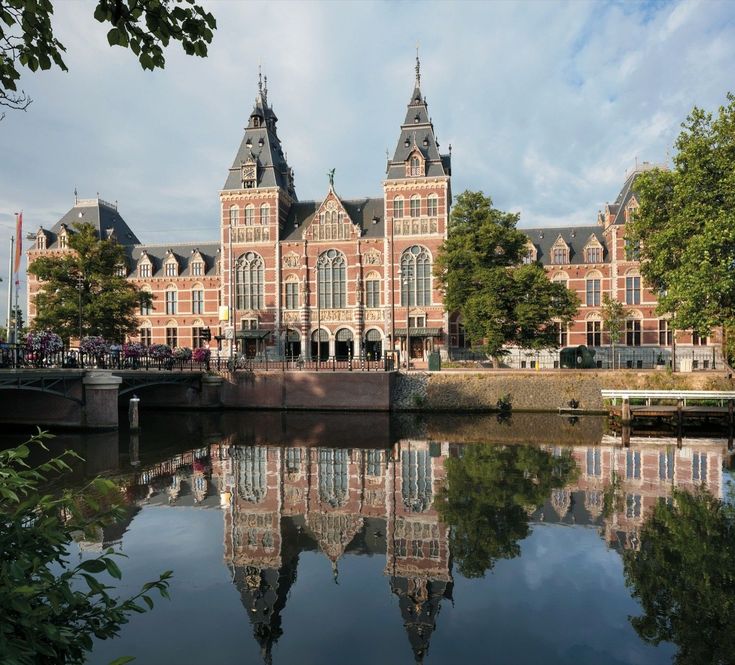
The first thing you notice, arriving from the city centre, is that you pass through the building before you enter it. The bicycle tunnel cuts straight through the Rijksmuseum's ground floor — a condition written into Pierre Cuypers's original 1876 commission — and cyclists still stream through it daily, indifferent to the Gallery of Honour directly above their heads.
Upstairs, 8,000 objects drawn from a collection of one million span the years 1200 to 2000. The Night Watch hangs in its own room at the end of the Gallery of Honour, which Cuypers designed to read like a Gothic cathedral nave, coats of arms of the eleven Dutch provinces carved into the capitals.
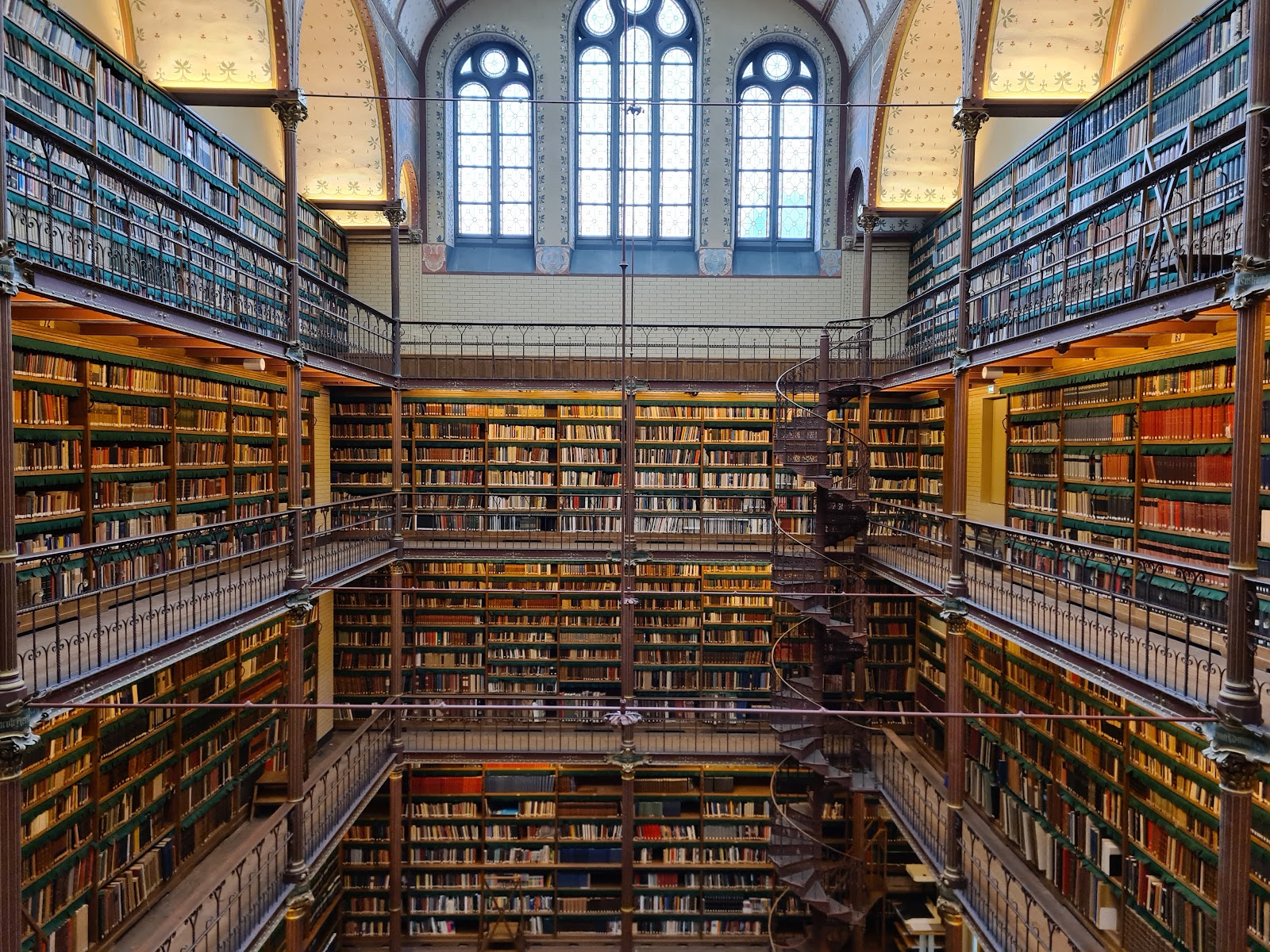
💛 What travellers fall for
People who return tend to skip the Night Watch room until after 3 pm, when the tour groups thin. They head first to the Asian Pavilion — designed by Cruz y Ortiz and opened in 2013 — or the Philips Wing's architectural fragments, then work backward. Tuesday and Wednesday mornings are reliably quieter than weekends.
The story behind Rijksmuseum
The Rijksmuseum traces its founding to 19 November 1798, when the Batavian Republic — following the French model that had produced the Louvre — resolved to create a national collection. It opened on 31 May 1800 in Huis ten Bosch in The Hague, with around 200 paintings and objects from the stadtholders' former holdings. Napoleon's installation of his brother as King of Holland prompted the move to Amsterdam in 1808, first into the Royal Palace on Dam Square, then the Trippenhuis.
The current building is Cuypers's work, a commission he won by unanimous jury decision in July 1876. He drove 8,000 wooden piles into the Amsterdam soil for the foundation and fused Gothic and Renaissance styles in a building that divided opinion from the start. It opened in 1885. After a decade-long, €375 million renovation, Queen Beatrix reopened it on 13 April 2013.

Good to know
Tickets (€22.50 adults, free under 18) must be booked online with a start time — no door sales, no cash. Trams 2, 5, and 12 stop at the Rijksmuseum. Last admission is 4:30 pm; once in, you can stay until 5 pm. Allow two hours minimum, three to four for a thorough visit.
Where is Rijksmuseum?
Location
- In Amsterdam Centrum
- 52.3600, 4.8852
- Open in Google Maps
Rating
4.7 ★ · 113,777 Google reviews
More tickets & tours for Rijksmuseum
Book directly at the provider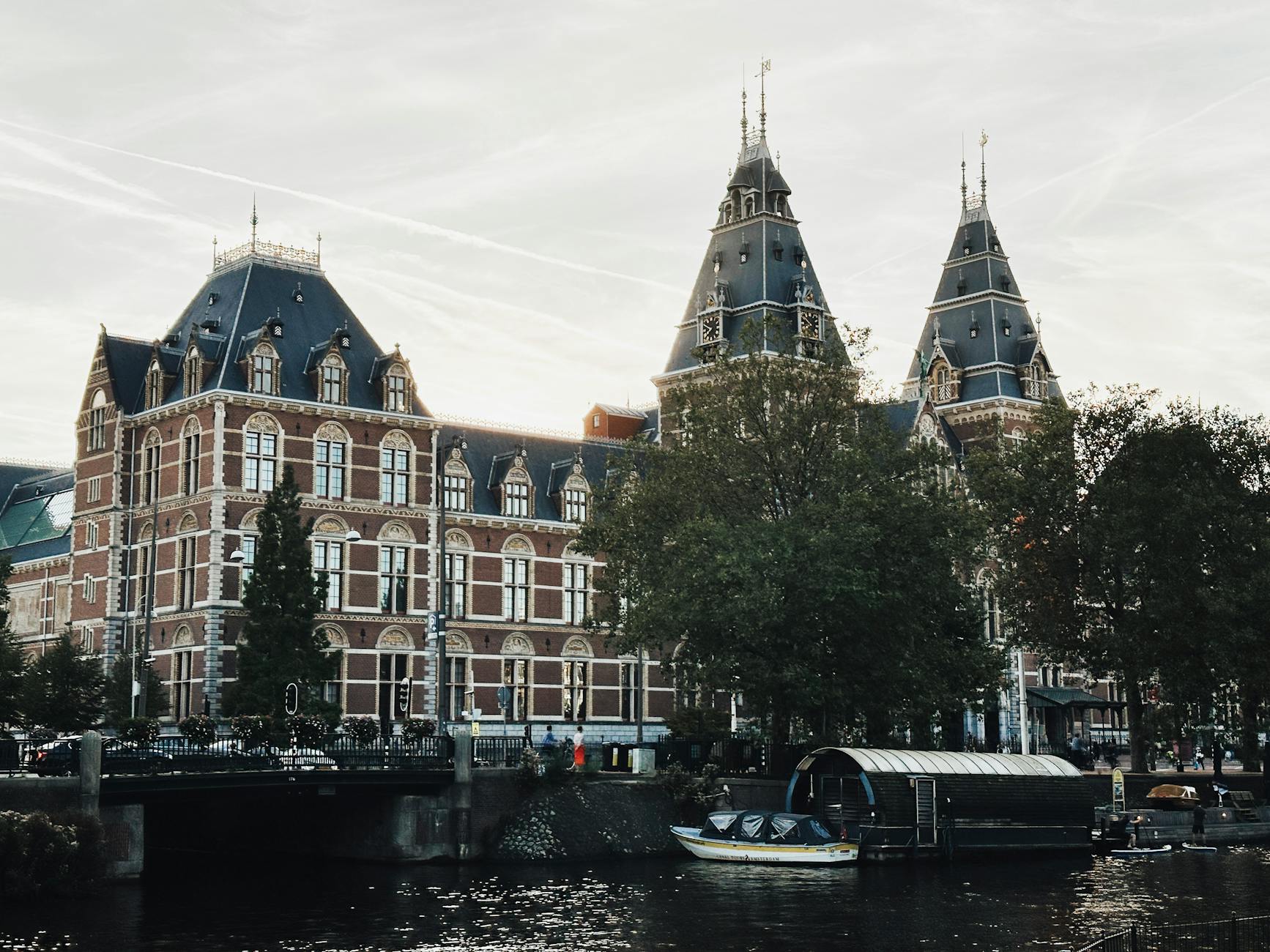
What travellers say about Rijksmuseum
Great museum with lots to see. It’s close enough to the Van Gogh Museum that visiting both in a single day is very doable. The Night Watch is still in restoration, a process that has been underway since 2019. The work is so subtle that I barely noticed it at first, and it looks like they’re nearing the end. I came on a Tuesday morning with a reservation for 10:00am and got through without an issue. I spent around 2.5 hours exploring the museum. Perfect for a rainy day. If you plan to use the audio guide, make sure to bring your own plug in headphones. They have them included but it's not that comfortable. The audio guide is also just a cellphone with the app preloaded onto it. A rather large and heavy cellphone that you will carry around your neck. So if you rather use your own and just download the app, it will be more comfortable.
It is definitely a museum that you can spend a minimum of 1 hour and 30 minutes here, even if all the rooms do not interest you. There are 4 floors of exhibitions to take in with over 50 different rooms, each showcasing different centuries, from the 1100s to before the 21st century. Lockers and toilets are provided too, and there even is a gift shop and café if you are feeling peckish. It is recommended to come here earlier, since if you start after 3.30pm, there is a chance you might not be able to visit all the rooms. Other than that and the lots of staff making sure that you do not touch any of the paintings, it is alright.
The Rijksmuseum in Amsterdam is an outstanding museum and an absolute must-visit. The collection is beautifully curated and takes you on a fascinating journey through Dutch art and history. Seeing masterpieces like Rembrandt’s The Night Watch in person is truly unforgettable. The building itself is stunning, spacious, and well organized, making the visit enjoyable even when it’s busy. The staff is professional and helpful, and all facilities are well managed. I highly recommend booking the museum’s guided tour (costing €7.50). It lasts about one hour and offers an excellent overview of the main masterpieces, providing deeper insight and context that truly enhances the experience. It’s definitely worth the small additional fee. Plan to spend at least a few hours here to fully appreciate everything. A highlight of any trip to Amsterdam!
An incredible place with so much to see, honestly, it can feel overwhelming. Bring more than enough time to really take it all in; I’d recommend at least 3 hours. Some of the famous paintings require a bit of waiting time to get close, but it’s absolutely worth it.
Rijksmuseum is one of the most popular places to visit in Amsterdam. It is a museum about Dutch history and art and the building itself looks beautiful. Inside you can see many different things, not only paintings. There are famous artworks, old furniture, jewellery, clothes, weapons, ship models and things people used in everyday life hundreds of years ago. Some of the most famous things to see are The Night Watch by Rembrandt van Rijn and The Milkmaid by Johannes Vermeer. You can also see paintings by Vincent van Gogh, beautiful old doll houses, Delft blue pottery and rooms made to look like old Dutch homes. One of the nicest parts is the Gallery of Honour, where many famous paintings are shown together in one long hall. The museum is very big, so most people spend about 2–4 hours there. There is also a café and a gift shop with souvenirs and books. Tickets are usually around €25 for adults, and visitors under 18 enter for free. Overall, it is a really nice place because there is a lot more than just art, and everyone can find something interesting inside.
More of Amsterdam Centrum
Discover where to stay, what to do and the best deals for your trip.
Explore Amsterdam Centrum →More attractions in Amsterdam Centrum
All of Amsterdam Centrum →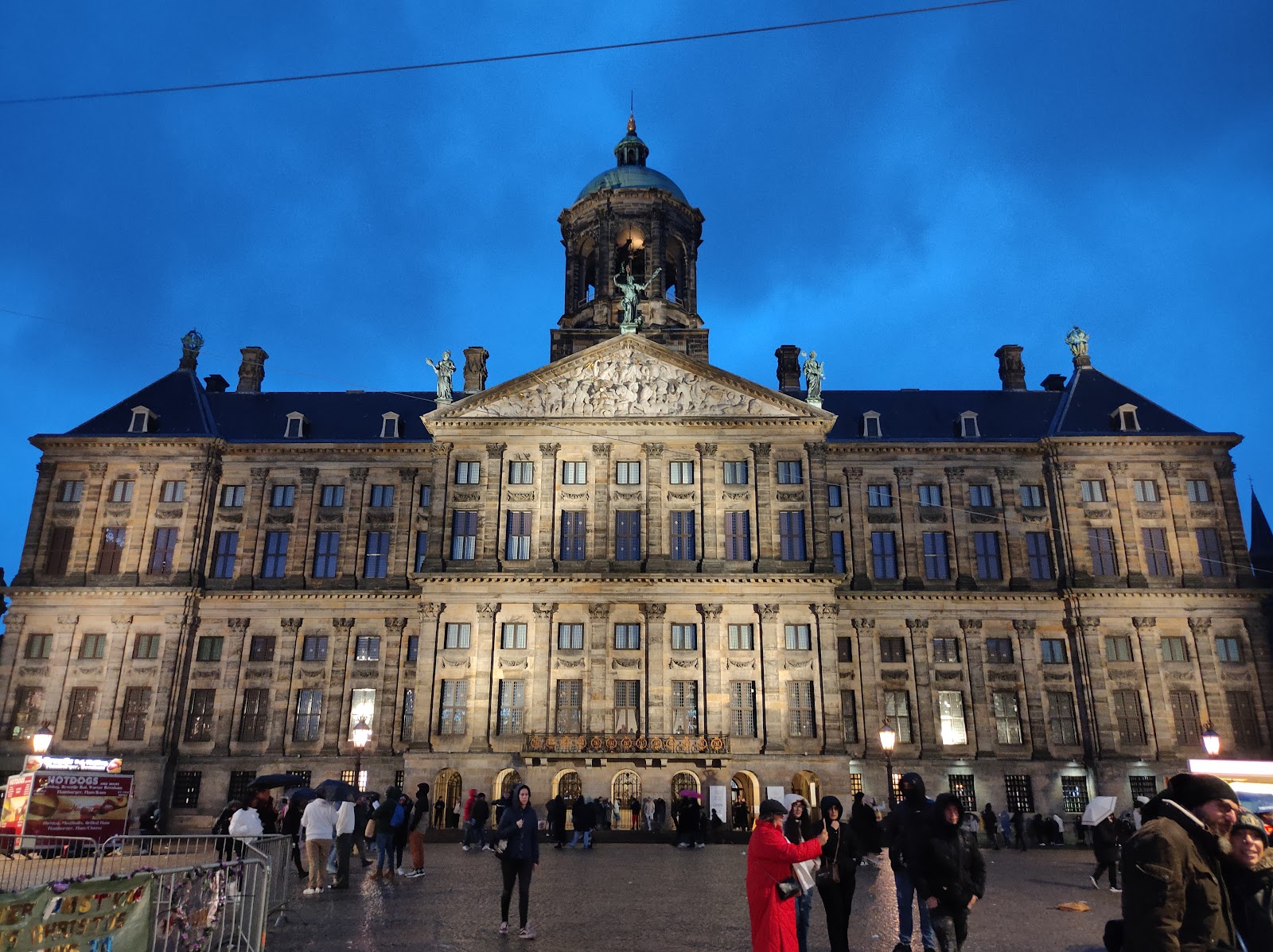
Background adapted from Wikipedia (CC BY-SA) · map data © OpenStreetMap contributors · ratings & place photos via Google · other photos with per-image credit. Ticket links may earn us a commission at no extra cost to you.