
Begijnhof Amsterdam
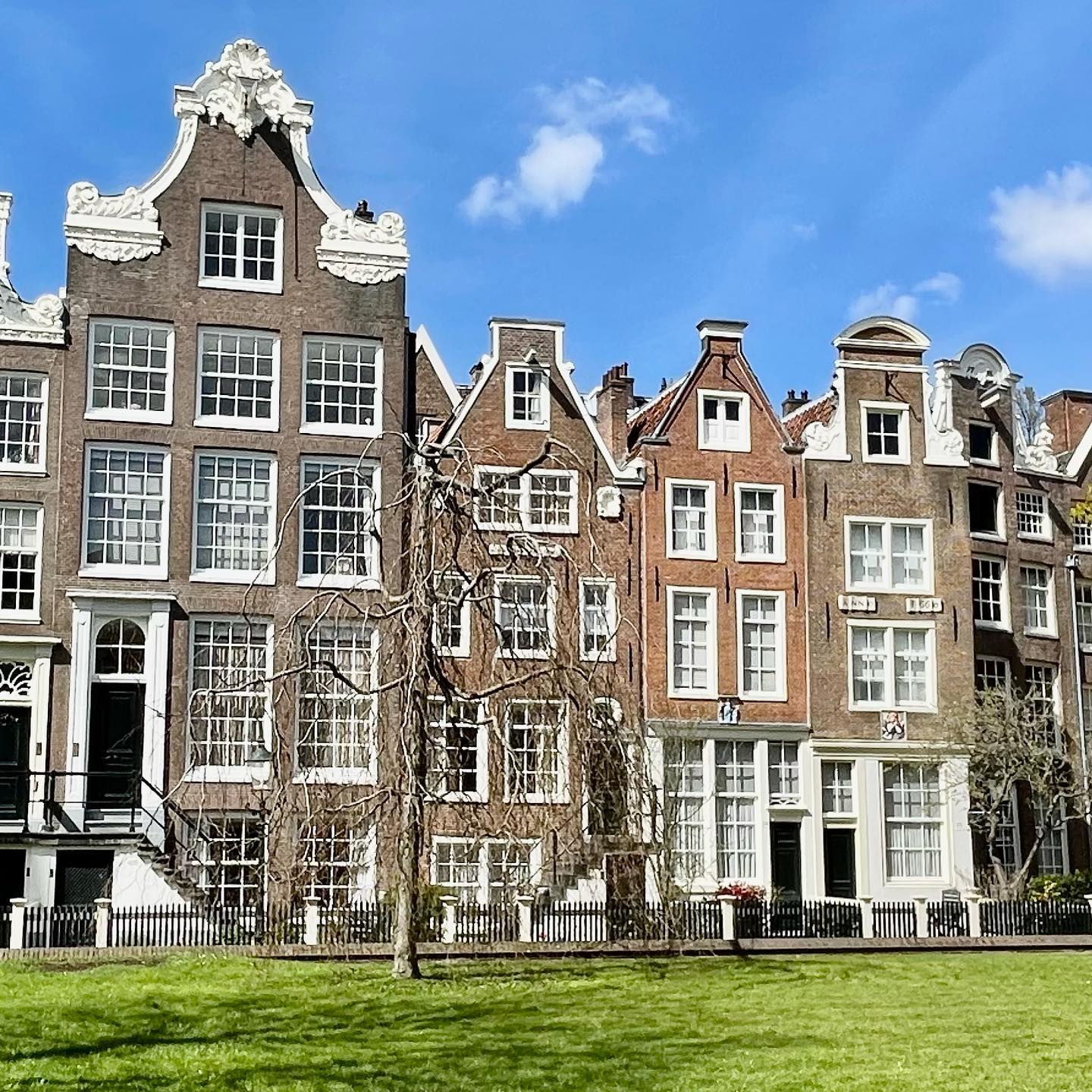
Step through the low gate off Spui and the city drops away — literally. The Begijnhof sits roughly a metre below Amsterdam's medieval street level, and the effect is immediate: quieter air, a grass courtyard, 47 houses each turned at its own angle as if they grew here rather than were built. Green-jacketed stewards keep the atmosphere civil, and more than a hundred women still live in the surrounding houses, which has been the case, in one form or another, since the 14th century.
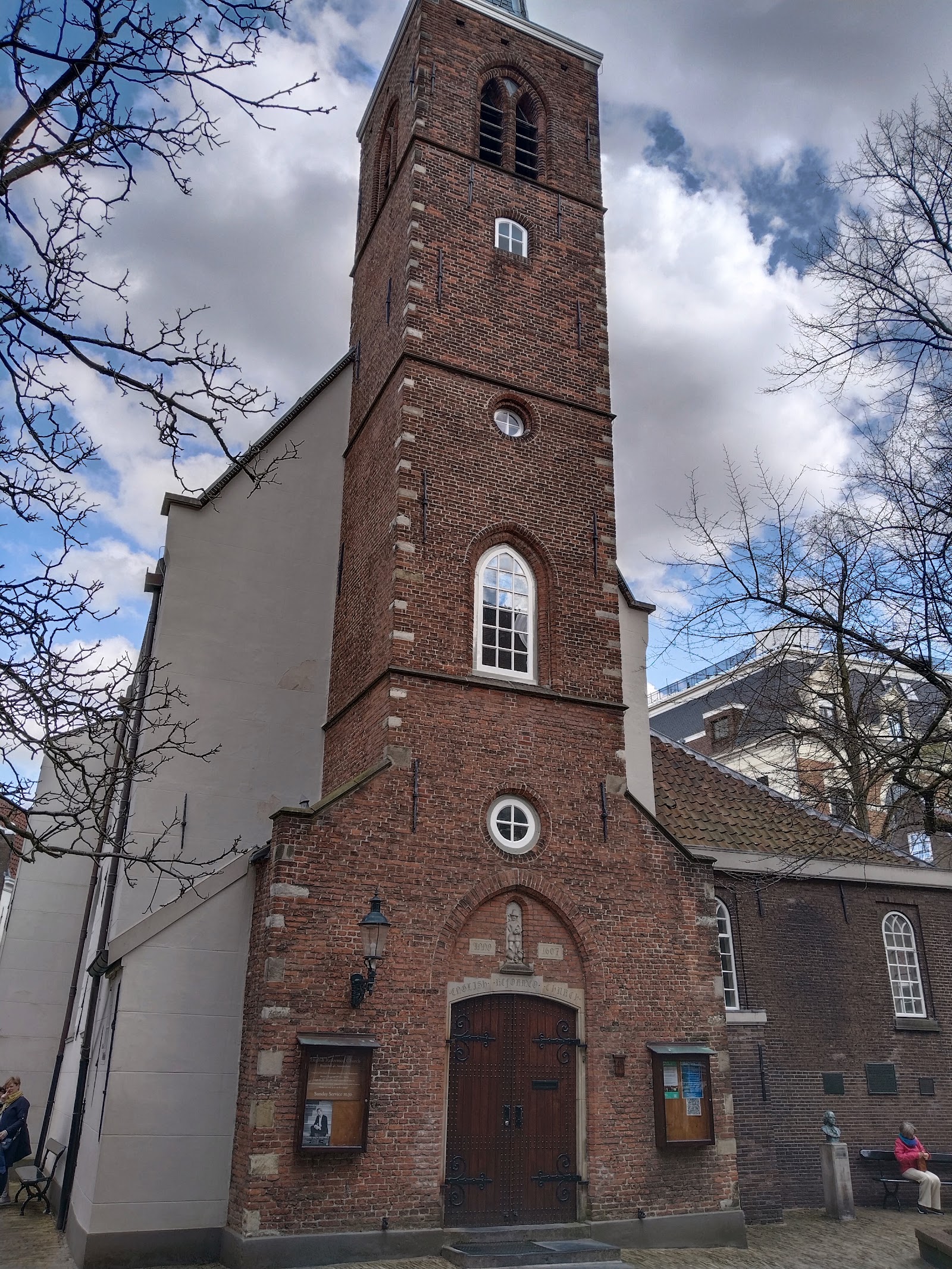
This is not a museum. It is a working residential enclave that happens to contain Amsterdam's oldest wooden house, a hidden Catholic church built into two adjoining dwellings, and an English Reformed church whose pulpit panels were designed by Piet Mondrian.
💛 What travellers fall for
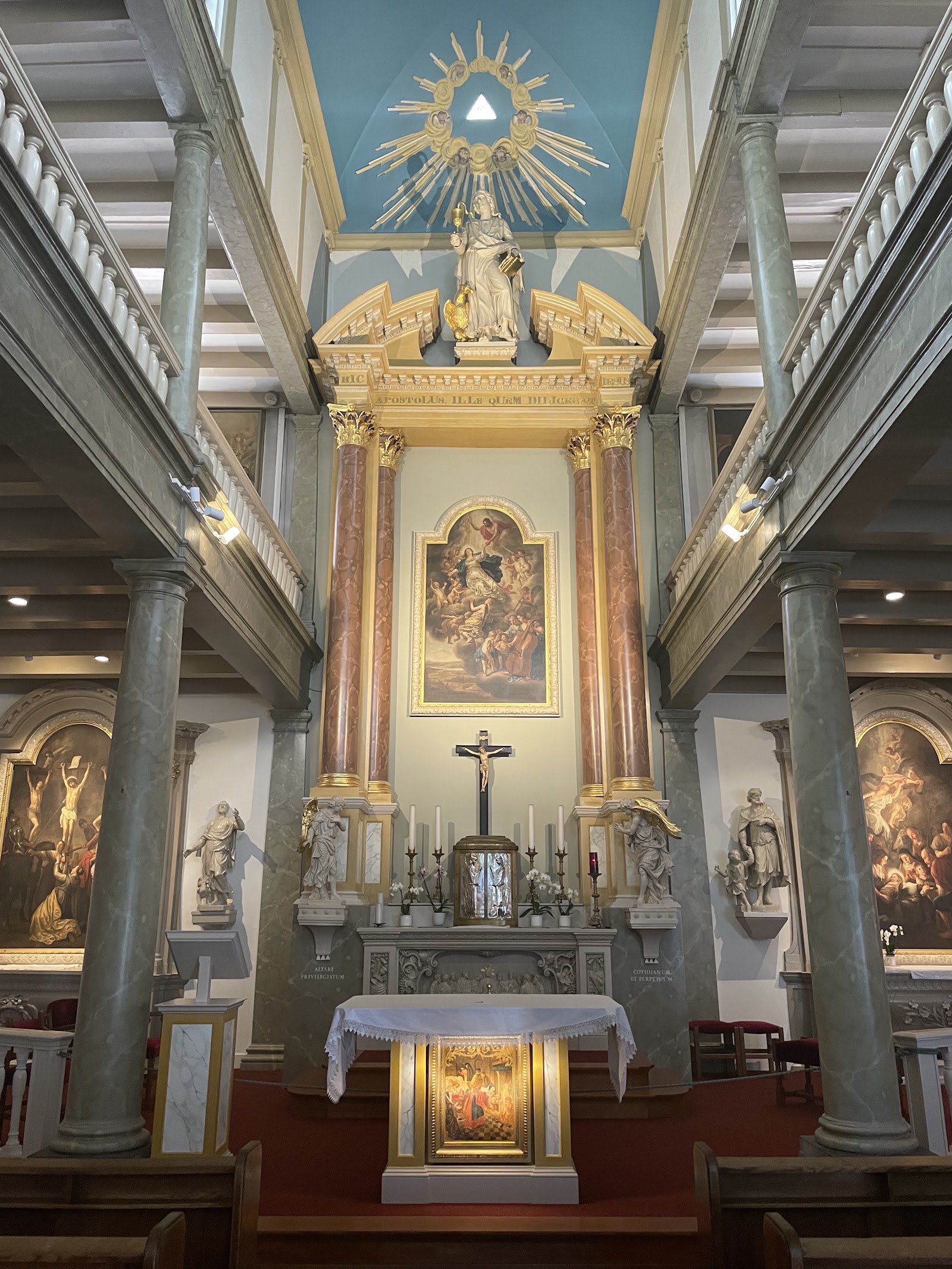
People who return tend to split their time between the two courtyards — the larger Grote Hof with its Christ statue and the quieter Kleine Hof to the south. The Begijnhof Chapel, entered from inside the courtyard, rewards a second look: the schuilkerk interior is more elaborate than its plain exterior suggests. Go on a weekday morning, before the Spui square fills up.
The story behind Begijnhof Amsterdam
The site first appears in records in 1346 as a beghynhuys — a house for beguines, laywomen who lived communally without taking permanent religious vows. The courtyard itself is documented from 1389, likely established in the wake of the Amsterdam Eucharistic Miracle of 1345. In 1393, Albrecht van Beieren formally ratified the beguinage's regulations.
When Amsterdam turned Protestant in 1578, almost every Catholic institution was suppressed. The Begijnhof survived because the houses were the beguines' private property. By 1671, architect Philip Vingboons had converted two dwellings opposite the chapel entrance into a schuilkerk — a clandestine Catholic church, outwardly indistinguishable from its neighbours. The last beguine died on 23 May 1971, aged 84, closing six centuries of unbroken occupation.
Good to know
Free to enter, open daily from around 8:00 or 9:00 (hours shift slightly by season — check before an early visit). Take tram 1, 2, or 5 to Spui; the main entrance is a few steps from the square. The residential northern section is closed to visitors. Budget 30 to 45 minutes.
The courtyard is outdoors and fully exposed to Amsterdam's maritime weather. Spring and early autumn offer the most comfortable visits; the grass and facades read well in low northern light. Winter is damp and grey, but the enclosure feels genuinely sheltered from wind compared to the open canals nearby.
Where is Begijnhof Amsterdam?
Location
- In Amsterdam Centrum
- 52.3697, 4.8893
- Open in Google Maps
Rating
4.5 ★ · 10,050 Google reviews
More tickets & tours for Begijnhof Amsterdam
Book directly at the provider
What travellers say about Begijnhof Amsterdam
Went to a similar place in Bruges. This one was greener and more picturesque. My only issue is that after being greeted at the entry and asked for respect to the residents by staying quiet, several people were very loud.
The courtyard is beautiful and calm. You can enter for free (no tickets). You must be quiet while visiting, so maybe not the place to be for energetic children. It is small, so it does not take too long to have a look around and enjoy it. It is located in the city centre, so it is easy to get to. I highly recommend stopping by here, if you can spare even 5 minutes there.
Begijnhof is a hidden gem in Amsterdam—quiet, peaceful, and rich in history. This charming courtyard, once home to a community of devout women, still has a calm, spiritual feel. Guards at the entrance help maintain its serenity, making it a lovely spot to pause and experience a quieter side of the city.
Really interesting place with free entry. It is an historical place of the town. People still live in this place and there is a church with really interesting paintings. It is a sacred place and silence is mandatory. Inside there church musical events take place.
Peaceful and beautiful hidden spot in the city. Great for a short, relaxing visit.
More of Amsterdam Centrum
Discover where to stay, what to do and the best deals for your trip.
Explore Amsterdam Centrum →More attractions in Amsterdam Centrum
All of Amsterdam Centrum →
Background adapted from Wikipedia (CC BY-SA) · map data © OpenStreetMap contributors · ratings & place photos via Google · other photos with per-image credit. Ticket links may earn us a commission at no extra cost to you.