
Amalfi Coast, Campania, Italy
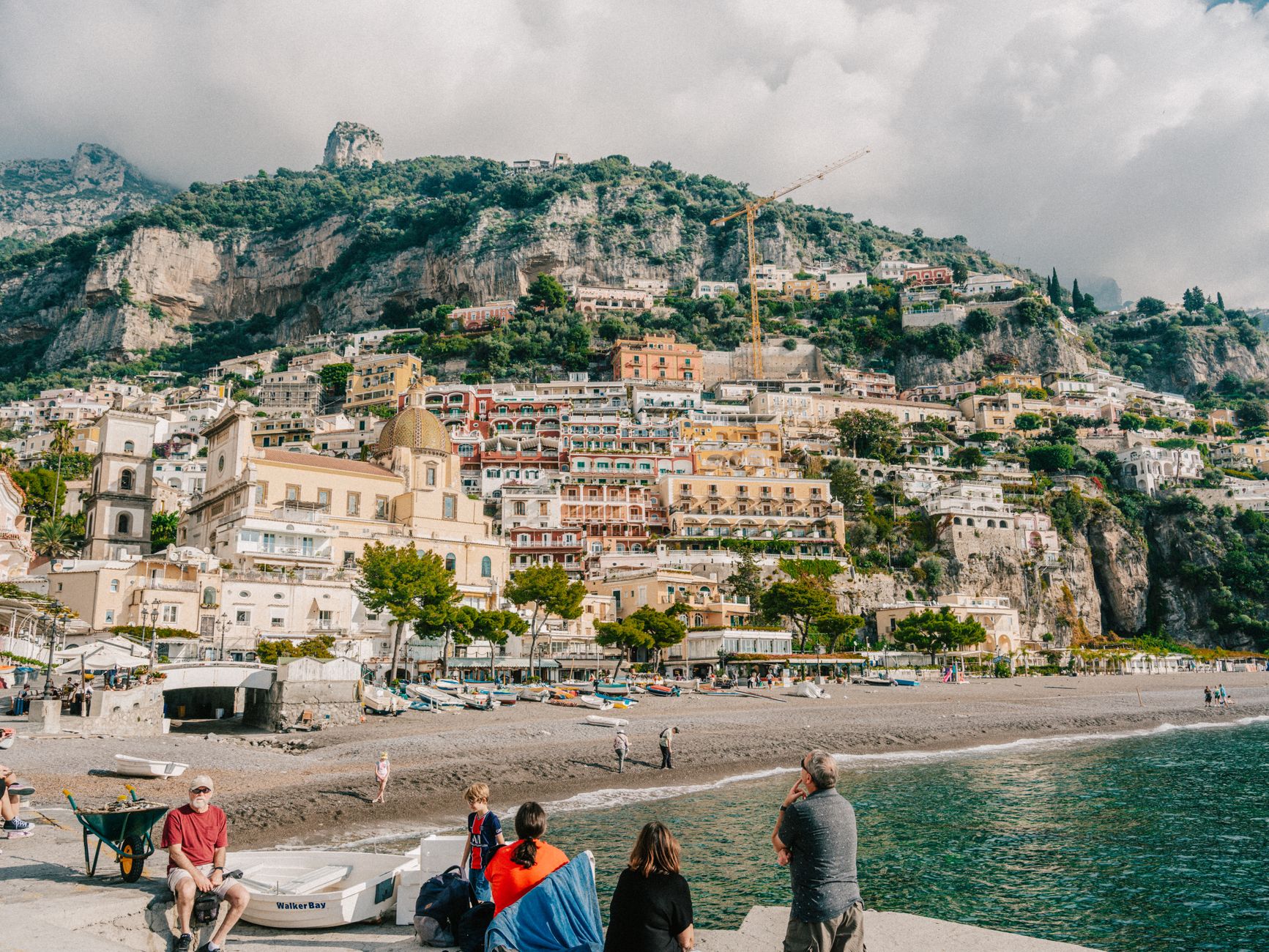
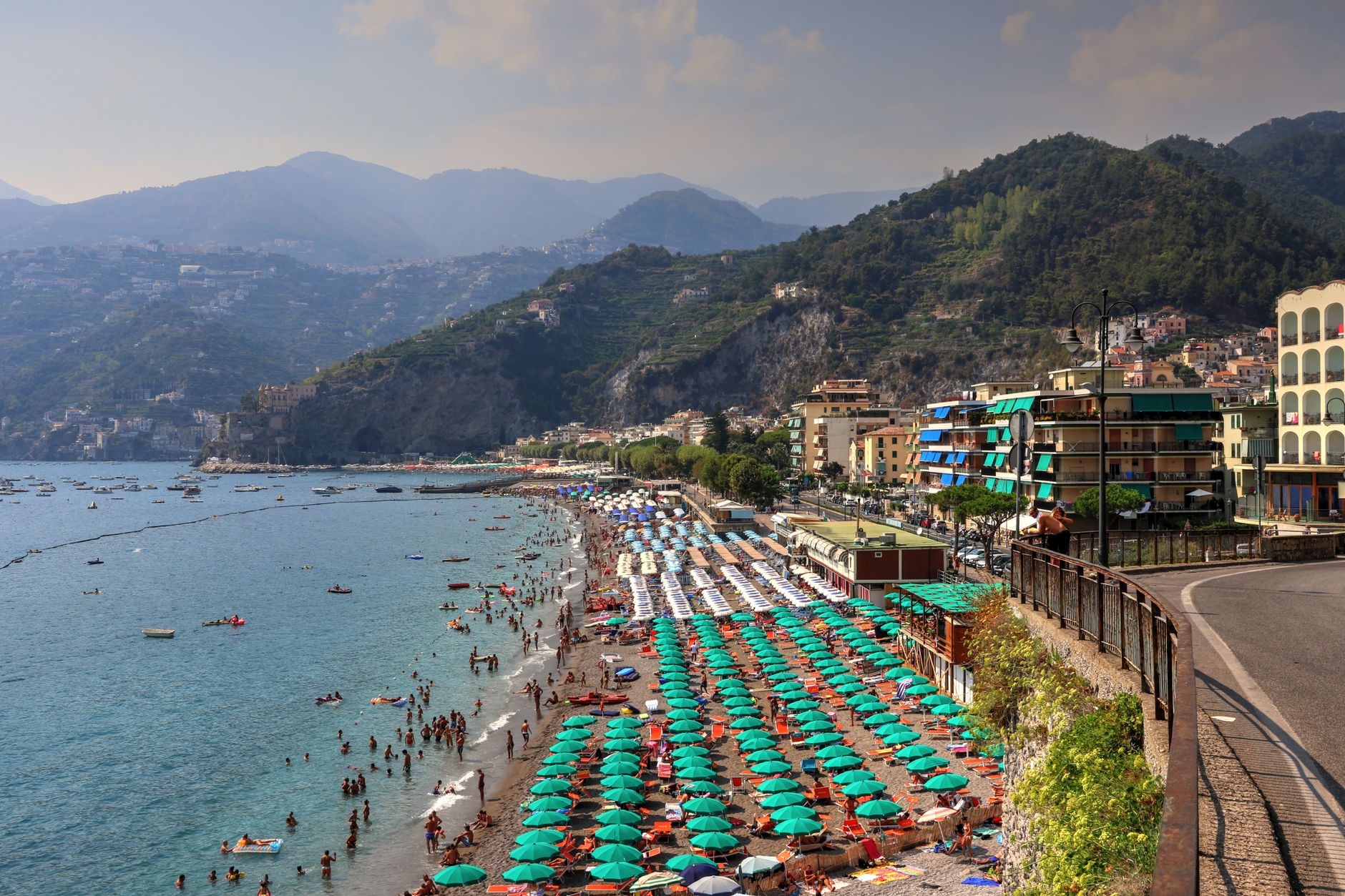

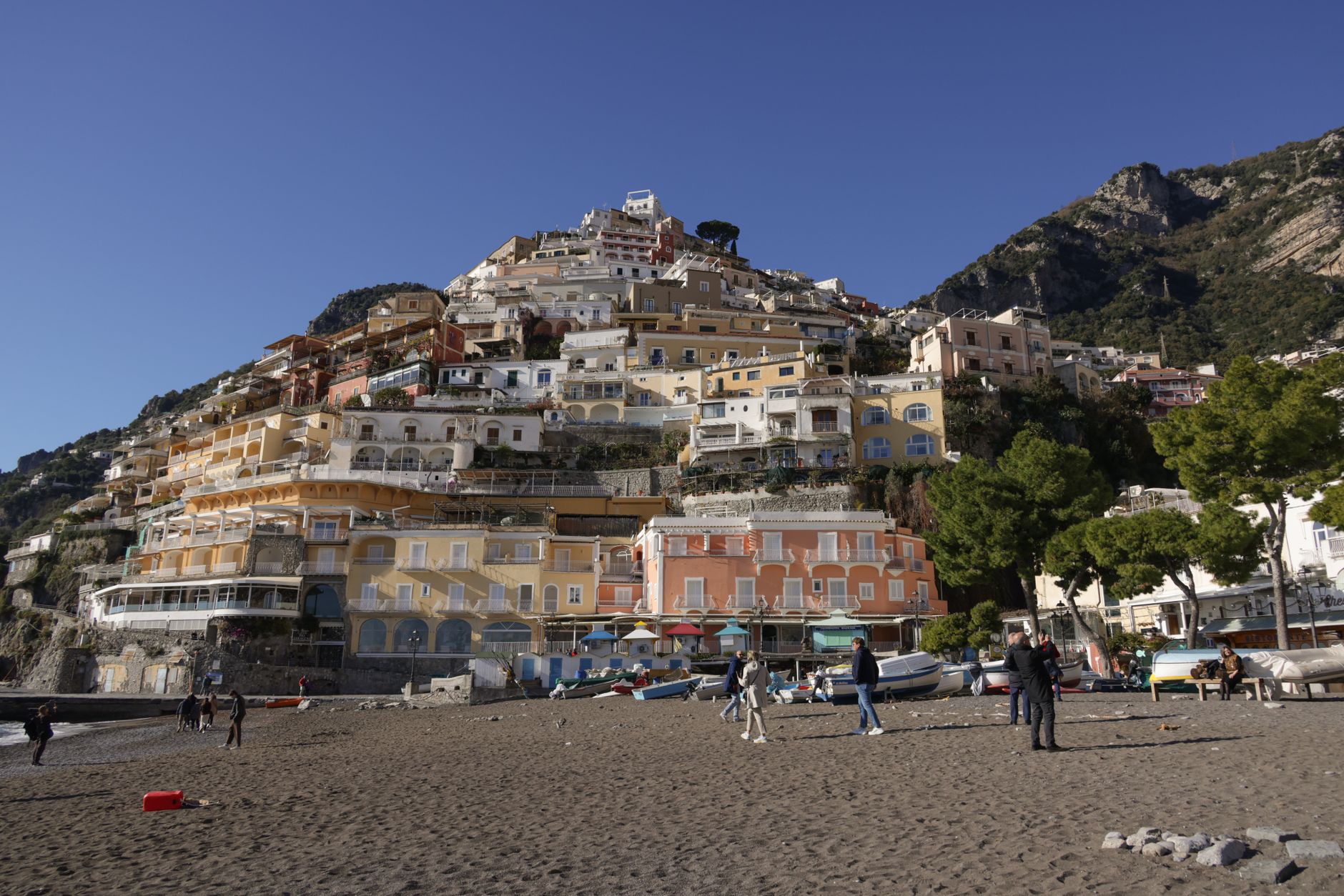


The Amalfi Coast is a 50-kilometre stretch of cliffs, terraced lemon groves and pale stone villages dropping straight into the Tyrrhenian Sea. Towns like Positano, Ravello and Atrani were never really built for cars — the roads came later, carved into rock faces that the medieval world simply climbed on foot.
What makes this coast specific is the layering: Roman villas buried under fishing villages, Byzantine icons inside baroque churches, a 13th-century Arab-Norman cloister overlooking gardens that fall away to the water. You are not looking at one era but at a coastline that kept building on top of itself.
How Amalfi Coast, Campania, Italy came to be
Amalfi declared itself a Maritime Republic in 839 AD, and for two centuries it punched well above its geography. At its peak in the 10th and 11th centuries the city held an estimated 50,000 to 70,000 people — a number that strains belief when you stand in the small piazza today. Its bronze cathedral door was cast in Constantinople in 1066, a measure of how far its trade routes reached.
The fall was swift. The Normans under Robert Guiscard took the city in 1073. A Pisan fleet sacked it in 1135. Then, on the night of 24–25 November 1343, a storm triggered an underwater landslide that swallowed the port and much of the lower town. Amalfi never recovered its former scale, and the coast settled into the quieter, terraced life that visitors find today.
Who and what shaped it
Landmark buildings
See Amalfi Coast, Campania, Italy in motion
Plan your visit
On the map
When to go
Summers are hot and dry, with temperatures regularly above 30°C and crowds to match. Spring (April–May) and autumn (September–October) bring mild warmth, clearer light and far more room to move. Winters are mild but many ferry services and some restaurants close between November and March.
Right now
↡ Cities
Background & history adapted from Wikipedia (CC BY-SA) · specs from Wikidata (CC0) · weather from Open-Meteo · map data © OpenStreetMap contributors · photos from Wikimedia Commons / Unsplash with per-image credit. No third-party reviews or social posts reproduced.