
Algarve, Portugal
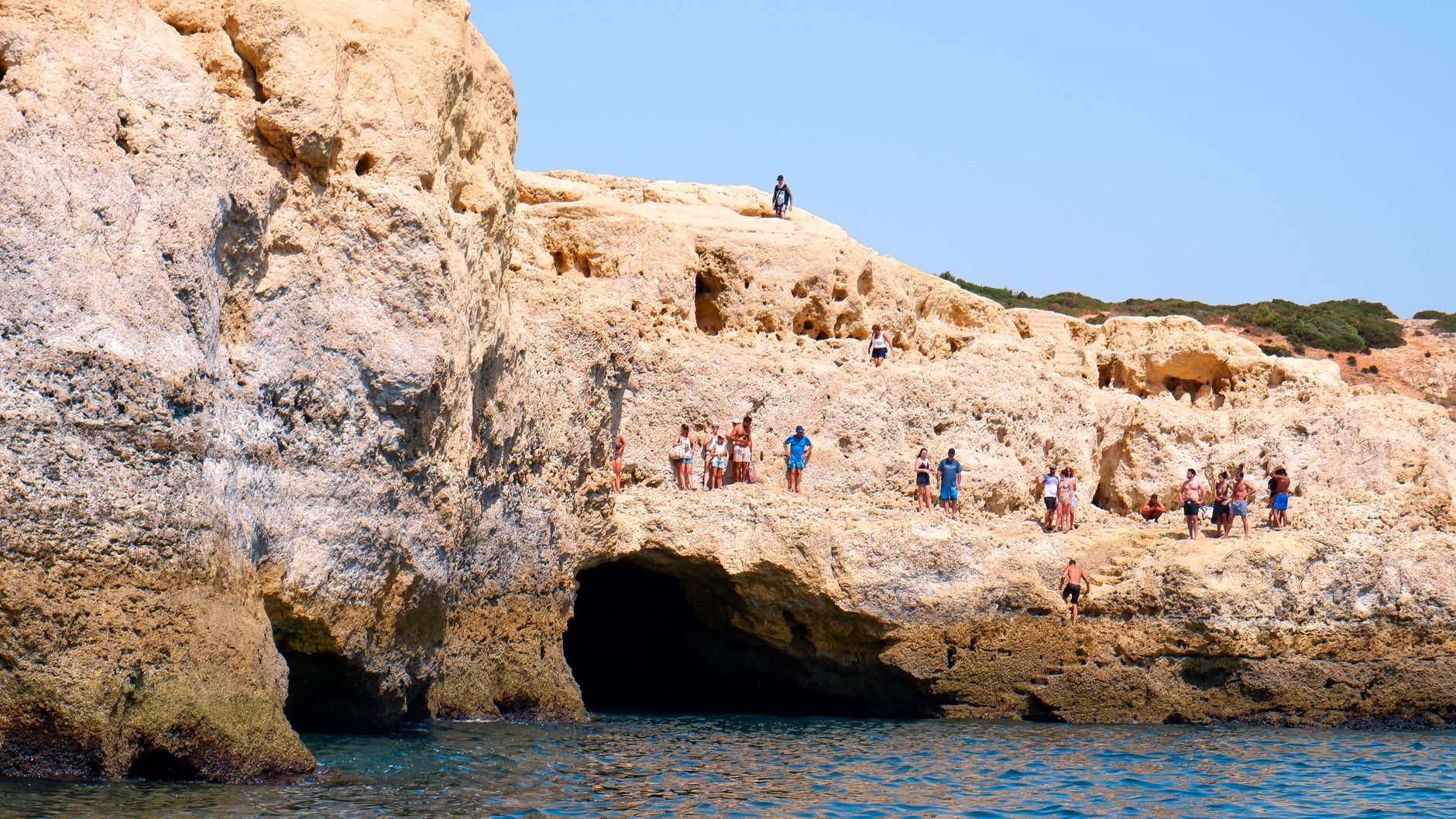
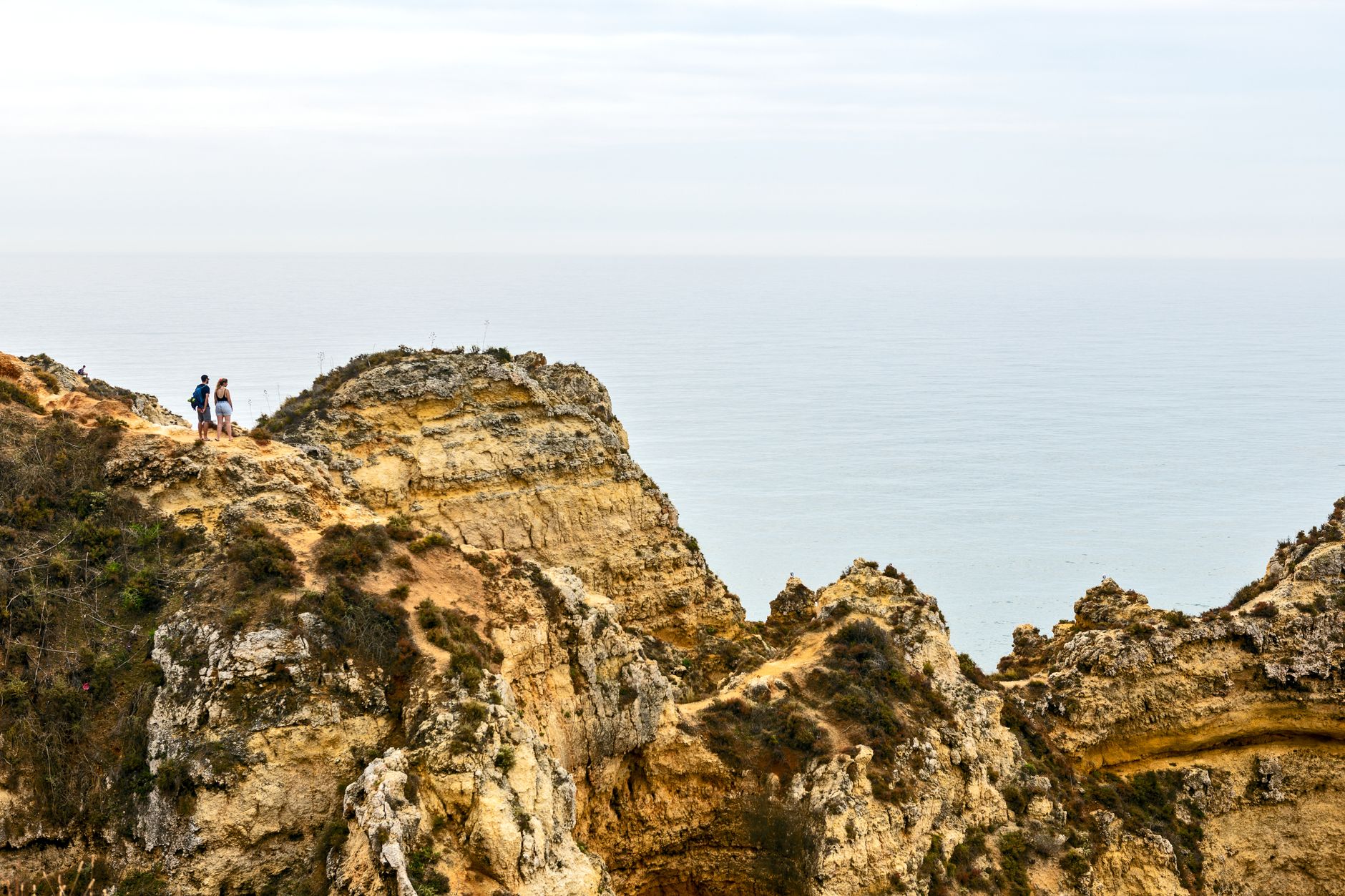

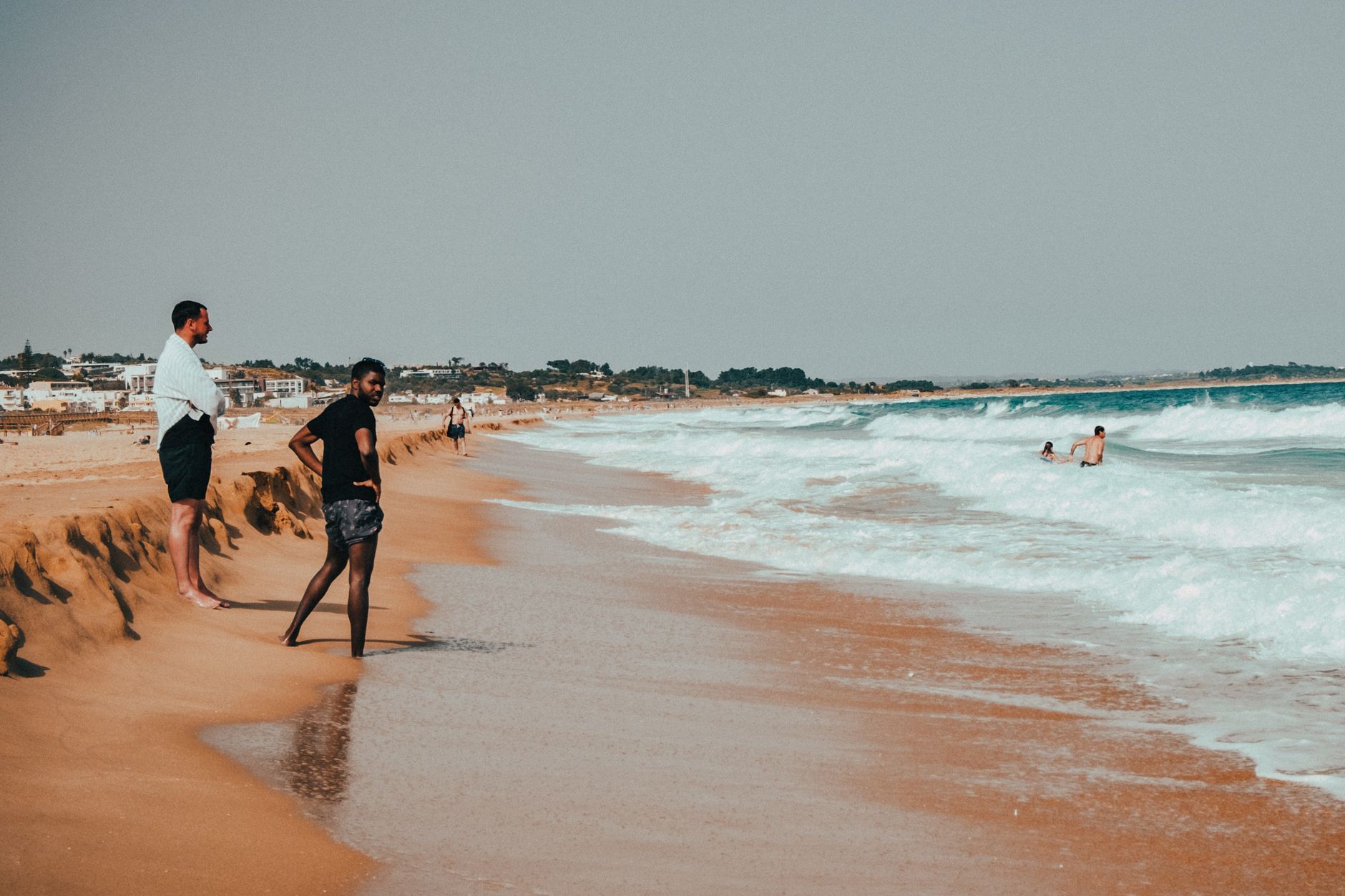

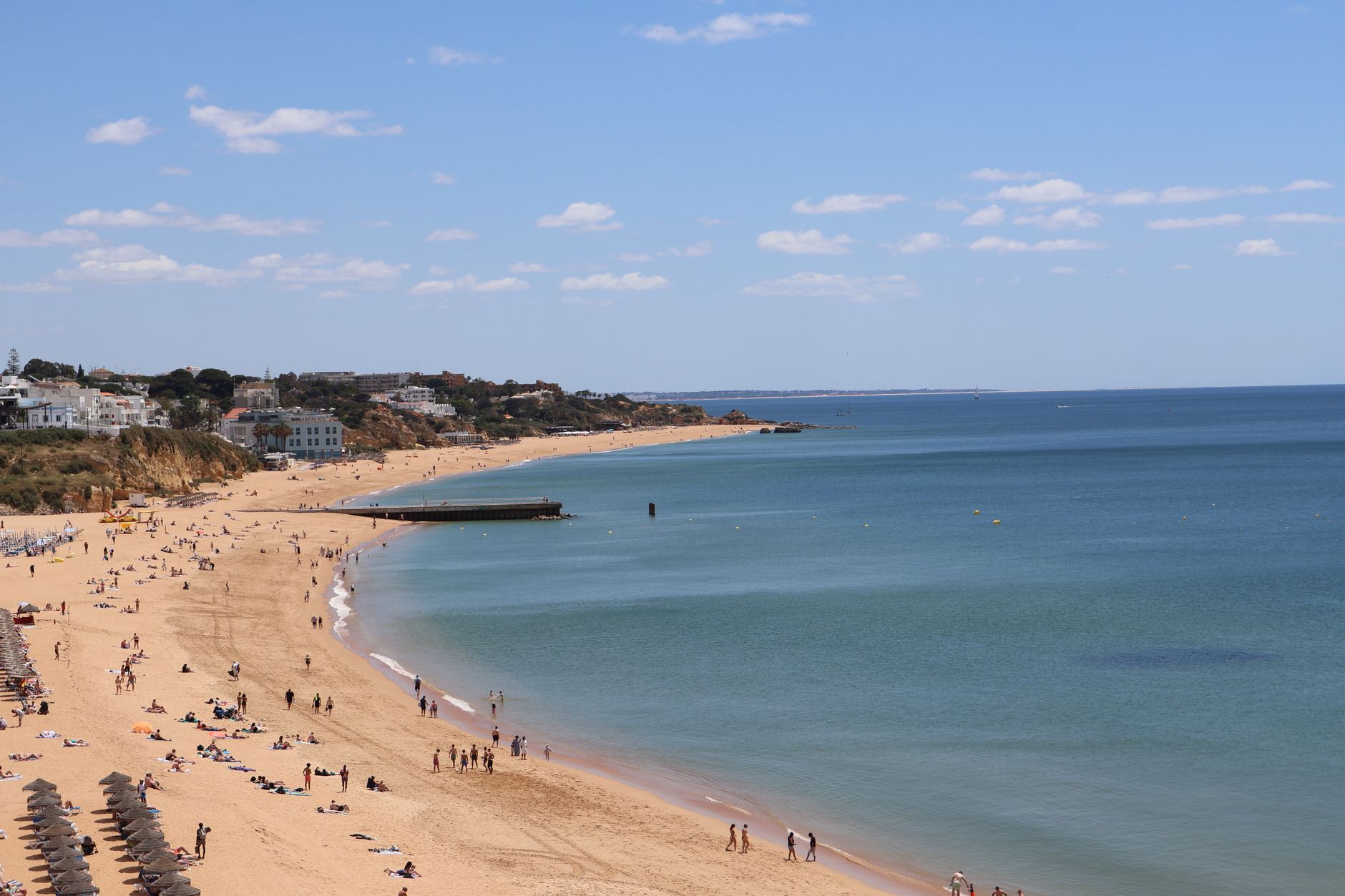
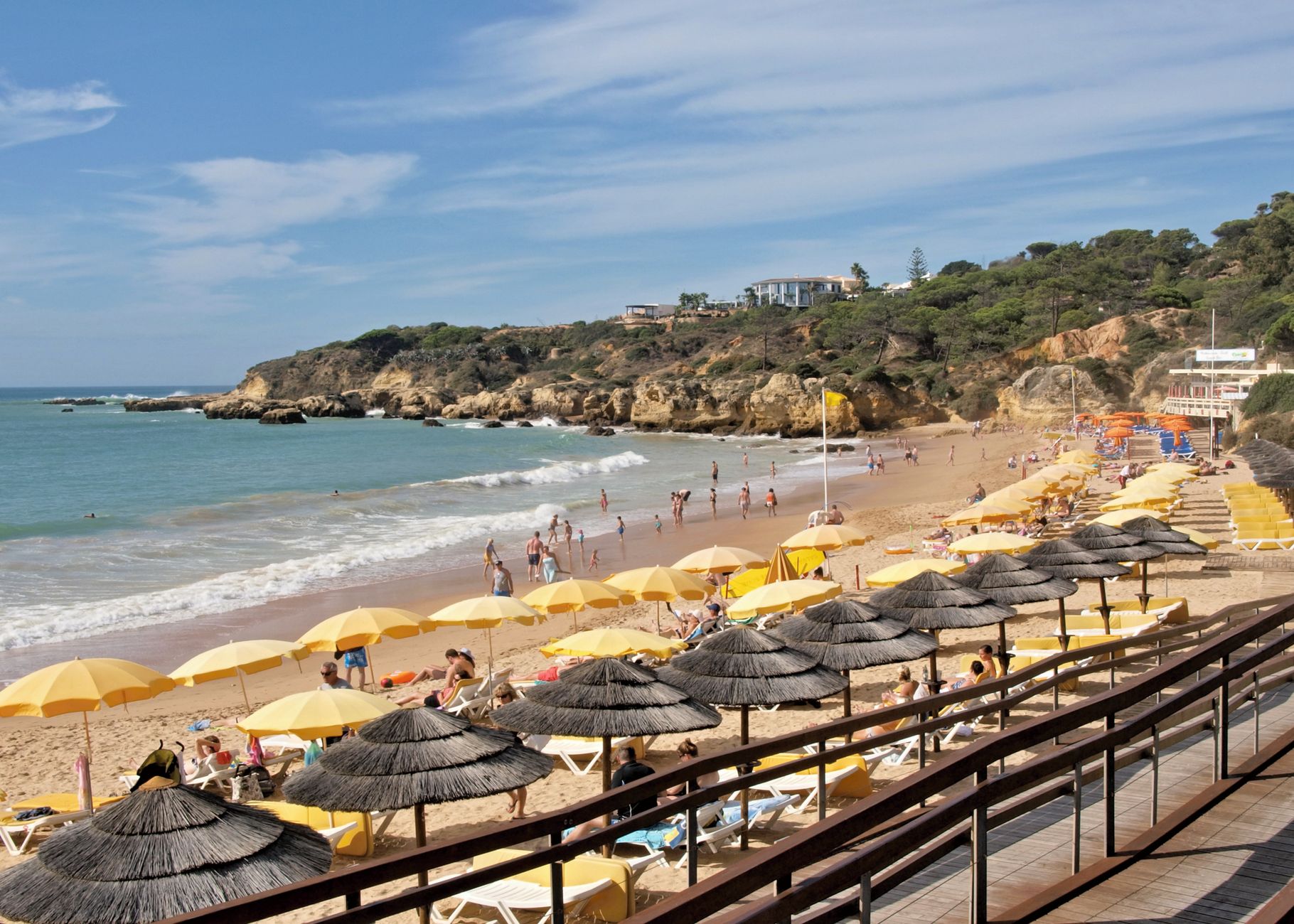
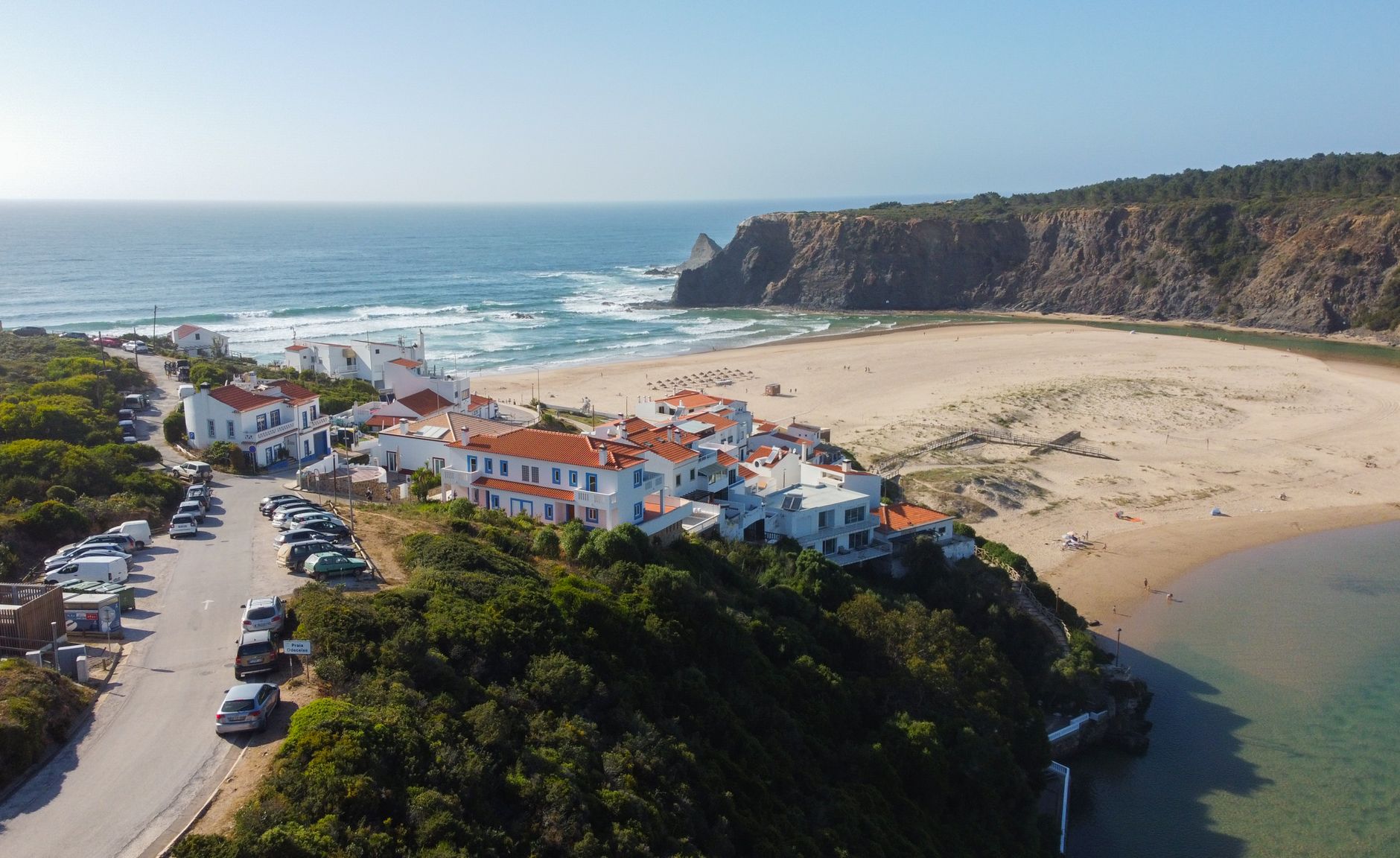
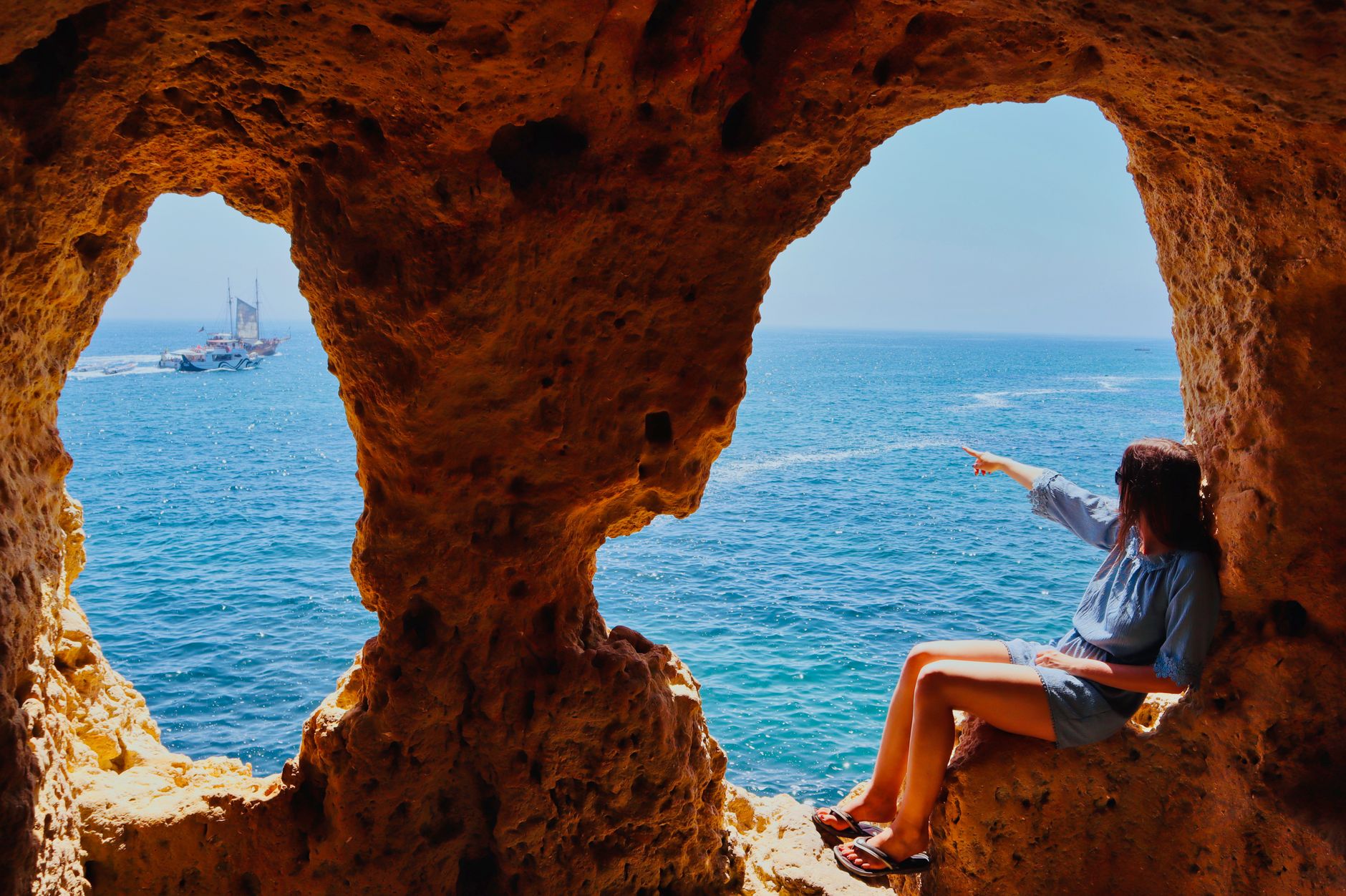
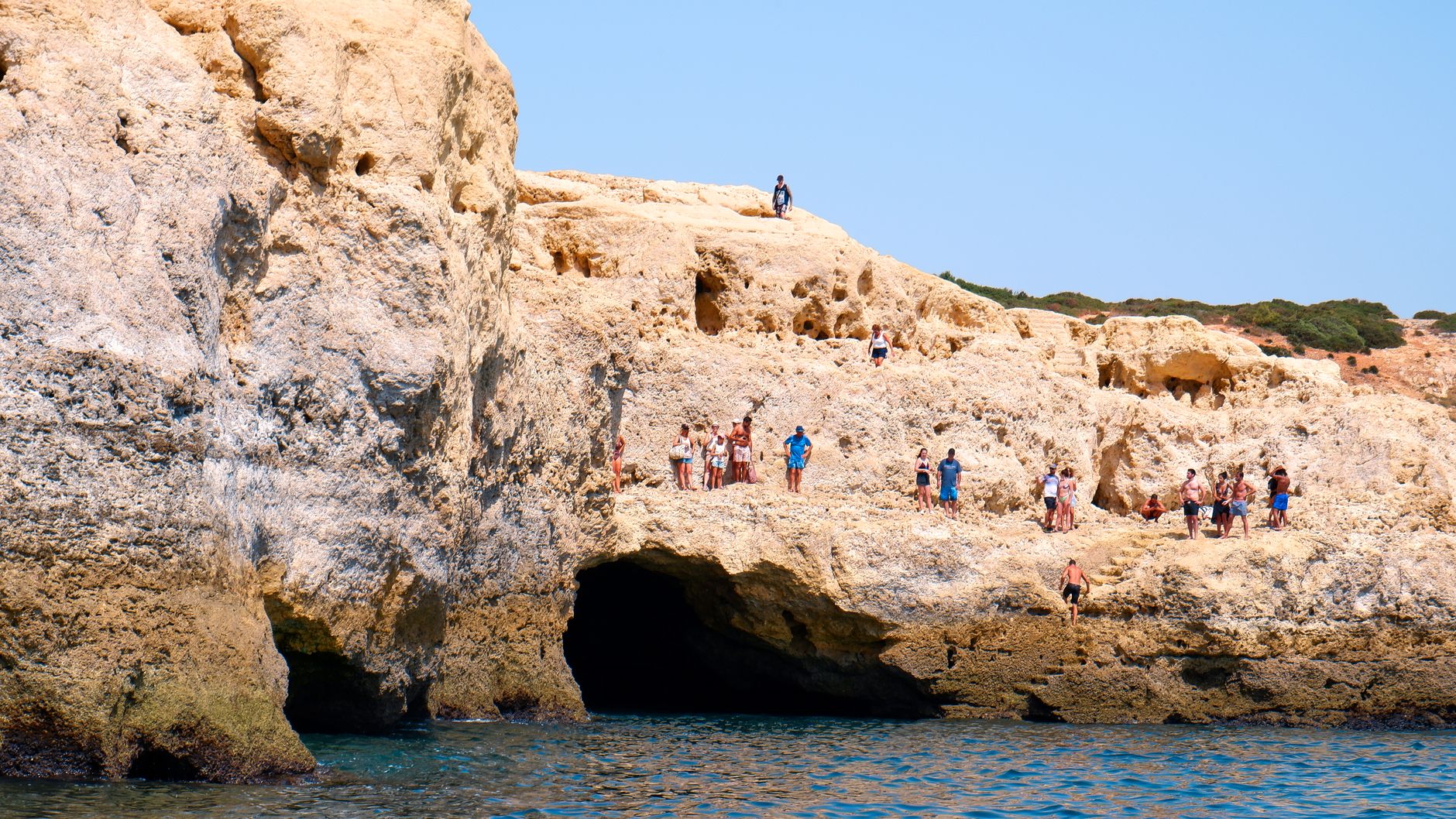
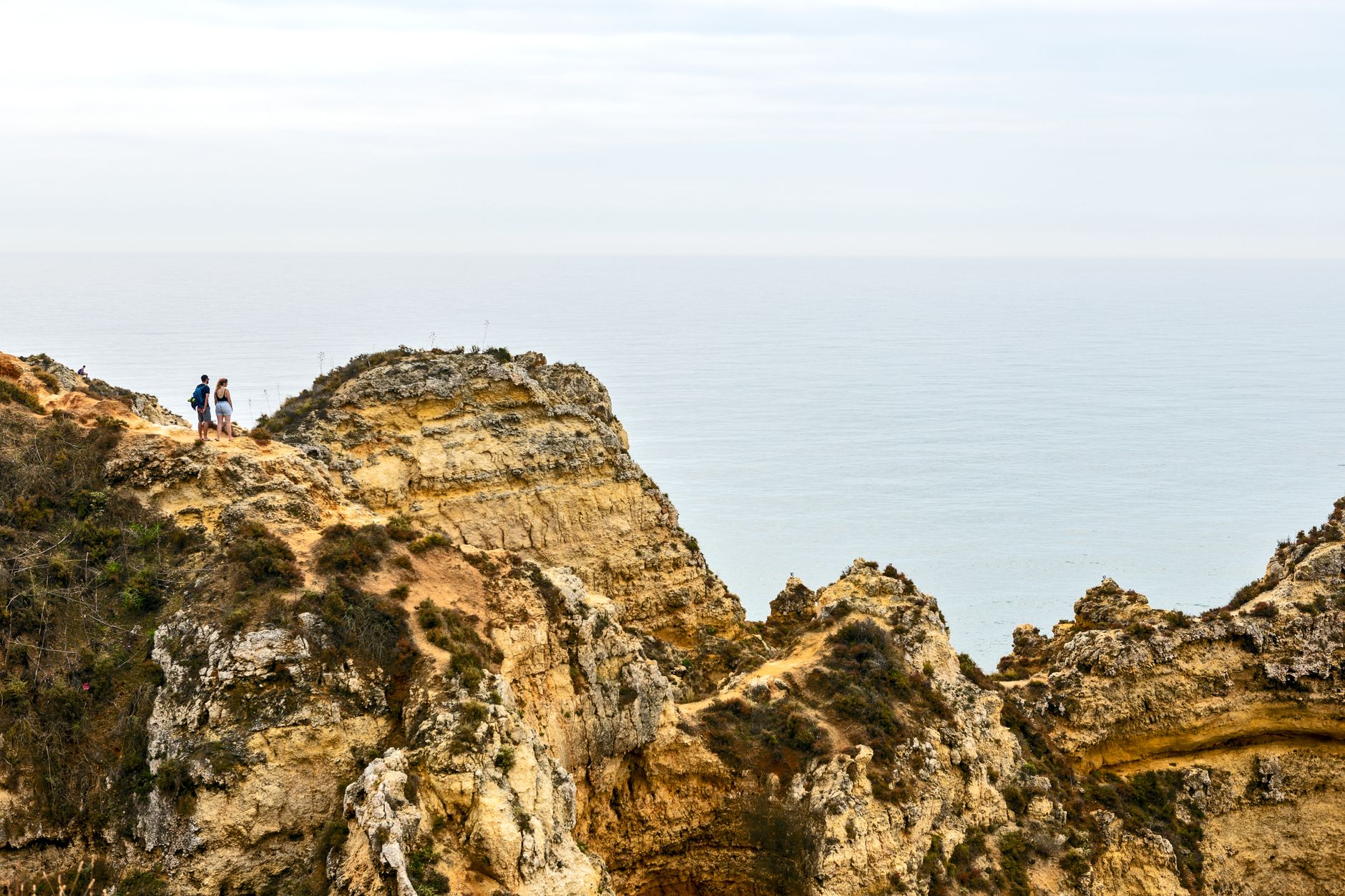
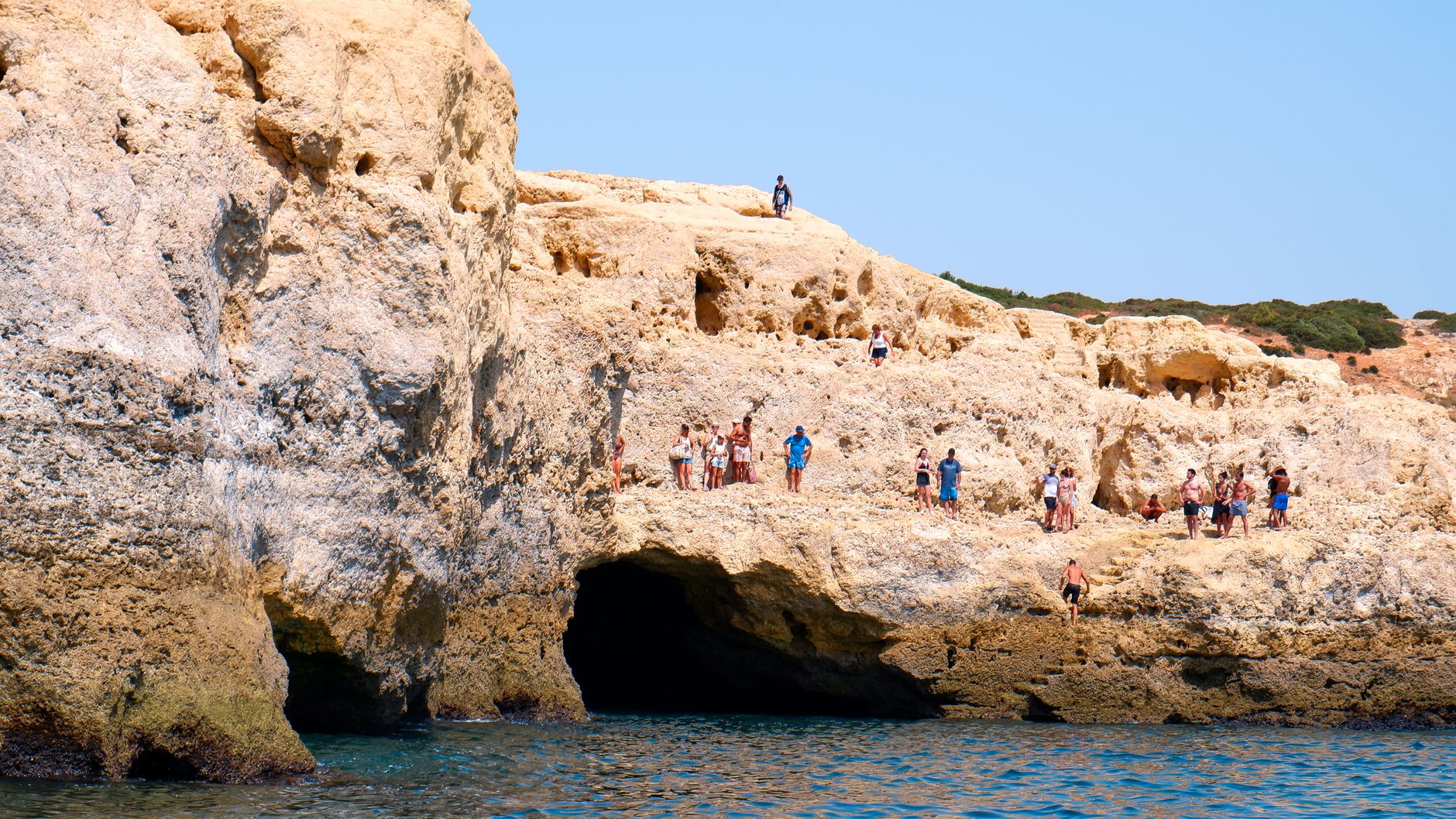
The Algarve is Portugal's southernmost edge — a long strip of limestone cliffs, Atlantic beaches, and whitewashed towns that has been drawing people to its shores since the Phoenicians arrived around 1200 BC. The name itself comes from the Arabic Al-Gharb, 'The West,' a reminder that Moorish culture shaped this land for five centuries before the Portuguese crown claimed it.
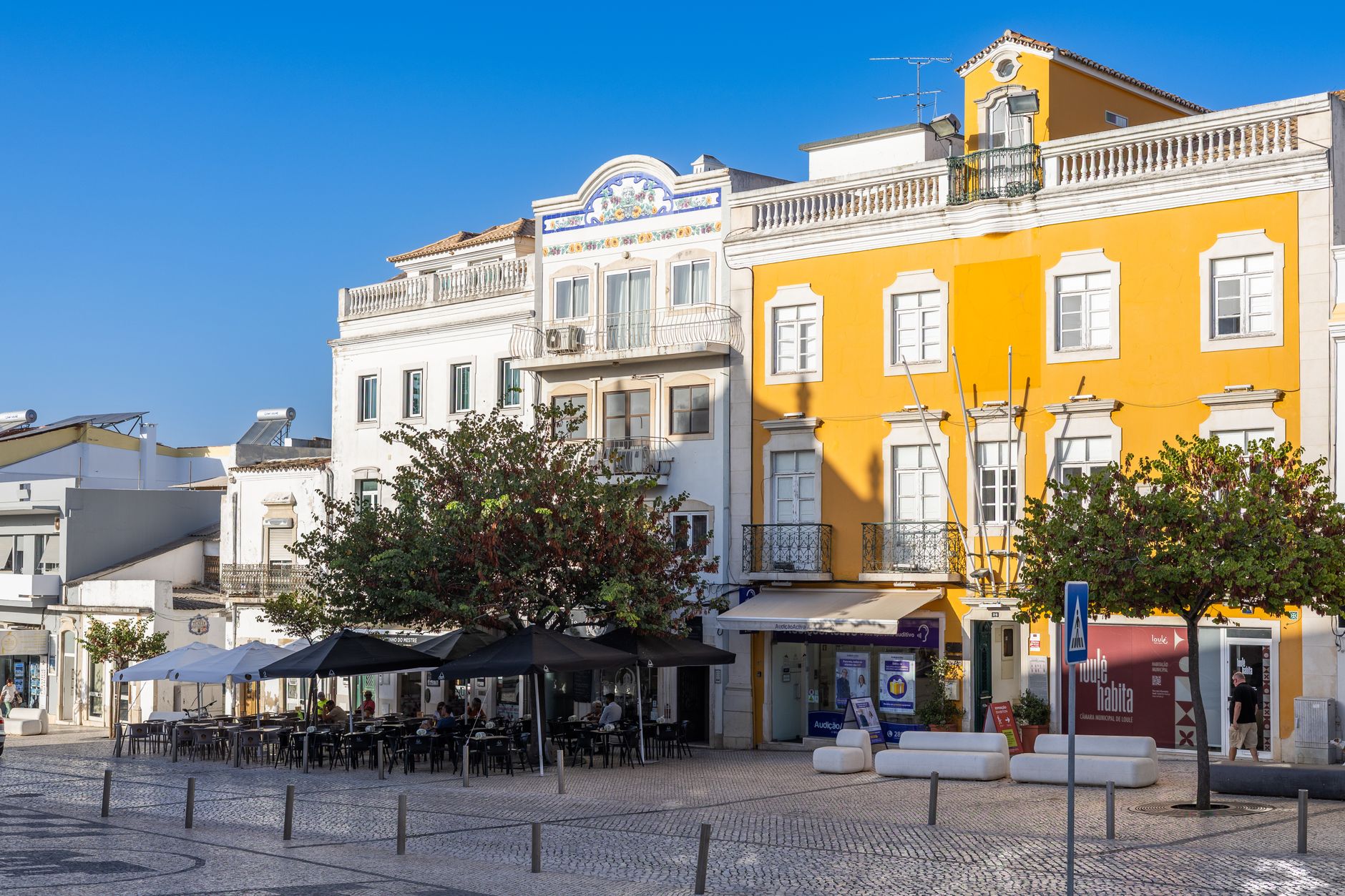
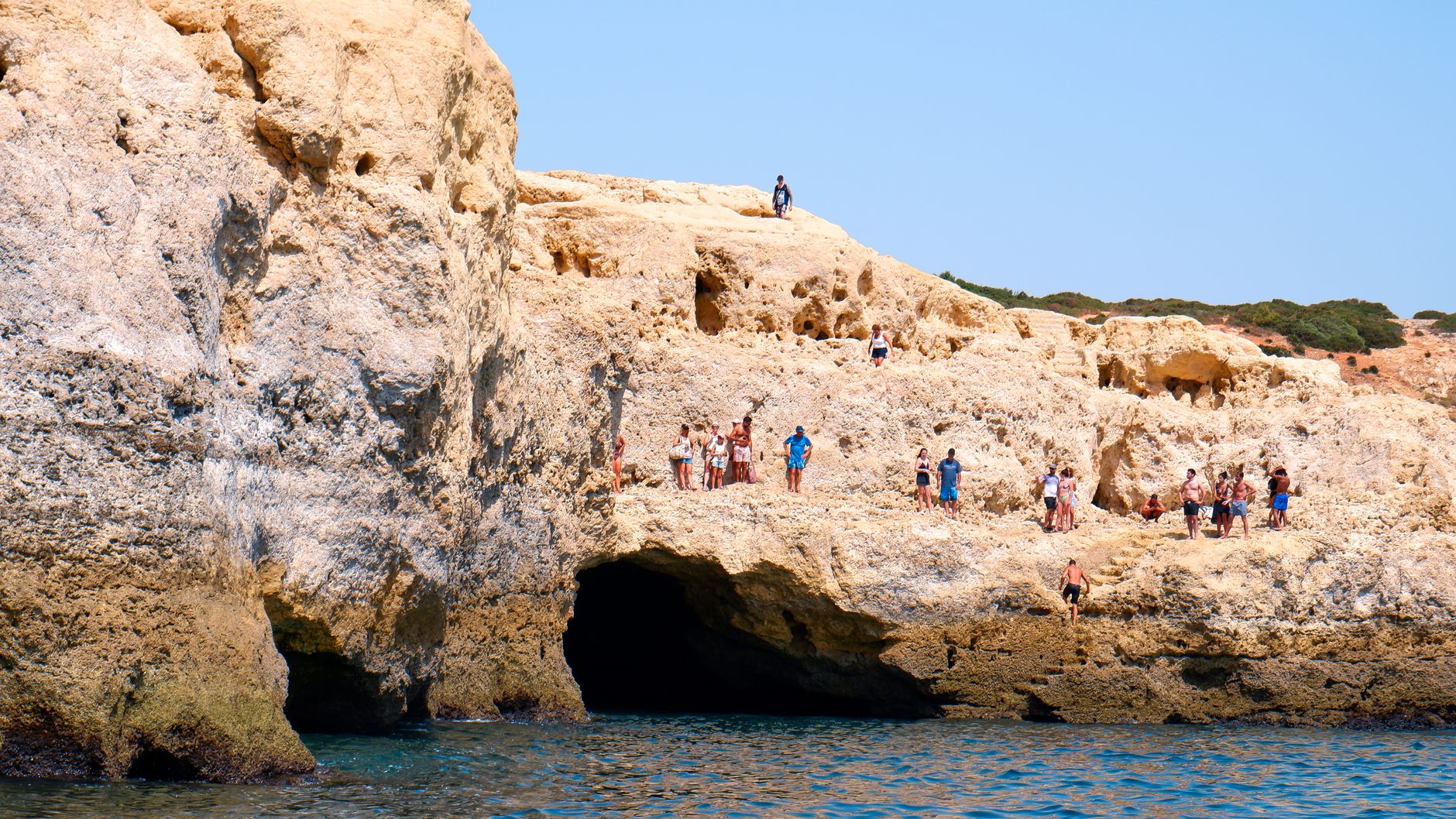
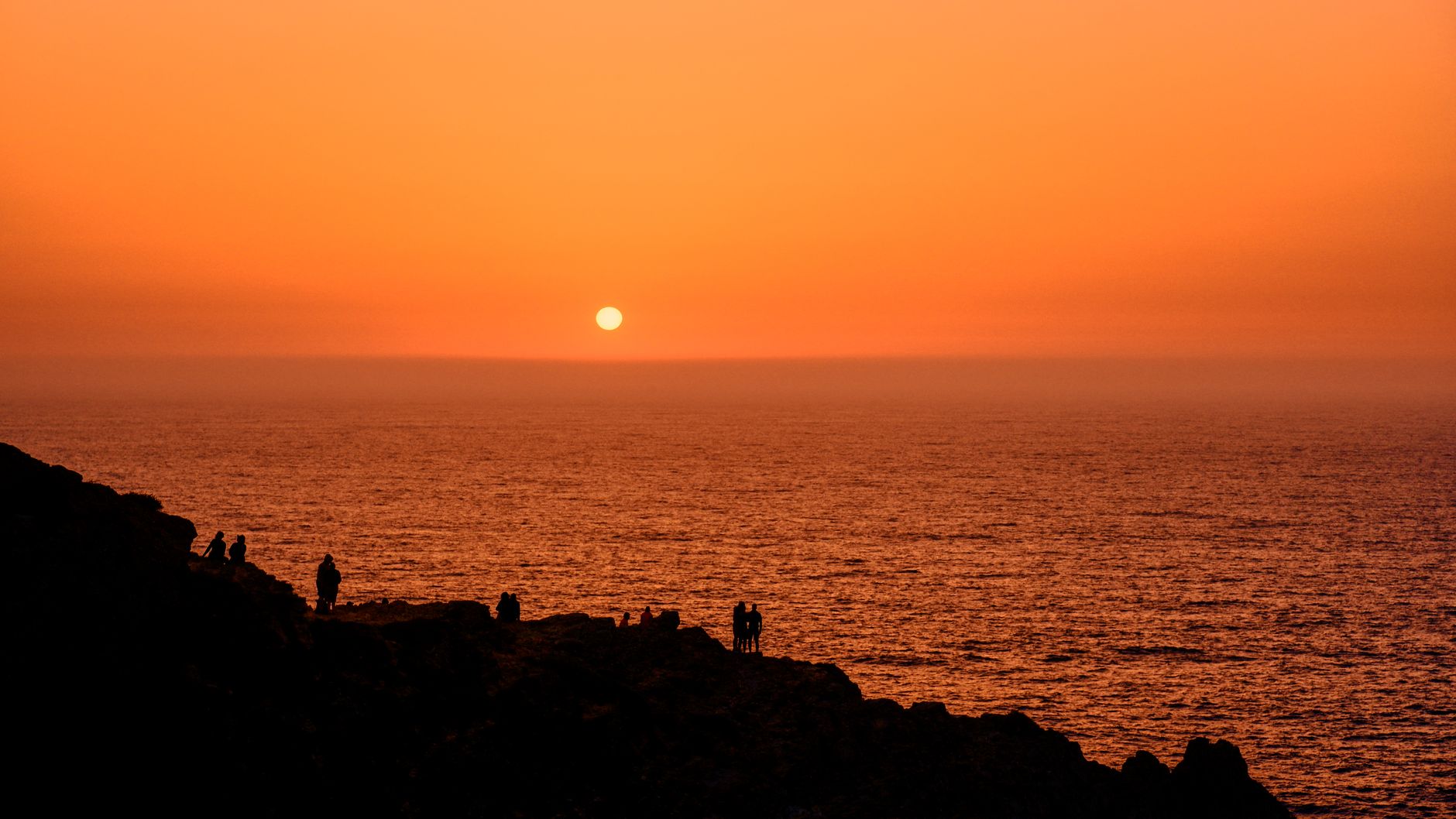
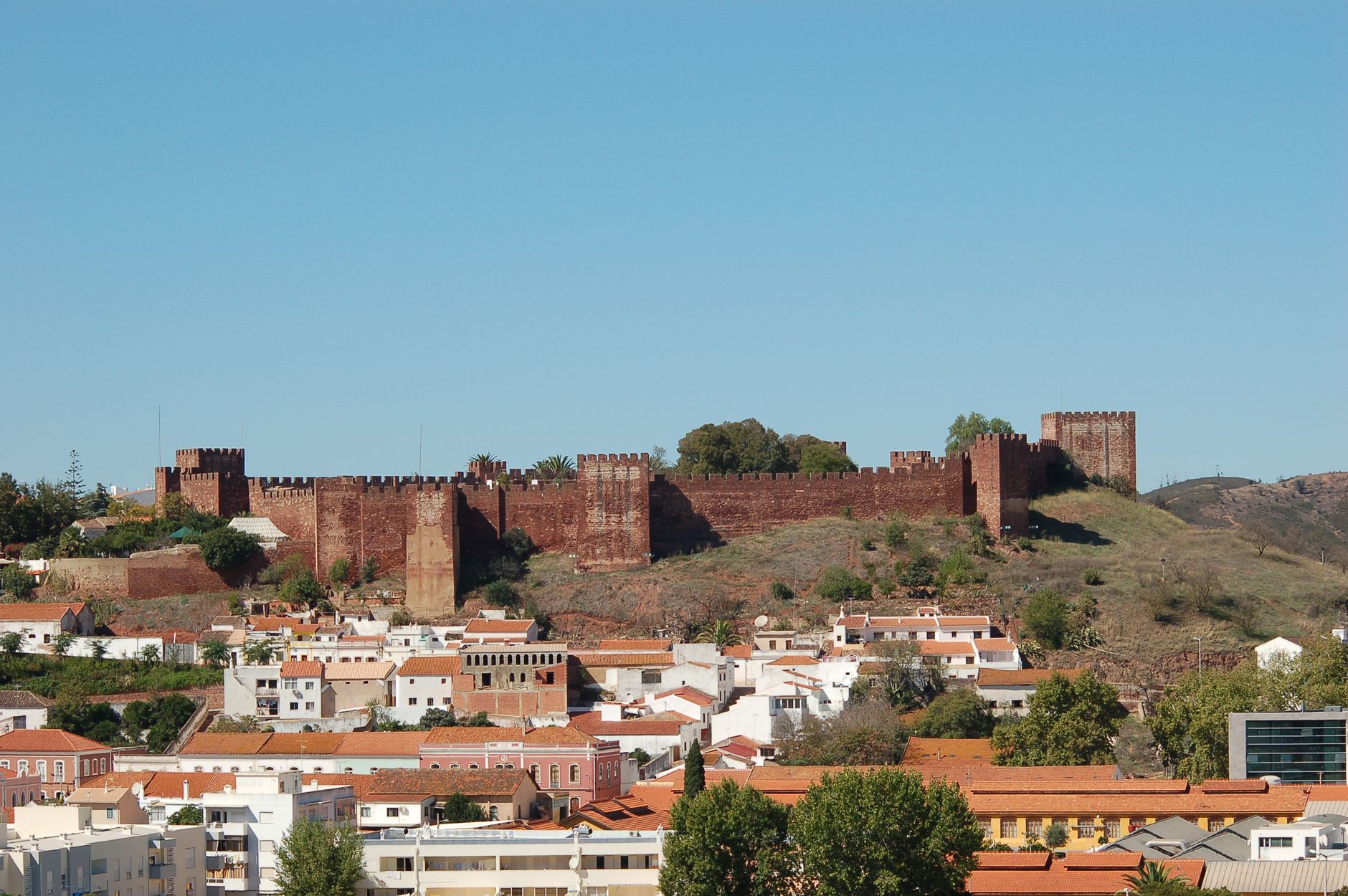
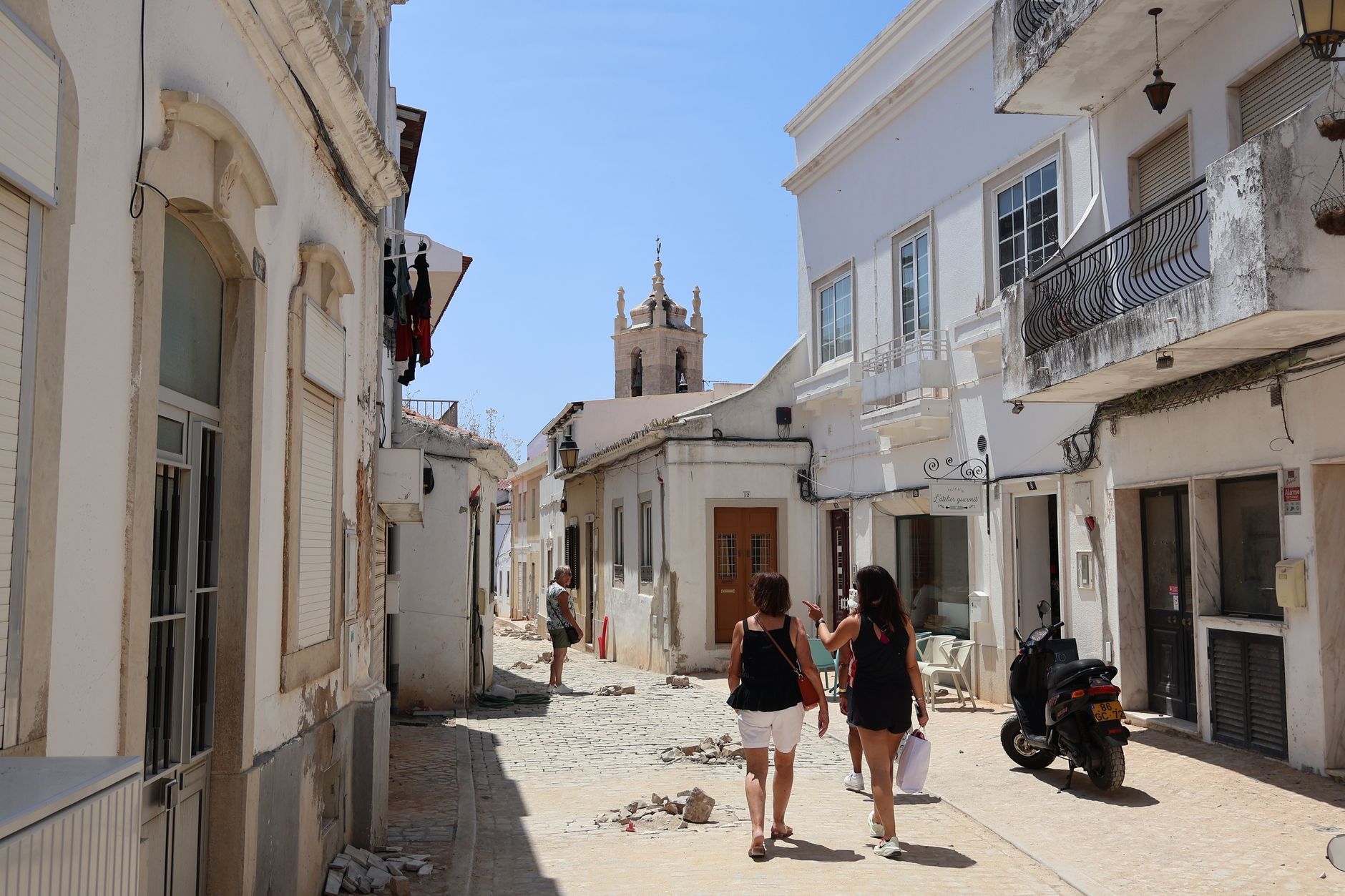
What the region offers now is range: the dramatic sea-stacks of the western coast, the flat-roofed North African-looking streets of Olhão, the medieval red sandstone of Silves Castle, and the windswept cape at Sagres where Henry the Navigator once ran his school of navigation. It rewards slow travel.
Popular cities in Algarve, Portugal
💛 What travellers fall for
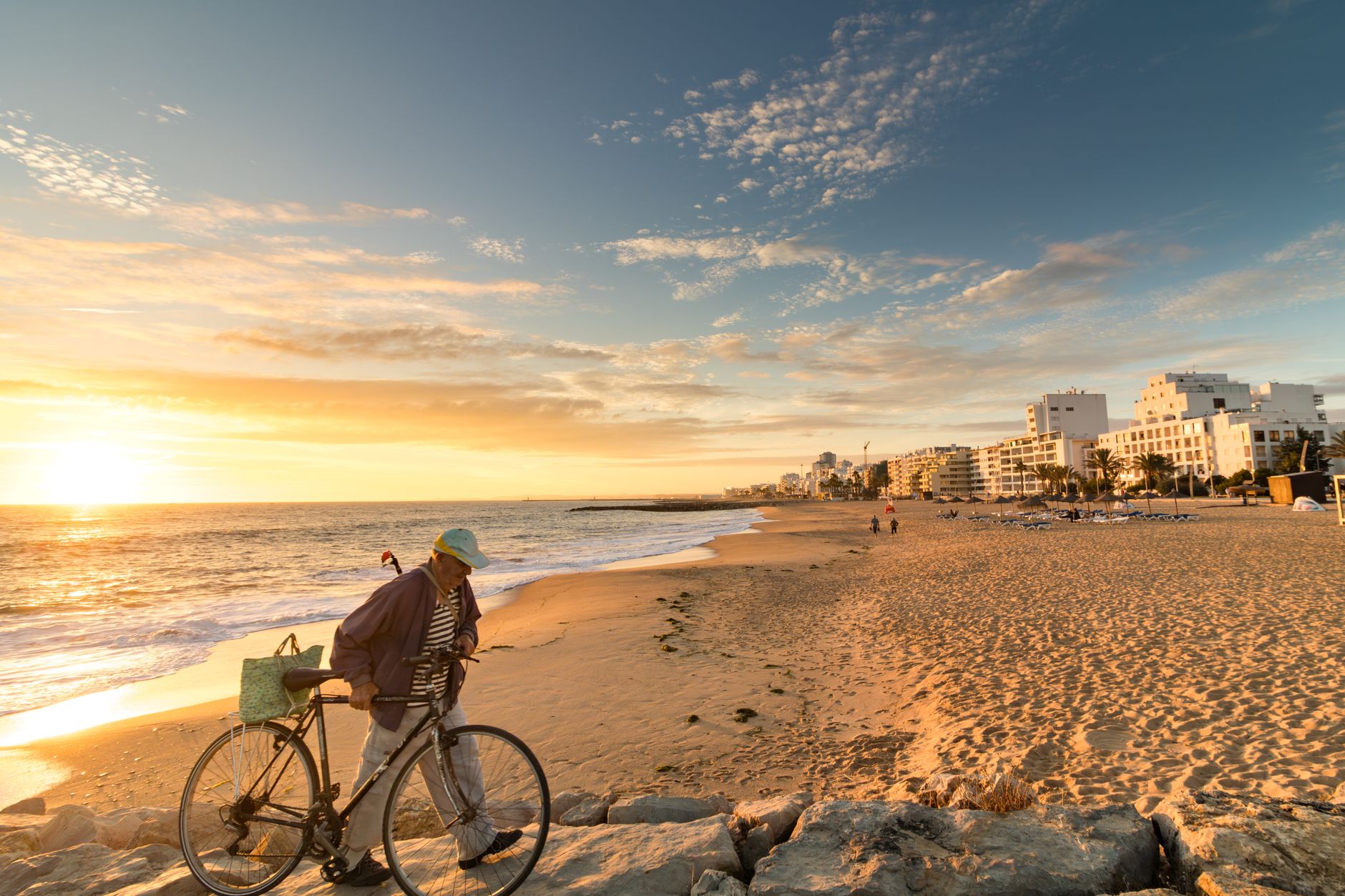
People who come back tend to move east. The stretch between Tavira and Vila Real de Santo António is quieter, the light different, the architecture more weathered. The train from Faro to Tavira costs €3.80 and takes under half an hour — take it at least once. Olhão's flat-roofed quarter on a weekday morning is worth the detour on its own.
How Algarve, Portugal came to be
The Algarve has been wanted by almost everyone. Phoenician traders came first, around 1200 BC; Carthaginians founded what is now Portimão; Romans followed in the 1st century BC. The Moors arrived in the 8th century and stayed for five hundred years, long enough to name the region, build the castle at Silves, and leave an architectural imprint that is still visible in the flat-roofed houses of Olhão.
In 1419, Prince Henry the Navigator established a centre for maritime research at Sagres — the intellectual engine of Portugal's Age of Discoveries. Then on 1 November 1755, an earthquake levelled much of the coast. Some towns, like Vila Real de Santo António, were rebuilt from scratch within months under Prime Minister Pombal, laid out on a strict grid. The tourist industry that reshaped the region again arrived in the 1960s, led largely by visitors from Britain.
Who and what shaped it
People who shaped it
Landmark buildings
See Algarve, Portugal in motion
Plan your visit
On the map
When to go
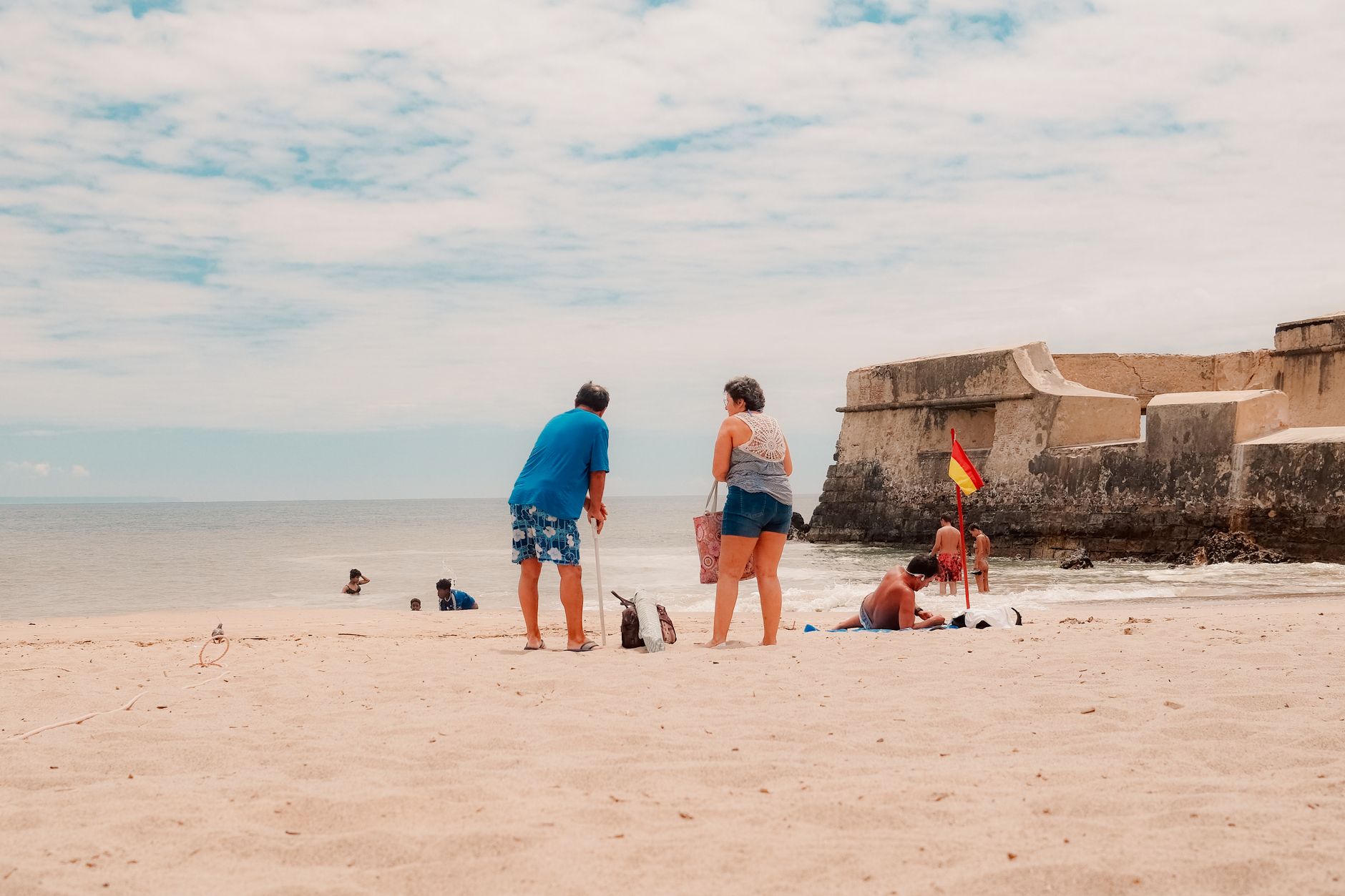
Summers are hot and dry, with long beach days and little rain from June through August. Spring and autumn are mild and clear — often the better choice for walking the coast or exploring inland towns. Winters are short and rarely harsh, though the Atlantic can turn rough along the western shore.
Right now
↡ Cities
Background & history adapted from Wikipedia (CC BY-SA) · specs from Wikidata (CC0) · weather from Open-Meteo · map data © OpenStreetMap contributors · photos from Wikimedia Commons / Unsplash with per-image credit. No third-party reviews or social posts reproduced.