
Lagos
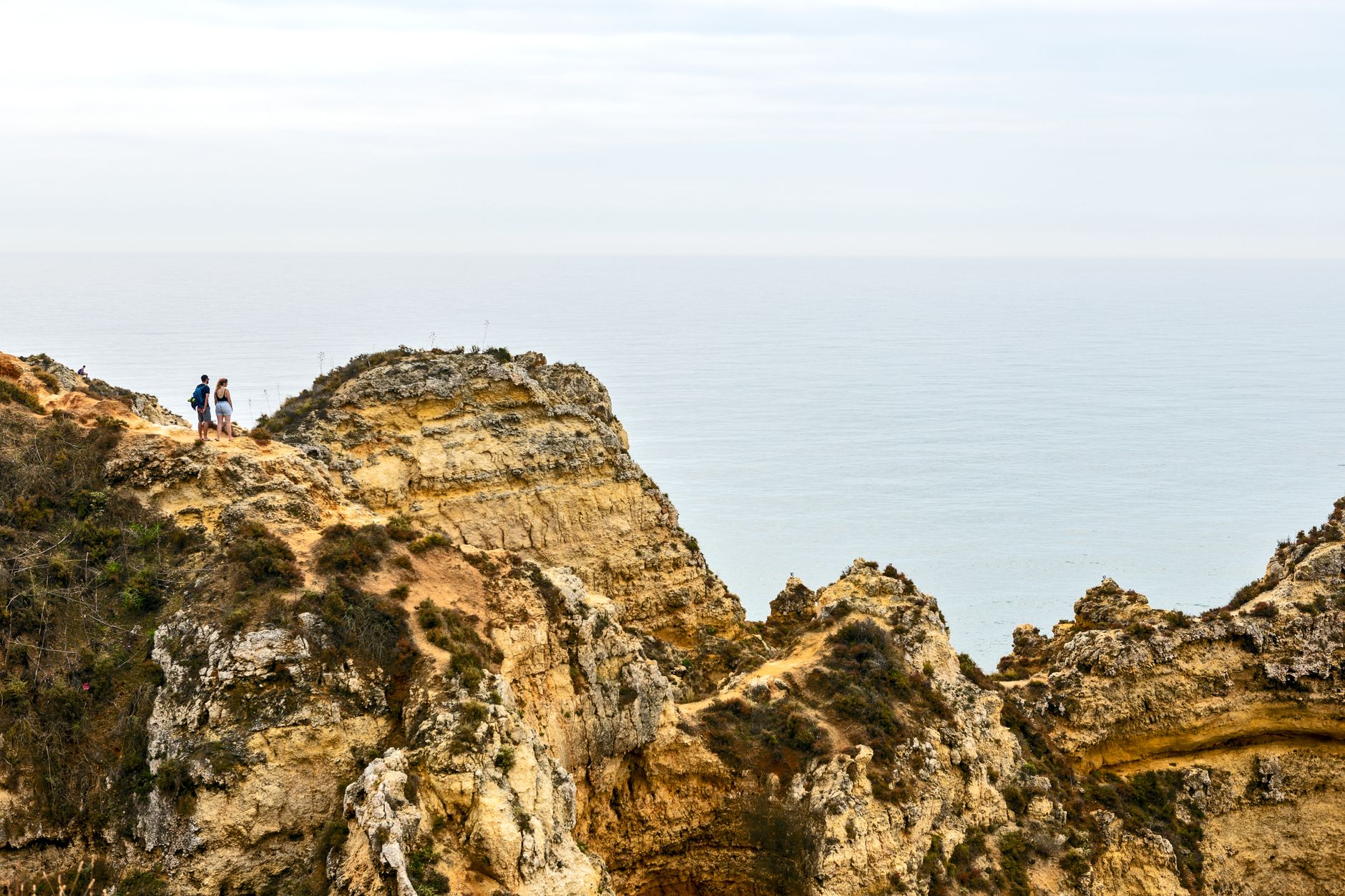
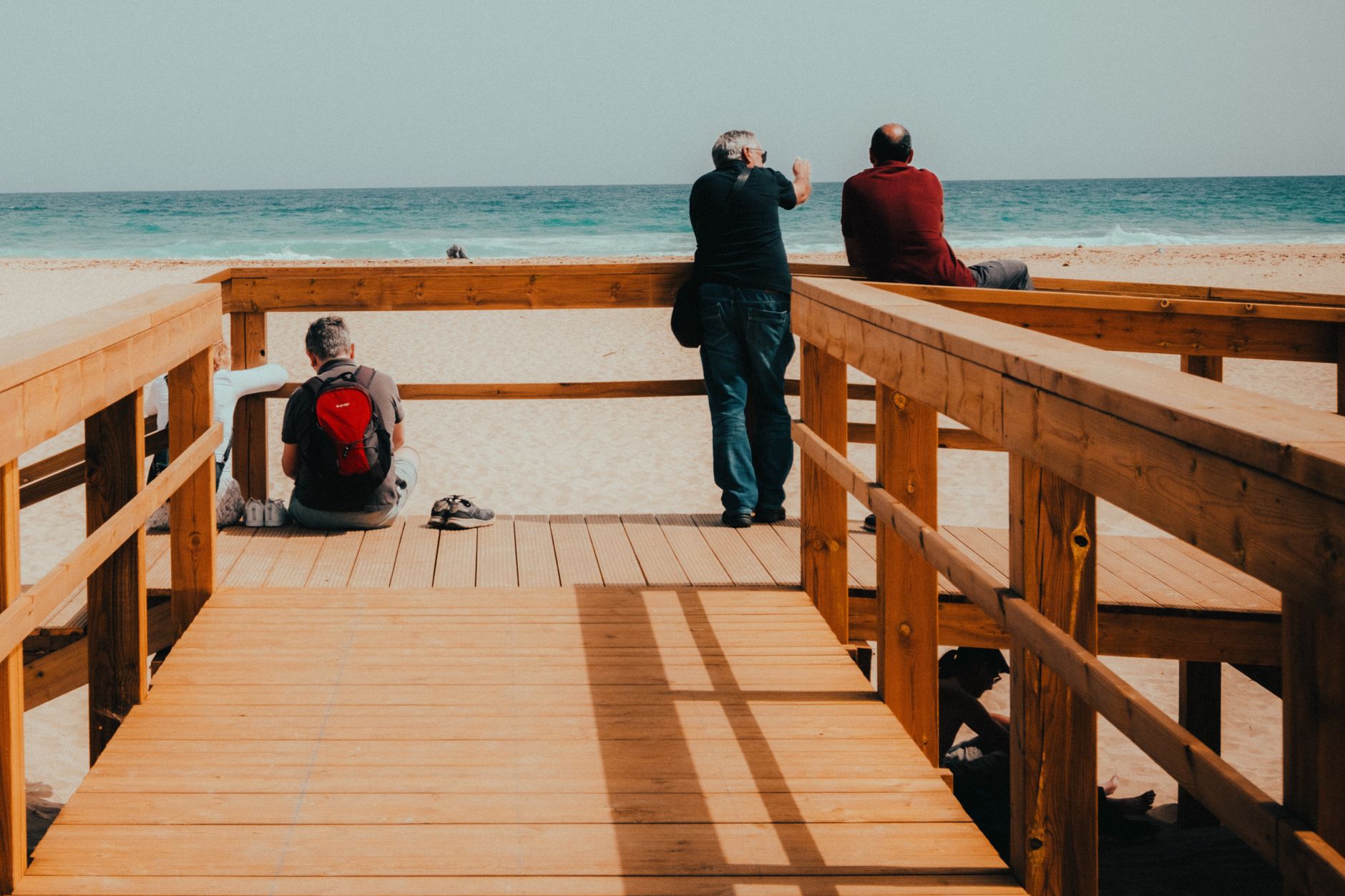
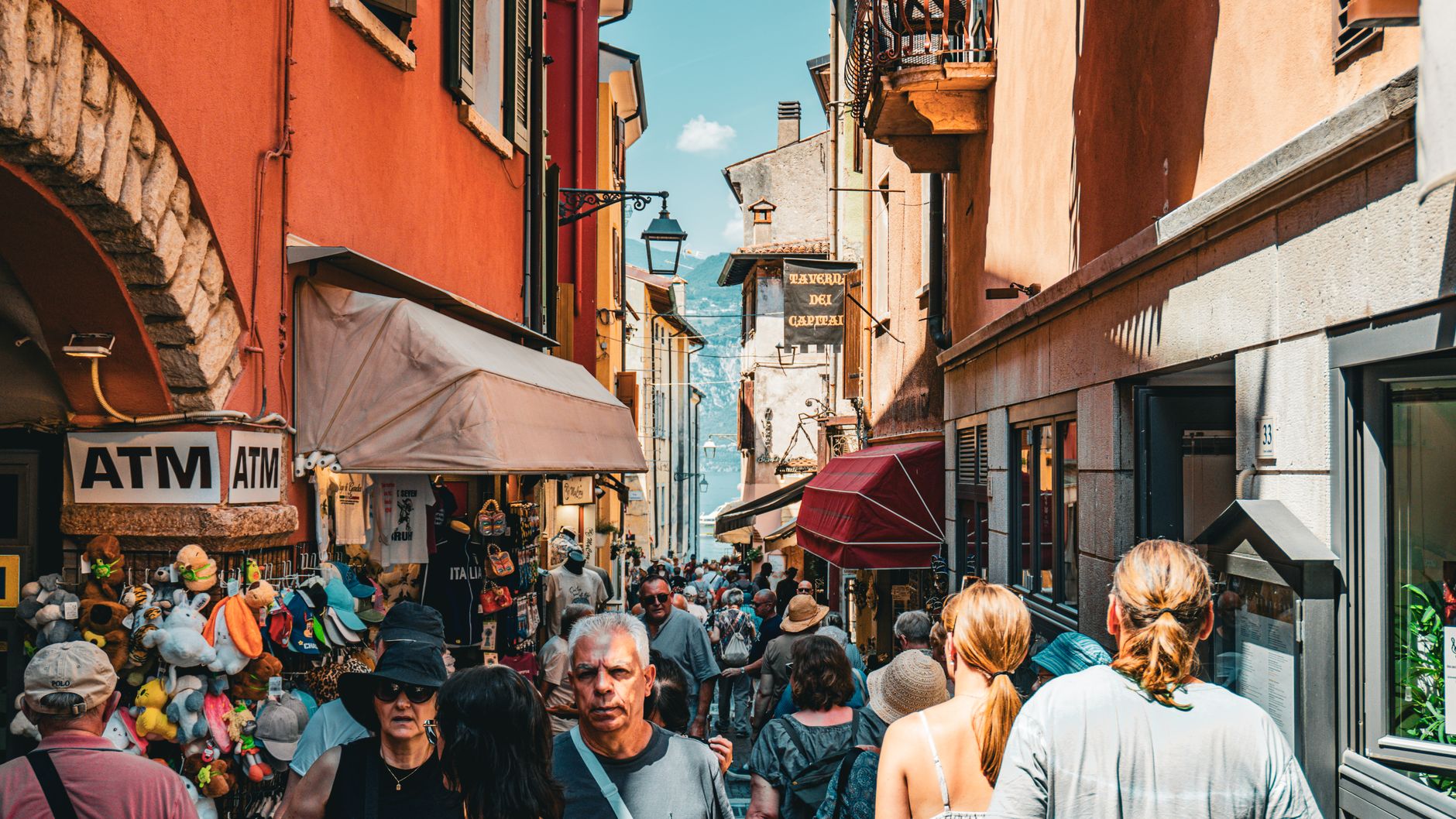

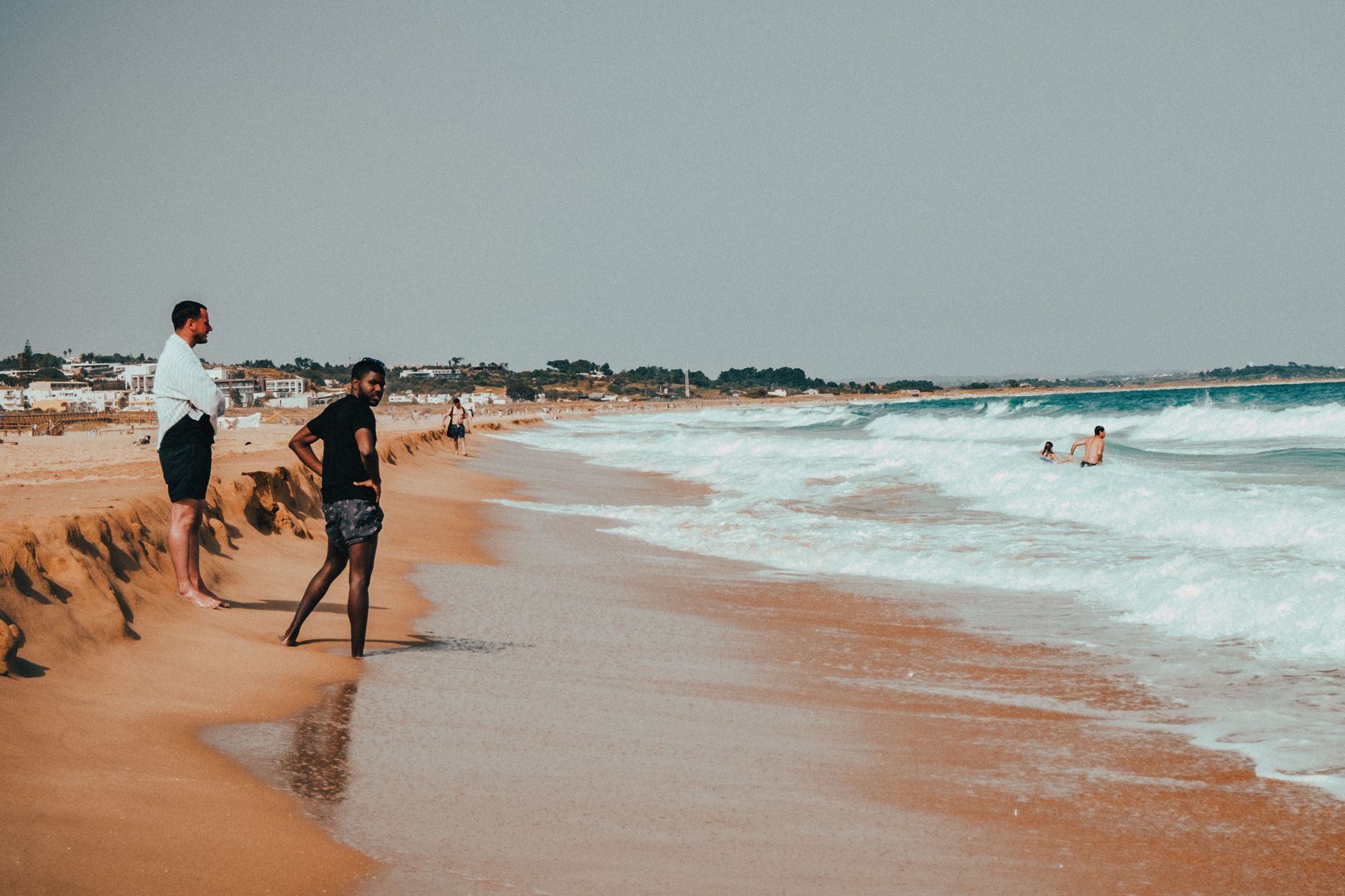

Stand at the Forte da Ponta da Bandeira and look back across the harbour: the low whitewashed town, the Atlantic light, the medieval walls still holding their line. Lagos wears its age lightly, but the weight is real — this is the port from which, in 1415, two hundred ships sailed south under Prince Henry the Navigator and effectively opened the world to European exploration.
Today it is a working town with a university energy and a coastline of extraordinary sandstone cliffs. The old streets are compact enough to cover on foot, the buildings carry genuine history, and the harbour still smells of salt and diesel in roughly equal measure.
💛 What travellers fall for
People who come back tend to anchor their days at the Forte da Ponta da Bandeira early, before the tour groups arrive, then lose the afternoon somewhere along the cliff paths west of town. The Onda day pass at €3 is genuinely useful — it gets you to Praia da Dona Ana and back without the parking argument.
Deals in Lagos
Book directly at the provider

How Lagos came to be
The site was already settled in the Iron Age — excavations at Monte Molião uncovered foundations from the 3rd or 4th century BC. Phoenicians, Greeks, Carthaginians and Romans passed through in turn, and the Moors walled the town in the 10th century, naming it Zawaia. Christian forces took it back in 1249, and by 1361 Lagos had its own county jurisdiction under Dom Pedro I.
The 15th century made Lagos a pivot of history. In 1434, local sailor Gil Eanes became the first European to round Cape Bojador, unlocking the African coast. The slave market established around 1444 — its arched building still stands — marks the shadow side of that expansion. The earthquake of 1 November 1755, estimated at 8.7 on the Richter scale, destroyed much of the old town and ended Lagos's four decades as capital of the Algarve.
Who and what shaped it
People who shaped it
Landmark buildings
See Lagos in motion
Plan your visit
On the map
When to go
Summers are long, dry and reliably warm, with July and August regularly pushing above 30°C and strong Atlantic sun. Spring and autumn bring mild temperatures, softer light and far fewer visitors; winters are short and rarely cold, though the coast can turn grey and blustery between December and February.
↡ Attractions
Background & history adapted from Wikipedia (CC BY-SA) · specs from Wikidata (CC0) · weather from Open-Meteo · map data © OpenStreetMap contributors · photos from Wikimedia Commons / Unsplash with per-image credit. No third-party reviews or social posts reproduced.