
Tarkwa Bay Beach
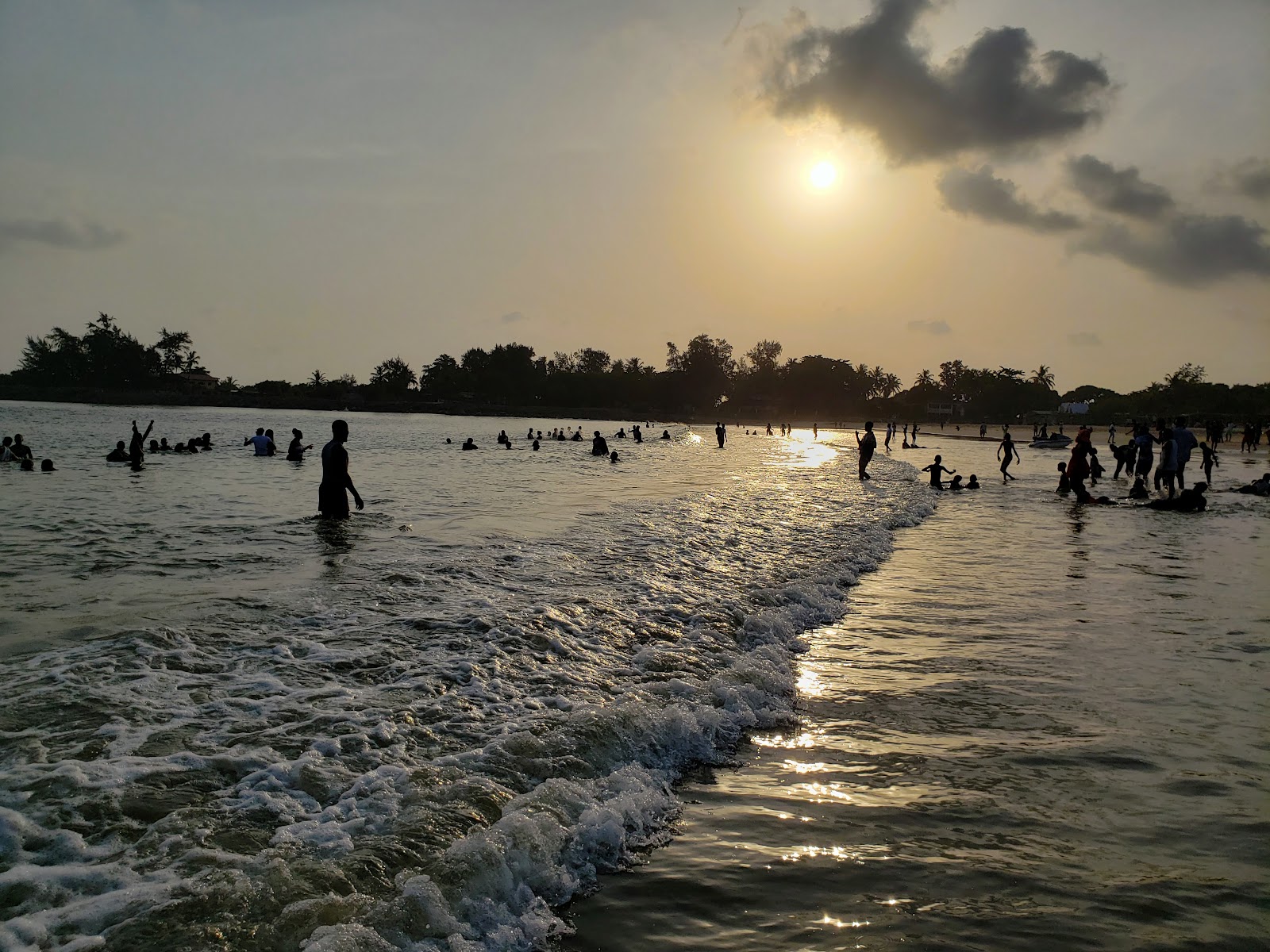
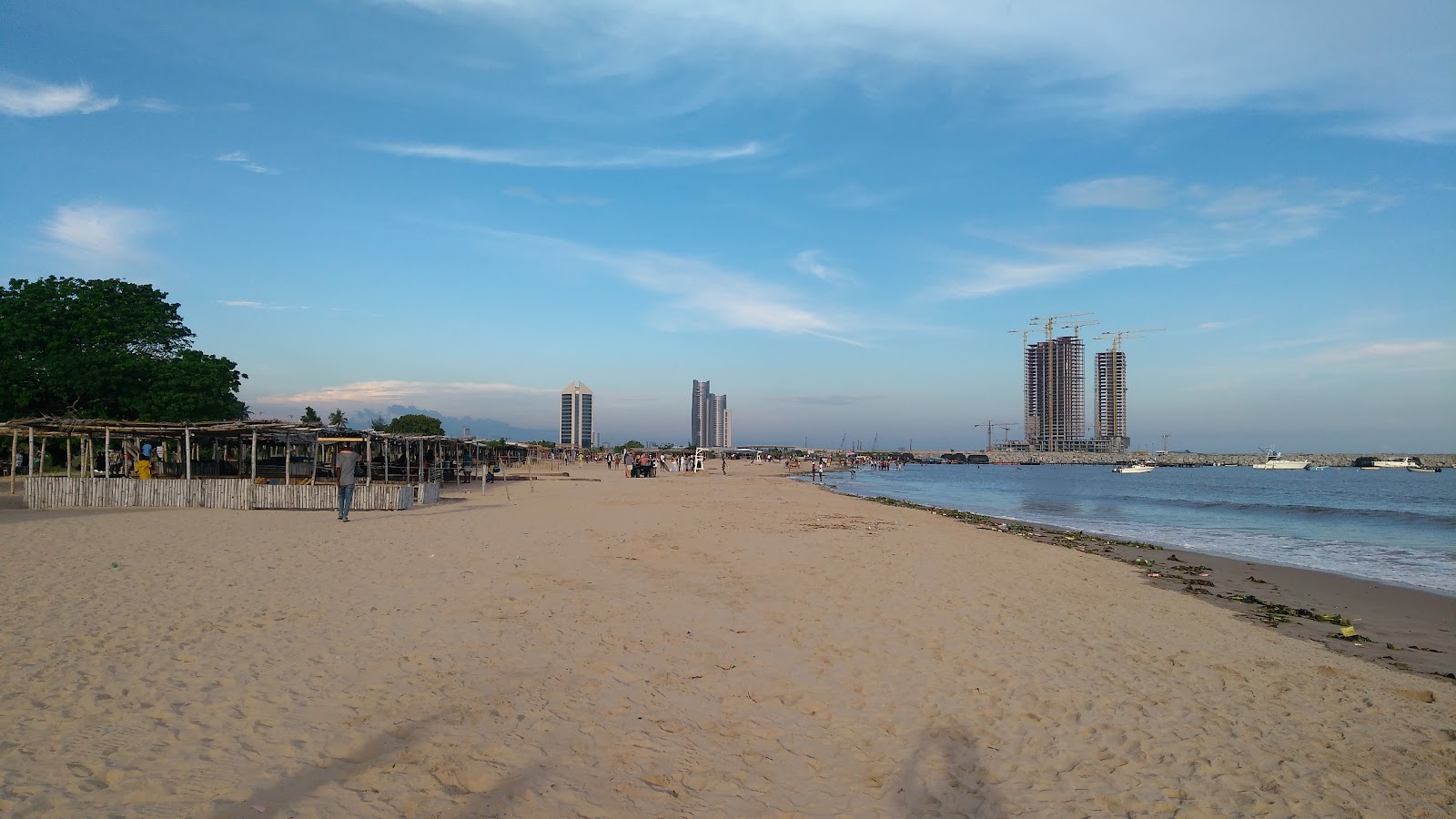
Tarkwa Bay exists because of a harbour, not in spite of one. When British engineers carved out Lagos Harbour in the early twentieth century, their breakwaters accidentally created something else: a crescent of calm, sheltered water where Atlantic swells arrive tamed and the sand holds a particular golden-hour light that makes the Lagos skyline look like a painting on the horizon.
The only way in is by water taxi — fifteen minutes from Mekwe Jetty, twenty-five from Tarzan Marine on Victoria Island — and that short crossing is part of the deal. The city noise stays behind. You arrive to fishing boats, vendors under thatched huts, and Godpower running Nigeria's only surf school off waves shaped by the same man-made inlet that brought container ships through a century ago.
💛 What travellers fall for
People who come back tend to time it for golden hour, when the Lagos skyline sharpens against the low light and the beach empties a little. Regulars rent shade from the thatched huts early, eat Tunde's pizza mid-afternoon, and catch the last boat at six — the crossing back at dusk is its own kind of reward.
The story behind Tarkwa Bay Beach
Tarkwa Bay is an accident of empire. In the early 1900s, British colonial engineers dredged the Atlantic and built the West Mole breakwater to protect Lagos Harbour's shipping lanes. The spoil formed a man-made island; the breakwater shaped a sheltered crescent bay. Frederick Lugard, the colonial administrator, kept a bunker here — old train tracks still run from his former house down to the shore.
By the 1970s the beach had opened to the public, and a modest community took root in the abandoned villas and corrugated-metal shacks that accumulated over the decades. In January 2020, Nigerian Navy demolitions razed hundreds of those homes, dramatically thinning the settlement that had grown around the sand. The traces of all of it — the colonial infrastructure, the informal city, the surf school — sit side by side on the same narrow strip.
Good to know
Boat taxis run from Mekwe Jetty (15 min, around ₦2,000) or Tarzan Marine beside Lagos Oriental Hotel (25 min). Last boat leaves at 6 pm. Come November through March — April to September brings heavy rain and rough water. The one bathroom serves the neighbouring community and charges a fee; plan accordingly.
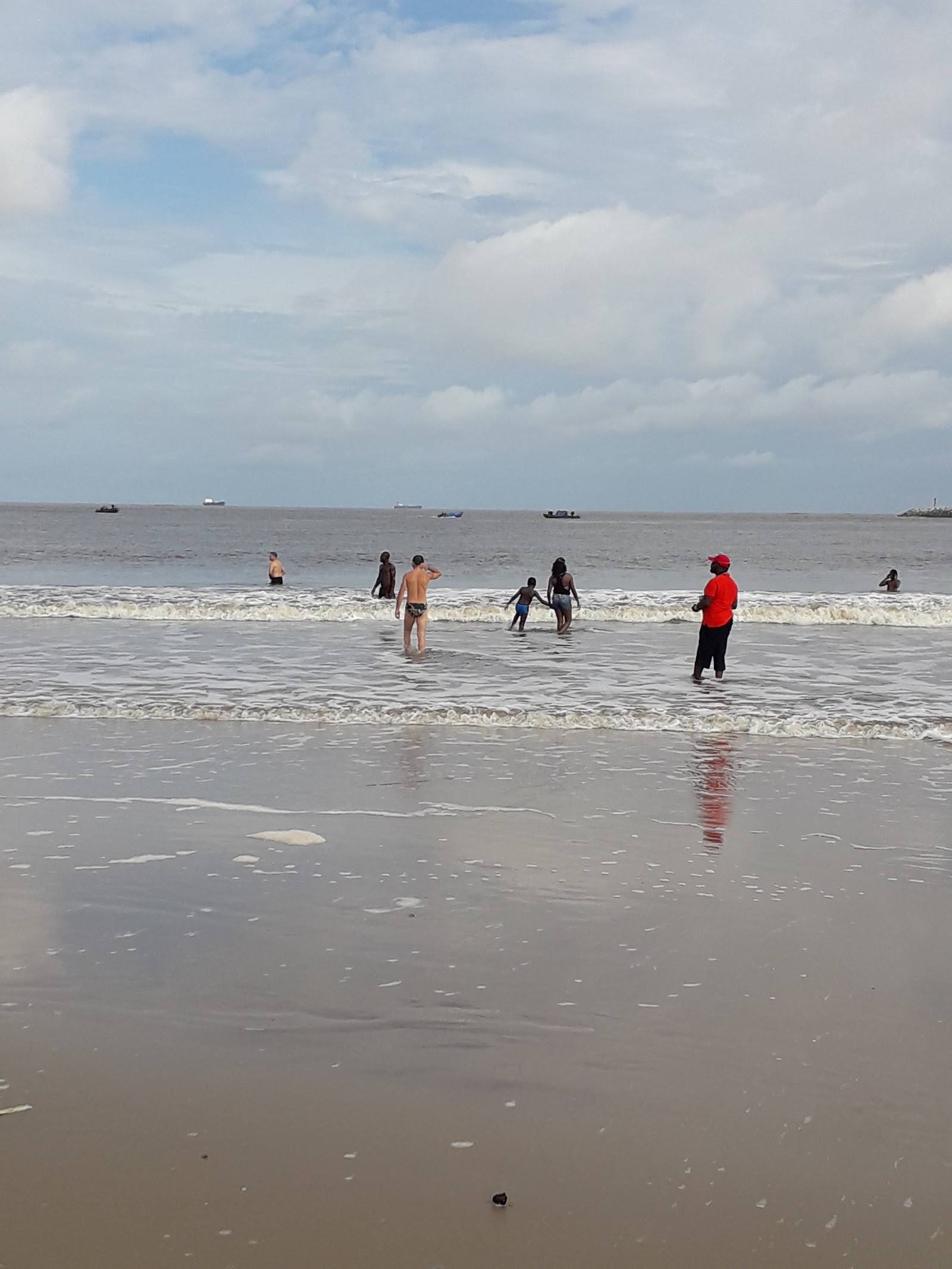
November through March is the window: dry air, manageable heat, and calm enough water for swimming and surfing. December and January draw the biggest crowds, especially over Christmas and New Year. From April to September, rain can arrive hard and fast, churning the water and cutting beach days short.
Where is Tarkwa Bay Beach?
More tickets & tours for Tarkwa Bay Beach
Book directly at the provider
What travellers say about Tarkwa Bay Beach
My experience at Tarkwa Bay Beach was both refreshing and memorable. From the moment the boat left the mainland, the journey itself felt like an adventure, offering beautiful views of the Lagos coastline and the busy harbor. On arrival, I was welcomed by the calm atmosphere, golden sands, and the soothing sound of waves rolling onto the shore. Unlike many crowded city locations, Tarkwa Bay felt peaceful and relaxing. Families, friends, surfers, and tourists were all enjoying the beach in their own way, creating a lively but comfortable environment. One of the highlights was watching surfers ride the waves while others enjoyed beach games, horse riding, and local delicacies sold by vendors. The fresh sea breeze and stunning ocean views made it easy to forget the stress of city life. As the day progressed, the sunset painted the sky with beautiful shades of orange and gold, creating the perfect ending to a wonderful outing. Overall, Tarkwa Bay offered a unique blend of adventure, relaxation, and natural beauty, making it one of the most enjoyable beach experiences I have had in Lagos.
I axctuallly slept there. I went two different times and will still go again, it was really calm and peaceful. Some guys even did burn fire and it was really nice, i met different people, exchanged contact and the calmness in the beach ehn... I'd really loke to go again. I loved it here
Tarkwa Bay Beach is a nice place to go if you want to relax and enjoy a quieter beach atmosphere away from the mainland. The beach itself is calm, scenic, and great for unwinding. One tip: do your research ahead of time for transportation. The private boat we took cost ₦20,000, and it was a standard wooden boat—not anything fancy—so it’s good to compare options before going. Once you arrive, there’s a ₦1,000 gate fee to access the beach. Inside, there are several sheds offering food and drinks, so you won’t be stuck without options. There’s also a bar with a swimming pool. Pool access costs ₦15,000 per person, and drinks are around ₦9,000. I was told that it had been destroyed by the government 5 years ago, which may explain the limited options. Hopefully, more activities will be added to the island in the future to enhance the overall experience. Overall, it’s a decent spot if you go prepared and budget accordingly.
A hidden gem on the island❤️ of course it’s an island and you can only reach there by boat Camped overnight and I so much love the experience 🤭
Tarkwa Bay is always such a delight. I particularly love how quiet it can be expecially during the week 🤗 The video attached to this review is that of an amazing man who's always available to welcome you in and serenade you with beautiful sounds 🤗
More of Lagos
Discover where to stay, what to do and the best deals for your trip.
Explore Lagos →More attractions in Lagos
All of Lagos →
Background adapted from Wikipedia (CC BY-SA) · map data © OpenStreetMap contributors · ratings & place photos via Google · other photos with per-image credit. Ticket links may earn us a commission at no extra cost to you.