
Freedom Park Lagos
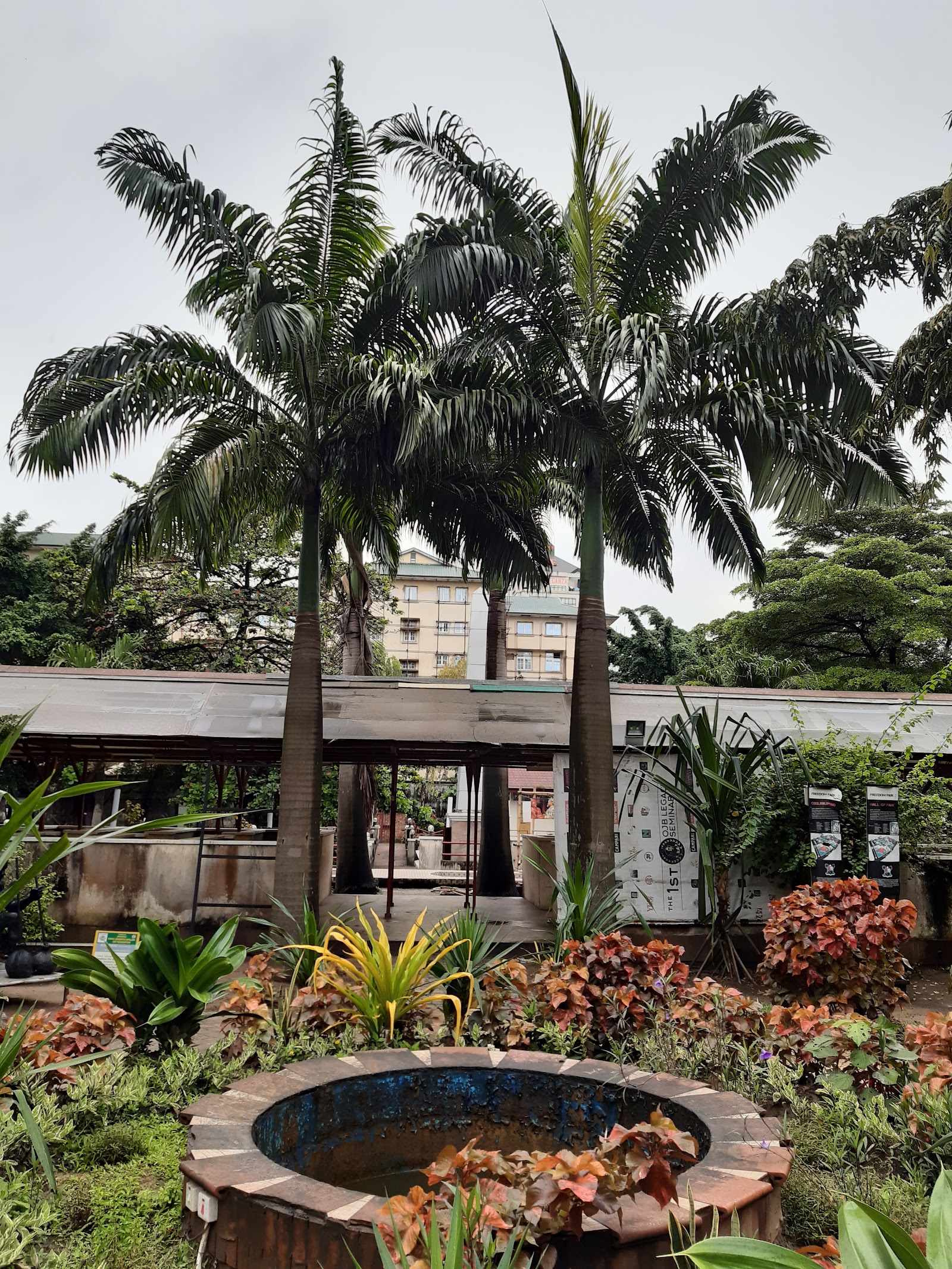
On Broad Street in the middle of Lagos Island, a former colonial prison has become one of the city's most quietly absorbing places. The obelisk at the park's centre marks the midpoint between where the ministry of justice once stood and where the gallows did — a detail that stops you in your tracks once you know it.
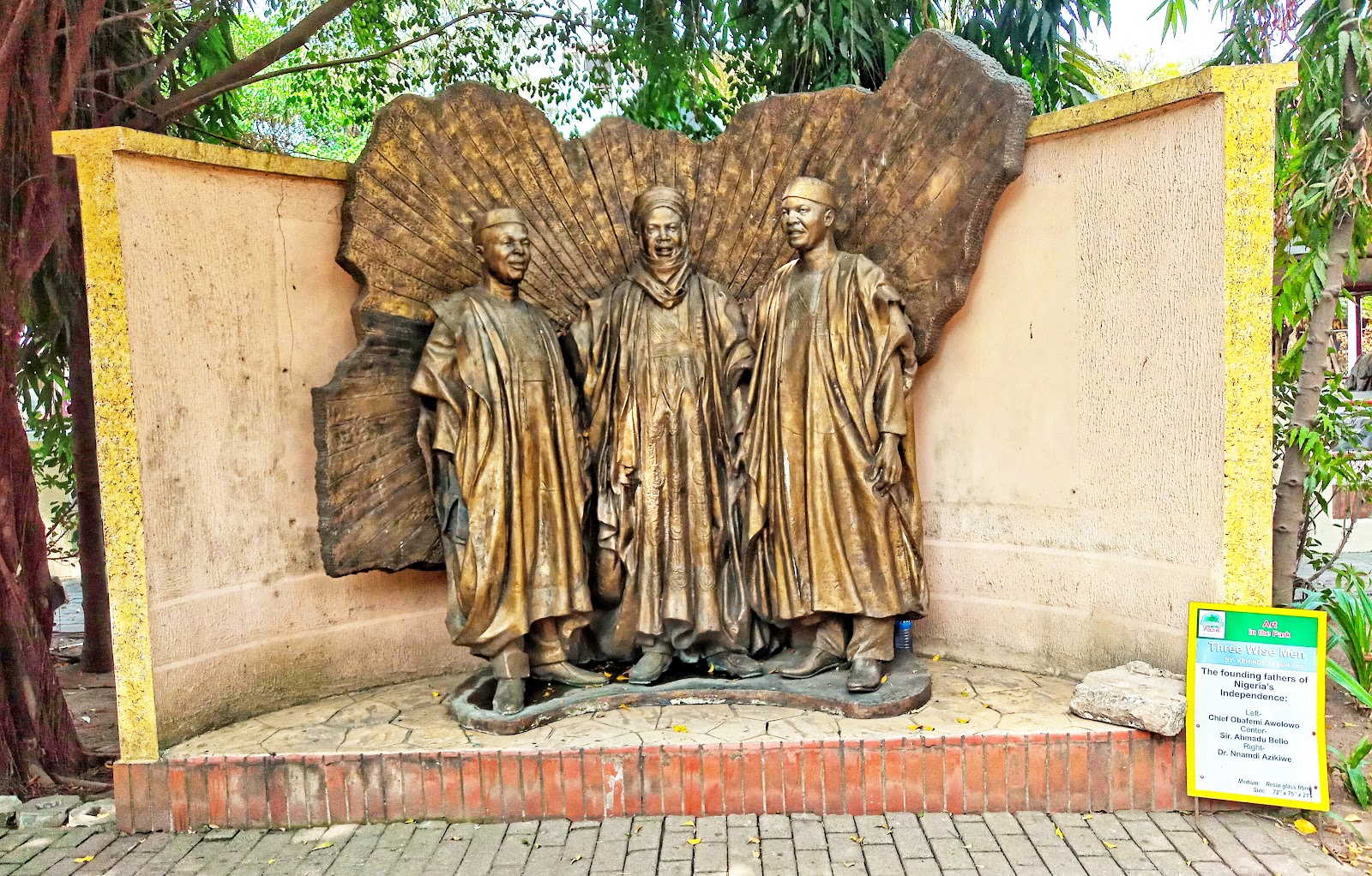
Designed by architect Theo Lawson and opened in October 2010 to mark Nigeria's 50th independence anniversary, Freedom Park occupies the footprint of Broad Street Prison. The old cells — each just four feet by eight — now house small market stalls. A koi and pink tilapia pond catches the light between the trees. Geese and cats move at their own pace while the smell of barbecue drifts from the food court.
💛 What travellers fall for
People who come back tend to time it for a weekday afternoon, when the amphitheatre belongs mostly to the local rollerblading community and the Wole Soyinka Gallery is unhurried. The open-air stage draws crowds on weekend evenings, so if you want the park's stranger, quieter register — standing inside a cell that is now a shop — go earlier in the week.
The story behind Freedom Park Lagos
Britain declared Lagos a colony in 1861, and a prison on Broad Street followed two decades later. The first structure, built in 1882 from mud walls and grass thatch, was sabotaged by opponents of the colonial administration and didn't survive long. By 1885 the colonial government had imported bricks from England and rebuilt it properly. Among those eventually held there were independence figures Herbert Macaulay and Chief Obafemi Awolowo.
The prison was demolished in 1979 and the site spent the following years as a dumping ground. In 1999, Theo Lawson conceived the transformation as a speculative project under CIA-Lagos (the Creative Intelligence Agency, later the Cultural Intellectual Association). The rebuilt park opened in October 2010, with Nobel laureate Wole Soyinka serving as its main patron and trustee.
Good to know
Entry costs 1,000 Naira (2022 pricing; confirm on arrival). The park opens at 11 AM weekdays and noon on weekends, closing at 11 PM. Allow two to three hours. Old Prison Ground is on Broad Street, Lagos Island — a short ride from the National Museum Lagos.
Lagos is humid and warm year-round. The long rainy season runs roughly April through July; an evening visit after a downpour can feel cooler and less crowded. The park's tree cover makes the heat manageable at most times of day.
Where is Freedom Park Lagos?
More tickets & tours for Freedom Park Lagos
Book directly at the provider
What travellers say about Freedom Park Lagos
Cultural and historical. A serene environment. Limited wheelchair access. Went with friends, paid 1k for entry. There are two stages, basketball court, skate park, table tennis eateries and more.
An amazing outdoor experience in the heart of Lagos. Blend of history, culture, relaxation and awesome food. Nice safe outdoor sport for famiky relaxation in Lagos Island. I certainly recomend
It's a beautiful place!! The history, the heritage, the ambience, the atmosphere, trees and greenery is all sensational - the Entry Gate feels is a little understandable. - FYI; I'm part of a team working on a mural on the perimeter fence of Freedom park, the part opposite St Nicolas Hospital and we also painting the Bus inside the park close to the main stage - check photos :-)
It’s a really chill place with lots of historic buildings, each with its own story. It’s also a great location for small to medium-sized events. With plenty of great restaurants to choose from, you definitely won’t go hungry while hanging out at the park.
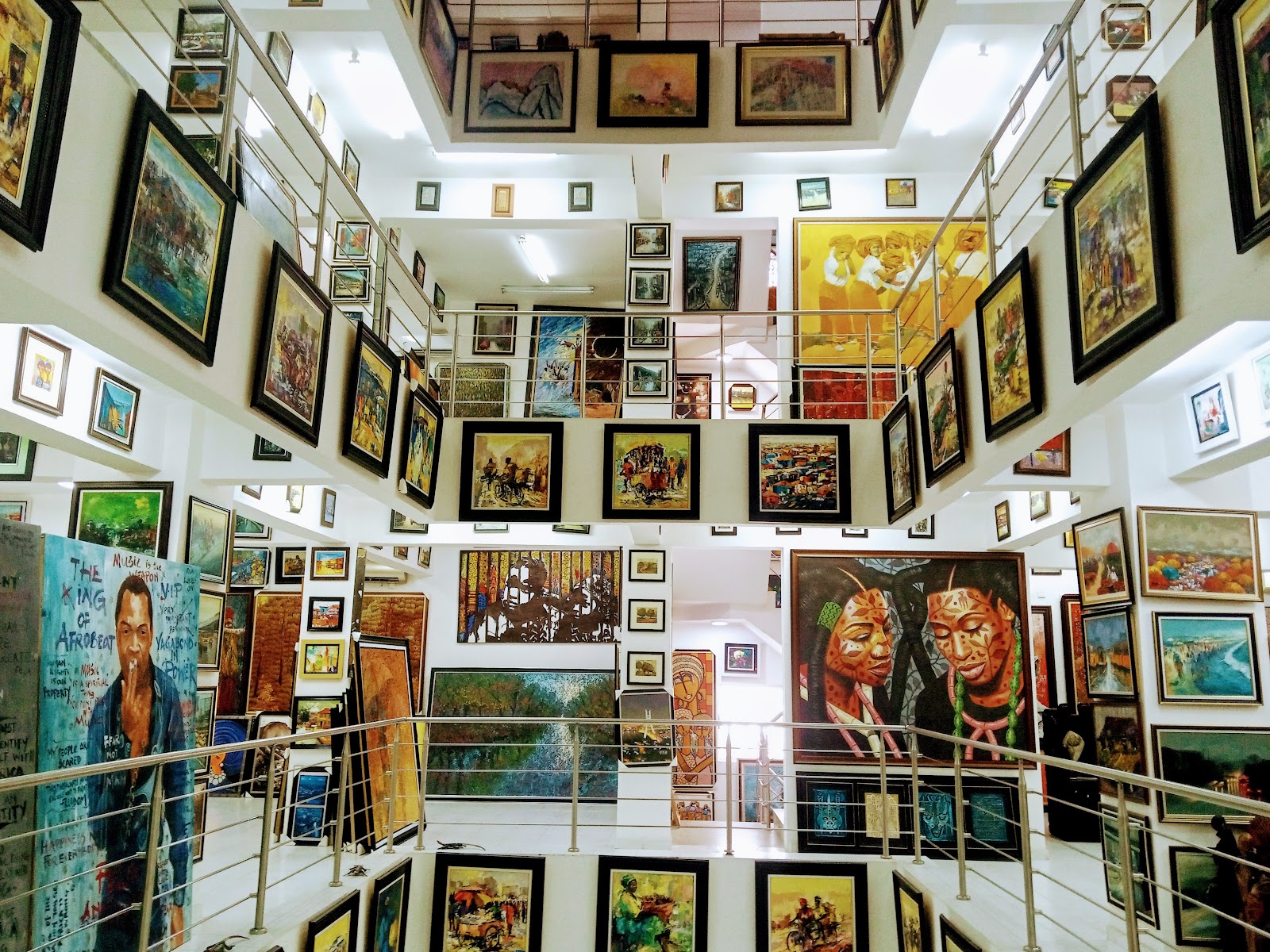
It is a really good place for lounging around and chilling. They have a bookstore, different shaded spots you can sit in, and different stores for refreshments. If you want to do an open-ground event too, this place is perfect for it. You also get to see different artifacts and sculptures. Entry fee is 1k. It's basically a sell out for the amount of fun you can have here.
More of Lagos
Discover where to stay, what to do and the best deals for your trip.
Explore Lagos →More attractions in Lagos
All of Lagos →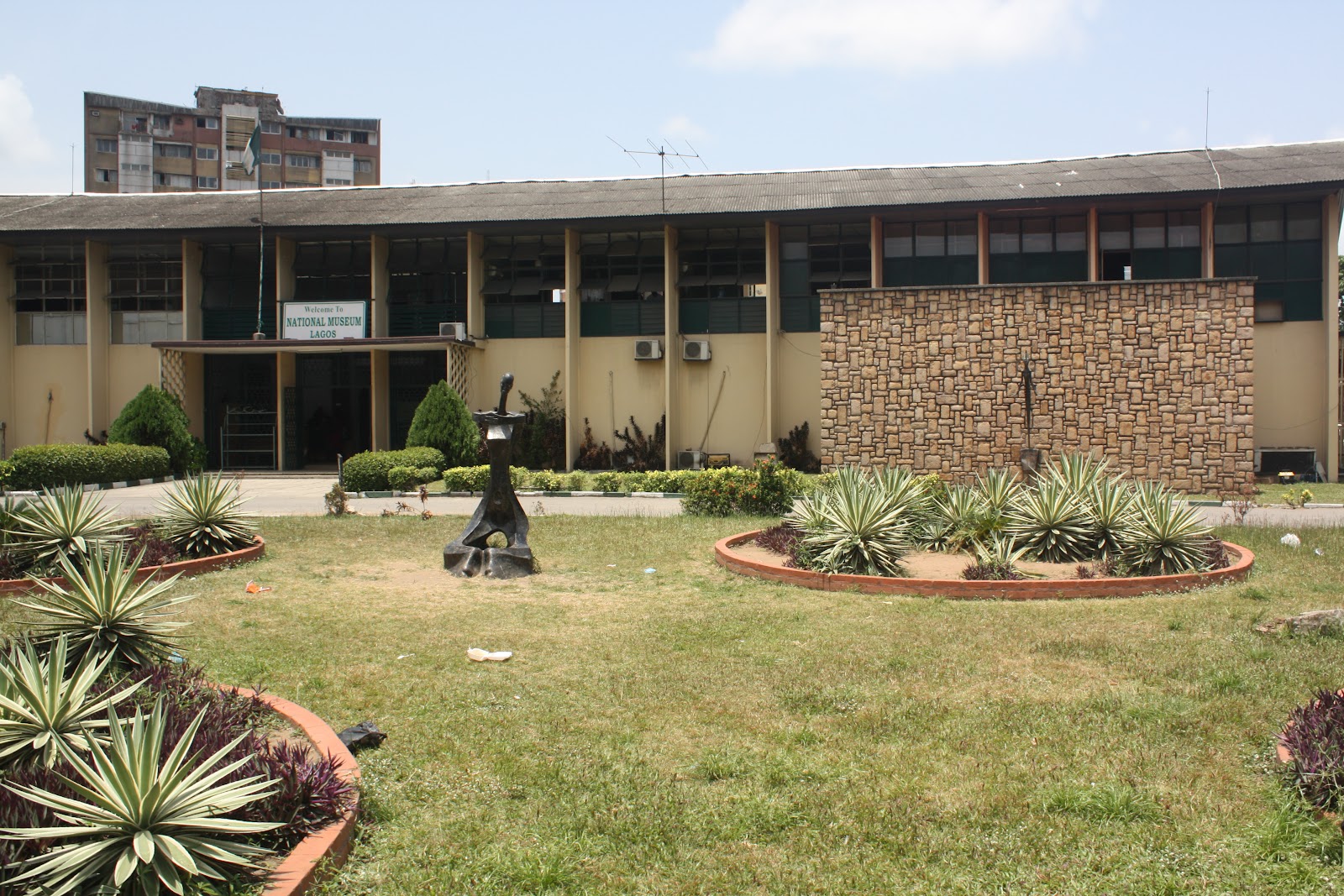
Background adapted from Wikipedia (CC BY-SA) · map data © OpenStreetMap contributors · ratings & place photos via Google · other photos with per-image credit. Ticket links may earn us a commission at no extra cost to you.