
Silves
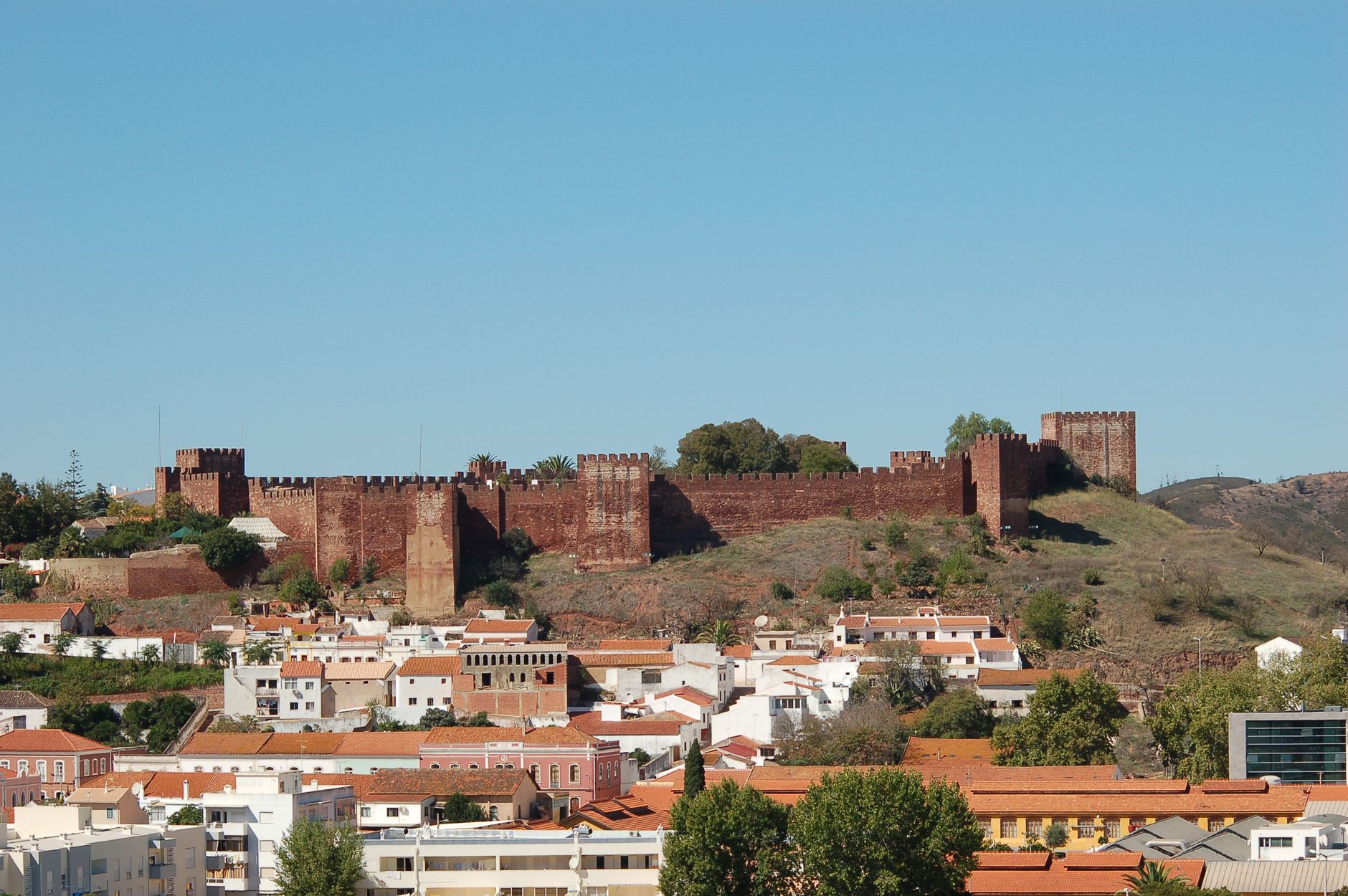
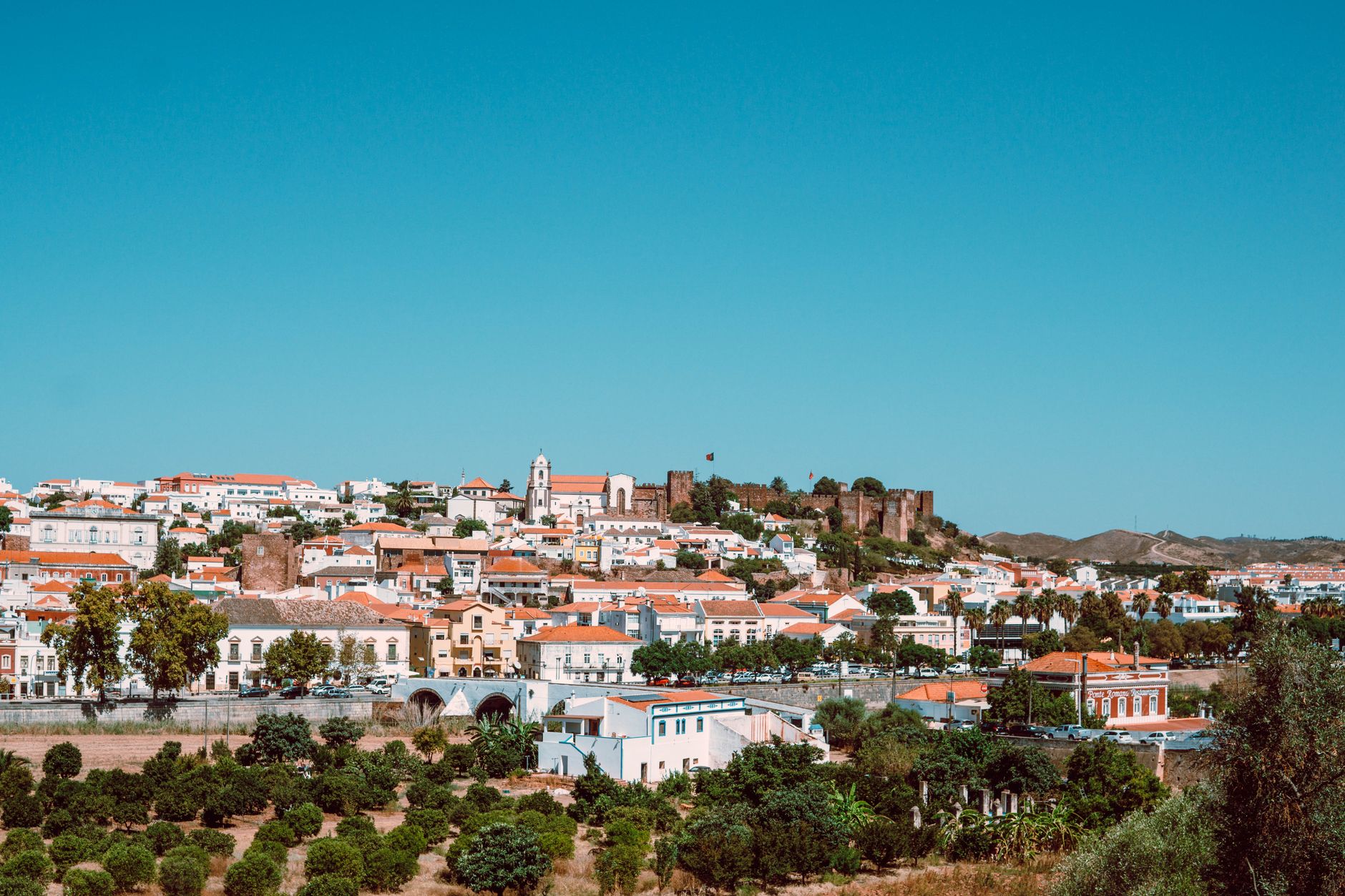
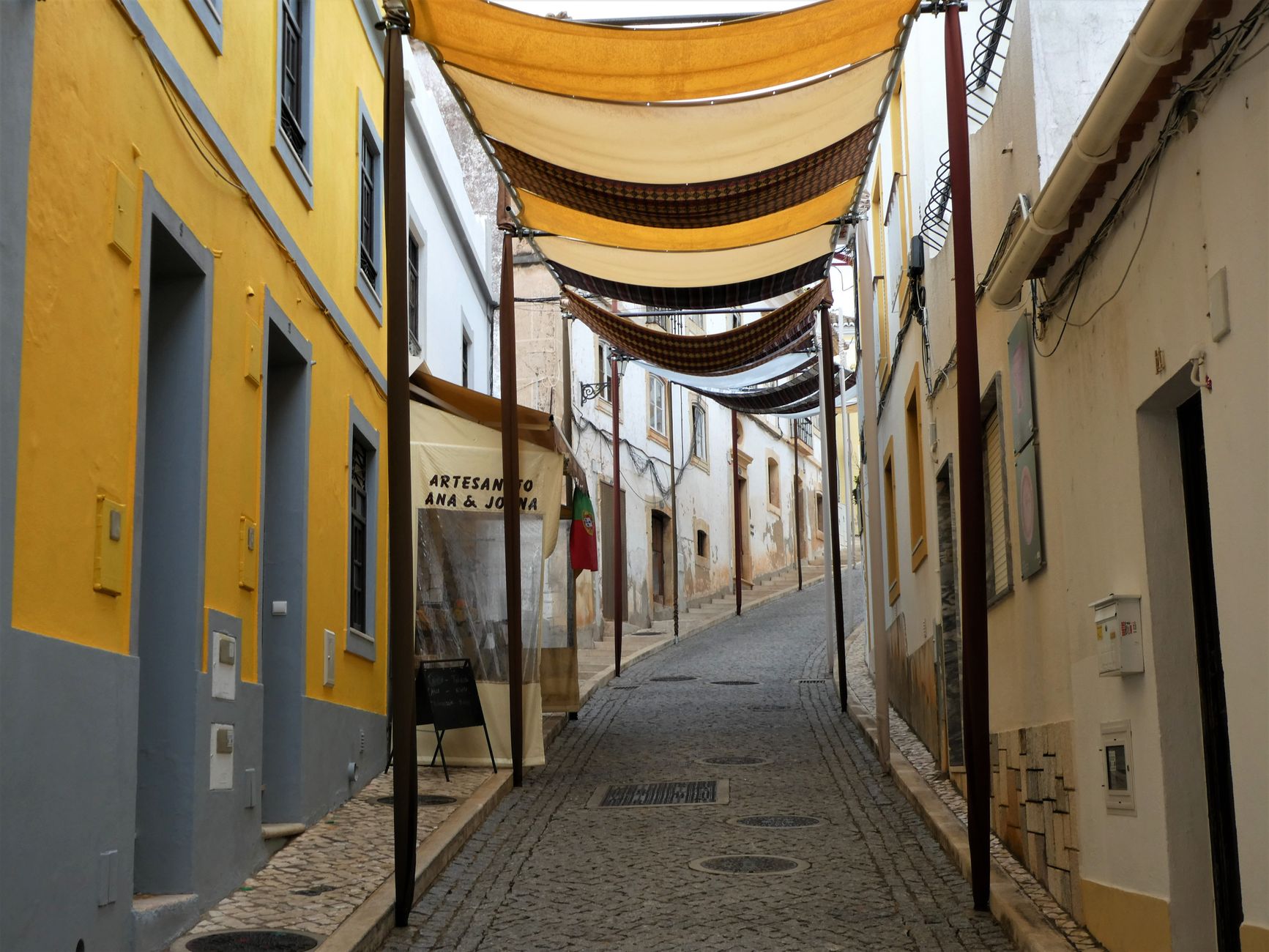
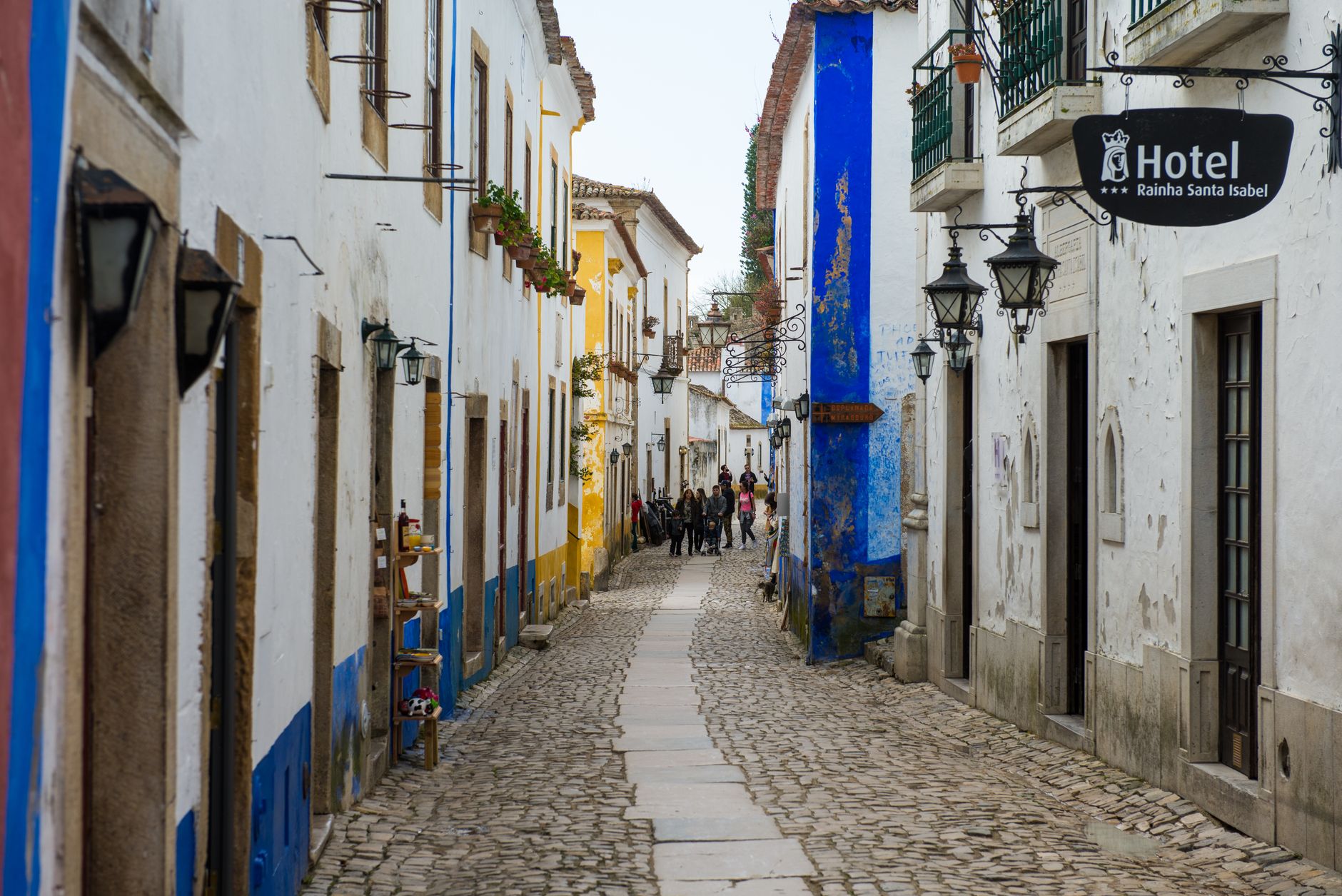
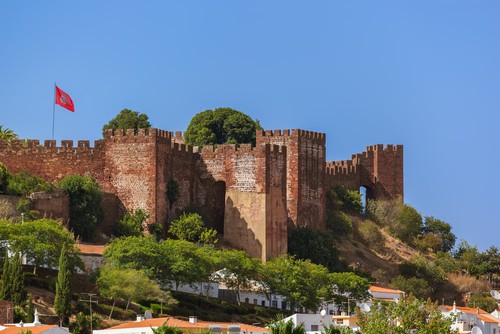
The red sandstone walls of Silves Castle have been watching over the Arade valley for more than a thousand years, and the town below them moves at a pace that reflects that long memory. Silves sits inland from the Algarve coast, far enough that the beach crowds thin out, close enough that you can smell the Atlantic on a westerly wind.
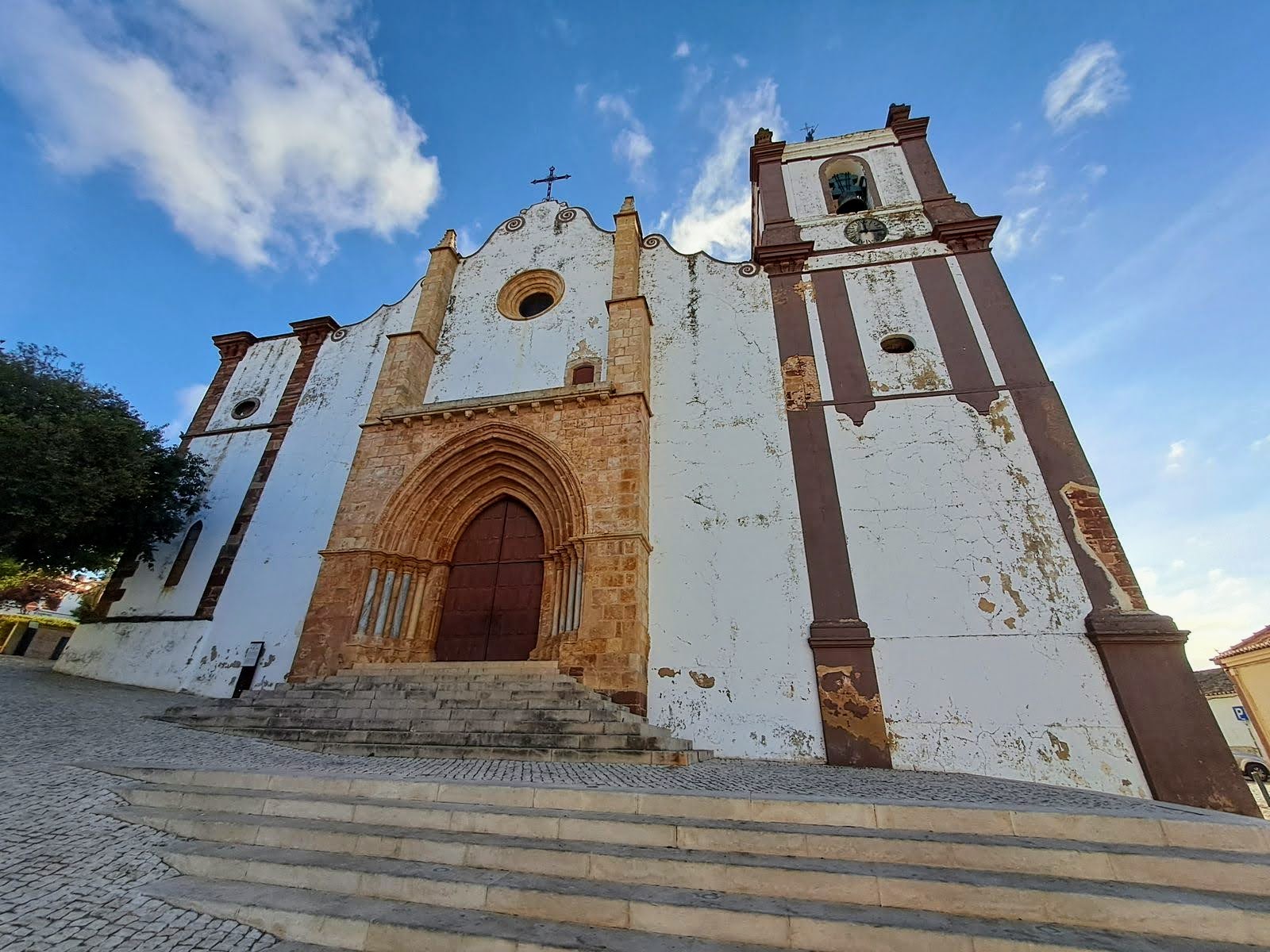
This was once the capital of an Islamic taifa state, a city of poets and scholars that outranked Lisbon in its day. The cathedral, the castle, the Roman Bridge that isn't quite Roman — each one carries a layer of that accumulated time, and the cork trees on the surrounding hills have been here almost as long.
💛 What travellers fall for
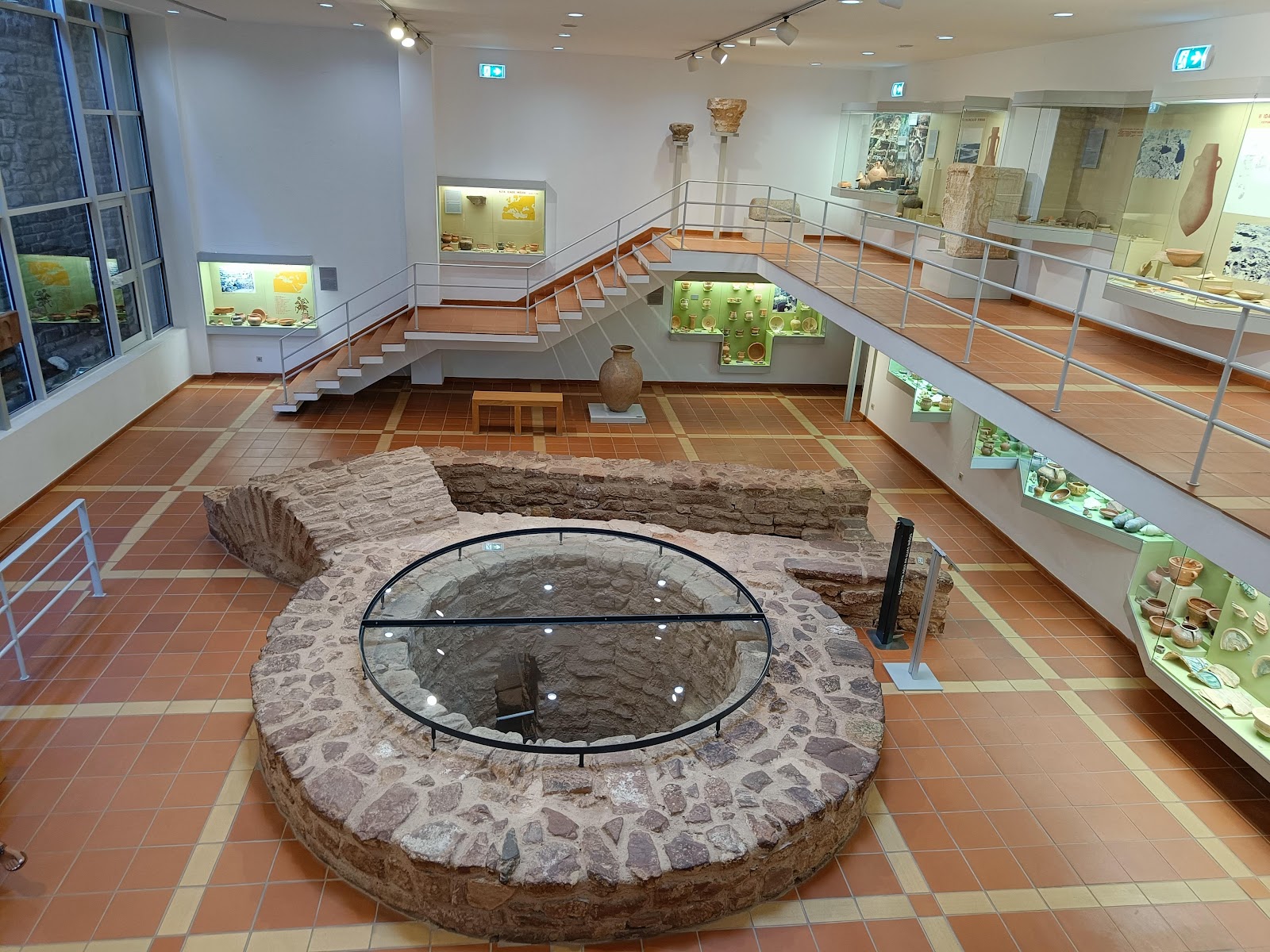
People who come back tend to arrive at the castle just after opening — 9 a.m. — before the tour groups, when the Cistern of Moura is quiet enough to hear the echo of your own footsteps across its five vaulted naves. The combined ticket with the Archaeological Museum is worth the small extra cost; the preserved Arabian well alone justifies the detour.
Deals in Silves
Book directly at the provider
How Silves came to be
Phoenicians likely settled here around 3,000 years ago; Romans arrived in 201 BC and built a citadel that prospered for five centuries. After 713, the town passed into the Umayyad orbit under the Arabic name Shilb, and by the 10th century it was one of the most consequential cities in western Al-Andalus. In 1027 it became an independent taifa, and the poet-king Al-Mu'tamid ibn Abbad ruled from its walls until 1091.
King Sancho I took the town in 1189 with the help of Northern European crusaders, though Muslim rule returned before Paio Peres Correia, Grand-Master of the Order of Santiago, finally secured it in 1242. The great mosque became a cathedral. Silves held the nominal title of capital of the Kingdom of the Algarve until 1910, but real power had long since moved to Faro. The 1755 earthquake damaged much of what remained; a 19th-century revival built on cork and nuts rather than conquest.
Who and what shaped it
People who shaped it
Landmark buildings
See Silves in motion
Plan your visit
On the map
When to go
Summers are long, dry and genuinely hot — inland temperatures regularly exceed those on the coast. March through May and September through October offer warm days, cooler evenings, and the surrounding orchards in various states of flower or harvest.
Right now
↡ Attractions
Background & history adapted from Wikipedia (CC BY-SA) · specs from Wikidata (CC0) · weather from Open-Meteo · map data © OpenStreetMap contributors · photos from Wikimedia Commons / Unsplash with per-image credit. No third-party reviews or social posts reproduced.