
Museu Municipal de Arqueologia de Silves
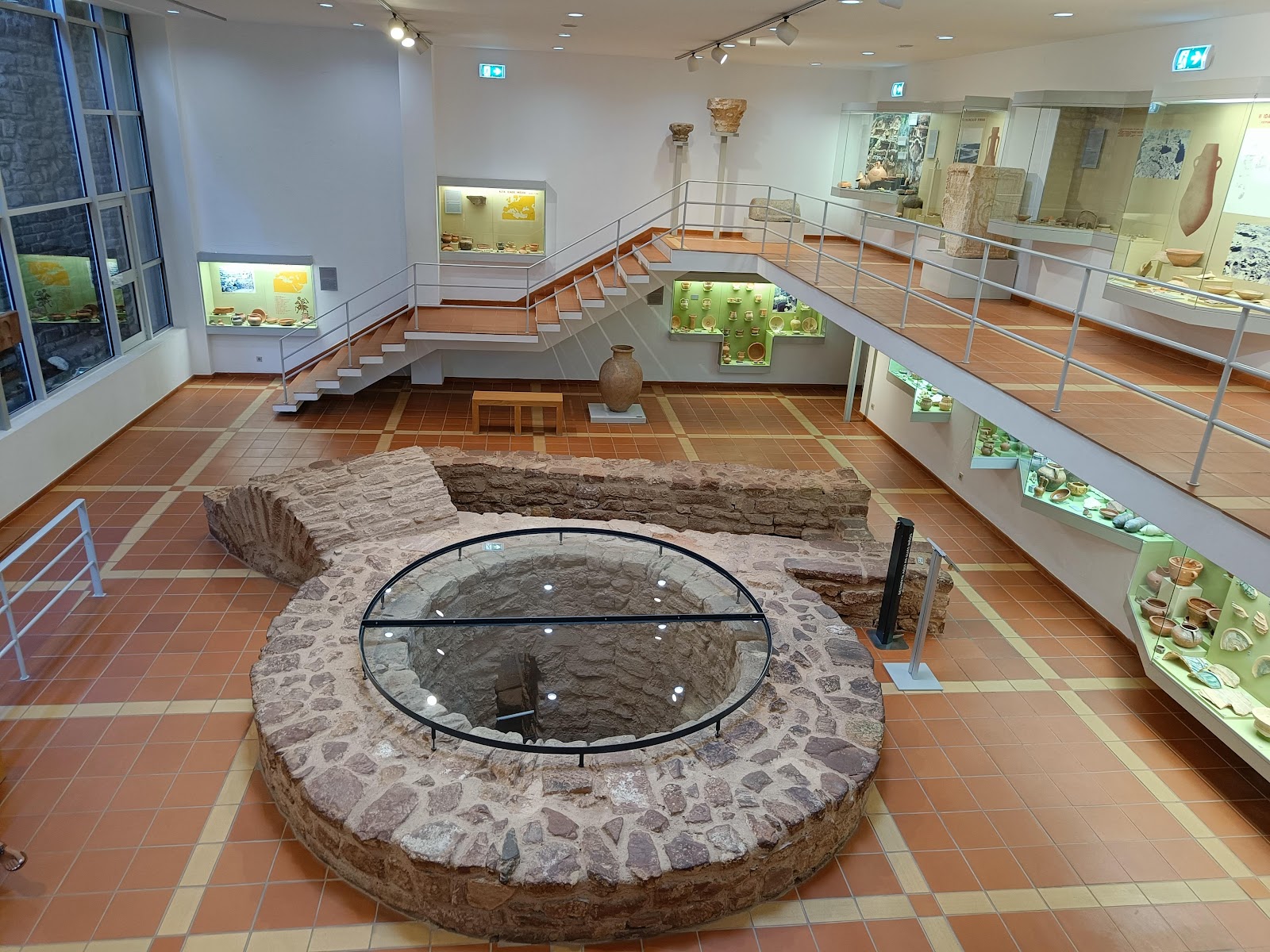
At the centre of this small museum, a shaft drops eighteen metres into the earth — an Almohad cistern from the twelfth or thirteenth century, fitted with a spiral staircase and three windows cut at different heights so water could be drawn as the level fell. It is the only structure of its kind in Portugal, and the museum was built around it rather than the other way around.
The collections move through time in loose clusters — prehistory, Roman, Islamic, modern — and the objects are genuinely strange and specific: Iron Age funerary stelae incised with a script from the Peninsular Southwest that nobody has yet deciphered, a solid-gold Roman coin from the 370s AD, a glazed ablution basin pulled from the castle excavations just up the hill.
💛 What travellers fall for
People who come back tend to mention the cistern staircase — worth taking slowly, pausing at each window. The outdoor platform overlooking the old rooftops is easy to miss if you move quickly through the upper floor. Cash in hand is practical; the ticket machine takes Portuguese cards only, and the combined castle-and-museum ticket at €3.90 is worth it if you're doing both in a day.
The story behind Museu Municipal de Arqueologia de Silves
When archaeologists began excavating in Silves during the 1980s, they uncovered the cistern beneath what had been a nineteenth-century dwelling. The well itself dates to the Almohad period — twelfth to thirteenth century — and had been quietly buried under successive layers of occupation since at least the sixteenth century.
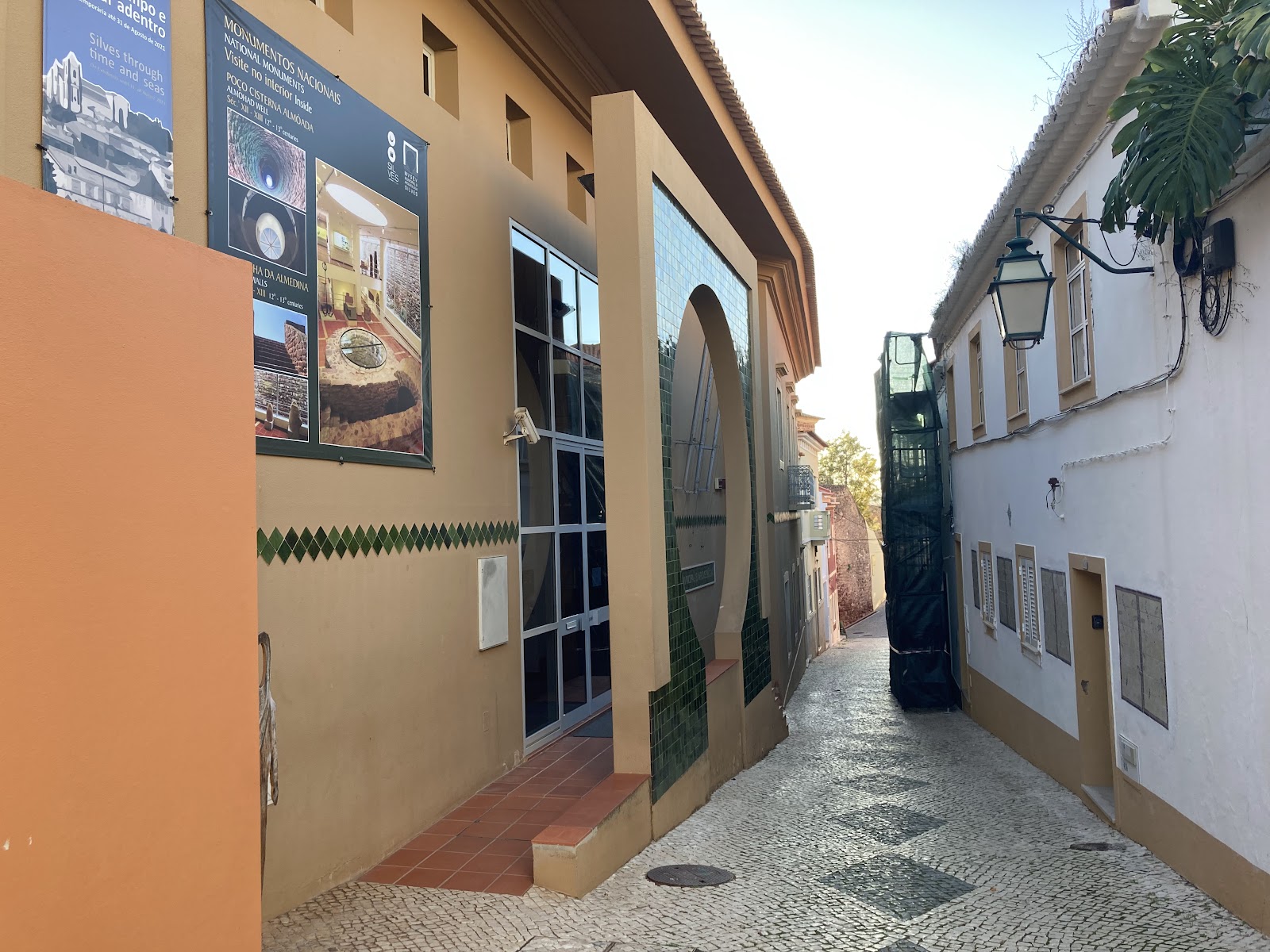
The Municipal Council commissioned architect and archaeologist Mário Varela Gomes to design a building that would preserve and display the cistern rather than displace it. The museum opened in 1990, with a section of the old Islamic city wall — the Almedina — incorporated as its southern façade. In 2005 it joined the Museum With No Frontiers network under its Discover Islamic Art programme, and in September 2022 it was admitted to the Portuguese Network of Museums.

Good to know
The museum sits on Rua da Porta de Loulé, a short walk below the cathedral and castle. Open daily 10:00–18:00, closed 25 December and 1 January. Budget around an hour. English signage is sparse, so a little pre-reading helps. Cash covers all payment scenarios.
Where is Museu Municipal de Arqueologia de Silves?
More tickets & tours for Museu Municipal de Arqueologia de Silves
Book directly at the provider
What travellers say about Museu Municipal de Arqueologia de Silves
A great archeology museum! Looking down the well in the middle is definitely a highlight but they also had a lot of really interesting pottery and artifacts from the region. It’s a pretty small museum so we spent a little less than an hour here, but it was a good visit!
The museum was absolutely fabulous. It's amazing what they had found from the castle during excavations. The whole area was so tantalizing, full of history.
The museum opened in 1990. Based on the ancient wall and the deep well with a lot of artifacts. Highly recommend to those who are interested in history
This is a brilliant museum. Presents various local developments over the span since prehistoric times, through Phoenician, Roman, Muslim, with plenty of text and archeological findings from these periods. Loved it
Visited as part of a combo admission with the Castle. Very well set-up and large number of items. 30 mins to an hour is sufficient.
More of Silves
Discover where to stay, what to do and the best deals for your trip.
Explore Silves →More attractions in Silves
All of Silves →
Background adapted from Wikipedia (CC BY-SA) · map data © OpenStreetMap contributors · ratings & place photos via Google · other photos with per-image credit. Ticket links may earn us a commission at no extra cost to you.