
Silves Castle
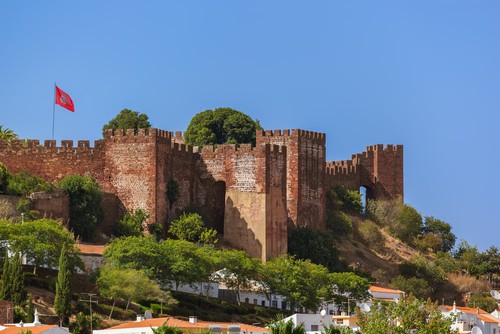
The red sandstone walls of Silves Castle rise above the orange rooftops in a way that makes the rest of the Algarve feel very far away. Built from taipa — a Moorish mix of mud and sandstone — and from blocks of the same rust-coloured stone that colours the hills around it, the castle seems to grow directly out of the landscape rather than sit on top of it.
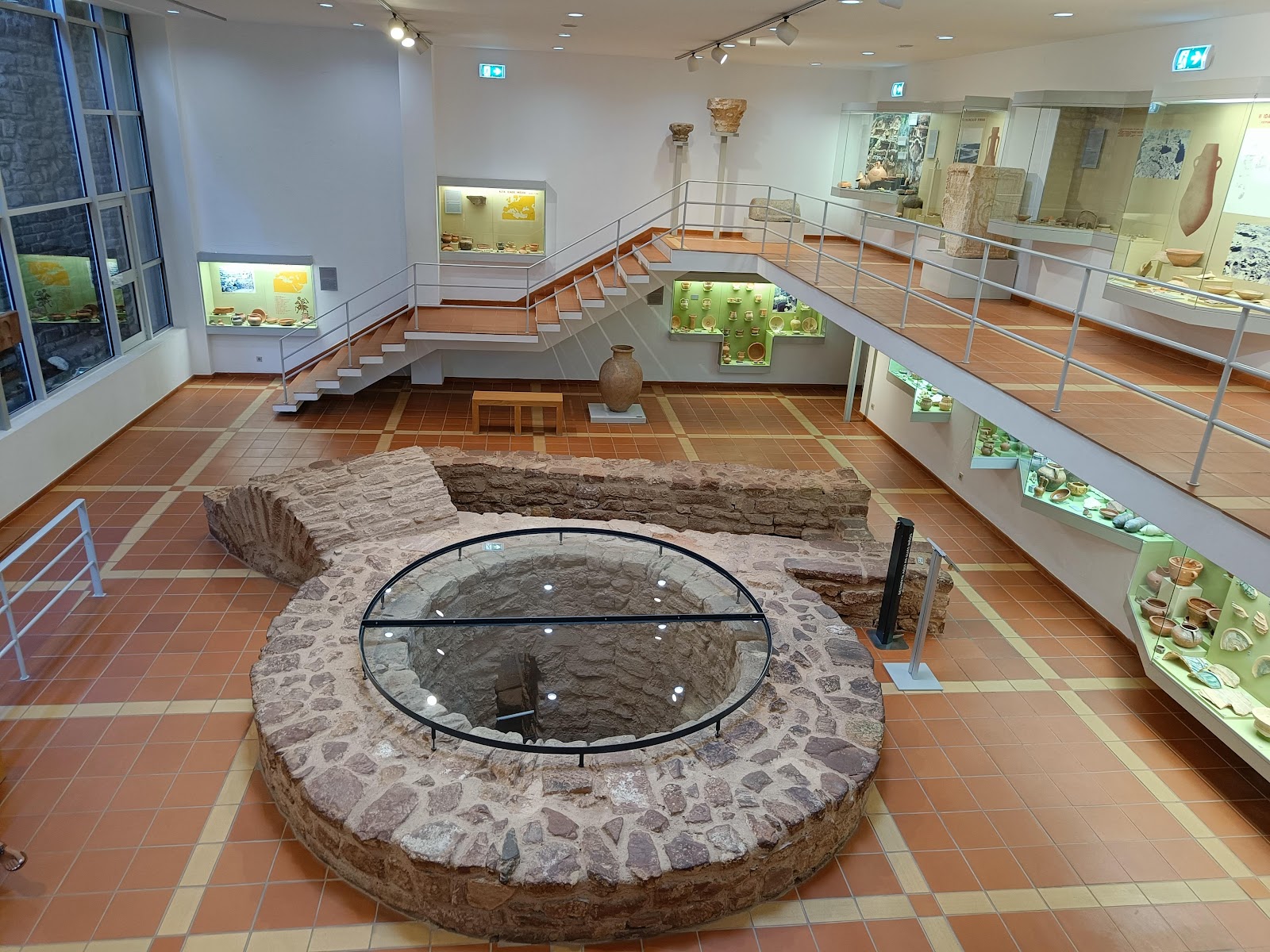
Inside the walls, which run four metres thick in places, the scale surprises you. The enclosed area stretches roughly 125 by 100 metres, and the Cistern of Moura alone — ten metres high, five naves, columns linked by semi-circular archways — could supply water for 1,200 people. It was still in use until the 1990s.
💛 What travellers fall for
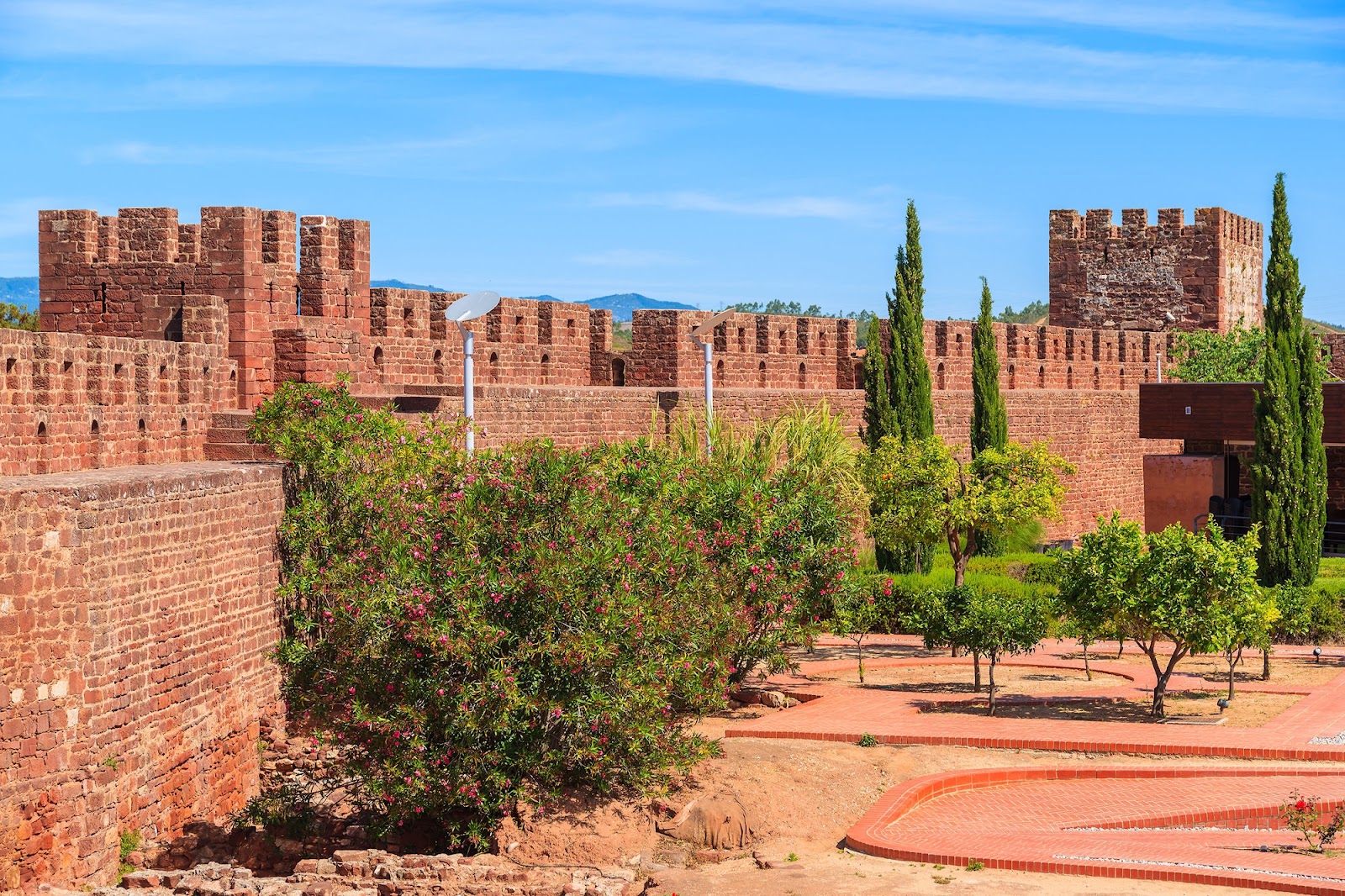
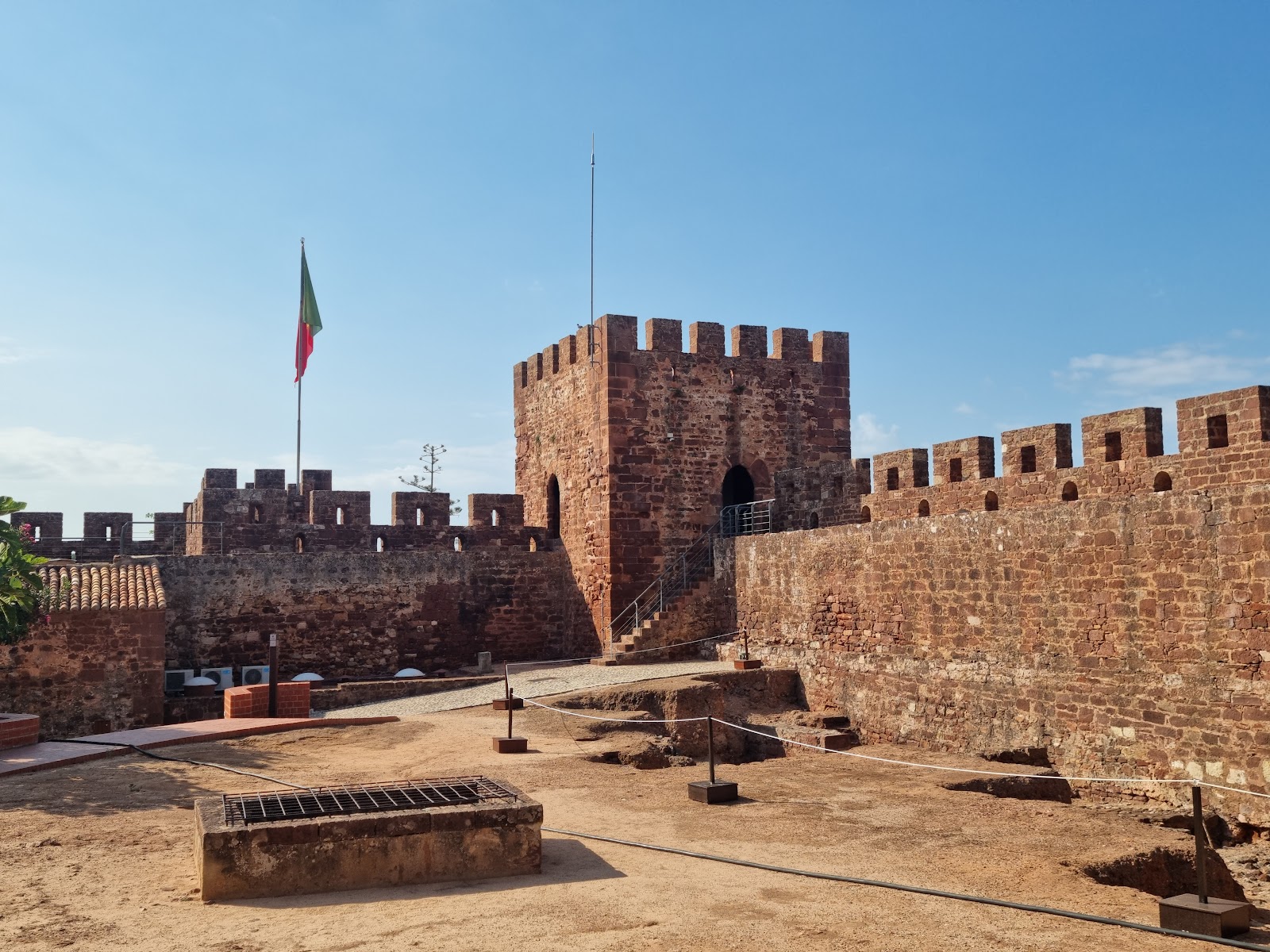
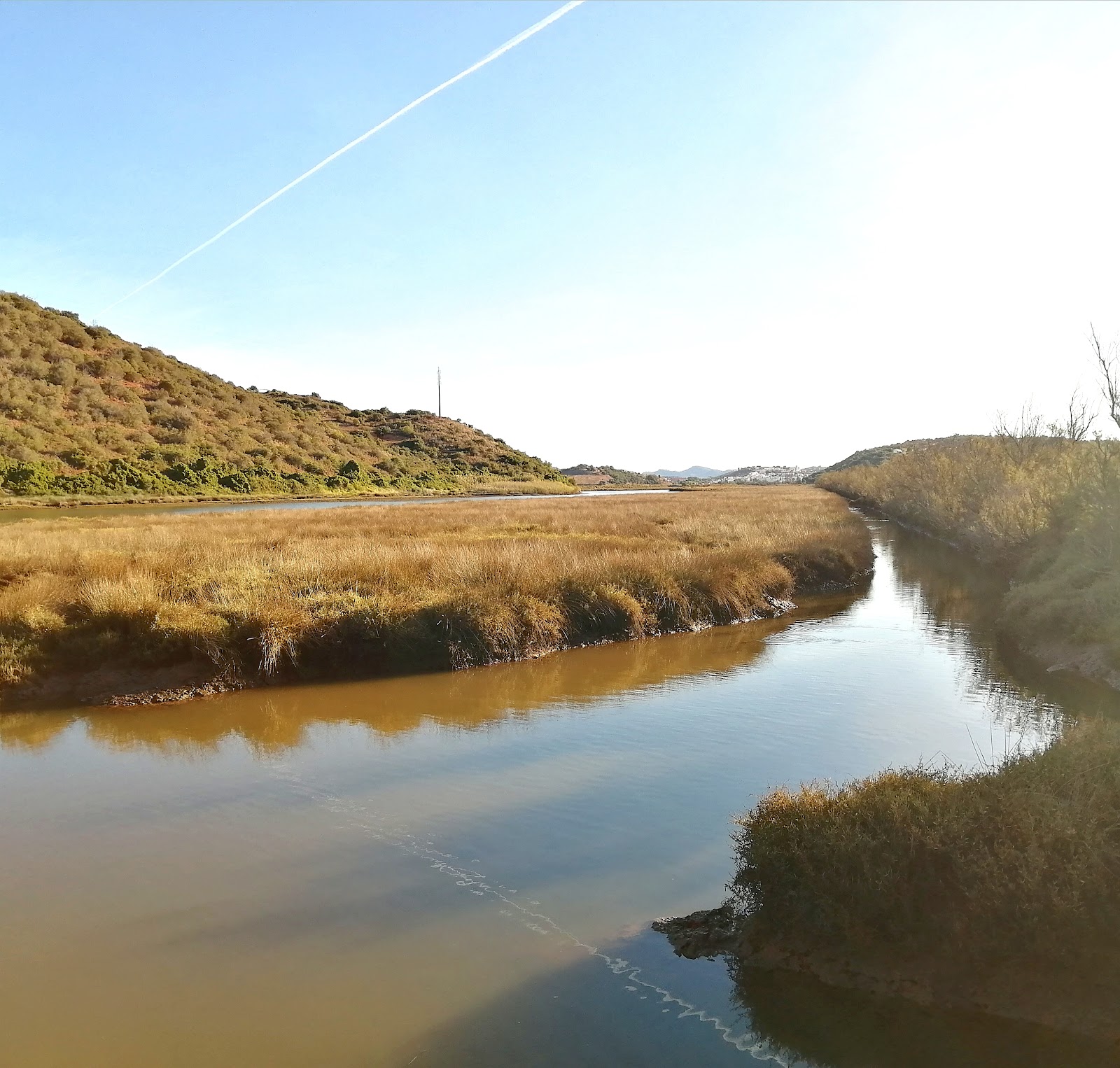
People who return tend to time it for early evening in summer, when the castle stays open until 11 pm and the light on the red walls goes through several shades before dark. The walk along the battlements looking south over the Arade valley is the specific thing they come back for — and the cisterns, which reward a second look once you know what you're standing in.
The story behind Silves Castle
The hill above Silves has been fortified since at least the Roman period, and the Visigoths held it before the Umayyad Caliphate took it around 716 A.D. The walls and towers you walk today were largely built by the Almoravids and Almohads in the 12th and 13th centuries, making this one of the best-preserved Arab fortifications in Portugal. King Sancho I took the city in 1189 with Crusader support — his statue stands outside the main gate — but the Moors retook it two years later.
Definitive Christian control came in the 13th century under Dom Paio Peres Correia, Master of the Order of Santiago, during the reign of Afonso III. The 1755 earthquake that levelled much of Lisbon damaged the castle badly. Major restoration work in the 1940s recovered the walls and consolidated the keep; a governors' palace excavated in 2005–2006 revealed polychromatic stucco from the 11th-century reign of the poet-ruler Al-Mutamid. The castle has been a classified national monument since 1910.
Good to know
Tickets start at €2.80; the combined castle-and-museum ticket (€3.90) is worth it if you're curious about the archaeology. The walls are not wheelchair accessible, though the courtyard and excavations are. Allow at least 90 minutes. Closed Christmas Day and New Year's Day.
Summer (June to August) is hot and dry, with long evenings that suit the castle's extended hours; temperatures regularly reach the low-to-mid 30s Celsius. Spring and autumn are cooler and quieter, with occasional rain — good walking weather for the walls. Winter visits are mild by northern European standards but the castle closes early, at 5:30 pm.
Where is Silves Castle?
More tickets & tours for Silves Castle
Book directly at the provider
What travellers say about Silves Castle
Restrooms freshly cleaned inside castle. I decided to stay longer and have Ginja at the the terrence. Then I added a salad. The Ginja brand not the best but the salad delicious and the service good. The castle is wonderful. Loved it so much because my husband loves plaques and museums but I enjoy relaxing on property.
It is okay, since I have seen bigger and better fort ruins as compared to this one. Given that it is located in a small town, I appreciate the history and legacy of the place. It is clean and well maintained. You wouldn't need a lot of time to go through this place. Tickets are very economical and 3-year-old or under go free. The lady on the ticket counter was a little precious about taking cash over card and I gave me a little lecture on bank cards and corruption 😄. So you might want to carry cash to buy tickets if you don't want to listen to the lecture. Anyway! There is a food joint inside the castle so it is really helpful to have some drinks or food while you enjoy the historical ruins especially in summer. The view from the fort is good as you can see the town and the surrounding hill area. The place is wheelchair and pram accessible. You can go inside the castle easily, but won't be able to access the wall and view points as certain parts are only accessible by stairs.
Silves Castle is a beautiful place, built from striking red stone that gives it a warm and distinctive look. Set high above the town, it offers stunning views over the rooftops, the surrounding countryside, and the peaceful river valley. The area around the castle is charming and relaxing, with one nice restaurant nearby where you can enjoy local food and a calm atmosphere.
Great castle and only 2.8 euro entrance fee. At the entrance there is a cute cathouse in a castle shape. The castle itself is in good condition and by taking a walk over the walls you have a good image. On a side note we saw 5 nests of storks with young next to each other on the remains of an old house!!!
Very pretty place to spend a couple of hours. Castle is well preserved, very picturesque. And it’s a great place to wander into Silves from, which is very quaint and very hot. Saw the storks nesting from the ramparts which was cool and for a couple of euros entry is good value for money
More of Silves
Discover where to stay, what to do and the best deals for your trip.
Explore Silves →More attractions in Silves
All of Silves →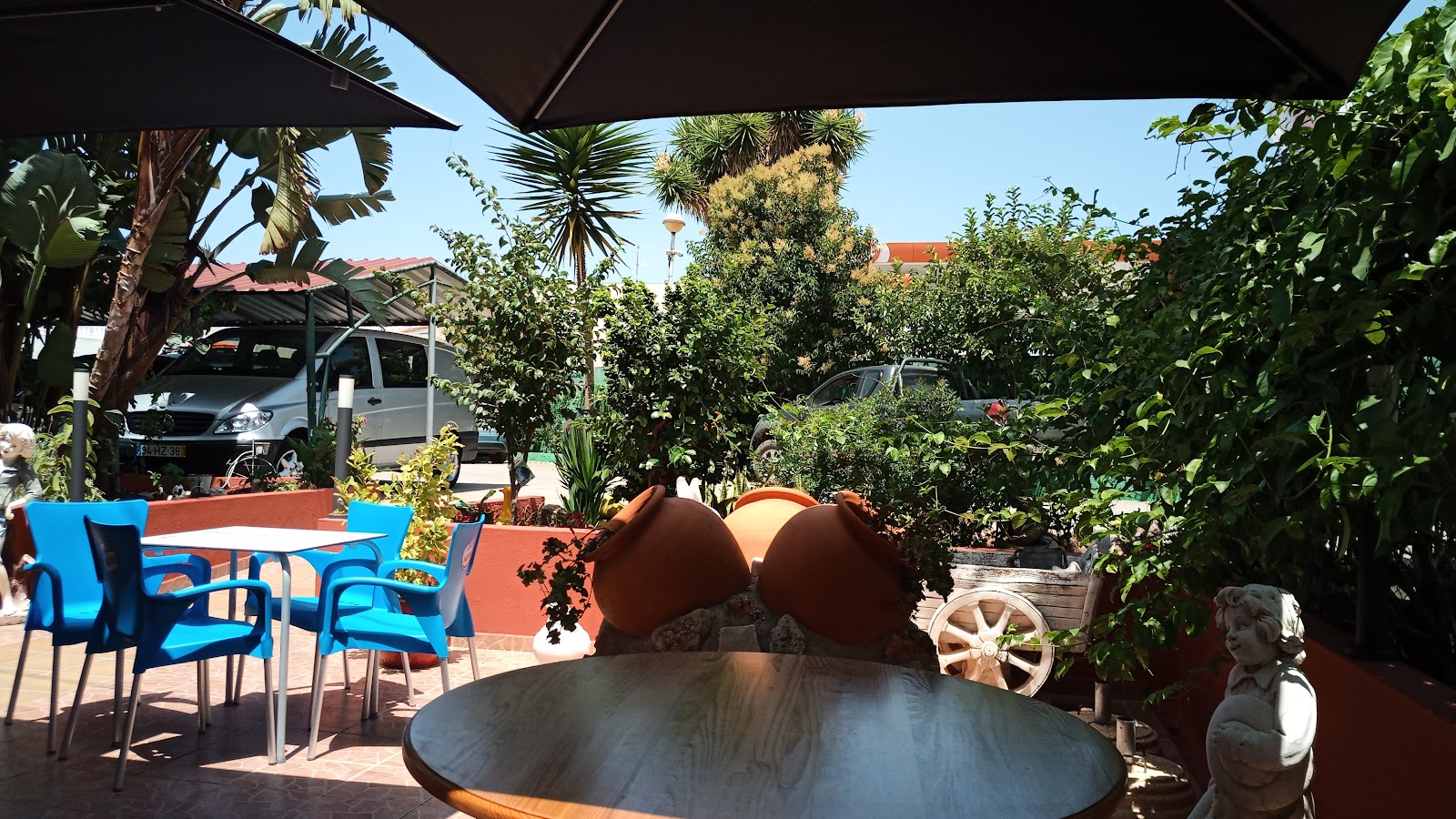
Background adapted from Wikipedia (CC BY-SA) · map data © OpenStreetMap contributors · ratings & place photos via Google · other photos with per-image credit. Ticket links may earn us a commission at no extra cost to you.