
Barragem de Arade (Arade Reservoir)
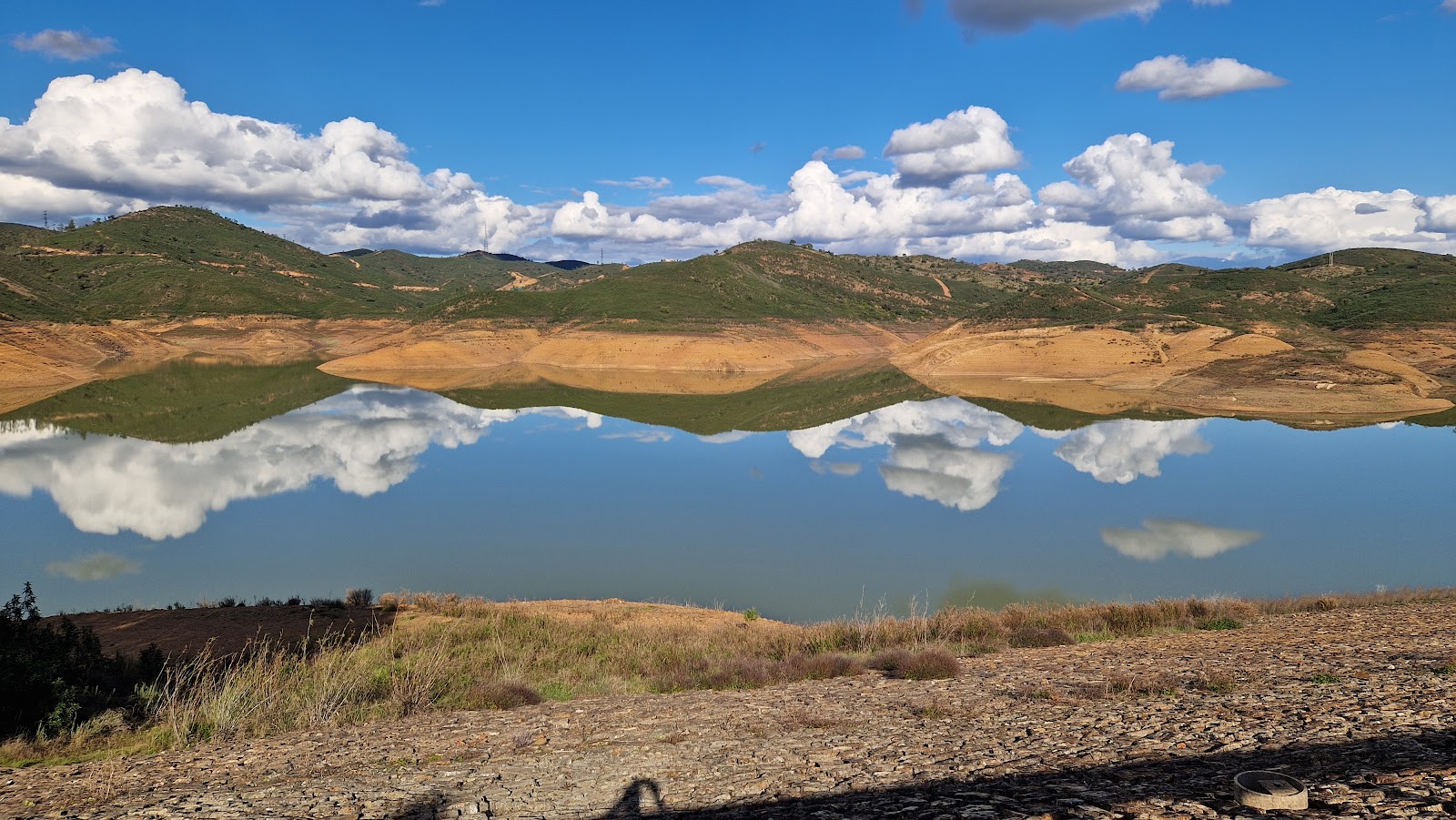
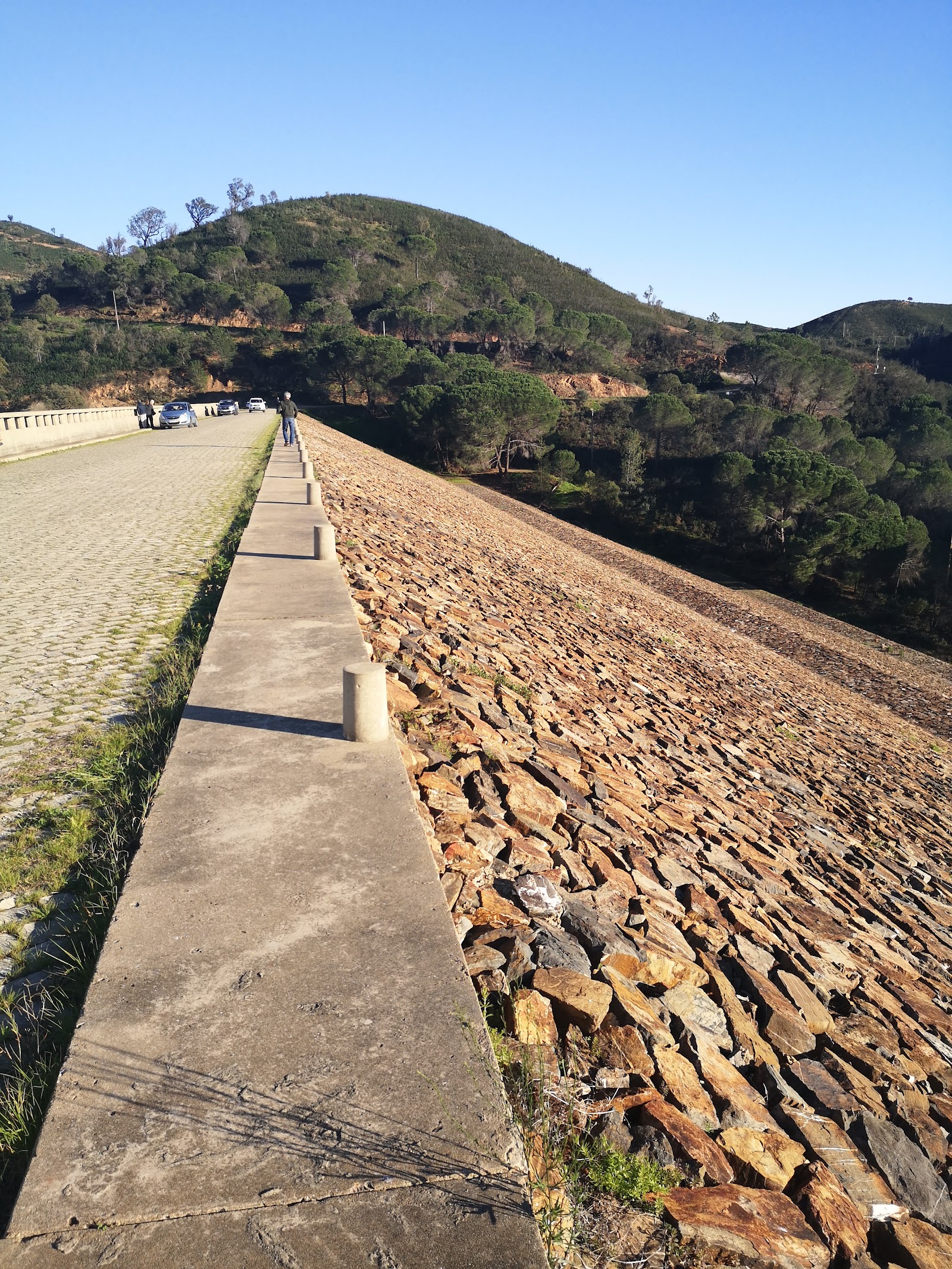
A stone column stands at the dam wall, a quiet relic of the era before 1974, and the water behind it stretches back 56 kilometres into the Algarve interior. The Barragem de Arade was built to irrigate 1,900 hectares of farmland around Silves, and it still does exactly that — a working reservoir, not a resort, which is precisely why it feels like itself.
People come to swim in water that runs fresh and warm in summer, to fish for carp and barbel along the banks, or to walk the levada path that traces the old irrigation canal back toward town. A viewing platform above an Iberian Lynx breeding centre gives you a reason to look up from the water.
💛 What travellers fall for
Regulars tend to take the left fork at the road split rather than the bendy track — easier on a hire car, and it brings you out at the parking area above the left bank with the best morning light on the water. Café Zé is the landmark people use to orient themselves on the circular route, and the advice to pack your own lunch is not optional.
The story behind Barragem de Arade (Arade Reservoir)
Construction on the dam began in the mid-1940s and the structure was complete by 1955, with water flowing for agricultural use from 1956. The earthen dam stands 50 metres high and holds just over 28 million cubic metres at capacity, flooding 182 hectares of valley floor. Its sole purpose has always been hydroagricultural: supplying water to the orchards and smallholdings of Silves municipality.
No single architect or engineer has been recorded in connection with the project, but the stone column at the dam wall marks the period of its making — the Estado Novo years, before the 1974 revolution changed Portugal. The reservoir has quietly outlasted that political world, still doing the same work it was built to do.
Good to know
From Silves, take the N124 for 4.25 km, cross the viaduct, then turn left 1.6 km later for the dam. Free parking at the bridge. No entrance fee. The 15.3 km circular walk gains 486 m — avoid it in peak summer heat. Bring food and water; there are no shops nearby.
Spring (March to May) and early autumn (September to October) are the most comfortable seasons for walking — temperatures between 15 and 25°C and little rain. Summer brings reliable heat above 30°C, which makes the water inviting but the long circular trail punishing; save the big walk for cooler months and come in July or August to swim instead.
Where is Barragem de Arade (Arade Reservoir)?
More tickets & tours for Barragem de Arade (Arade Reservoir)
Book directly at the provider
What travellers say about Barragem de Arade (Arade Reservoir)
Beautiful blue water and scenery. Good for strong swimmers and also possible to fish for carp and barbel in a few spots, especially if you have a car that can negotiate the rugged tracks.
Great place if you dont like cold and salty sea water. Nice fresh water and very warm also.
Beautiful views, even after fires the nature brings back it's Glory. If you want to get the best view, go with buggy - Google bulldog buggies !
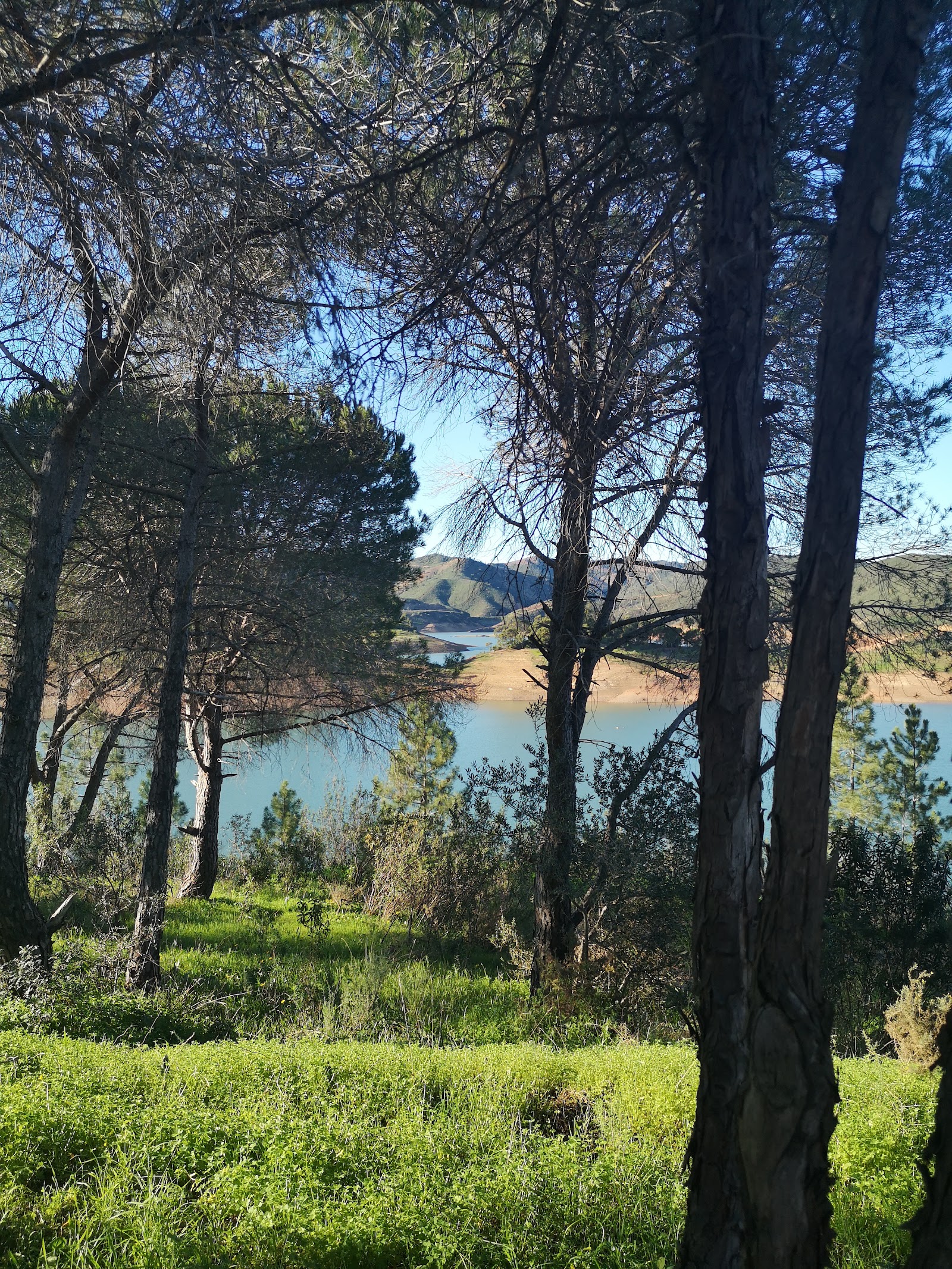
We have spent there some nights with our mobile home. Beautiful place. Lake is awesome. Good for dog walks and hiking. Landscape is wide but monotonous. pines, pines, pines, paths, off road, pines....no restaurants, no hotels, nothing. very silent and calm. Only the other campervans....
If you enjoy open water swimming, or fishing, this is a fantastic place for these things especially in spring. Best avoided at the end of summer and early autumn (low water level).
More of Silves
Discover where to stay, what to do and the best deals for your trip.
Explore Silves →More attractions in Silves
All of Silves →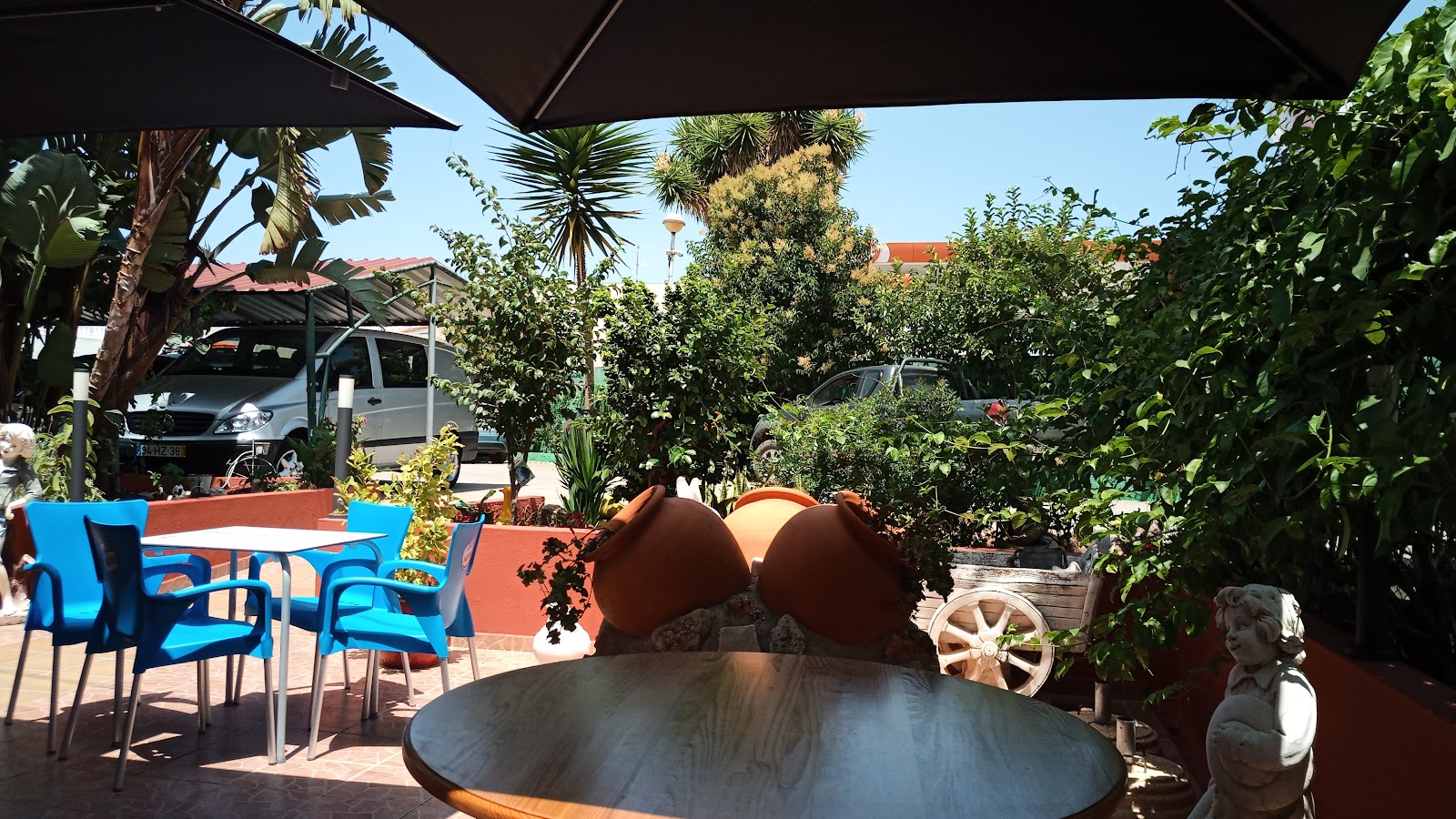
Background adapted from Wikipedia (CC BY-SA) · map data © OpenStreetMap contributors · ratings & place photos via Google · other photos with per-image credit. Ticket links may earn us a commission at no extra cost to you.