
Arade River
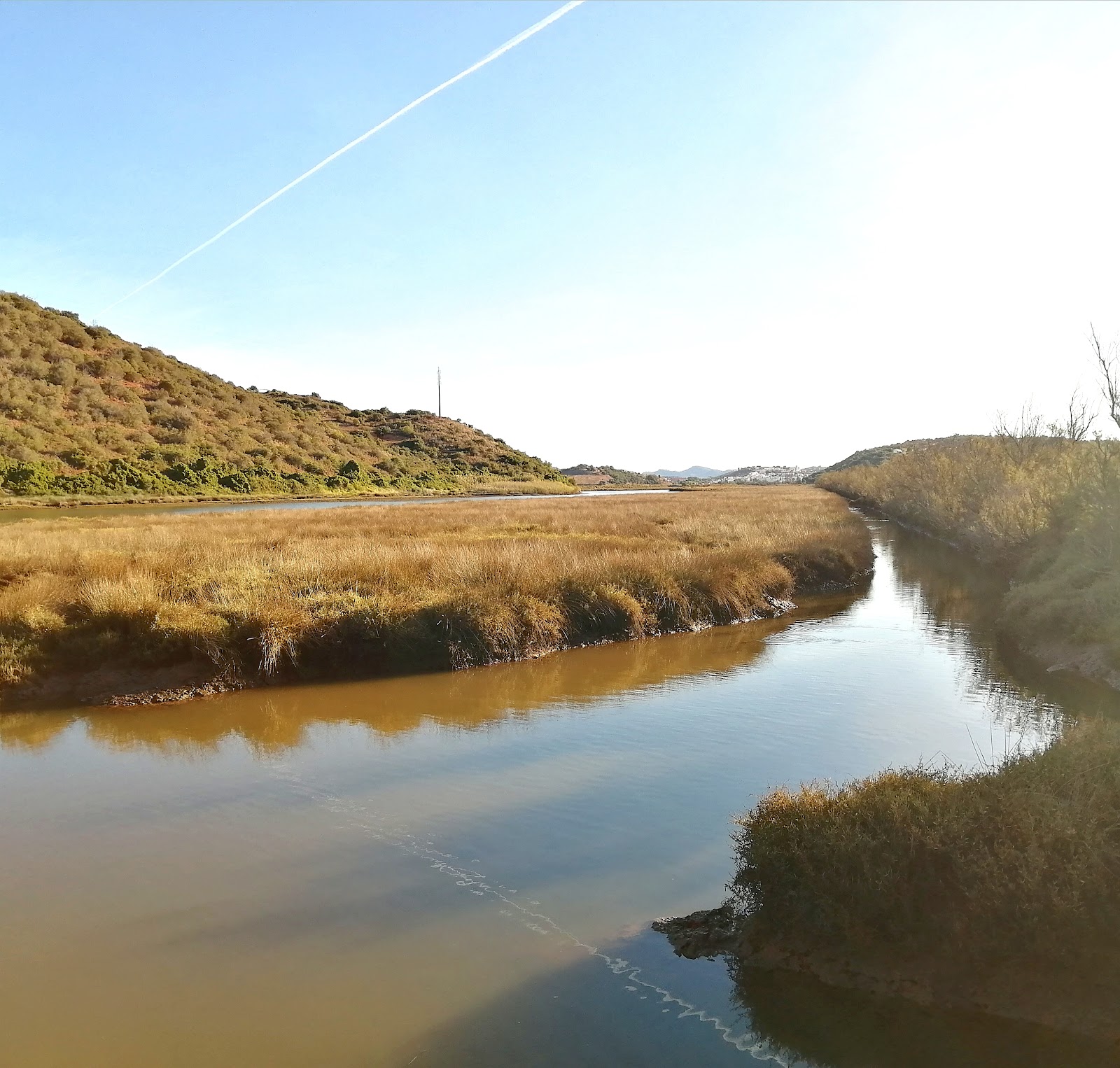
The Arade moves slowly past Silves, wide and reed-fringed, and it takes a moment to read what you're looking at: a river that once carried heavy trade ships from the Atlantic straight to the city gates, deeper and broader than it is today. Cork, wine, olive oil, dried fruit — all of it loaded and unloaded where the Monday morning market now sets up beside the old bridge.
The 1755 earthquake rearranged the river's course and the silting did the rest. What remains is a tidal waterway navigable only by small boats, only at high tide, for roughly ten to fifteen kilometres upstream from the mouth at Portimão.
💛 What travellers fall for
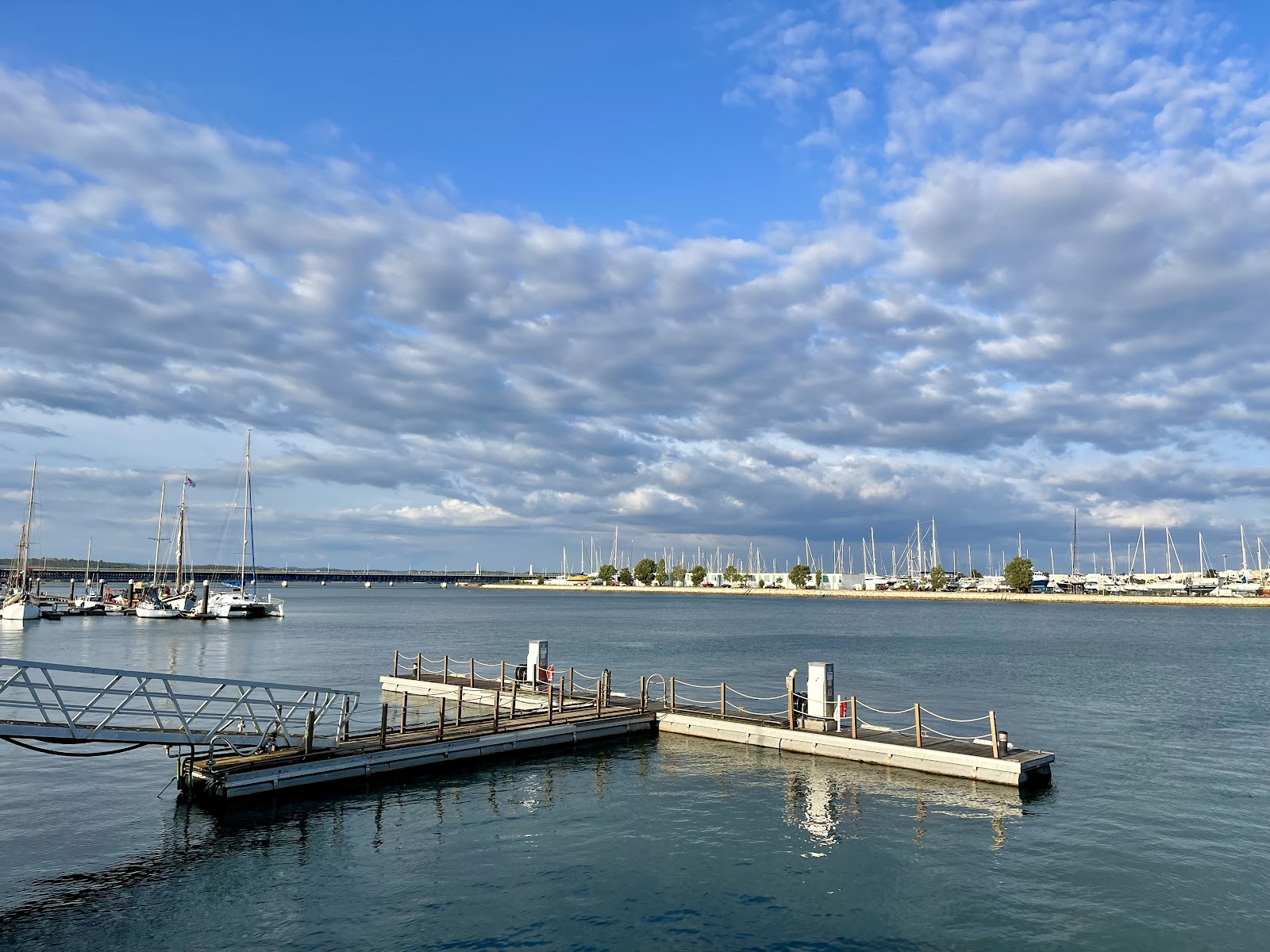
People who come back tend to time a boat trip from Ferragudo or Portimão to coincide with the tide rather than the clock. The river's pace sets the itinerary. A few also mention the riverfront market — Monday through Saturday mornings — as the right place to start a day in Silves before the heat settles in.
The story behind Arade River
Settlement along the Arade goes back to the Iron Age, some three thousand years before the common era. By the Moorish period the river was wide and deep enough for ocean-going vessels to sail directly to Silves, which functioned as a significant inland port. In 1189 a fleet of crusaders, travelling to the Holy Land at the request of King Sancho I, sailed up the Arade to join Portuguese troops besieging the city — the river, in other words, was a strategic corridor as much as a trade route.
The earthquake of 1755 caused landslides that altered the river's course and ended its role as a deep-water port. Progressive silting through the following centuries, accelerating from the 1970s onward, reduced it further. The bridge beside the market, though it replaced a Roman original, dates to 1445 and still stands at the tidal limit, thirteen kilometres from the coast.
Good to know
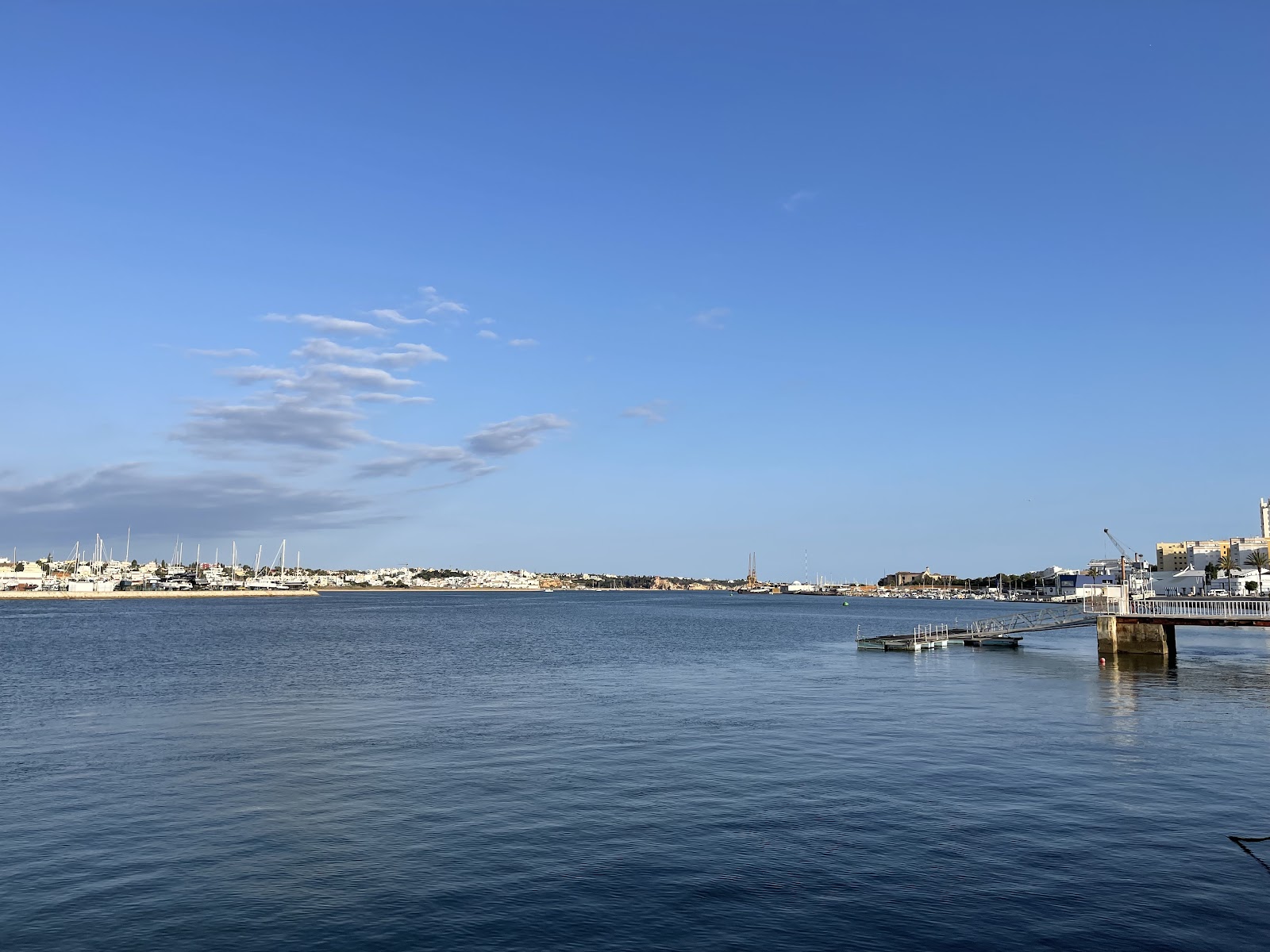
Tour boats depart from Ferragudo and Portimão; check tidal schedules before booking. Silves is 20–25 minutes by car from Portimão. The train station sits over a mile outside town — taxis cover the gap. Spring and early autumn give the most comfortable conditions for time on the water.
July and August push inland temperatures to around 29°C, and the Arade valley holds the heat more than the coast. Spring (April–May) and early autumn (September–October) are cooler and better suited to time on the water. Winters are mild — 15–18°C — and the river is quieter but perfectly navigable.
Where is Arade River?
More tickets & tours for Arade River
Book directly at the provider
What travellers say about Arade River
Great place for a stroll to people watch or grab a snack and a drink
The Arade River is a river in the Iberian Peninsula that flows through southern Portugal; it rises in the Serra da Caldeirão mountain range at 481 meters above sea level and empties into the Atlantic Ocean at Praia da Rocha (Portimão), forming an estuary. It is 75.1 km long, and its drainage basin covers an area of 990 km².
Fabuloso o seu estuário em Portimão com uma Colonia de Flamingos que tem duplicado em poucos tempo. E ainda cegonhas brancas que se tornaram residentes há pouco tempo. Recomendo uma visita com tempo.
Adorei o passeio a Silves
Uma região com paisagem fantástica, com um enorme potencial, mas porém pouco aproveitado derivado ao espartilho burocrático/ambiental!!
More of Silves
Discover where to stay, what to do and the best deals for your trip.
Explore Silves →More attractions in Silves
All of Silves →
Background adapted from Wikipedia (CC BY-SA) · map data © OpenStreetMap contributors · ratings & place photos via Google · other photos with per-image credit. Ticket links may earn us a commission at no extra cost to you.