
Silves Cathedral (Sé de Silves)
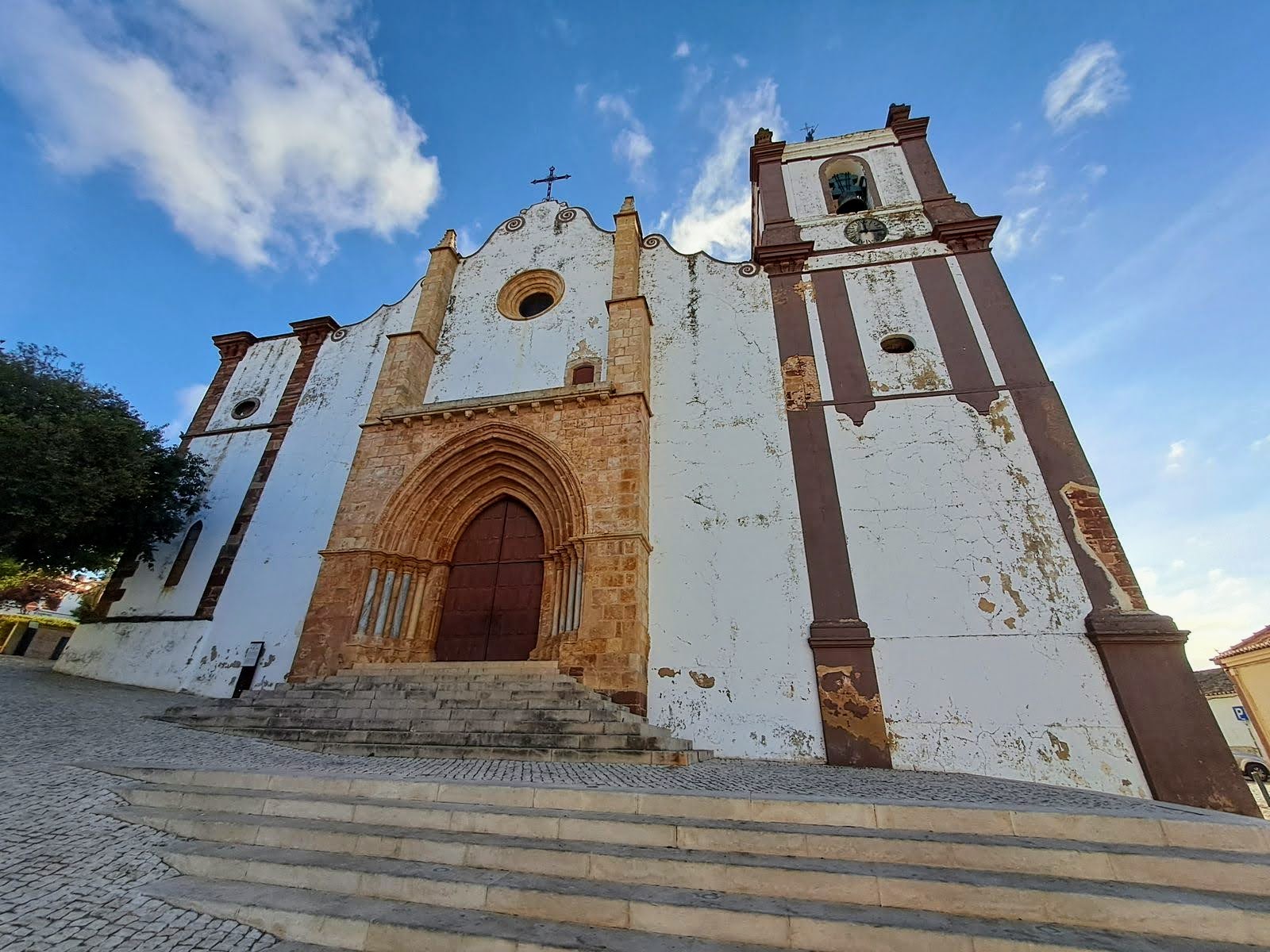
The first thing you notice is the colour. Silves Cathedral's whitewashed walls sit in quiet contrast to the deep red sandstone of its apse and Gothic portal — that local grés de Silves doing something almost geological in the afternoon light. The main portal, carved in the 1470s and framed by a stepped rectangular alfiz, sets the tone for a building that has been rebuilt, damaged, rethought and repaired across eight centuries.
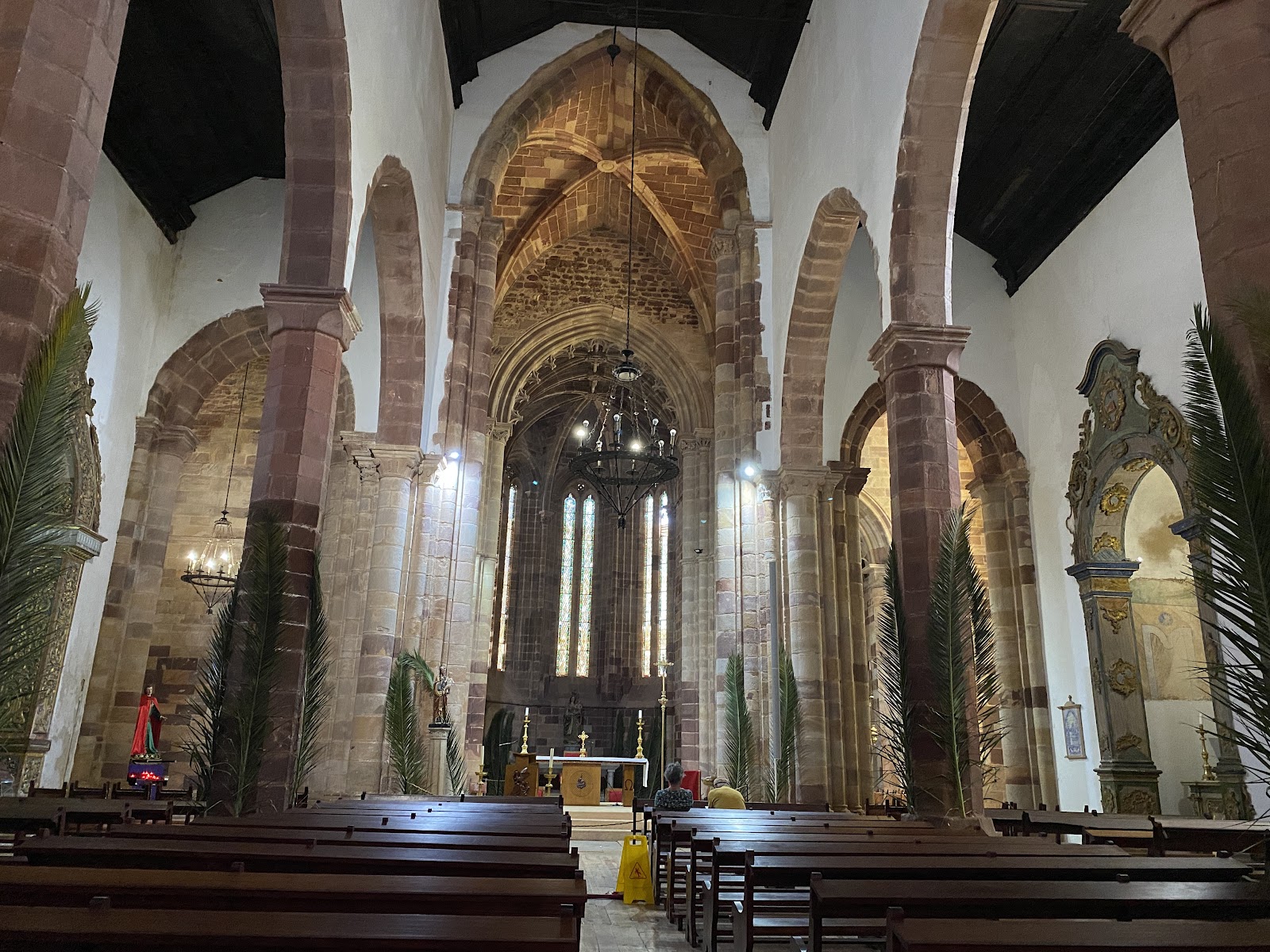
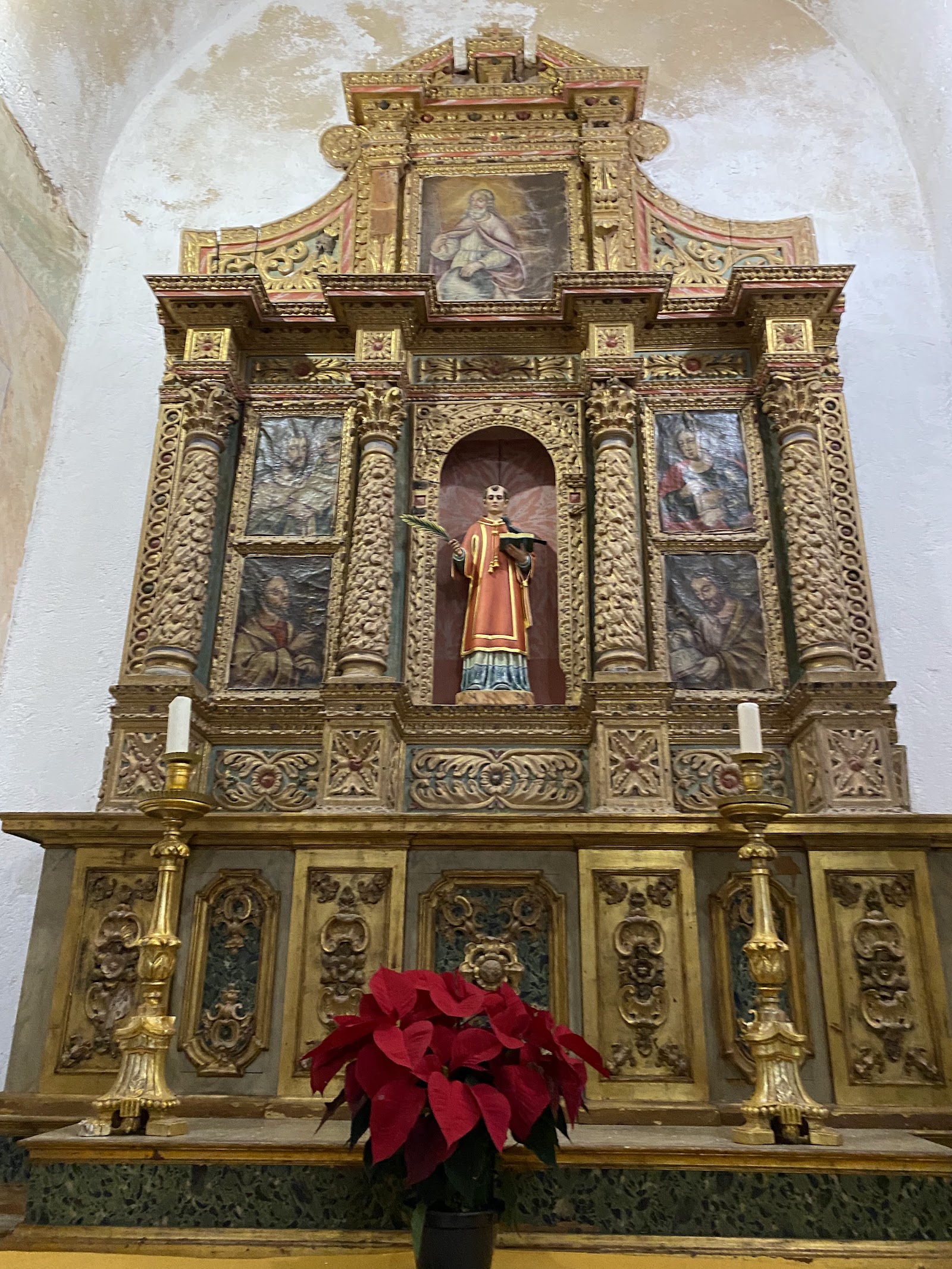
Inside, the layering continues: Gothic stone rib vaults over the transept and eastern chapels, a Manueline chancel with ribbed ceiling, baroque carvings on the side altars, and simpler wooden roofing over the nave aisles. Each material tells you something about the century that added it.
💛 What travellers fall for
People who come back tend to linger at the chancel end, where the Manueline stonework is densest and the light is quietest. The tomb of D. João II — a provisional resting place for a king who died unexpectedly at Alvor in 1495 before his remains were moved to Batalha in 1499 — is easy to walk past without registering what it is. Worth a second look.
The story behind Silves Cathedral (Sé de Silves)
A mosque stood on this site during Moorish rule. After Silves was reconquered in 1242, King Afonso III ordered a cathedral built in its place — a pattern repeated across the Iberian peninsula, the sacred geography of one faith overwritten by another. An earthquake damaged the structure in 1352. In the 1440s, King Afonso V pushed construction forward; the Gothic apse, transept and main portal followed in the 1470s, with the three-aisled nave completed only in the early 16th century.
The cathedral held its episcopal status until the 16th century, when the diocese moved to Faro. The 1755 earthquake destroyed part of the nave, and the repairs introduced Rococo touches — volutes, the south portal, the bell tower — that sit alongside the Gothic stonework without quite resolving the tension. It was classified as a national monument in 1922.
Good to know
Hours vary by season and may be interrupted by a midday closure; confirm locally before going. A combo ticket with Silves Castle saves money and makes sense — the two are a short walk apart. As of 2024–2025, scaffolding has been reported inside; check current access conditions. Budget around 15–20 minutes for the visit itself.
Where is Silves Cathedral (Sé de Silves)?
More tickets & tours for Silves Cathedral (Sé de Silves)
Book directly at the provider
What travellers say about Silves Cathedral (Sé de Silves)
A nice historic cathedral, but was under construction when we visited so we didn’t get the full experience. There was an information sheet that walked you through the different areas of the cathedral, but with the scaffolding up some of the artifacts the sheet talked about had been moved. Still a great visit and an impressive piece of architecture.
Beautiful historic cathedral in the heart of Silves, full of charm and peaceful atmosphere. The red sandstone gives it a unique warm color, especially stunning in the late afternoon light. Inside, it is quiet and full of history, with elegant details that reflect centuries of faith. A must-see when exploring Silves — truly a timeless place.
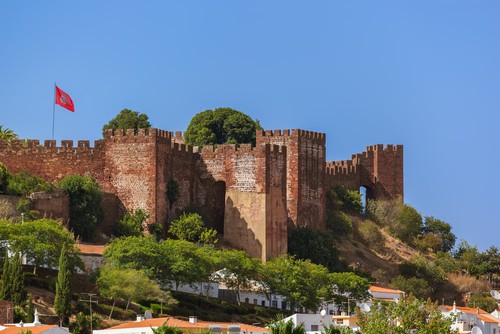
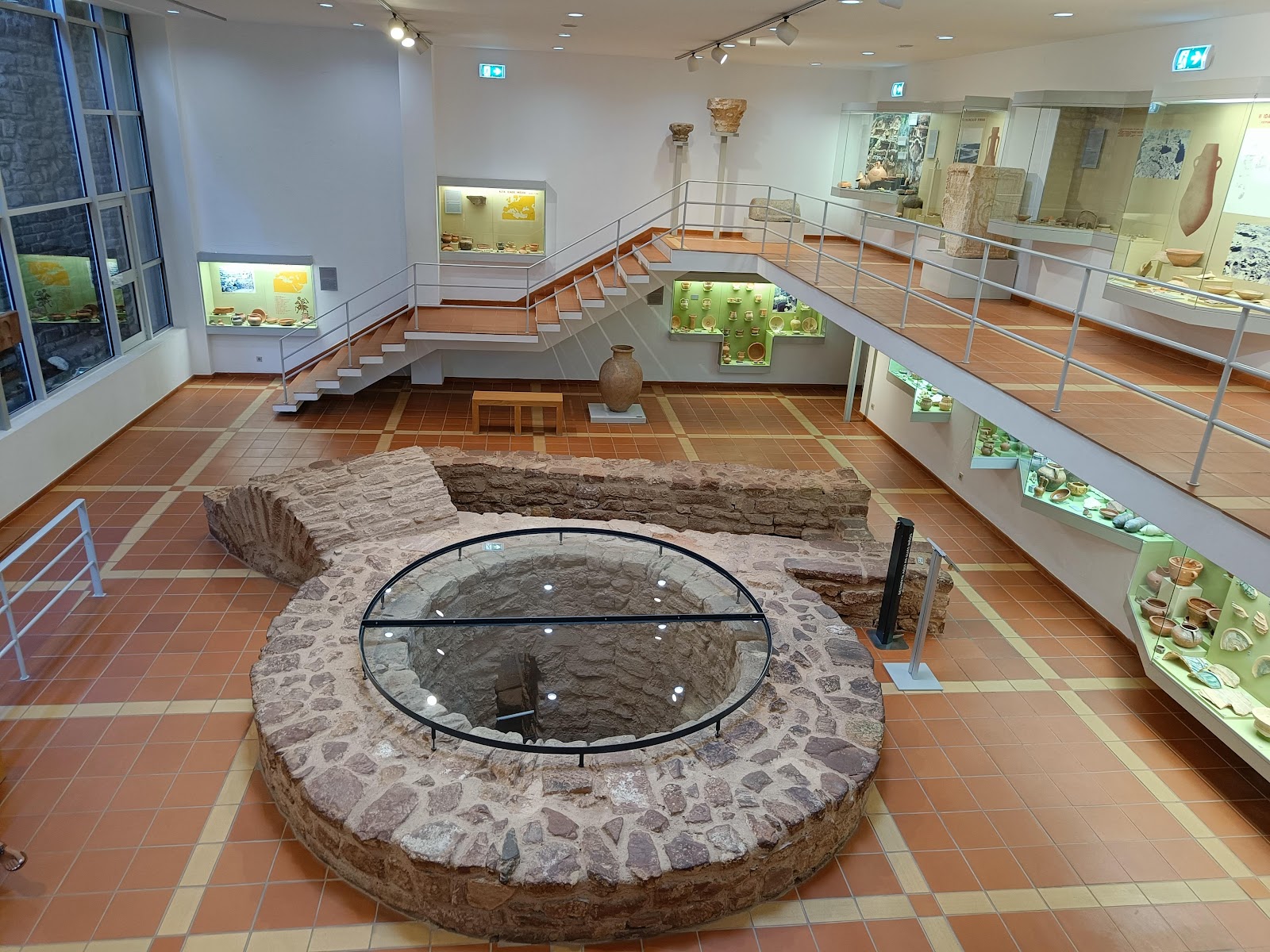
The Sé Catedral de Silves (Silves Cathedral), located in the Algarve region of southern Portugal, is a premier example of Gothic architecture built in the 13th century on the site of a former Moorish mosque. It was classified as a national monument in 1922 and features a striking red sandstone structure, showcasing both medieval, Gothic, and, in some areas, baroque elements. Situated just beneath the red-walled castle in Silves, it was built following the Christian reconquest of the city in the 13th century. It served as the bishopric seat until the 16th century, when the headquarters moved to Faro. Architecture of the building is predominantly Gothic, with a Latin cross design, featuring a three-aisled nave, transept, and three chapels. It includes a 17th-century rococo-style south porch, known as the Porta do Sol. Interior Features: The interior includes a mix of styles, with gothic ogival vaults in the apse and transept, alongside baroque-style side altars. It features impressive columns, windows, and ceiling decorations. It is considered the most important Gothic monument in the Algarve. Visitor Information: The cathedral is open for visits (typically avoiding a lunch-hour closure) and requires appropriate clothing for entry (shoulders and knees covered). Nearby Points of Interest: Adjacent to the cathedral, a massive, well-preserved Moorish fortress. Municipal Archaeological Museum: Located nearby, built over an 18-meter-deep Moorish-era well. Cruz de Portugal: A 15th-century, white limestone cross located nearby.
A beautiful little cathedral in the heart of Silves. It is not as impressive as some of the larger cathedral in Portugal, or throughout Europe, but has been a part of the town of Silves since around the 10th century. Admission is 2 Euros per person, and they have a strict policy on women’s dress - no exposed midriff or shoulders.
This is a very unique and beautiful sé. Like many Portuguese cathedrals, it gives the impression of being very tall for the footprint which is always an interesting effect. The outside looks like a regular square parish church, but the inside is gothic cruciform. Many periods of restoration are apparent. The remains of the mosque which predates the church can be spotted on the corner. The 1.50 fare is well worth a look around.
More of Silves
Discover where to stay, what to do and the best deals for your trip.
Explore Silves →More attractions in Silves
All of Silves →
Background adapted from Wikipedia (CC BY-SA) · map data © OpenStreetMap contributors · ratings & place photos via Google · other photos with per-image credit. Ticket links may earn us a commission at no extra cost to you.