
Silves Historic Old Town
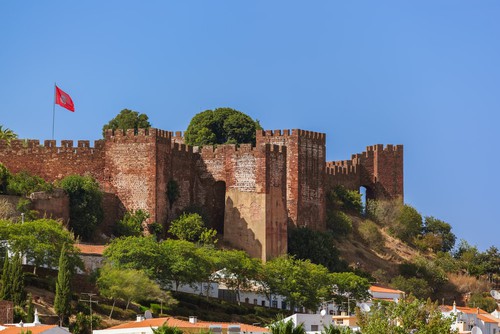
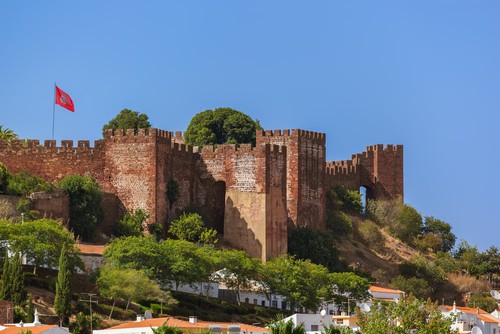
The red sandstone gives it away. Walk up from the river and you'll notice how the walls, the castle, the cathedral — even the old city gate — share the same warm, rust-coloured stone pulled from the same Algarvian earth. Silves was once the most important city in western Al-Andalus, a taifa capital where poets ruled and the river ran deep enough for merchant ships.
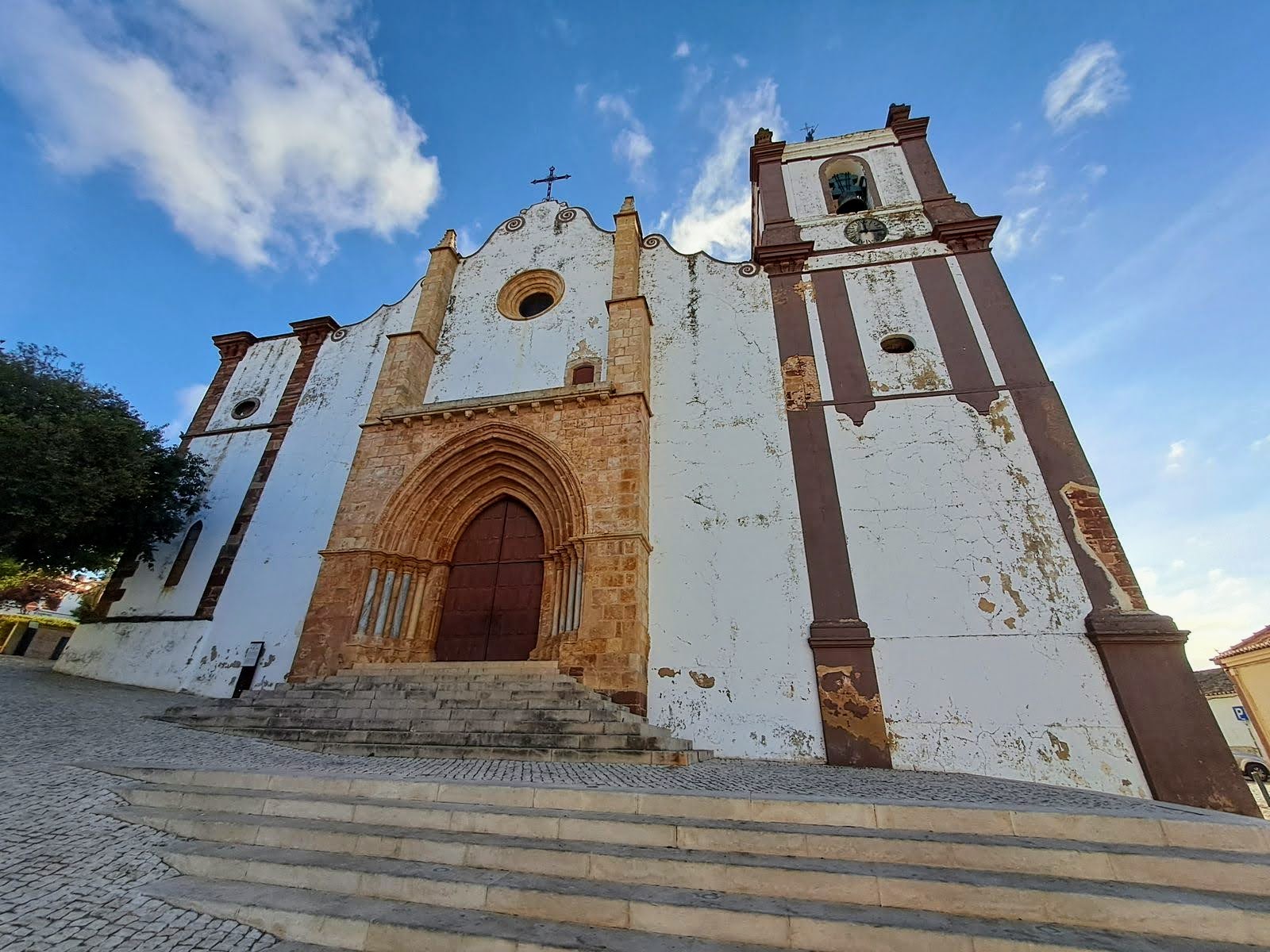
Today the old town is compact and largely intact: a cathedral built on a mosque, a castle the Moors raised and the Portuguese kept, a 14th-century bridge everyone still calls Roman. The layers are close together and easy to read.
💛 What travellers fall for
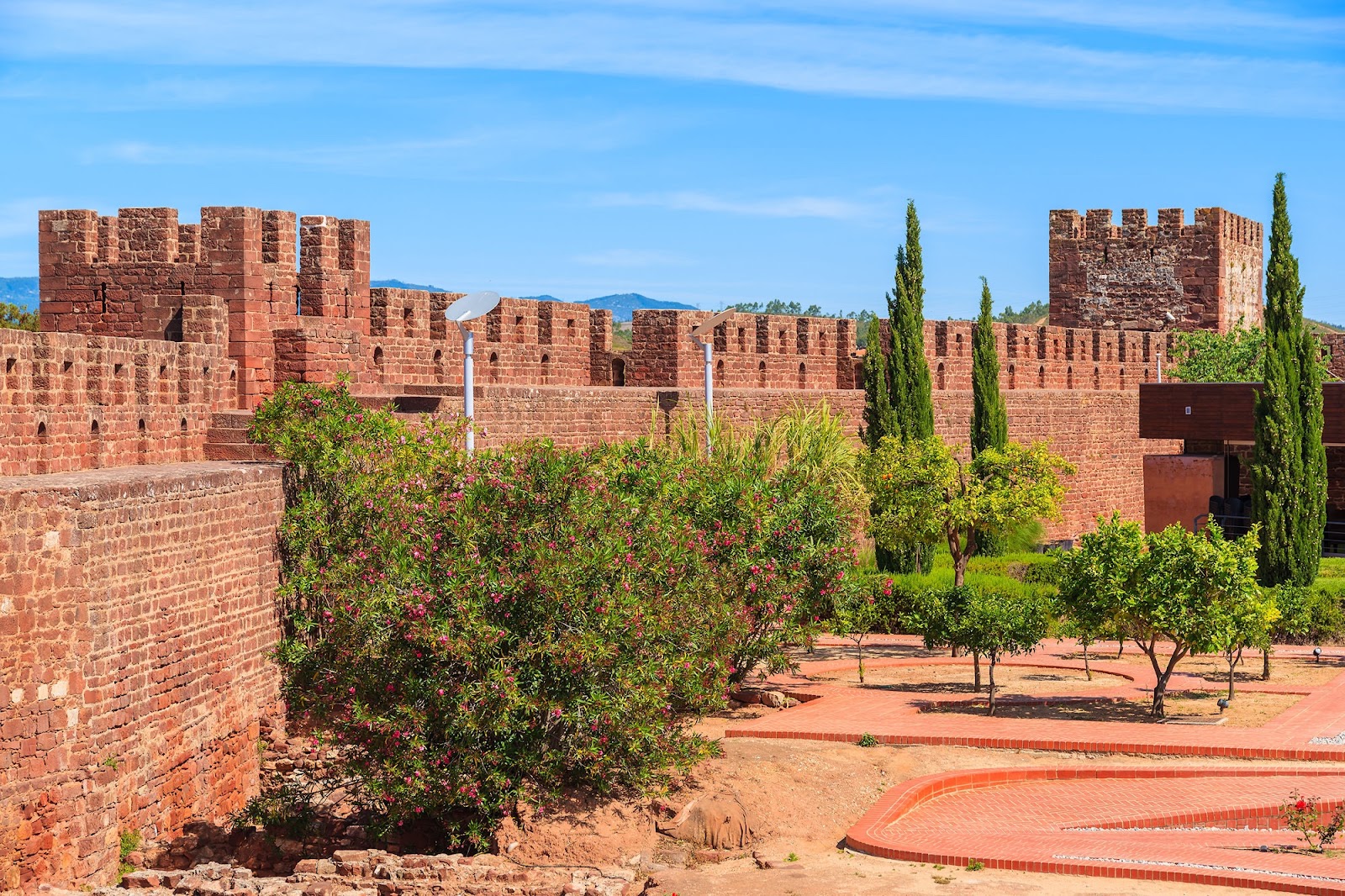
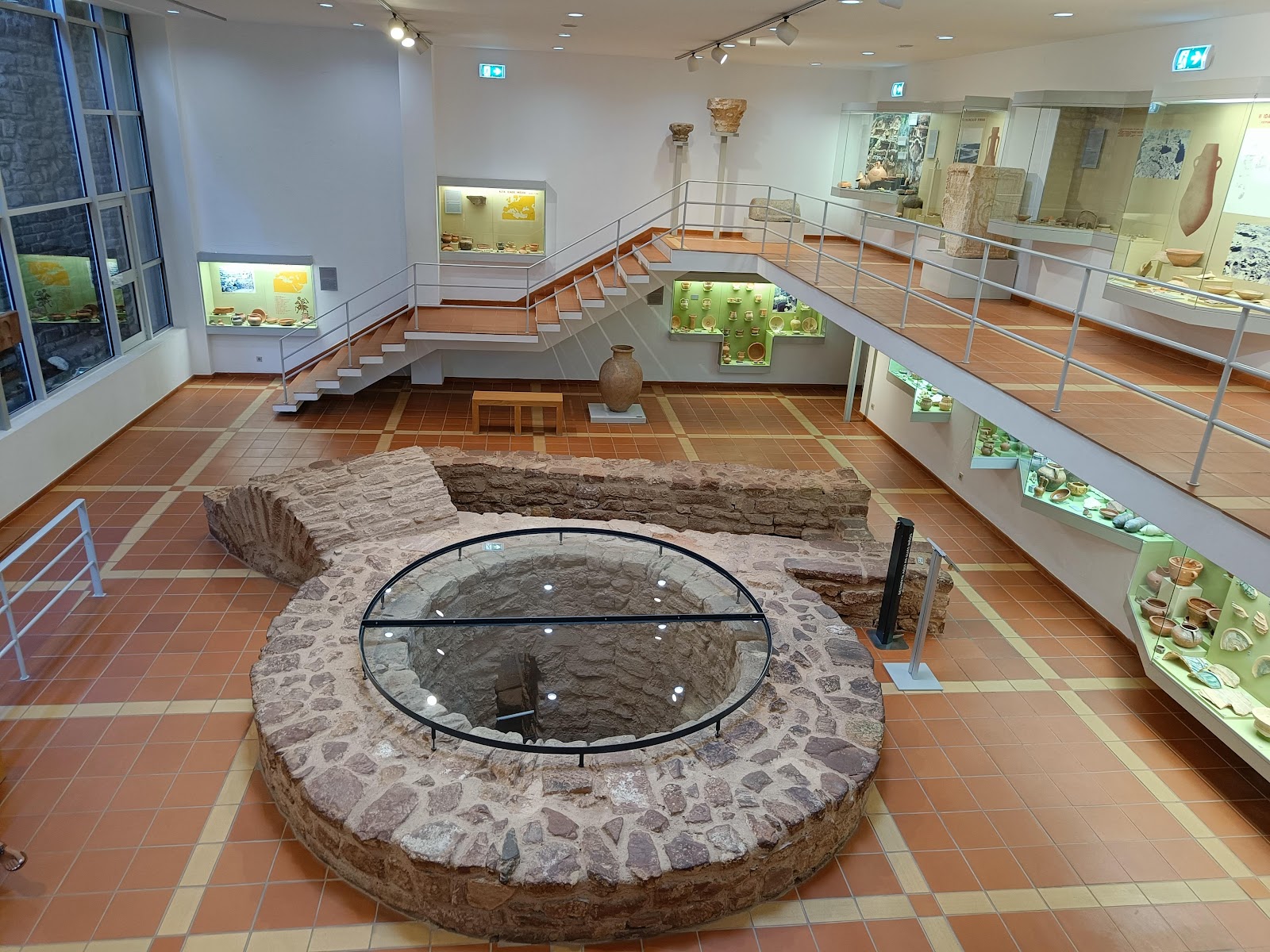
People who come back tend to arrive early, before the castle opens, and walk the Portas da Cidade — the old city gate, with its deliberate right-angle turn designed to break a cavalry charge. The Archaeological Museum's Almohad well, eighteen metres deep and still visible through glass, consistently stops first-time visitors cold.
The story behind Silves Historic Old Town
Settlement here goes back to the Phoenicians, and the surrounding hills held people even before that — menhirs and Paleolithic remains have been found nearby. The city's peak came under Moorish rule: after 713 it became part of the Umayyad world, and by the 10th century Shilb, as it was known, ranked among the great towns of Al-Andalus. The poet-king Al-Mu'tamid ibn Abbad ruled its taifa from 1027 until the Almoravids arrived in 1091.
King Sancho I took the city in 1189 with Northern European crusaders, lost it two years later, and it wasn't until 1242 — when King Afonso III sent Paio Peres Correia and the Order of Saint James — that Portugal held it for good. A bishopric was established, a cathedral rose on the old mosque's foundations, and Silves became capital of the entire Algarve. The silting of the Arade River and the transfer of the bishopric to Faro in the mid-16th century began a long decline the 1755 earthquake deepened further.
Good to know
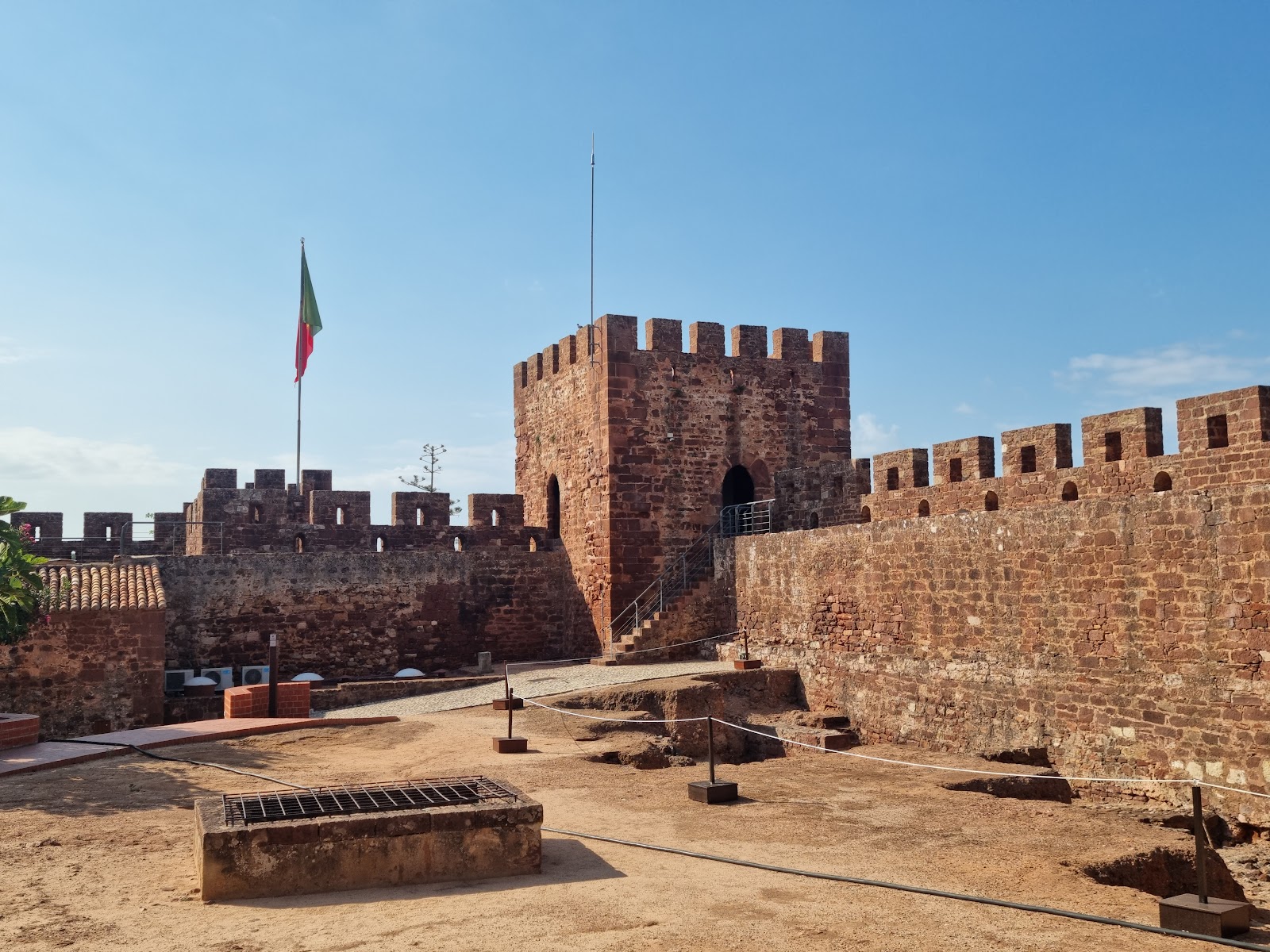
The train from Lagos or Faro stops 2 km south of the old town — a flat walk or a short taxi. Spring and October are ideal. The old town itself is small; a morning covers the main sites, leaving the afternoon for the castle and museum separately.
Summer is hot and dry — the old town's stone streets hold the heat well into evening. Spring (March to May) and autumn (September to October) offer cooler temperatures and quieter streets, which suit the pace of the place.
Where is Silves Historic Old Town?
More tickets & tours for Silves Historic Old Town
Book directly at the provider
What travellers say about Silves Historic Old Town
Restrooms freshly cleaned inside castle. I decided to stay longer and have Ginja at the the terrence. Then I added a salad. The Ginja brand not the best but the salad delicious and the service good. The castle is wonderful. Loved it so much because my husband loves plaques and museums but I enjoy relaxing on property.
It is okay, since I have seen bigger and better fort ruins as compared to this one. Given that it is located in a small town, I appreciate the history and legacy of the place. It is clean and well maintained. You wouldn't need a lot of time to go through this place. Tickets are very economical and 3-year-old or under go free. The lady on the ticket counter was a little precious about taking cash over card and I gave me a little lecture on bank cards and corruption 😄. So you might want to carry cash to buy tickets if you don't want to listen to the lecture. Anyway! There is a food joint inside the castle so it is really helpful to have some drinks or food while you enjoy the historical ruins especially in summer. The view from the fort is good as you can see the town and the surrounding hill area. The place is wheelchair and pram accessible. You can go inside the castle easily, but won't be able to access the wall and view points as certain parts are only accessible by stairs.
Silves Castle is a beautiful place, built from striking red stone that gives it a warm and distinctive look. Set high above the town, it offers stunning views over the rooftops, the surrounding countryside, and the peaceful river valley. The area around the castle is charming and relaxing, with one nice restaurant nearby where you can enjoy local food and a calm atmosphere.
Great castle and only 2.8 euro entrance fee. At the entrance there is a cute cathouse in a castle shape. The castle itself is in good condition and by taking a walk over the walls you have a good image. On a side note we saw 5 nests of storks with young next to each other on the remains of an old house!!!
Very pretty place to spend a couple of hours. Castle is well preserved, very picturesque. And it’s a great place to wander into Silves from, which is very quaint and very hot. Saw the storks nesting from the ramparts which was cool and for a couple of euros entry is good value for money
More of Silves
Discover where to stay, what to do and the best deals for your trip.
Explore Silves →More attractions in Silves
All of Silves →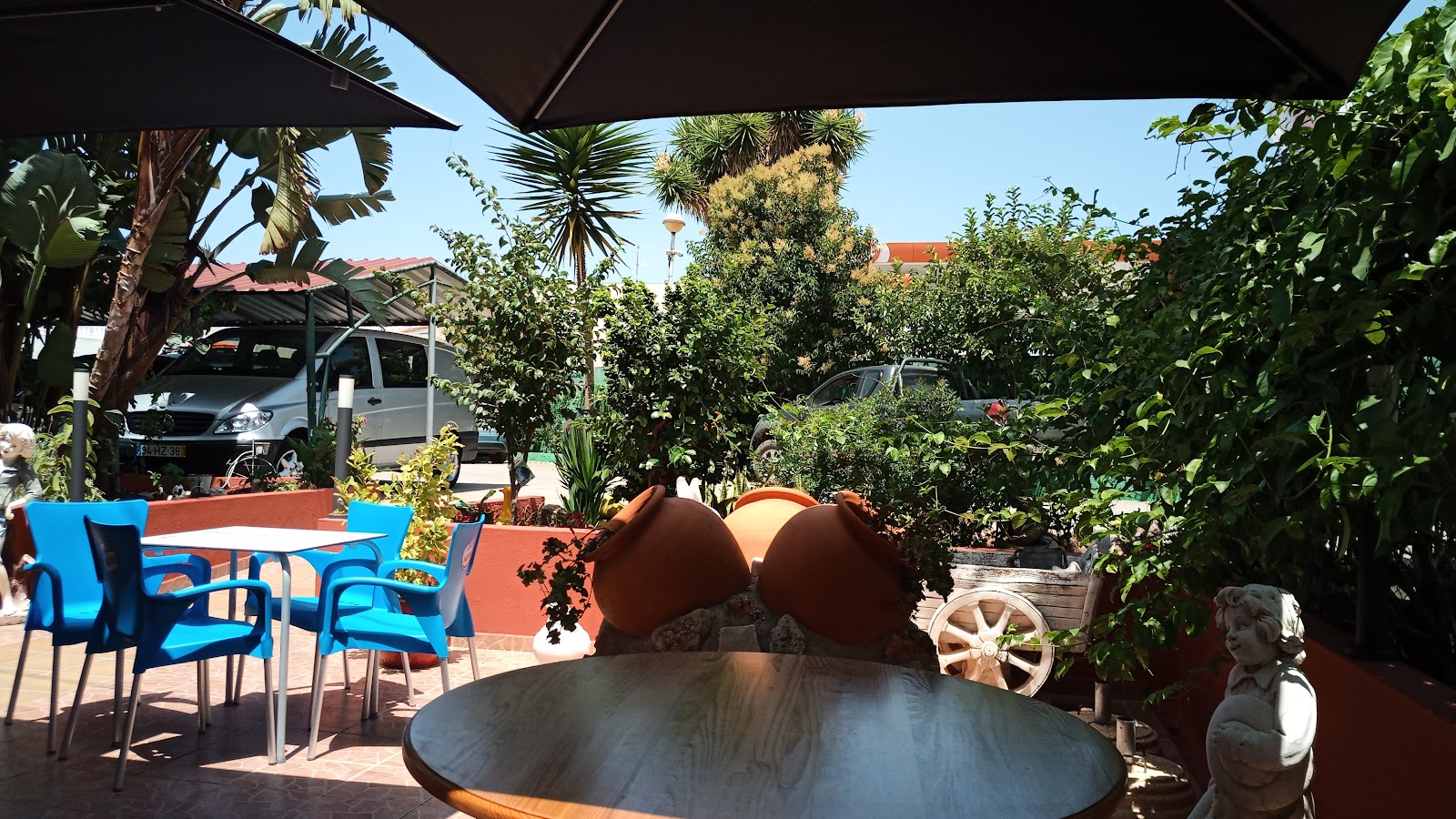
Background adapted from Wikipedia (CC BY-SA) · map data © OpenStreetMap contributors · ratings & place photos via Google · other photos with per-image credit. Ticket links may earn us a commission at no extra cost to you.