
Cruz de Portugal
On the N124 heading east out of Silves, just before a roundabout near the cemetery, a three-metre limestone cross stands under a stone canopy beside a pedestrian street full of restaurant tables. Most people drive past it. The ones who stop find one of the finest pieces of Manueline stonework in the Algarve — carved from a pale, porous limestone that doesn't exist anywhere in the region, which means someone, at some point, had it brought here from elsewhere.
Up close, the craftsmanship is precise and deeply worn. One face shows the Crucifixion; turn to the other and you're looking at a Pietà — the Virgin holding Christ — framed in the floral, almost extravagant detail that marks the late Gothic Portuguese style. A plaque nearby traces the cross's various locations over the centuries.
💛 What travellers fall for
People who've been tend to mention the same thing: go around the back. The Pietà side gets less attention than the Crucifixion, but the carving is just as fine, and the erosion on the limestone reads differently in afternoon light. The twisted-wire donkeys for sale nearby are hard to ignore, for better or worse.
The story behind Cruz de Portugal
The cross was carved in the last quarter of the 15th century from white-yellowish limestone — highly porous, poorly resistant to erosion, and geologically absent from the Algarve. That the stone had to be imported says something about the commission's ambition. A widely held account connects it to King Manuel I and the 1499 transfer of King John II's remains from Silves Cathedral to the Monastery of Batalha, though this has not been confirmed by primary sources. The cross has stood in its current location since at least 1824.
Classified as a National Monument in or around 1910, the cross acquired its protective stone canopy in 1943, which was rebuilt a decade later in 1953. For generations, local residents knelt before it and gathered around it on Holy Friday — and when English visitors reportedly admired it enough to want it removed, the community held firm.

Good to know
No admission fee, no set hours — it's an outdoor monument, freely accessible. It sits a short walk east of the historic centre on Rua Cruz de Portugal. If you're arriving by train from Faro or Portimão, the station is roughly 20 minutes on foot from the old town. Spring and early autumn give the most comfortable temperatures for lingering.
April, May, and October are the most comfortable months to stand outside with it — temperatures between 20 and 26°C, with manageable rainfall. Summer is reliably dry and can push above 30°C by August; the canopy offers some shade but not much. December and January bring the most rain, though the cross is worth a look in any season.
Where is Cruz de Portugal?
More tickets & tours for Cruz de Portugal
Book directly at the provider
What travellers say about Cruz de Portugal
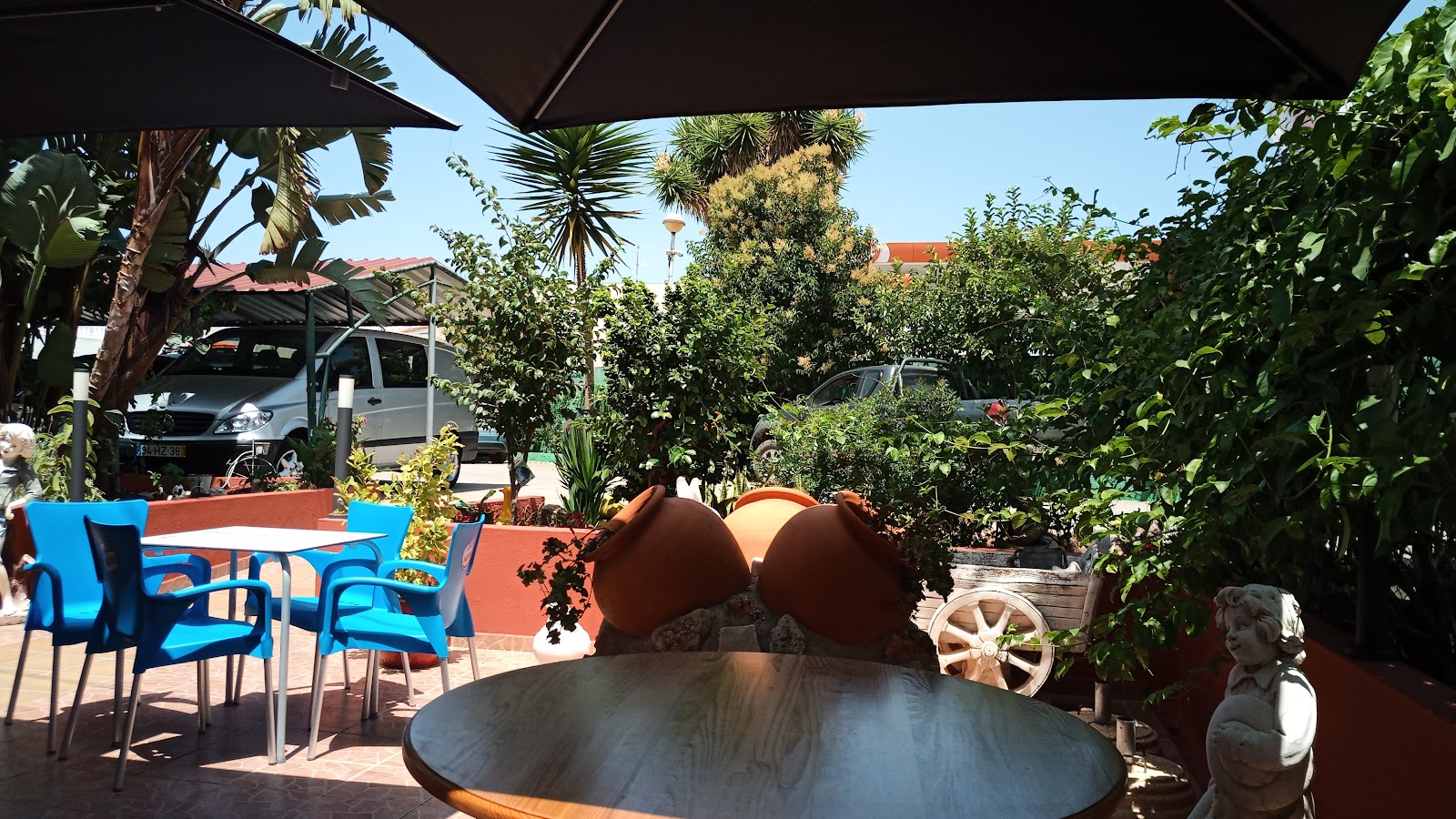
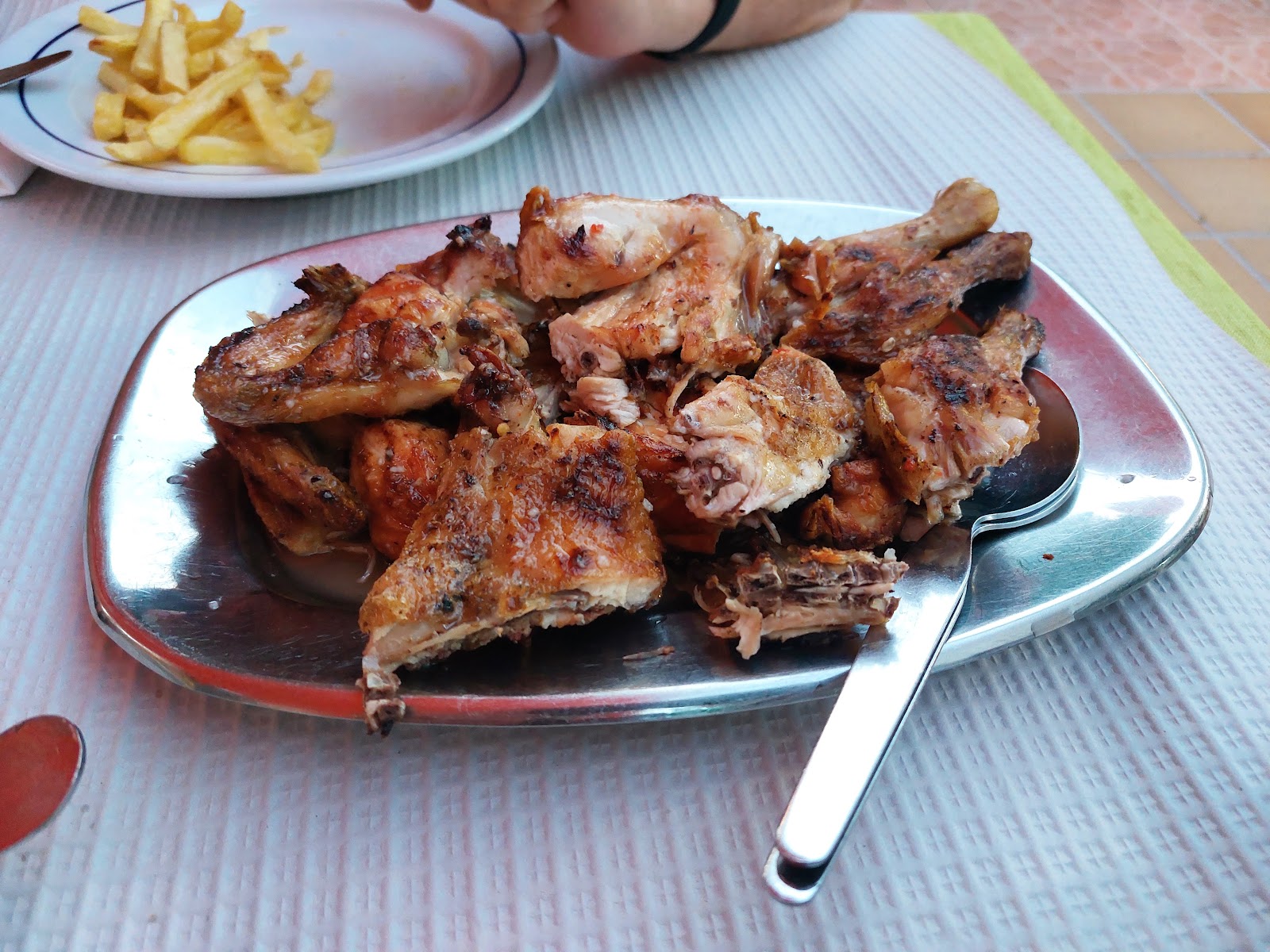
Super restaurant and takeaway. Very popular with the locals but good service when busy. Our waiter was very welcoming, humourous and efficient. Bread with the best olives we have tasted in Silves. Piri piri chicken and pork fillet with rice, chips and a side salad. Portions are good. House white wine was great value at €9 a bottle. Finished with Carob cake each, coffee and a camomile tea.
Great value, great food, great prices along with friendly service. A most visit if in Silves.
Absolutely delicious! Super fresh. Great service! Even though it was super busy we didn't have to wait long to be seated and served. Great prices.
Very nice family restaurant. If you like a little bit spicy food, try chicken piripiri. It's really tasty. Also cheesecake recommended for desert.
UPDATE!!! Since my original review, from 2024, things have changed for the worst at this restaurant, we have visited a few times recently in 2026, and the chicken is now absolutely terrible! The quality of chicken they are now selling is awful, its small boney chicken, with no meat, very small bad quality, even if yiu buy a whole chicken its all bones, no meat! This restaurant when i made my first review was selling quality meaty chicken! Big in size! I advise this restaurant to find new supplier of bigger and better quality chicken! Likevthey previously had a year ago! 💥We Do not recommend this restaurant anymore, it’s not a good place for barbecue piri piri chicken! *The chips and salad is good, but chicken there now is terrible and small boney, awful chicken, they need to find good supplier of big meaty quality chicken! Like they used to have! ———————- 💥My previous review inposted over one year ago, giving 5 sfars i have recinded and deleted, 💥Because this restaurant is mow selling small very very poor quality chicken! they have obviously changed their chicken supplier. i had a year ago or more rated the chicken piri piri at this restaurant as the best in silves! But now its not anymore! They changed their chicken to very small, bad quality chicken!. We do not recommend the chicken piri puri here! Anymore!
More of Silves
Discover where to stay, what to do and the best deals for your trip.
Explore Silves →More attractions in Silves
All of Silves →
Background adapted from Wikipedia (CC BY-SA) · map data © OpenStreetMap contributors · ratings & place photos via Google · other photos with per-image credit. Ticket links may earn us a commission at no extra cost to you.