
Vilamoura
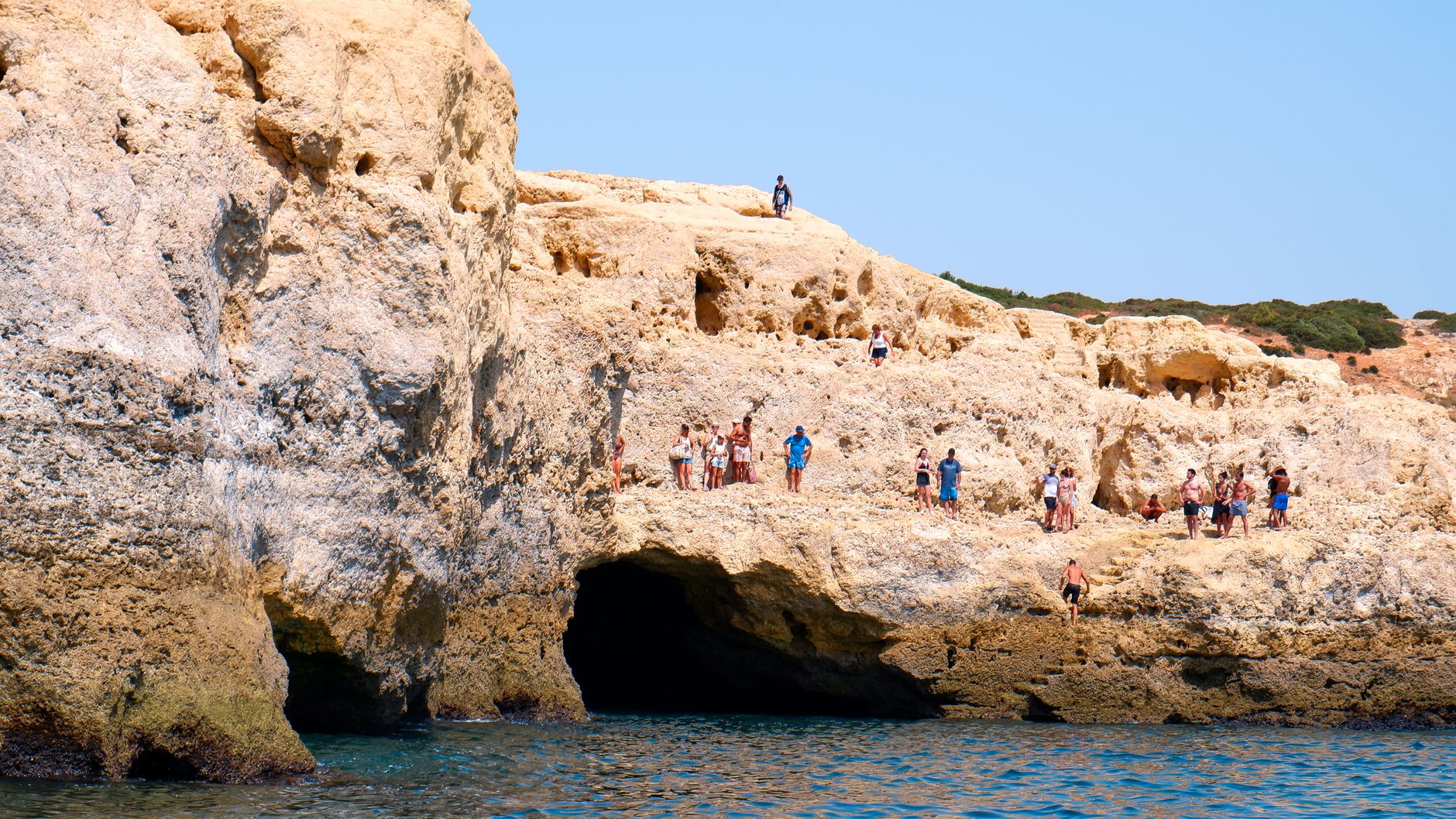
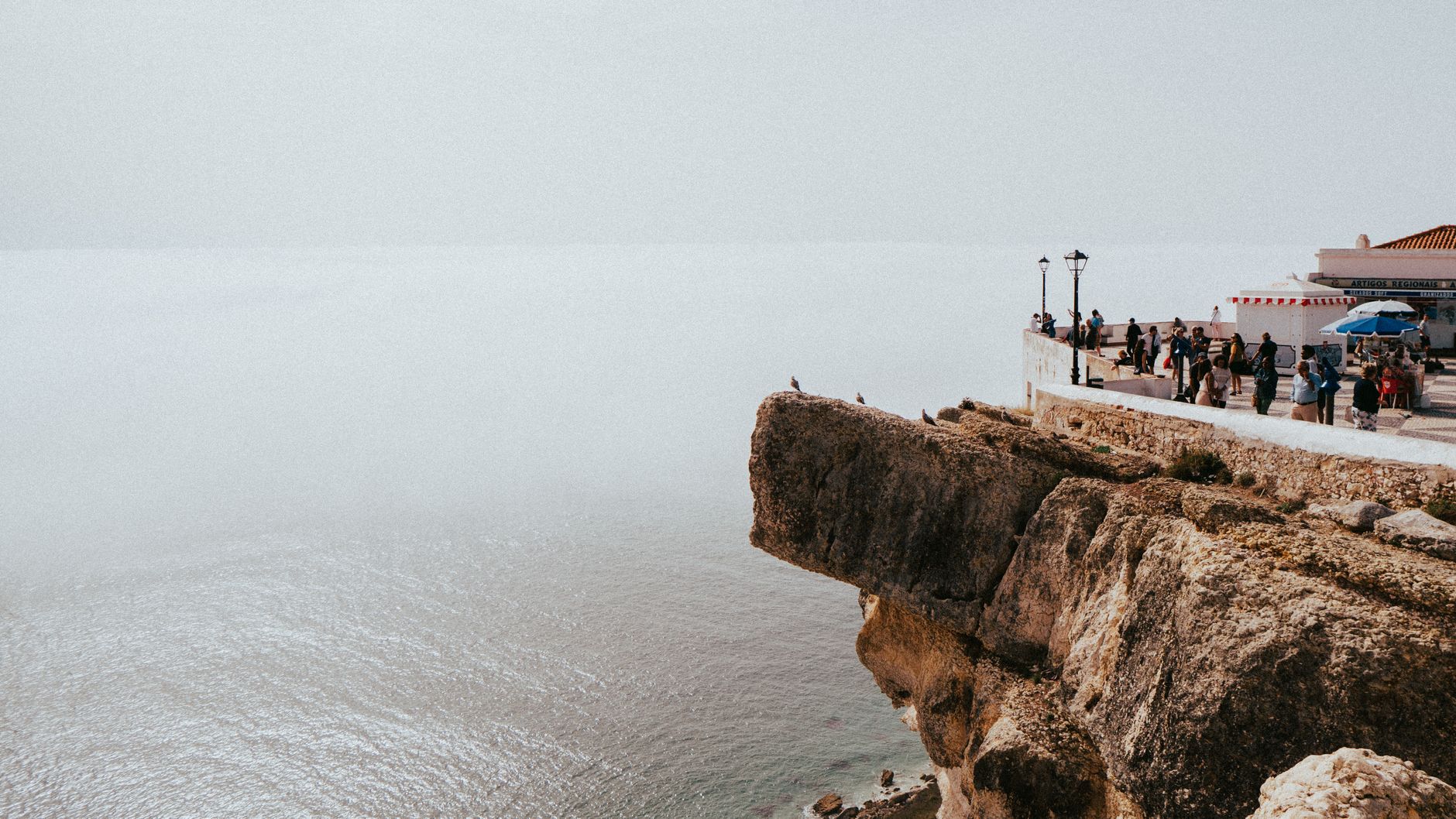
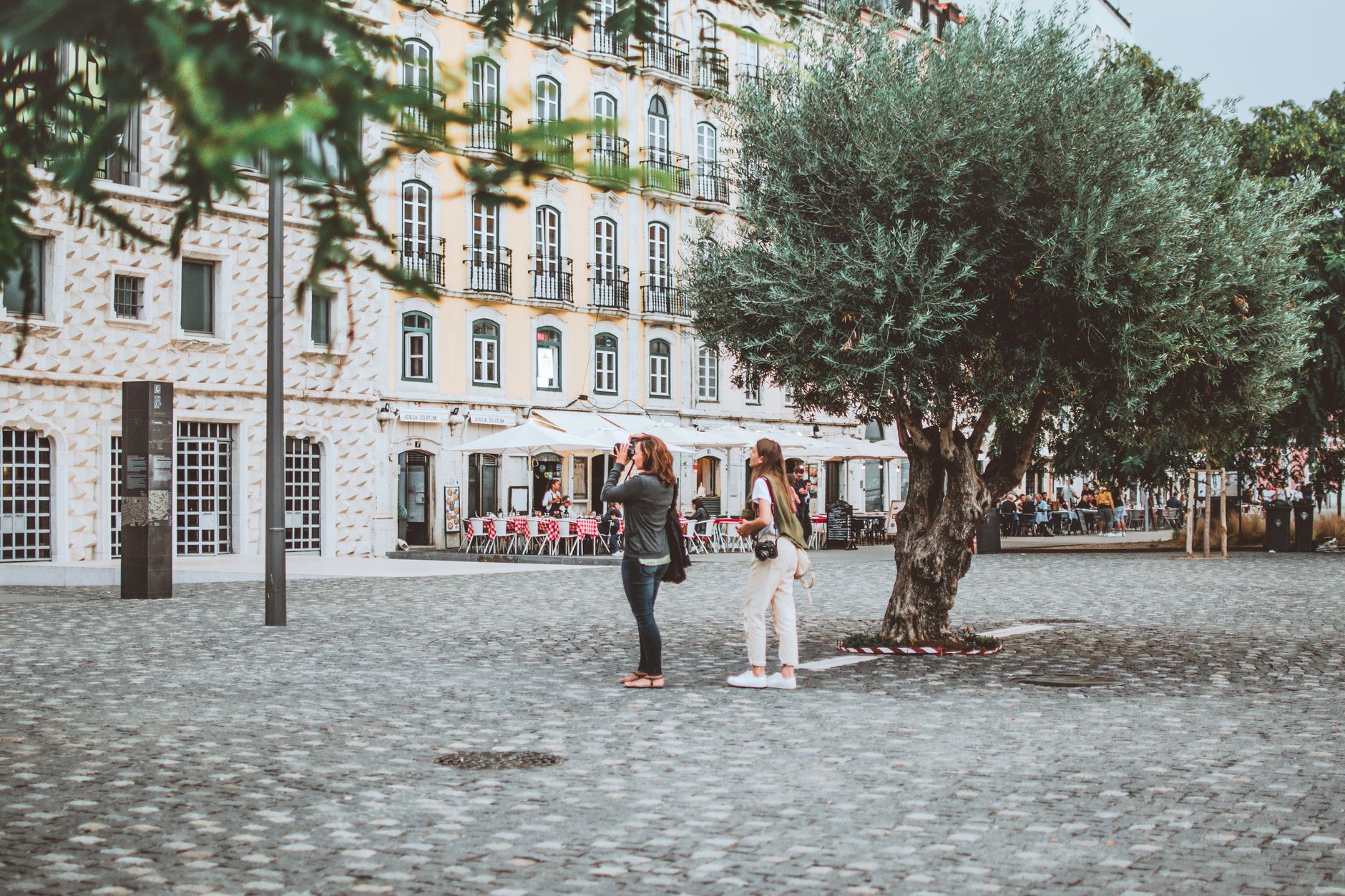
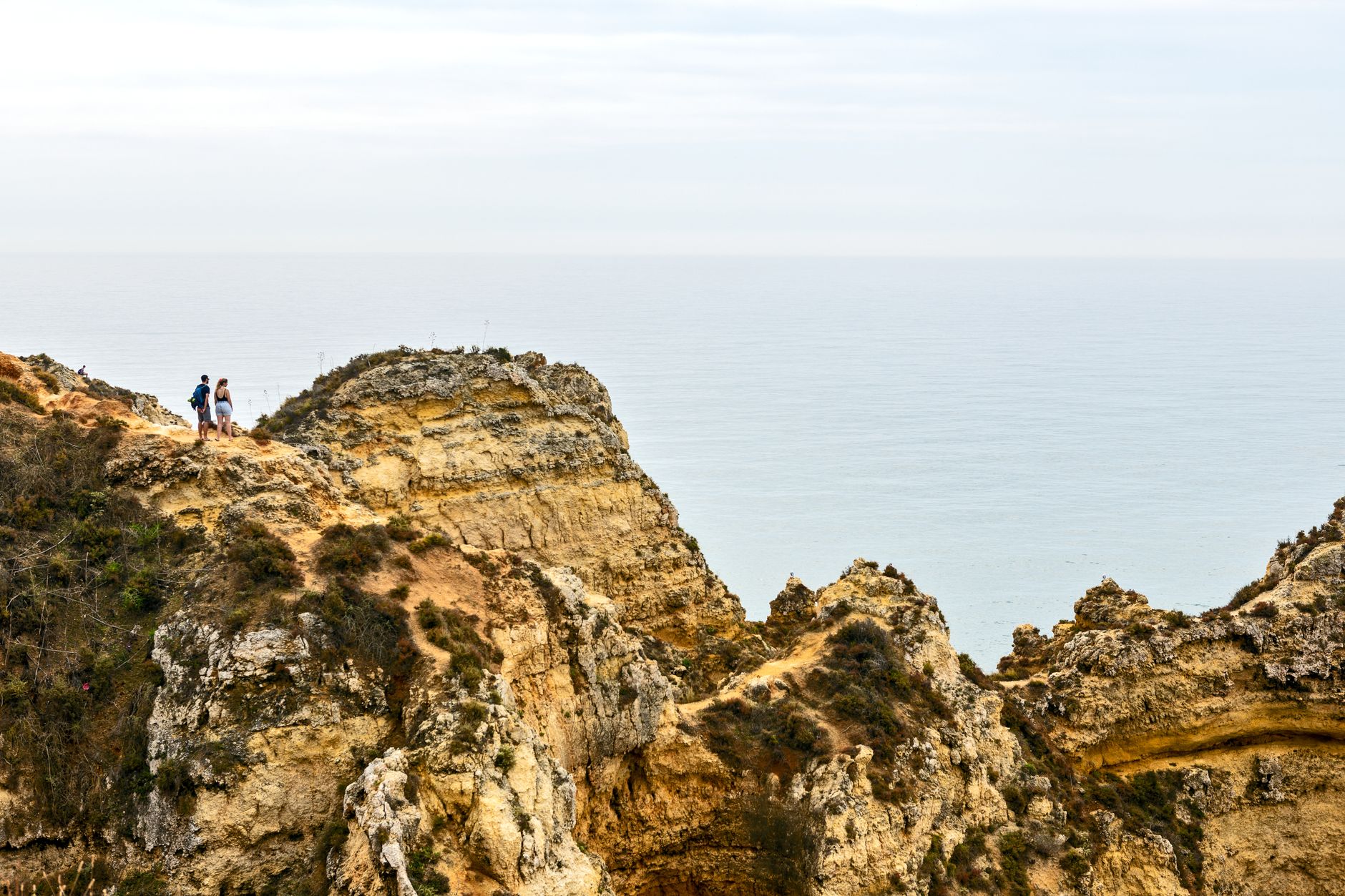
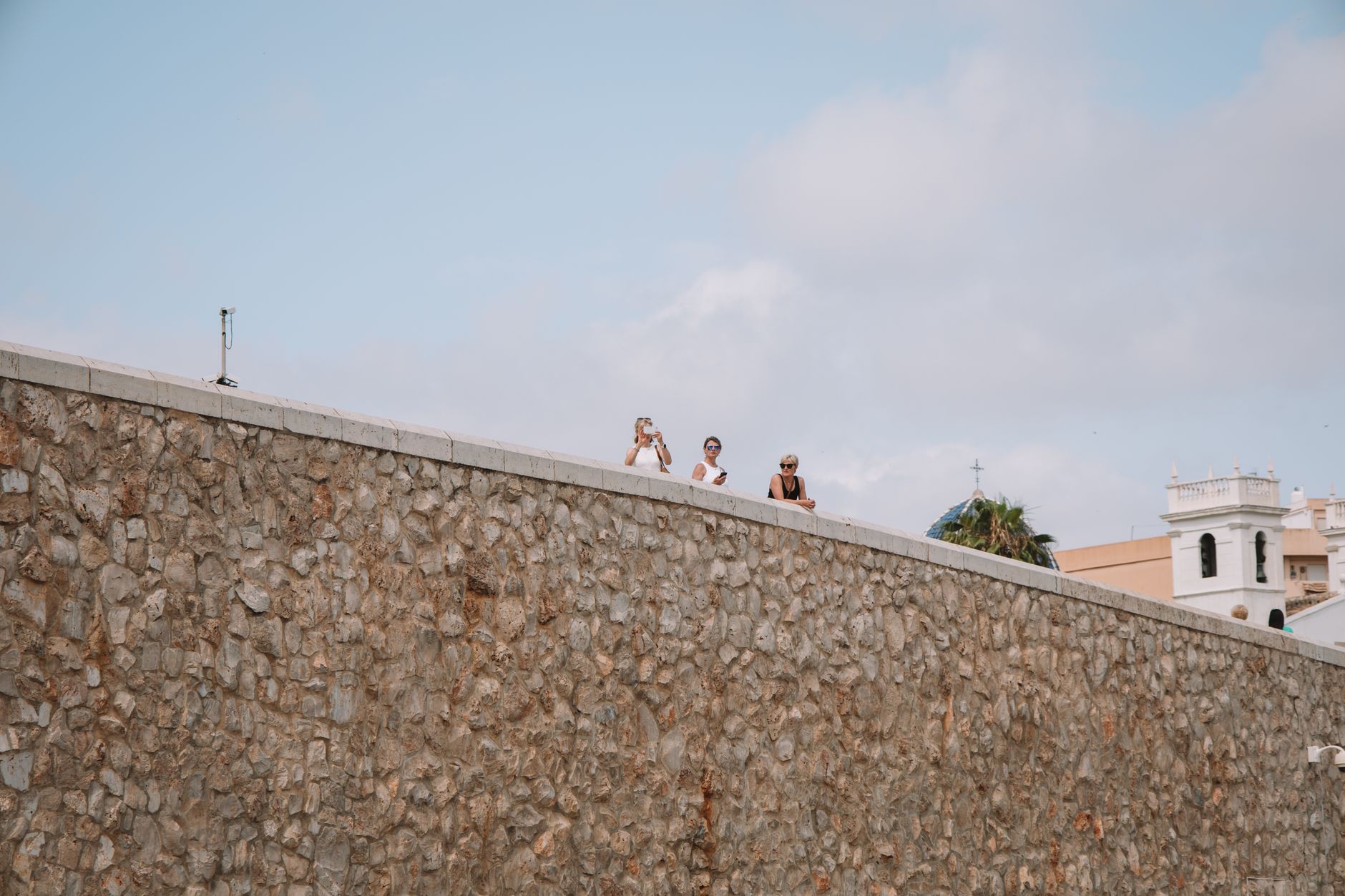
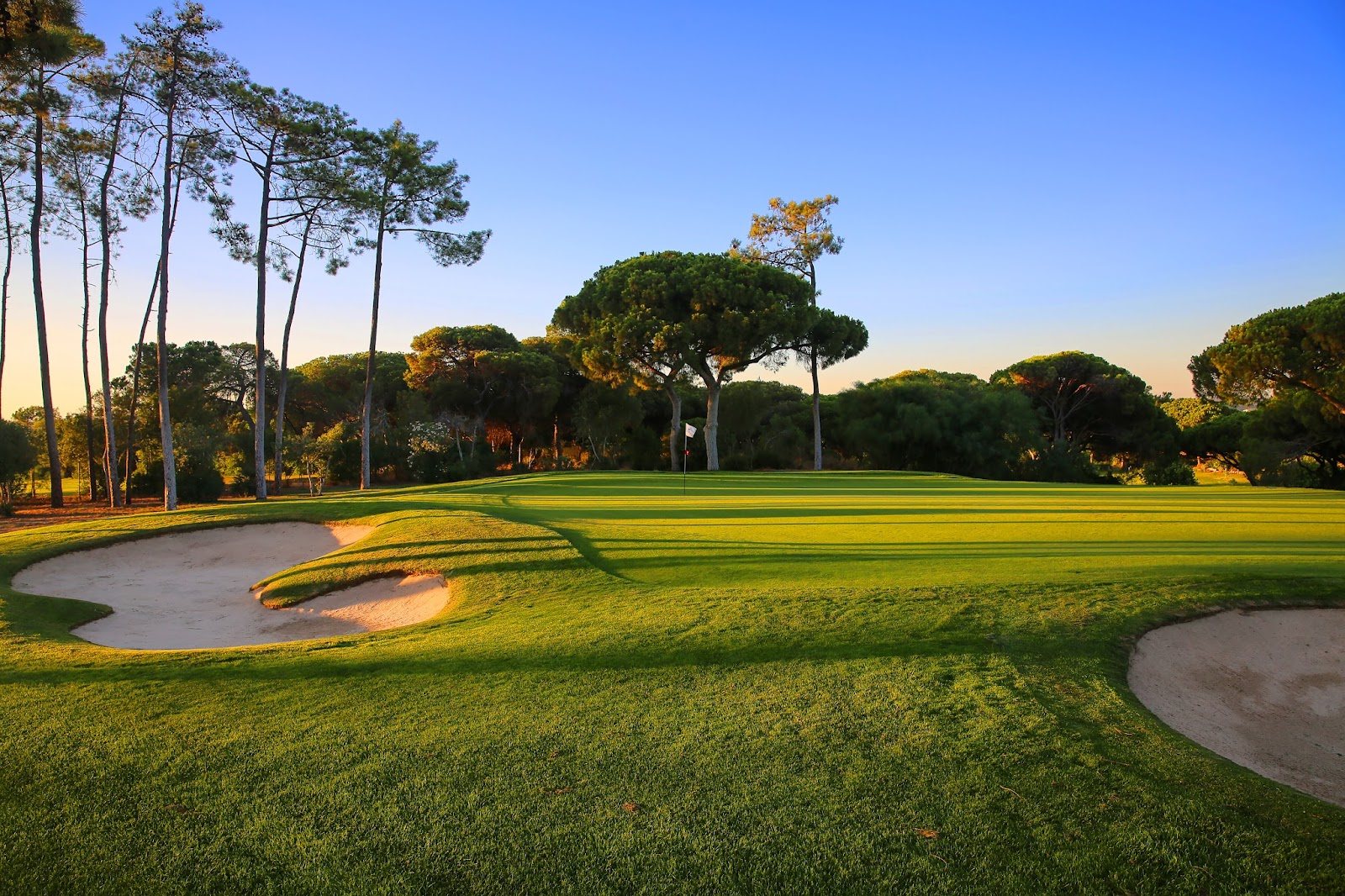
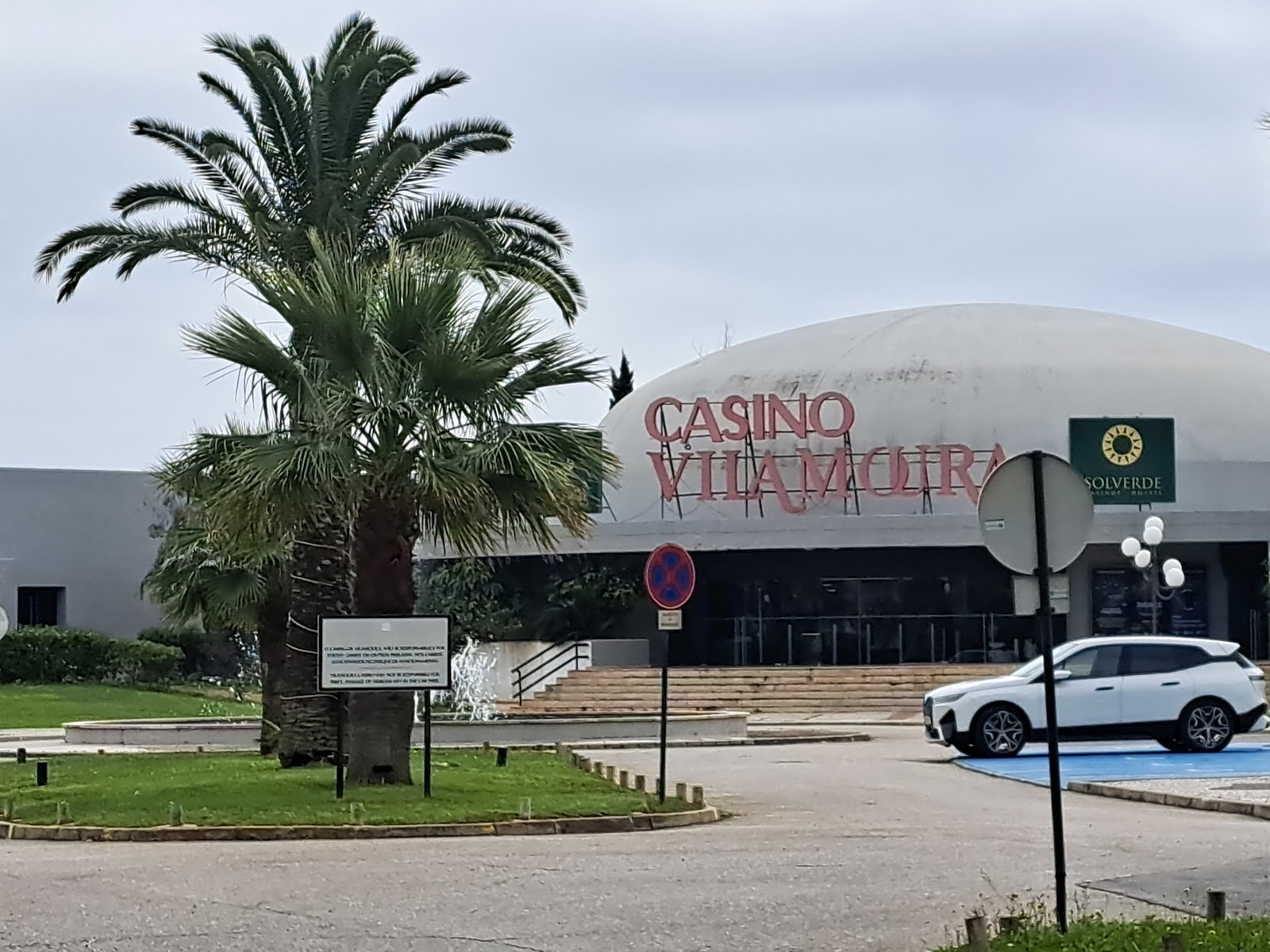
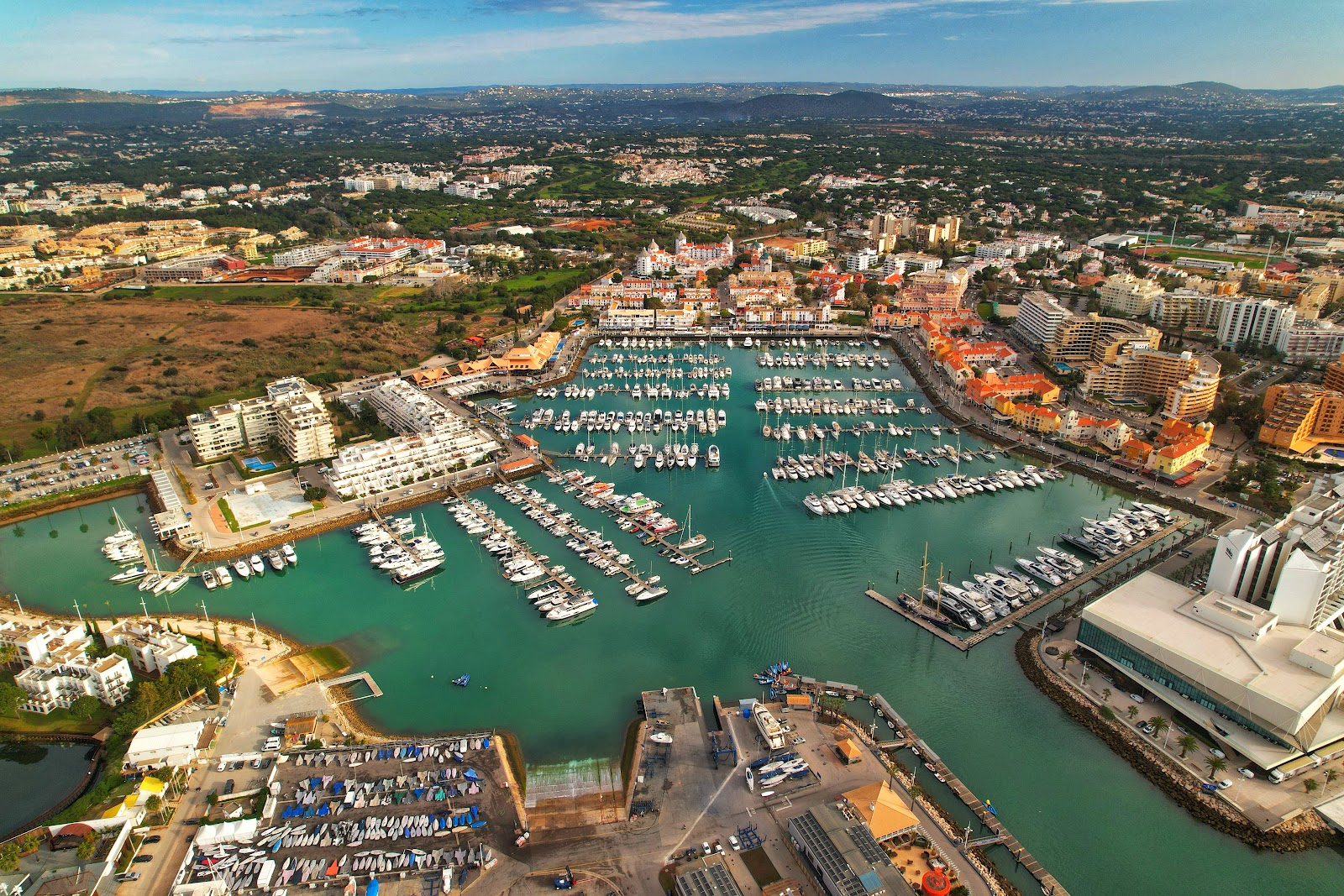
Vilamoura is a purpose-built resort that wears its ambition openly: a marina with over 800 berths, five golf courses, and a casino all laid out on what was, not so long ago, undeveloped Algarvian scrubland. The first sailboat to dock here, in 1974, was owned by the Count of Barcelona — a detail that set the tone for the decades that followed.
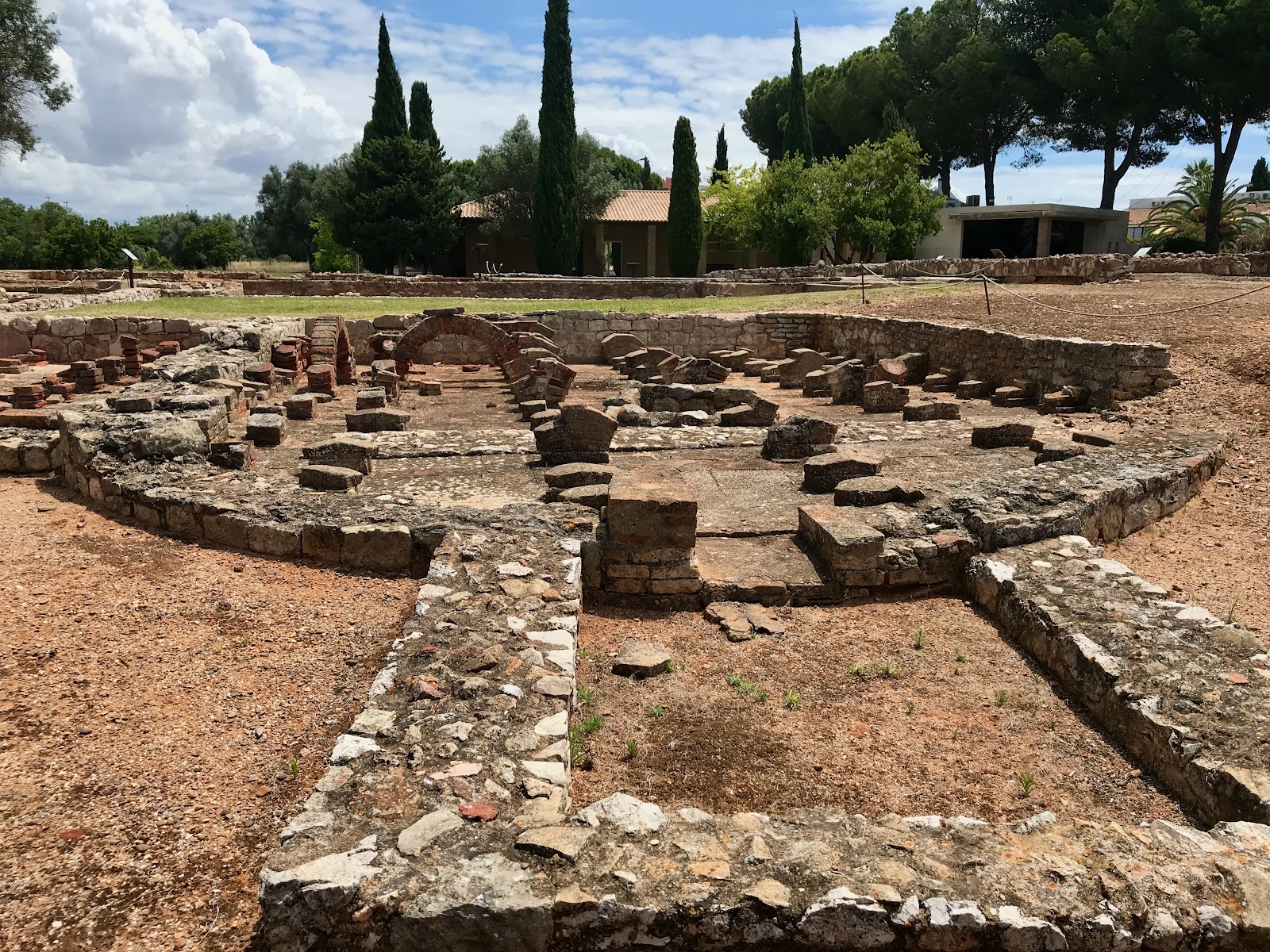
What keeps it interesting is the layer underneath. At the Cerro da Vila site, a first-century Roman villa sits a short walk from the marina's restaurant terraces — baths, a fish-salting house, and the foundations of a residence that once produced garum, the fermented fish paste that travelled across the empire.
💛 What travellers fall for
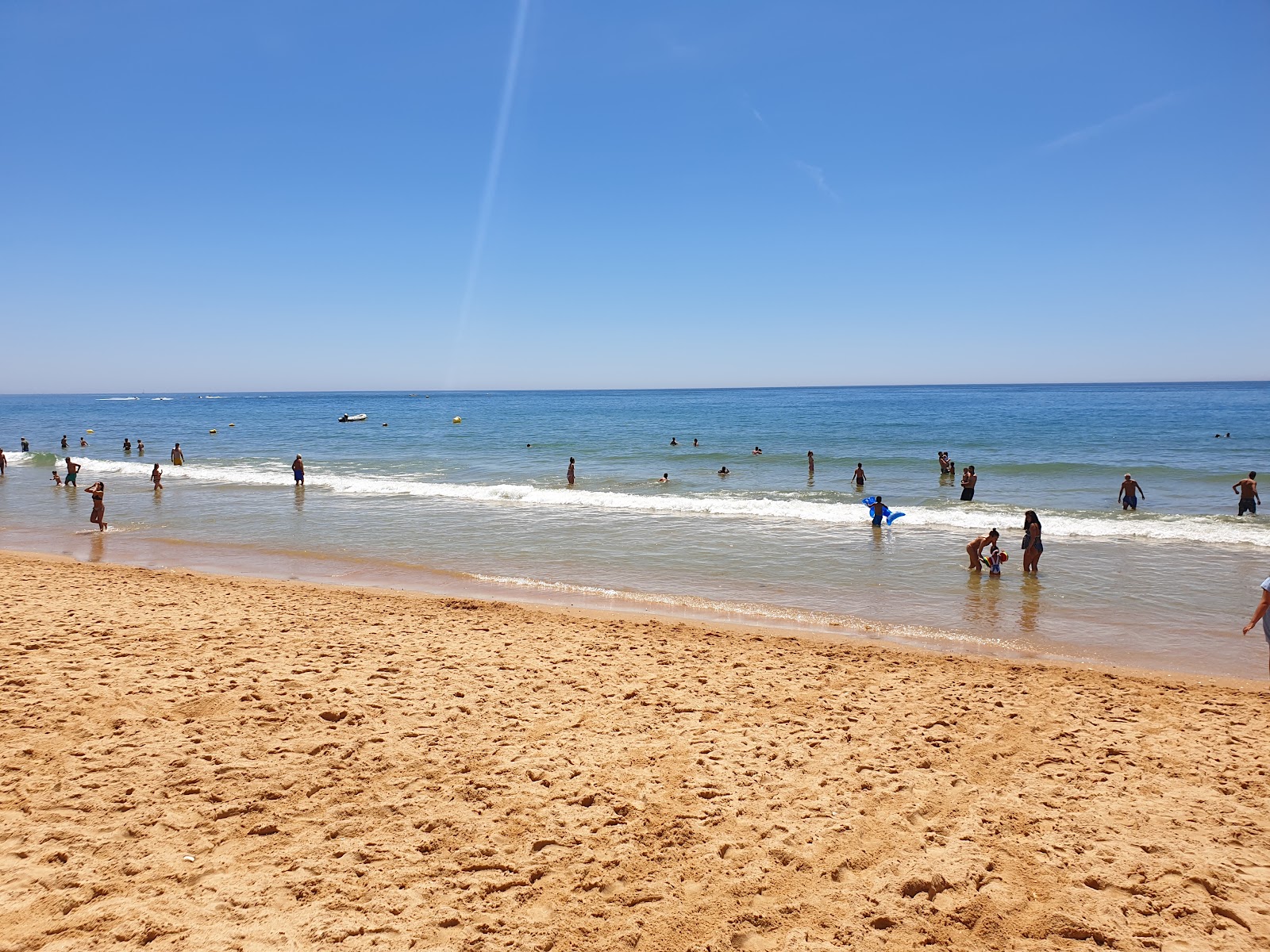
People who come back tend to time it for late September: the sea is still warm, the golf courses aren't baking, and the marina terraces thin out enough that you can actually get a table. The tourist mini train is genuinely useful for getting between Praia da Falésia's orange cliffs and the marina without moving a car.
Deals in Vilamoura
Book directly at the provider


How Vilamoura came to be
Vilamoura's modern story begins in 1966, when Portuguese banker Cupertino de Miranda and his company Lusotur began planning what would become one of Europe's largest integrated resort developments. Marina excavations started in 1971, and by 1974 the first berths were ready — inaugurated when the Giralda, belonging to the Count of Barcelona, sailed in.
Ownership changed hands twice in relatively quick succession: developer André Jordan, known for Quinta do Lago, acquired Lusotur in 1996, and the Spanish PRASA group took over in 2004. Beneath all of this modern construction, the ground had been occupied far longer — Roman settlers fished and processed garum here in the first century, leaving behind the baths and salting tanks that now form the Cerro da Vila archaeological site.
Who and what shaped it
People who shaped it
Landmark buildings
See Vilamoura in motion
Plan your visit
On the map
When to go
Summers run hot and almost entirely dry — July averages around 24°C with perhaps 2mm of rain across the whole month. Spring and autumn are the more temperate seasons, with daytime temperatures between 17°C and 26°C; winter brings occasional rain but rarely closes the place down entirely.
Right now
↡ Attractions

Background & history adapted from Wikipedia (CC BY-SA) · specs from Wikidata (CC0) · weather from Open-Meteo · map data © OpenStreetMap contributors · photos from Wikimedia Commons / Unsplash with per-image credit. No third-party reviews or social posts reproduced.