
Falesia Beach (Praia da Falésia)

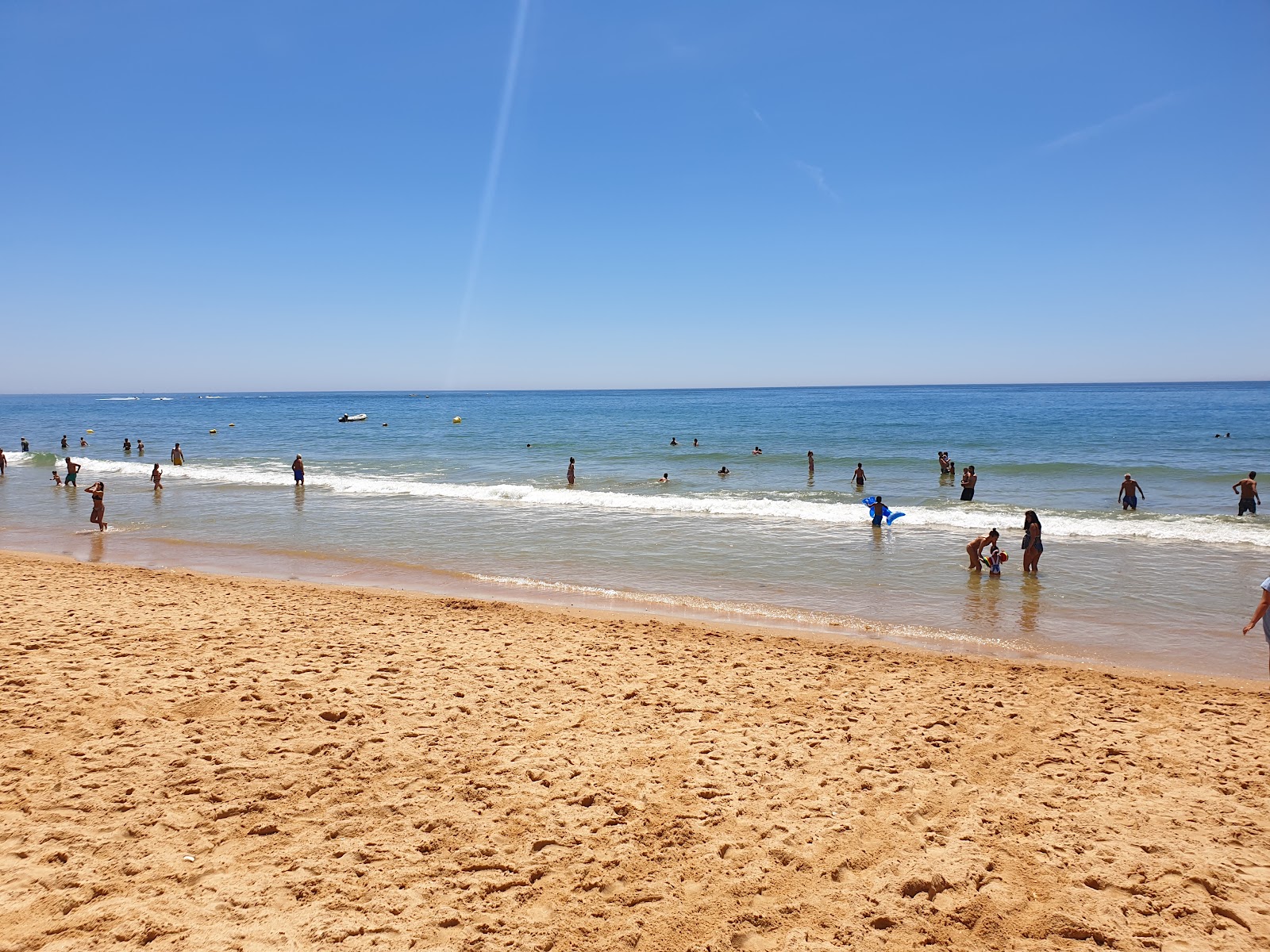
The cliffs are the first thing you notice — not white, not beige, but a deep, oxidised red-orange where iron in the ancient sandstone has been slowly rusting for millions of years. They rise along nearly six kilometres of Atlantic coast between Olhos de Água and Vilamoura, and the beach at their base is wide enough that even in August you can find space to lay a towel without negotiating with a stranger.
This is Praia da Falésia: a long, relatively undeveloped arc of sand where the geology does most of the work. The cliffs aren't decoration — they're a stratigraphic record, with grey Pliocene sands at the bottom and rust-coloured Pleistocene layers stacked on top.

💛 What travellers fall for
People who come back tend to walk the full length — roughly two hours from the Vilamoura end to Olhos de Água and back — then reward themselves at NoSoloÁgua, which transitions from a beach restaurant into a night venue as the sun drops. The Miradouro da Falésia viewpoint at the cliff-top is worth the detour before you descend.
The story behind Falesia Beach (Praia da Falésia)
The cliffs predate any human story here by an almost incomprehensible margin. The lower grey-white layer — known as the Falésia Sands — was deposited during the Pliocene, roughly five to ten million years ago, in a deltaic environment where a river met the sea. Above it, the Quarteira Sands record a later period when this same ground lay beneath a shallow continental shelf during the Upper Pliocene to Lower-Middle Pleistocene.
What turns those upper layers the colour of dried blood is iron: naturally present in the sediment, it oxidises on contact with air and water, a process that continues today every time the Atlantic eats a little further into the cliff face. The beach, in that sense, is still being made.

Good to know
Three access points: Olhos de Água, Açoteias, and Vilamoura (1.3 km walk from the marina). The Vilamoura car park costs €2.80 per hour; Praia dos Tomates is cheaper and free after September. Bus 8 from Albufeira takes about 20 minutes. Lifeguards are on duty May through October. May, June, and September give you the best weather without peak-season pressure.
Summers are hot and reliably dry — July and August average highs around 29–33°C, with sea temperatures reaching 20–22°C. Winter is mild (around 17°C) but wetter, with most of the year's rainfall concentrated in November through January. Waves can build to 1.5–2 metres in winter swells, making the beach dramatic to walk but not ideal for swimming.
Where is Falesia Beach (Praia da Falésia)?
More tickets & tours for Falesia Beach (Praia da Falésia)
Book directly at the provider
What travellers say about Falesia Beach (Praia da Falésia)
One of the most striking beaches in the Algarve, known for its long stretch of sand and dramatic red cliffs that seem to go on forever. The beach is exceptionally wide, making it ideal for long walks, even during busier periods. The contrast between the deep red and orange cliffs and the blue Atlantic creates a constantly changing landscape as the light shifts throughout the day. I arrived around 10 a.m. and things were already active. There was still space in the small parking lot, but the remaining spots were going quickly. By noon, the crowds were starting to build, even in late March, well before the peak tourist season. What stood out was the mix of people — many seemed to be locals enjoying the beach: walking, jogging, playing with their kids, and even taking a dip in the Atlantic. Access is relatively straightforward from several points, though it usually involves stairs or a sloped path down from the cliffs. The effort is manageable and well worth it once you reach the shoreline. A great choice whether you’re looking to relax, walk, or simply take in one of the Algarve’s most iconic coastal views.
I loved this place. Such a chilled out beach, when we went it was at 19° c in the water, which is really nice compared to cascais. Both times we were able to go in the water fine and the waves weren’t that aggressive. We also went to that little bar in the picture, price was fairly accessible and the beers were freezing.
The beach is absolutely beautiful, with stunning views of the cliffs. There’s plenty of space, so you won’t have any trouble finding a quiet spot to relax. For me, it’s the perfect place to unwind and soak up the sun. You can also watch surfers riding the waves, which adds to the lively yet peaceful vibe of the place. It’s definitely a spot worth visiting if you’re looking to enjoy some time by the sea in a serene, picturesque setting.
This beach is absolutely breathtaking ❤️ The long stretch of golden sand, framed by stunning red and orange cliffs, feels like something out of a postcard. There’s so much space to walk, relax, or just take in the views — especially magical during sunrise or sunset. The contrast of the cliffs, pine trees, and ocean is unforgettable. It’s one of those beaches that makes you stop and say, “Wow, this is paradise.” 🤩
April in Portugal is great. Warm air, flowers blooming, no crowds.
More of Vilamoura
Discover where to stay, what to do and the best deals for your trip.
Explore Vilamoura →More attractions in Vilamoura
All of Vilamoura →
Background adapted from Wikipedia (CC BY-SA) · map data © OpenStreetMap contributors · ratings & place photos via Google · other photos with per-image credit. Ticket links may earn us a commission at no extra cost to you.