
Vilamoura Beach (Praia de Vilamoura)
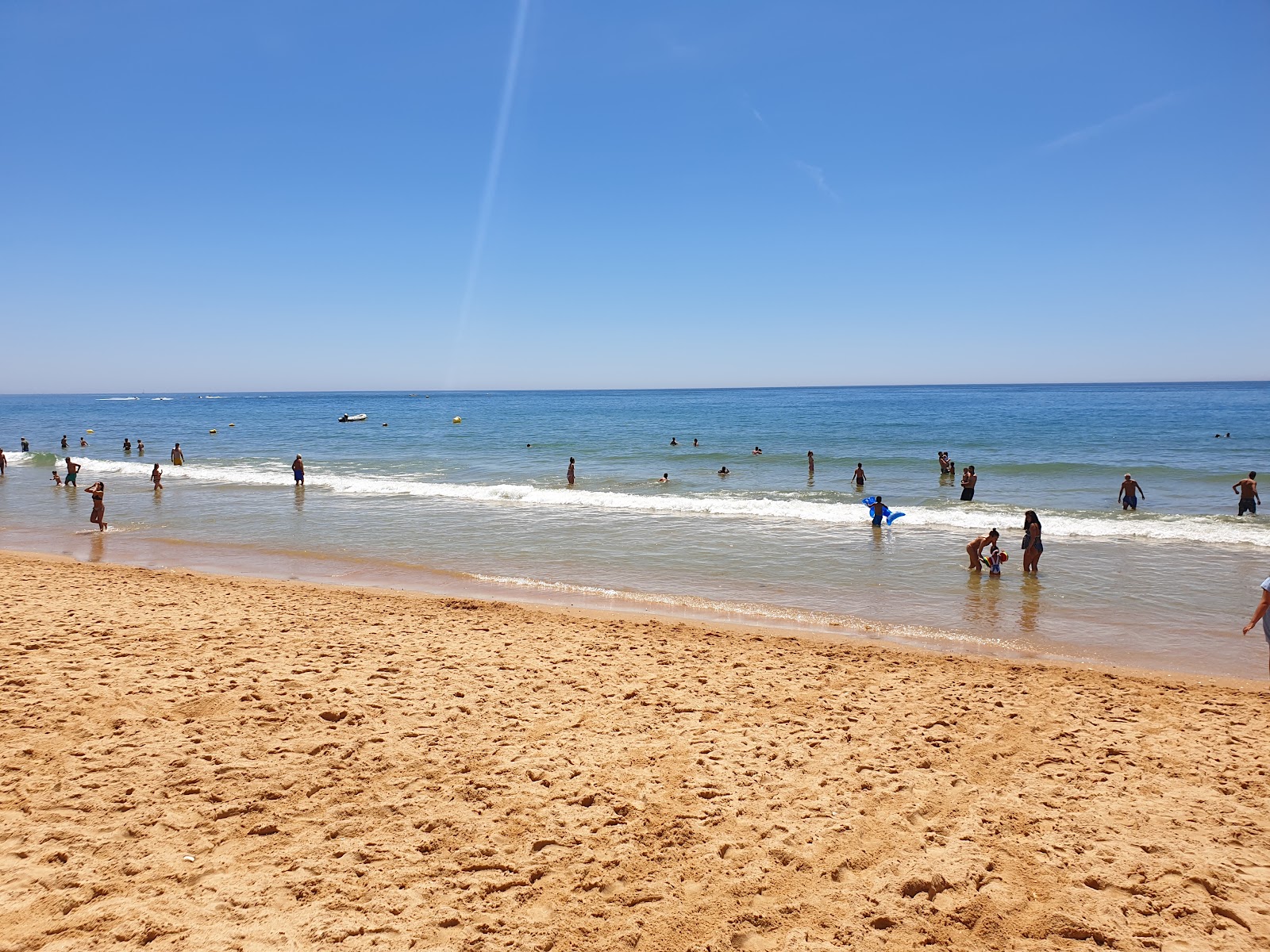
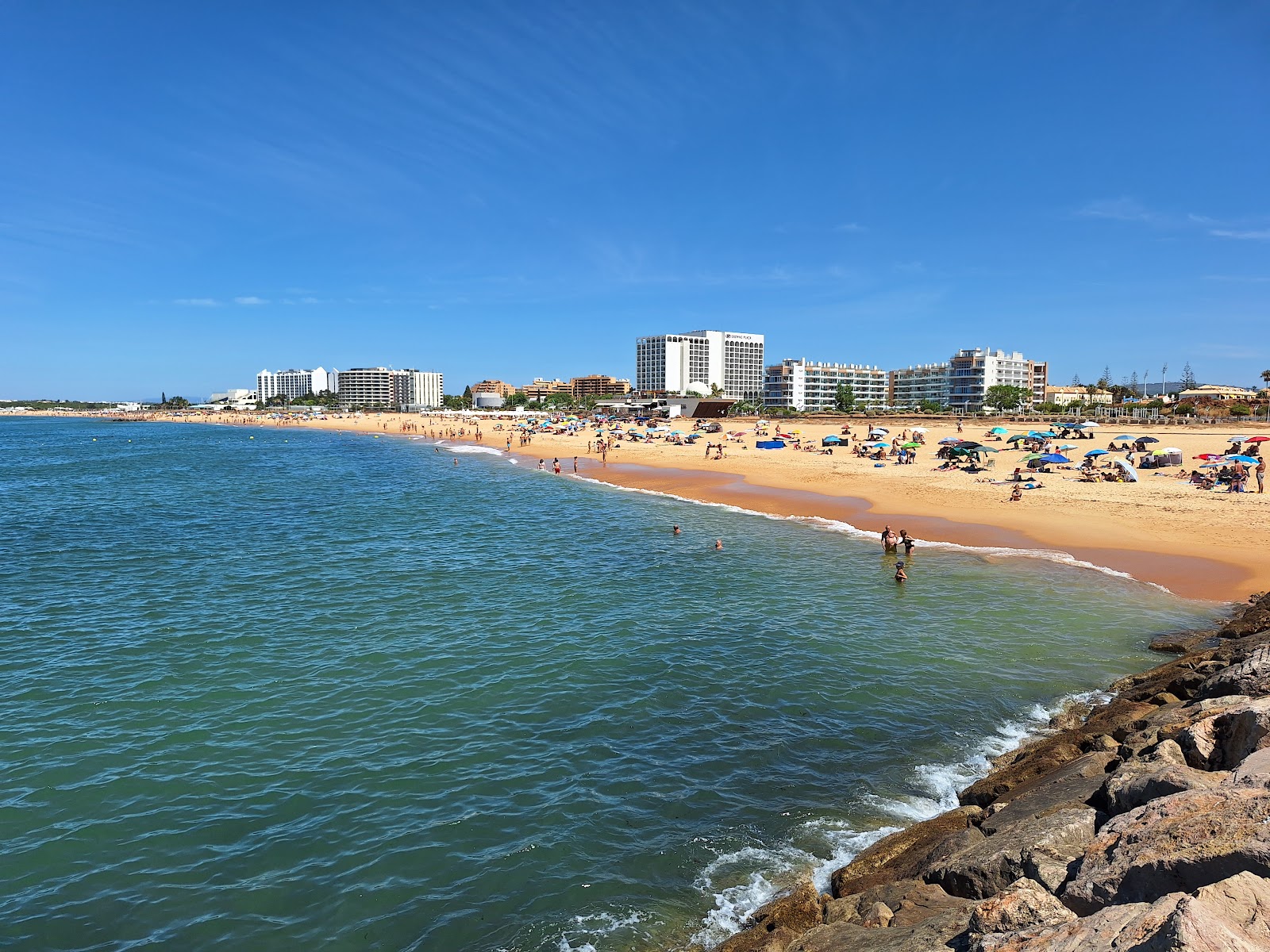
The groyne jutting out from Vilamoura's marina harbour does something useful: it breaks enough of the Atlantic swell to leave the water here noticeably calmer than the wilder beaches to the west. That small fact matters when you're actually in the sea, which rarely climbs above 20°C even in August, and it explains why families keep coming back to this particular strip of sand between the marina mouth and the old fishing port at Quarteira.
The beach itself is straightforward — sun loungers for hire, beach bars within reach, ramps and amphibious chairs for anyone who needs them. What gives it texture is everything immediately around it: the marina boardwalk at one end, the working port at the other, and five centuries of Roman occupation buried in the dunes just behind.
💛 What travellers fall for
Regulars tend to arrive before 10am in July and August — prime spots go fast. Most point to NoSoloÁgua for Thursday evening events in high summer, and to the fish market in Quarteira, which sells out well before noon. The walk along the marina boardwalk at dusk, ice cream in hand, is essentially non-negotiable.
The story behind Vilamoura Beach (Praia de Vilamoura)
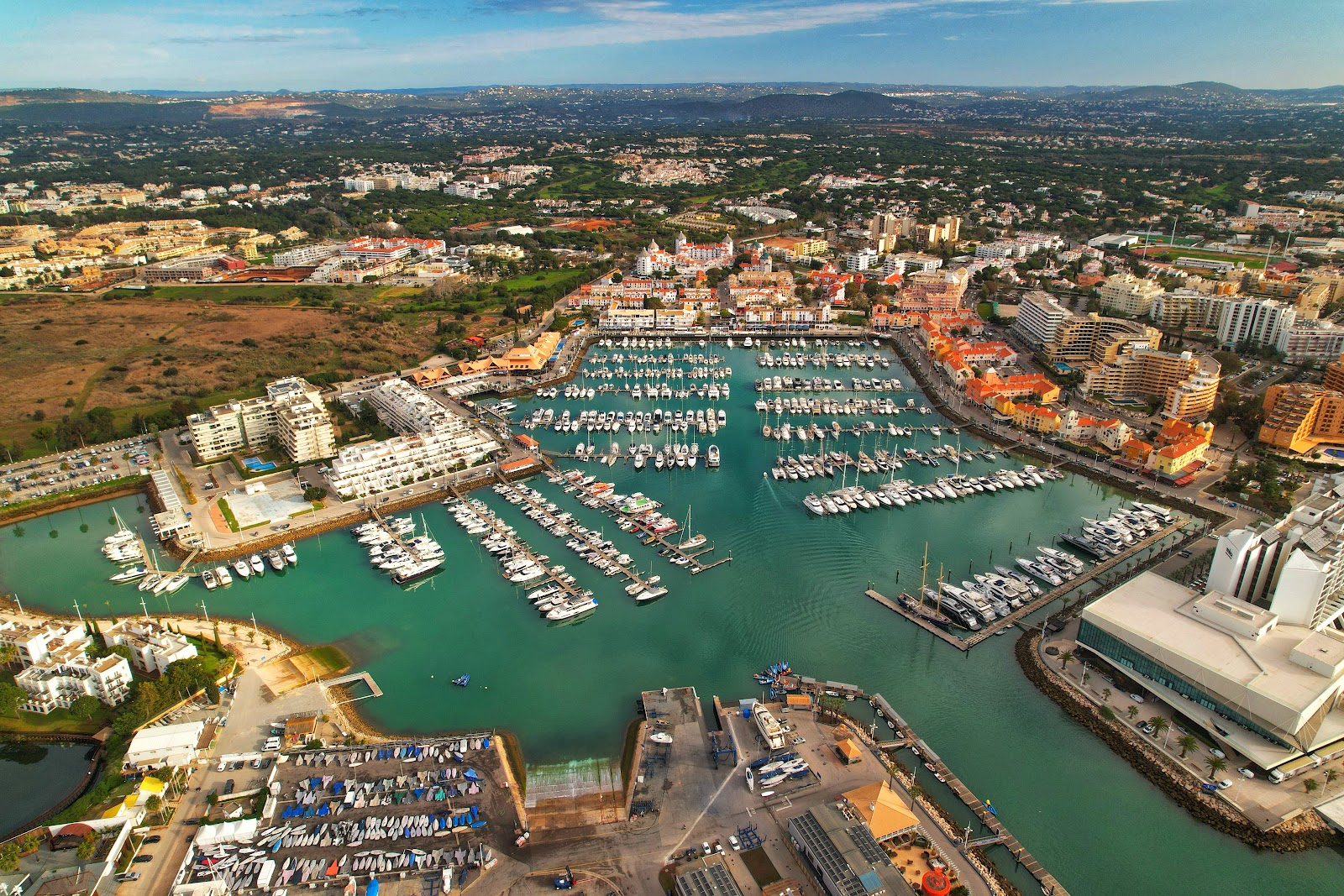
Vilamoura as a resort was the idea of Portuguese banker Cupertino de Miranda, who began planning the 2,000-hectare complex in 1966 — one of the largest single tourist developments in Europe. The marina was excavated from 1971, and in 1974 the first sailboat, the Giralda owned by the Count of Barcelona, arrived at what would become Portugal's largest marina, with 845 berths.
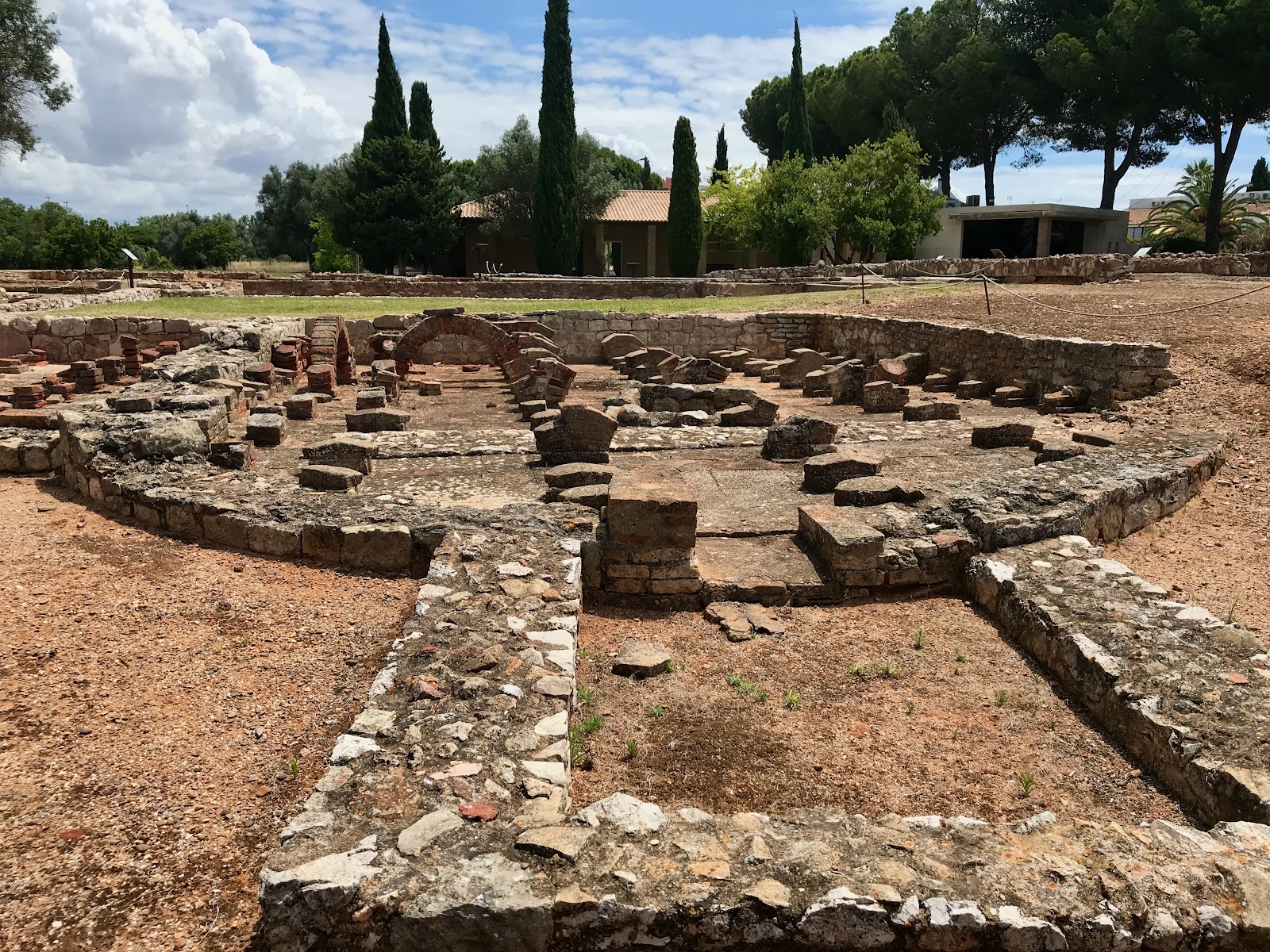
The resort changed hands twice in relatively quick succession: André Jordan acquired it in 1996, and the Spanish PRASA group purchased it in 2004. The beach access infrastructure was renovated in 2007, bringing it up to full accessibility standards. Running underneath all of this, literally, is a Roman past — a farmer's plough turned up mosaic fragments in 1963, triggering excavations that revealed villa foundations, baths, fish-salting stations and a necropolis at what is now the Cerro da Vila site nearby.

Good to know
Faro airport is under 30 minutes away; a taxi or Uber runs around €25. There's no reliable public transport, and parking near the beach is tight — walk from your hotel if you can. May, June and September give you warm water and sun without the peak-July crowds.
Summers are hot and almost entirely dry — July averages 28°C with barely a millimetre of rain and up to 12 hours of sun a day, though the sea stays refreshingly cool. September and October keep the warmth without the August crowds, while spring mornings can be crisp enough to want a layer until the sun gets going.
Where is Vilamoura Beach (Praia de Vilamoura)?
More tickets & tours for Vilamoura Beach (Praia de Vilamoura)
Book directly at the provider
What travellers say about Vilamoura Beach (Praia de Vilamoura)
Nice beach, the sand can be a bit rocky and rough on your feet at the top but then it smooth out. There is free wifi and parking and charging for your electric bike.
Very pleasant beach with clean light sand.
Nice beach, clean sand and water. Not too crowded. Life guards are always close. The water is a little bit cold, but nothing that will stop you from going for a swim. Overall one of the nicest beaches in Algarve.
Fantastic place, near both marinas, offering a big selection of pubs, restaurants, shops and natural beauty.
The inland part of the beach i though was very dirty lots of cigarettes butts and bits of litter. once you pass that and get nearer to the sea the sand transforms to a lovely clean beach and the sand nearest the water was lovely. You have to be careful with little ones near the sea here, as you walk into the sea it has a shelf/sudden drop and a sudden increase in depth it also makes the waves crash harder as they come in which creates lovely crashing waves.
More of Vilamoura
Discover where to stay, what to do and the best deals for your trip.
Explore Vilamoura →More attractions in Vilamoura
All of Vilamoura →

Background adapted from Wikipedia (CC BY-SA) · map data © OpenStreetMap contributors · ratings & place photos via Google · other photos with per-image credit. Ticket links may earn us a commission at no extra cost to you.