
Albufeira
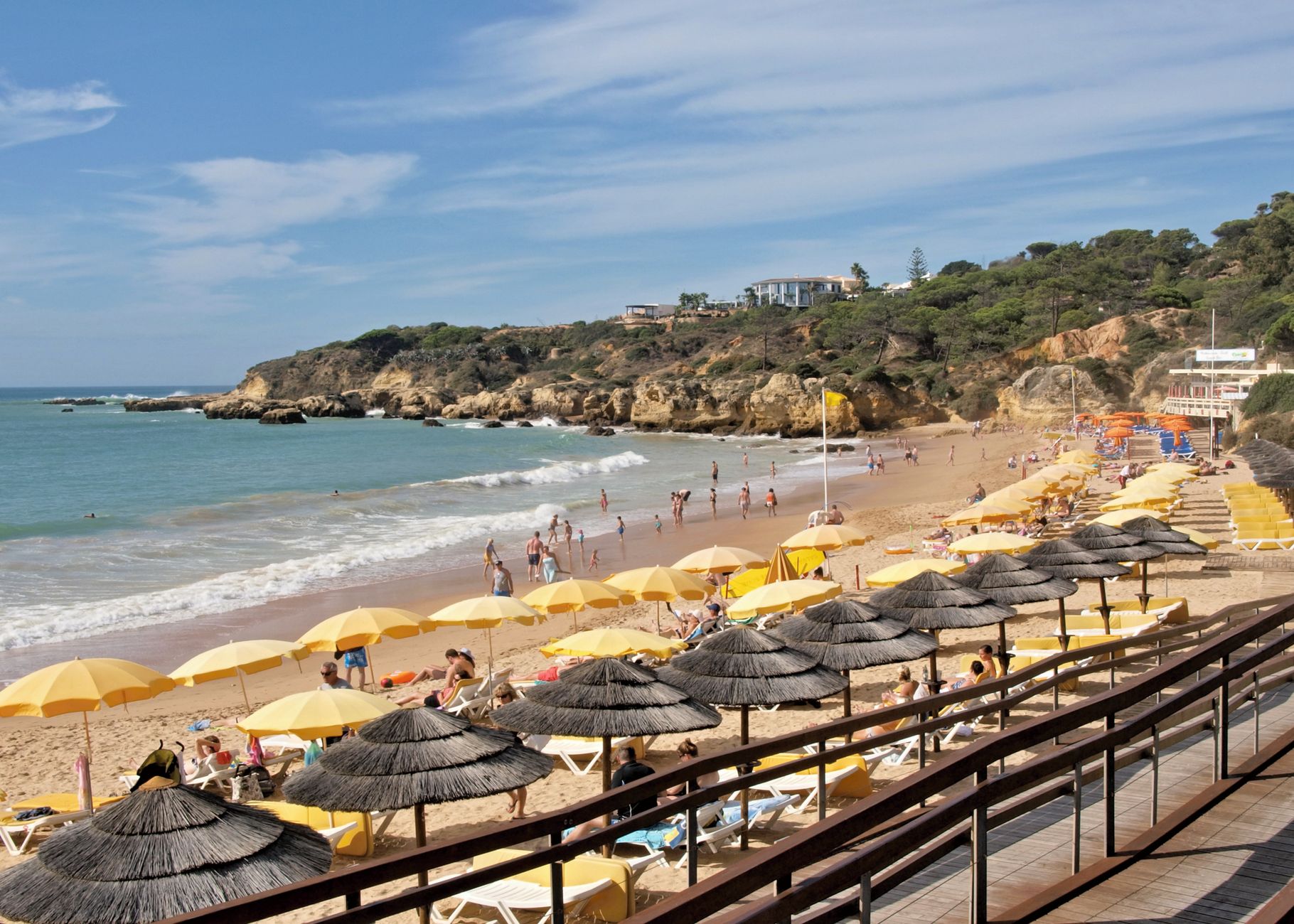
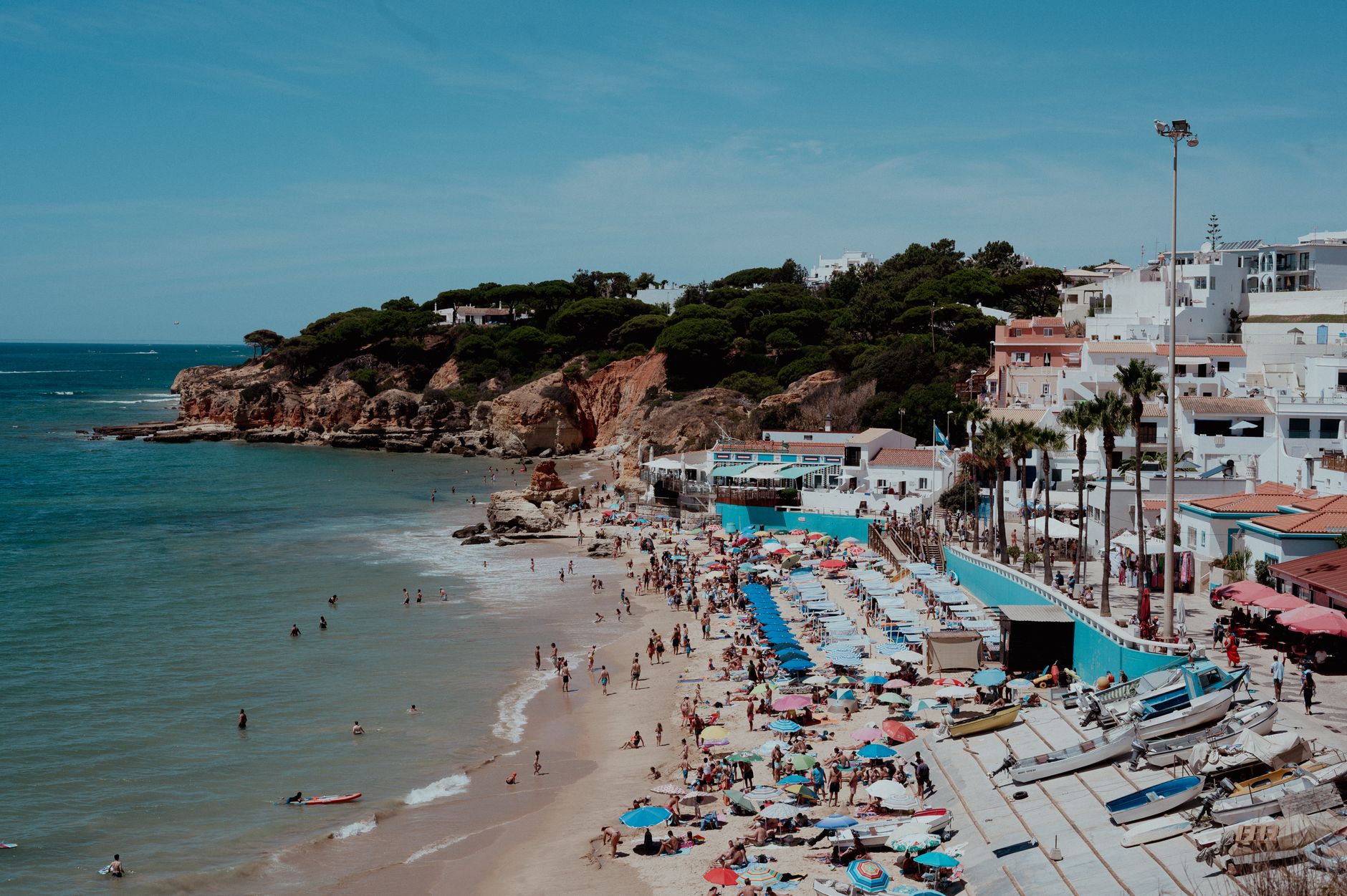
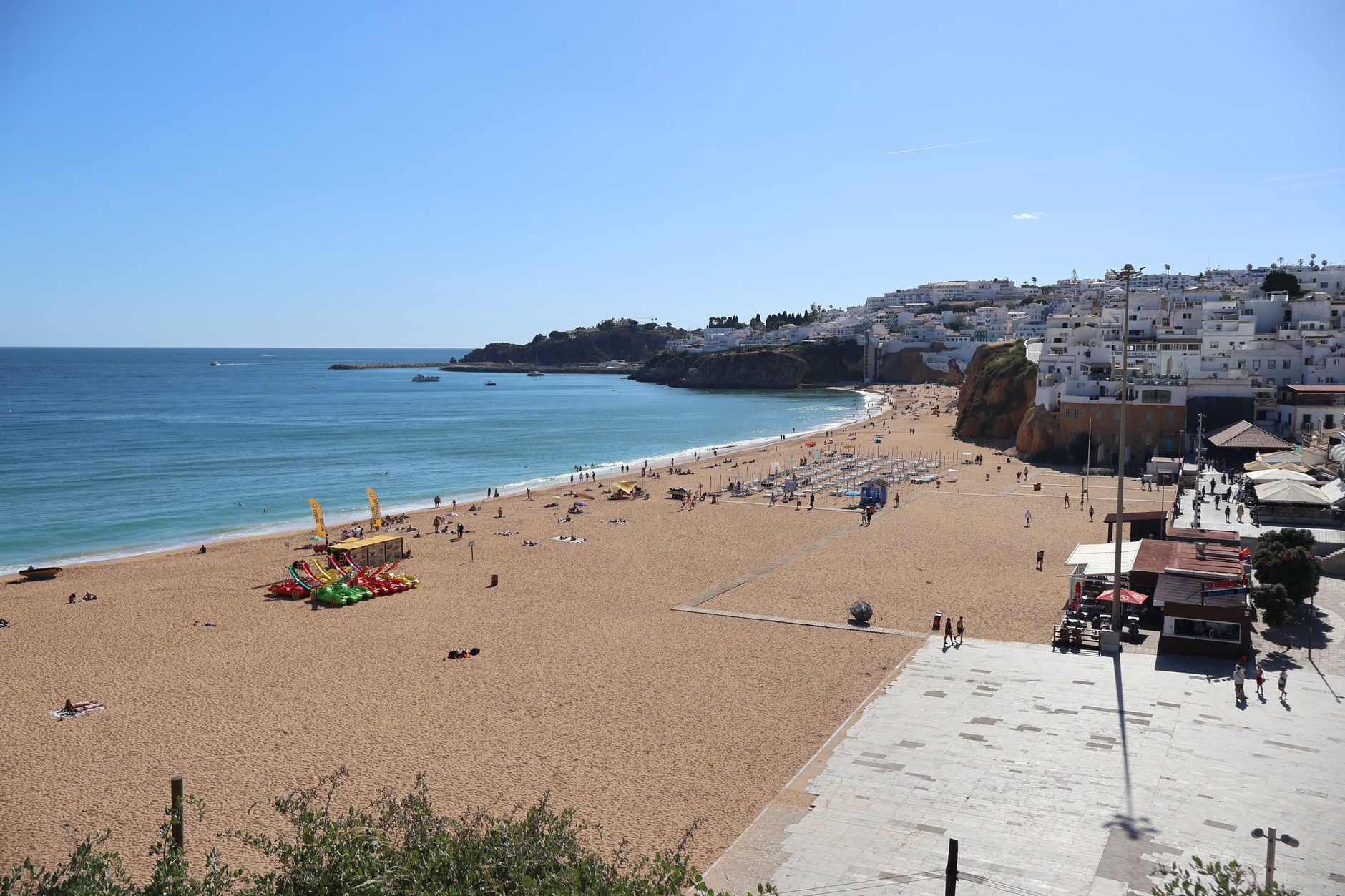
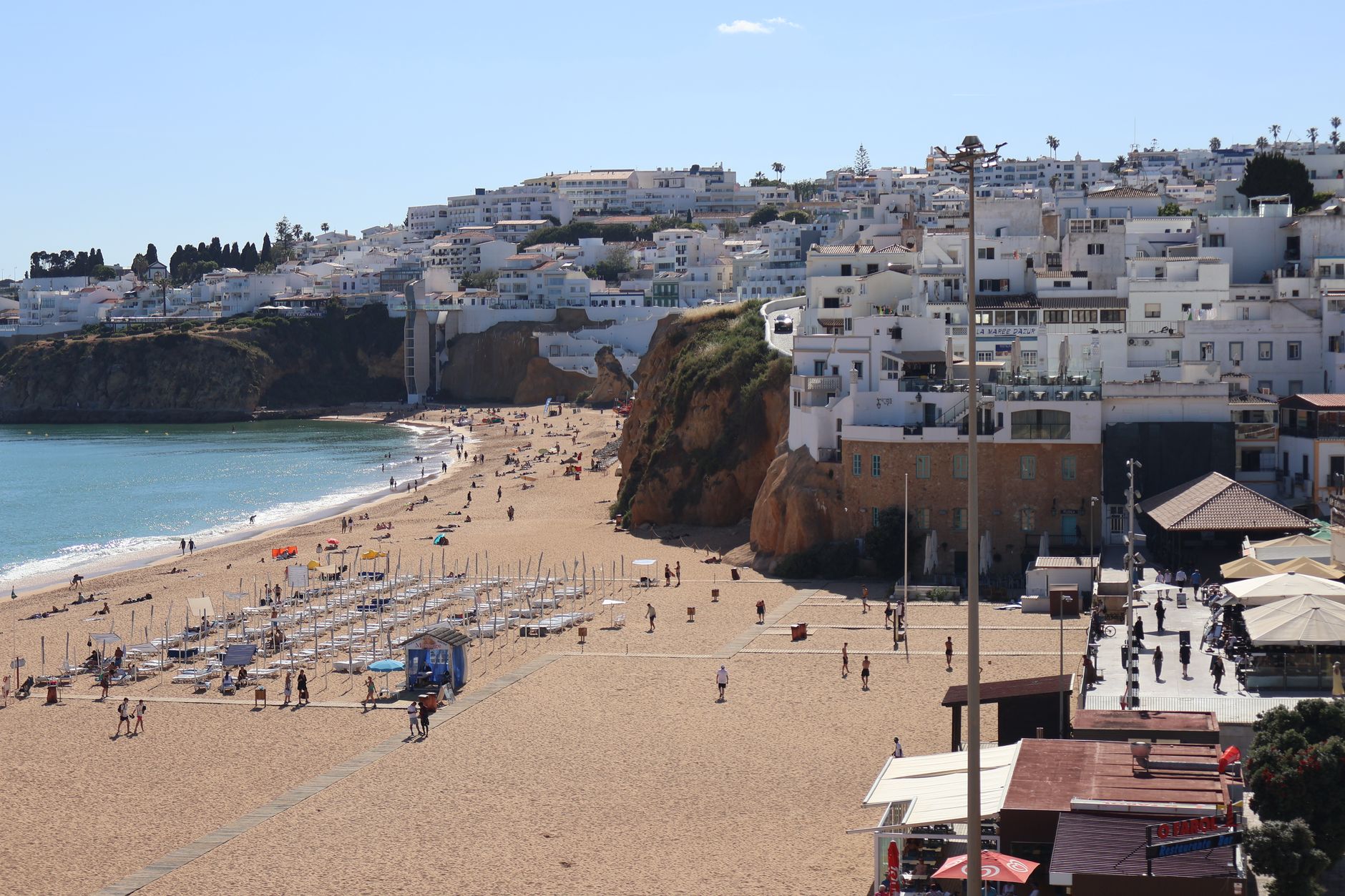
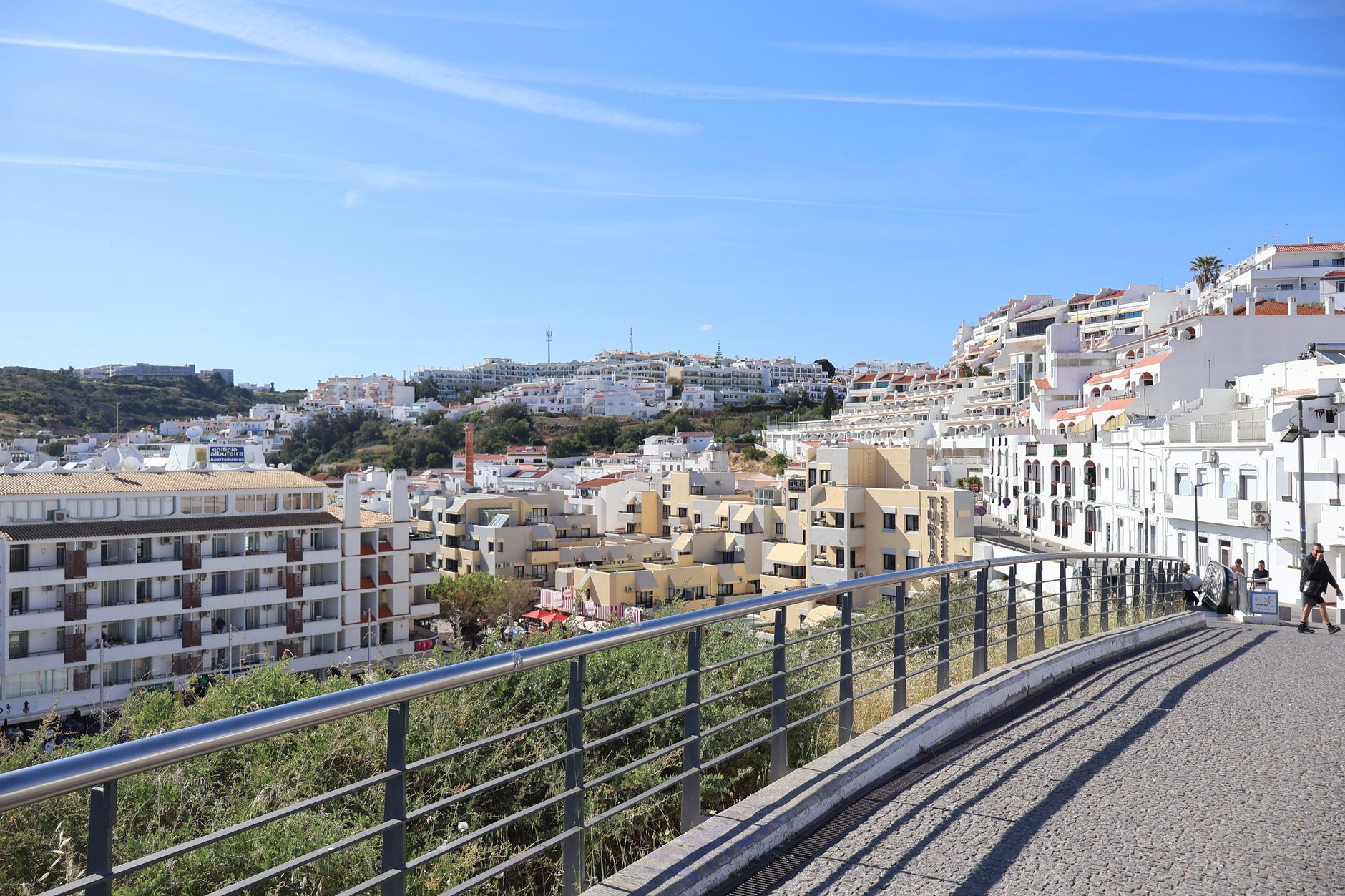
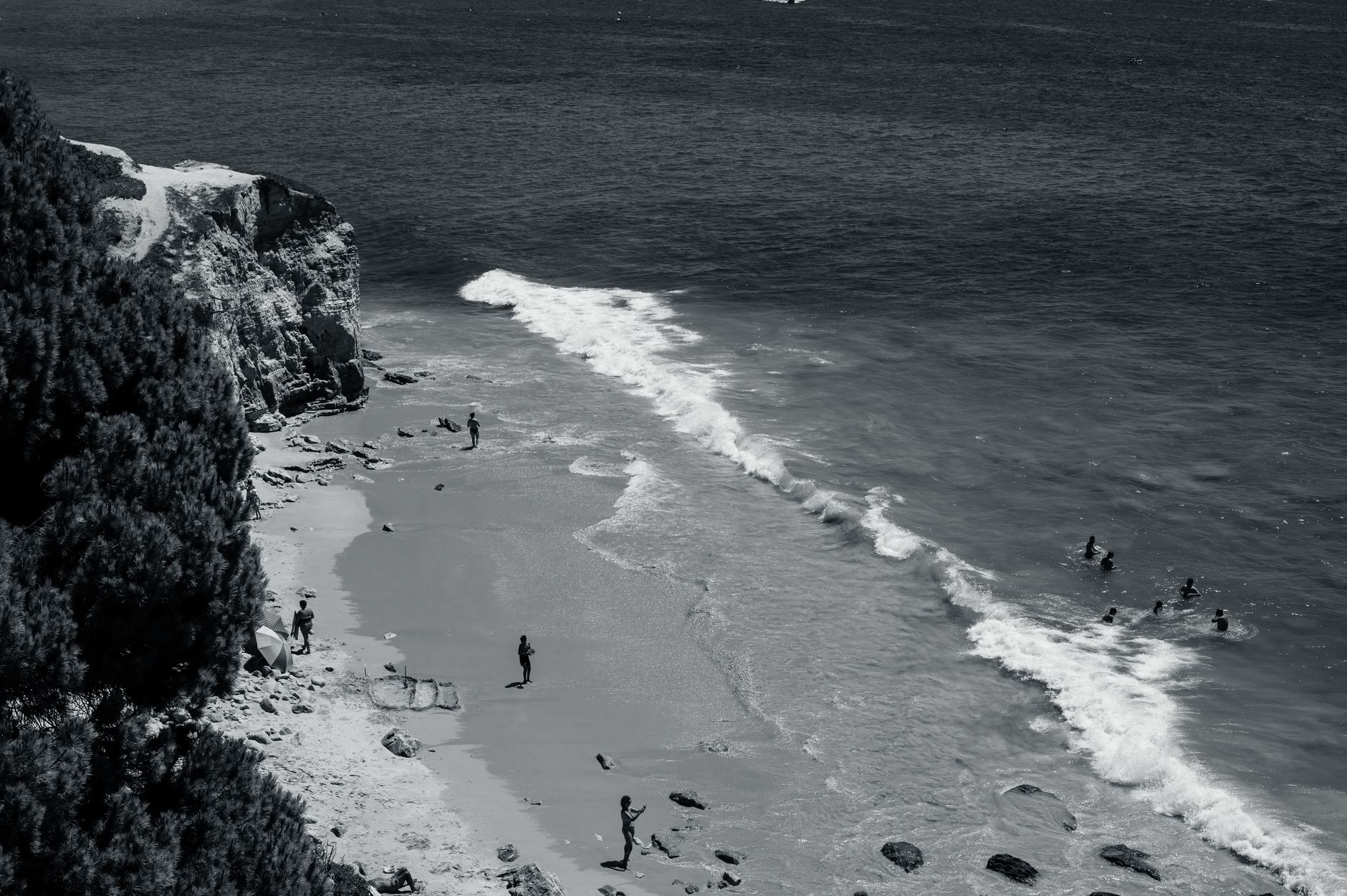
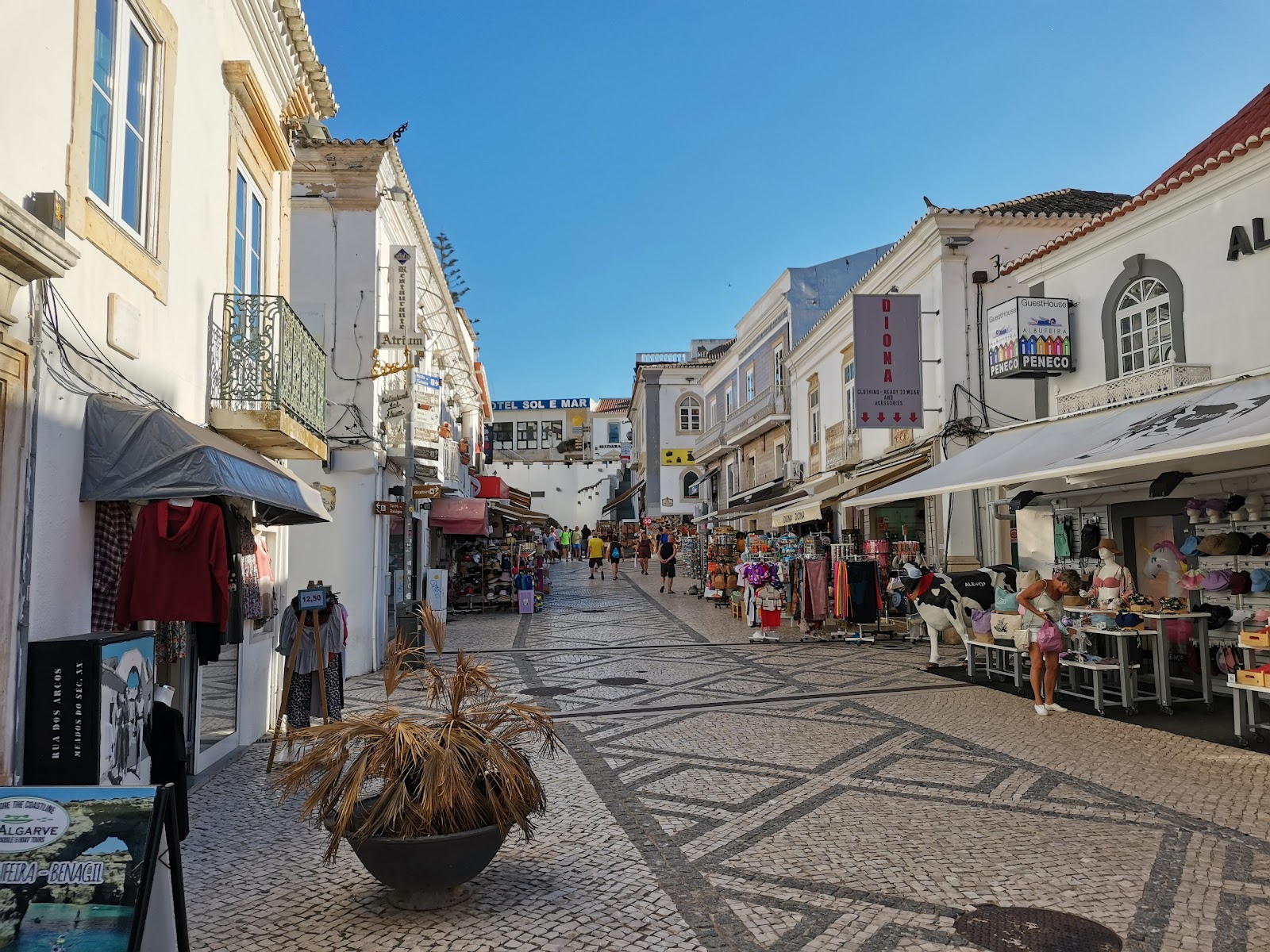
The tunnel through the old town wall drops you onto a clifftop terrace above Praia dos Pescadores, and for a moment the whitewashed lanes and the Atlantic below exist in the same breath. That view is Albufeira's oldest argument for itself — the one that predates the marina, the resort hotels, the summer crowds that double the population overnight.
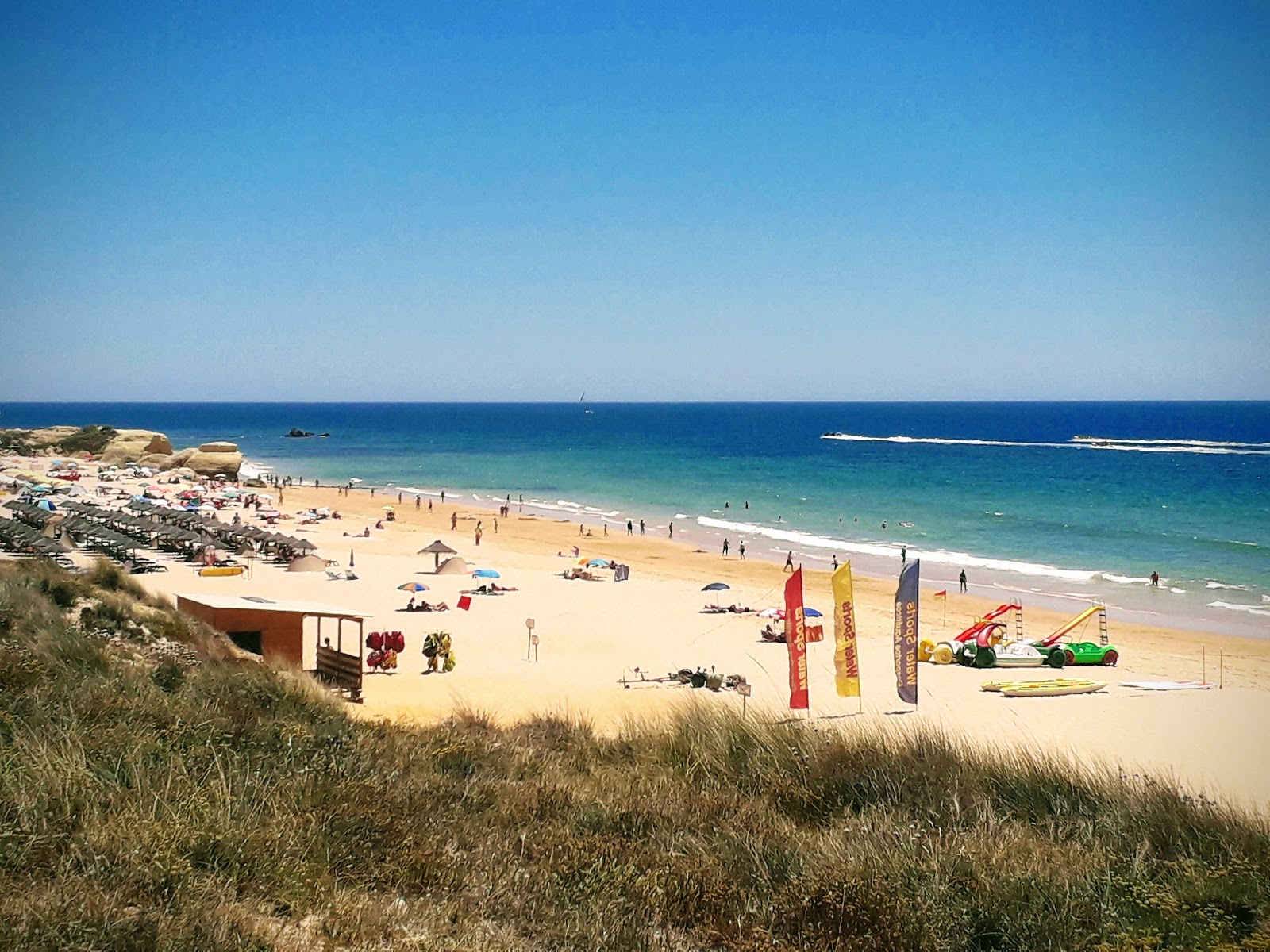
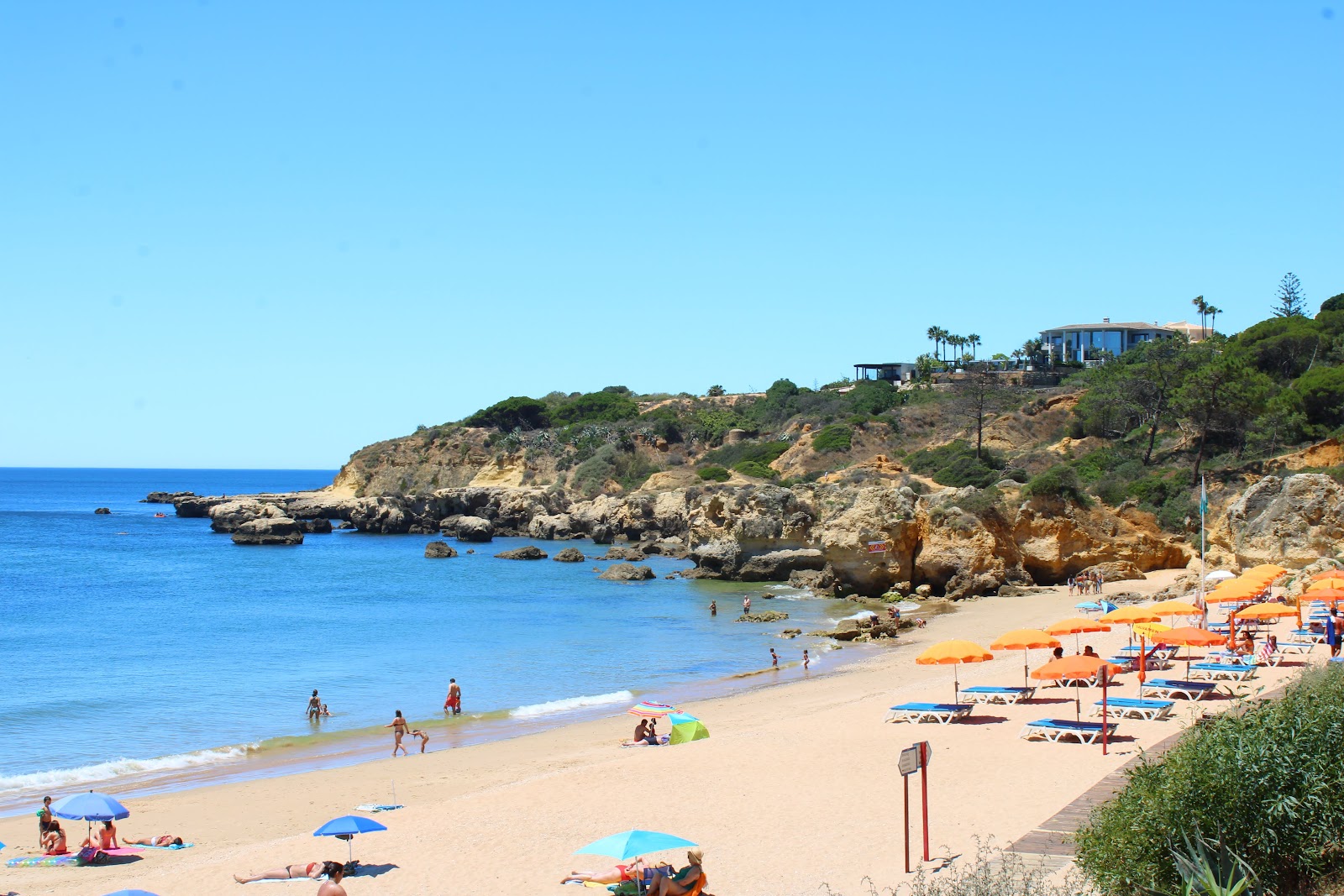
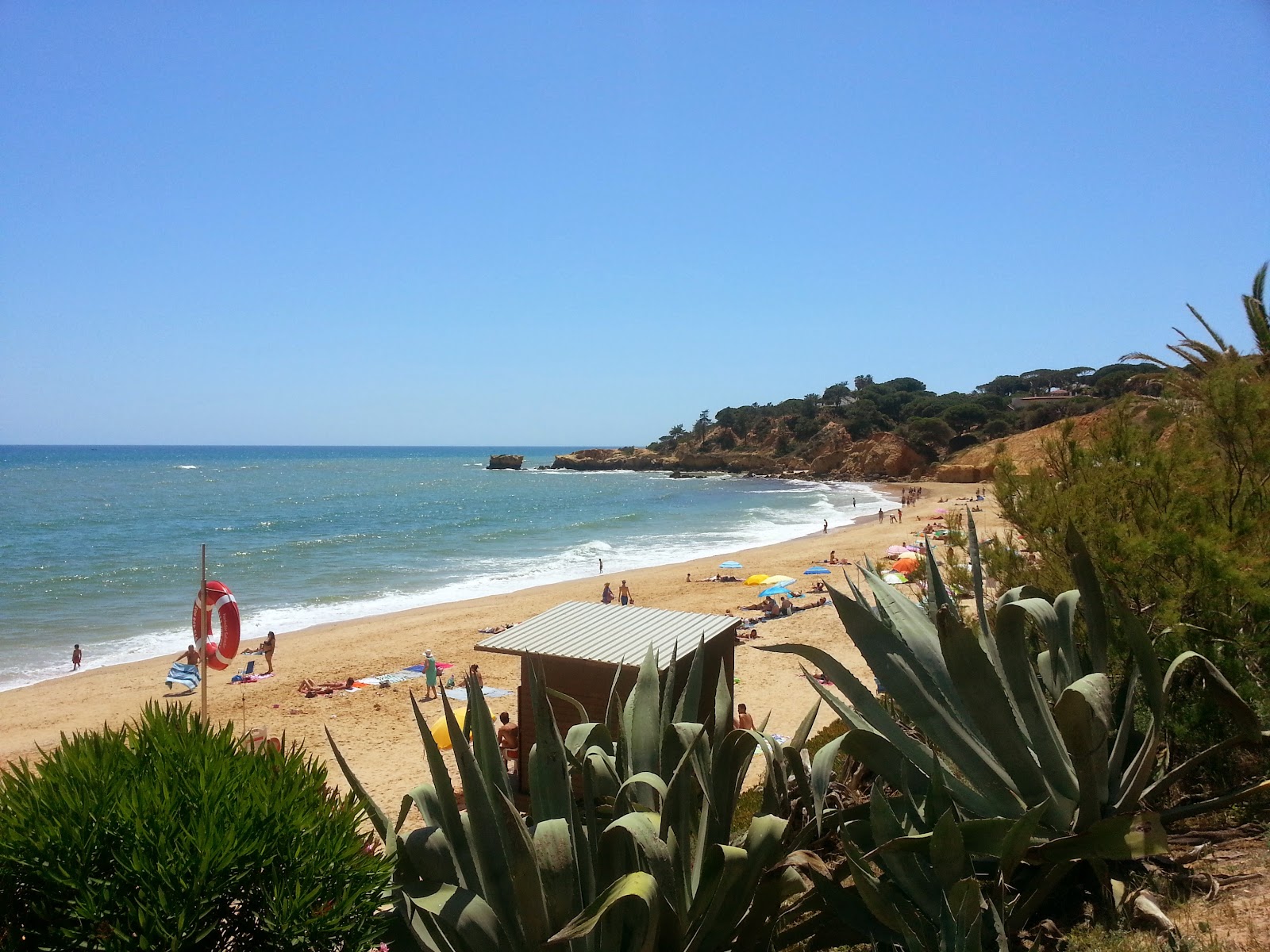
Albufeira divides cleanly between two versions of itself: the compact old town on the headland, where the Archaeological Museum holds a Neolithic vase dated to 5000 BC, and the coastal sprawl that took hold after the 1960s. Both are real. Which one you spend time in is largely up to you.
💛 What travellers fall for
People who come back tend to time it for September — the sea is still warm, the queues at the old town bakeries are manageable, and the light on the cliff faces turns a particular amber by six in the evening. The tourist train between the old town and Areias São João, at €2.50 a ride, saves more legwork than it looks like it should.
Experiences you don't want to miss



Deals in Albufeira
Book directly at the provider
How Albufeira came to be
The Romans knew this place as Baltum. In the 8th century the Moors renamed it Al-Buhera — Castle on the Sea — and the name stuck even after King Afonso III took the town in 1249. Legend holds that a group of Moors escaped the conquest through a sea cave, the Gruta do Xorino, still visible on the eastern headland. King Manuel I granted Albufeira its charter on 20 August 1504, a date still marked as a local holiday.
The 1755 earthquake and the ten-metre tsunami that followed it erased most of what had been built. The Igreja Matriz de Nossa Senhora da Conceição, finished in 1800 in Neoclassical style, rose on the site of a mosque the earthquake had destroyed. Albufeira spent the next two centuries as a quiet fishing town before tourism arrived in the 1960s and the city designation followed in 1986.
Who and what shaped it
People who shaped it
Landmark buildings
See Albufeira in motion
Plan your visit
On the map
When to go
July and August are hot and virtually rain-free, with temperatures reaching 33°C and around twelve hours of sun a day. Spring and autumn settle into the low-to-mid twenties — comfortable for walking the old town without shade-hunting every few minutes. Winter days are mild at 15–17°C, though evenings cool off sharply and many seasonal businesses close down.
Right now
↡ Attractions



Background & history adapted from Wikipedia (CC BY-SA) · specs from Wikidata (CC0) · weather from Open-Meteo · map data © OpenStreetMap contributors · photos from Wikimedia Commons / Unsplash with per-image credit. No third-party reviews or social posts reproduced.