
Praia dos Pescadores (Fishermen's Beach)

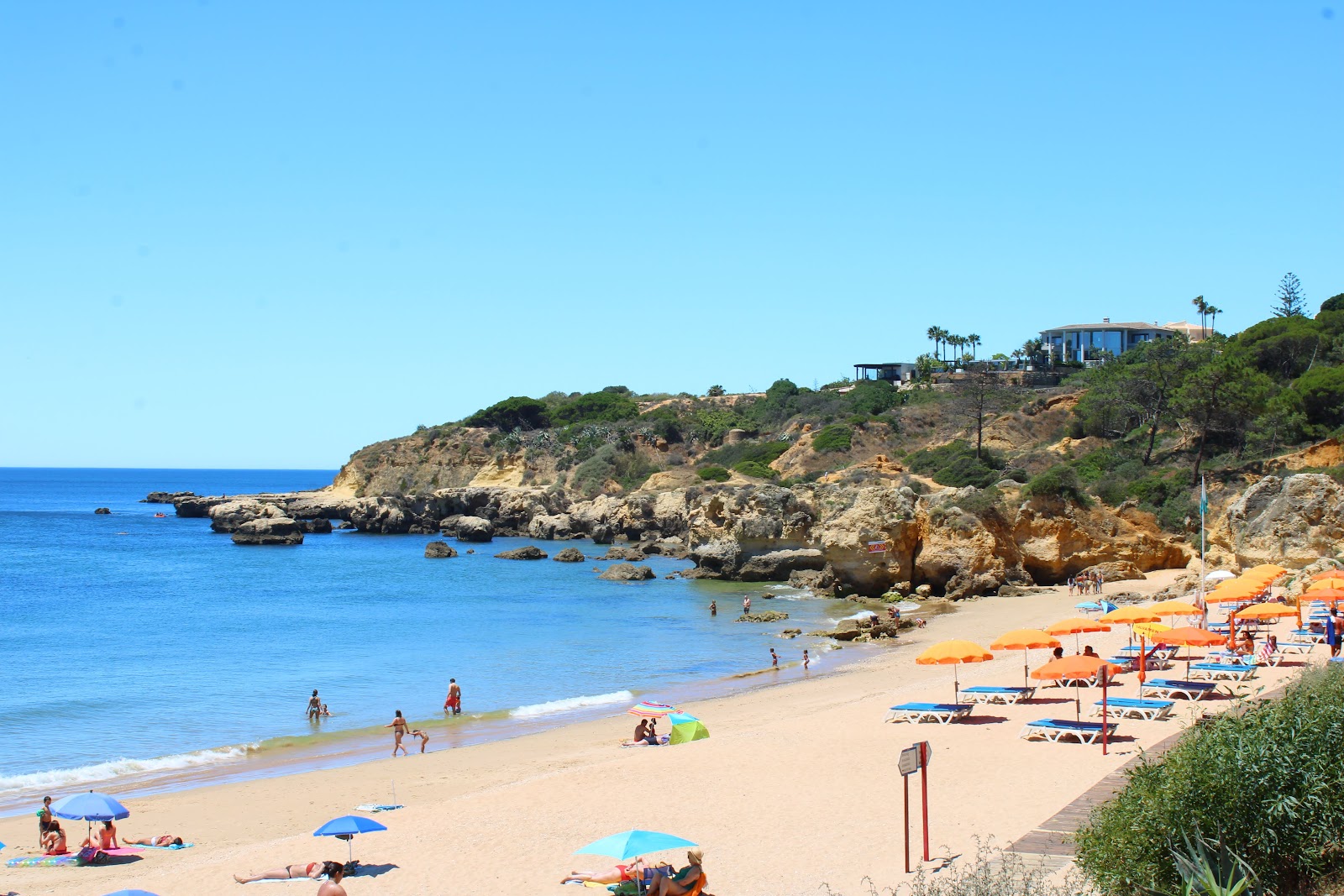
The name is still accurate, even if the boats are long gone. Praia dos Pescadores sits at the foot of Albufeira's old quarter — 225 metres of fine gold sand backed by a tight amphitheatre of whitewashed houses that belonged, for generations, to the fishing families of Bairro dos Pescadores. Oxen once hauled boats up this beach; a tractor took over in the twentieth century; now sun loungers occupy the same stretch of shore.
What makes it different from the other beaches strung along this coast is the way the town folds down to meet it. You arrive through a tunnel cut into the cliff, or by outdoor escalator from the bluff above, or via a panoramic lift — and suddenly you're on sand, with seafood restaurants at your back and the Atlantic ahead.

💛 What travellers fall for
People who come back tend to eat at the western end of the beach, where the restaurants lean hard into whatever came off the boats that morning — not this beach's boats anymore, but the marina's catch still lands on these menus. The tunnel from the old town is worth using at least once: it's a genuinely odd way to arrive at a beach.
The story behind Praia dos Pescadores (Fishermen's Beach)
Long before Albufeira had a marina, this beach was the town's working waterfront. Its fishing history reaches back to Roman times, and the pattern held for centuries: boats dragged ashore by oxen, nets spread out to dry on the sand, the day's catch carried in baskets to the nearby fish auction. In the twentieth century the oxen gave way to a tractor, but the rhythm of the place stayed the same.
When the new marina was built west of town, the fishing boats relocated and the auction fell quiet. The beach shifted gradually into its current life as Albufeira's most central stretch of coast. It has also become the town's New Year focal point — a temporary stage goes up on Largo 25 de Abril each December, and in 2009 UB40 played to the crowd gathered there.

Good to know
Access is free and genuinely easy: tunnel from the old town, escalator from Bairro dos Pescadores, or lift from the bluff. Parking sits either at cliff-top or beach level on Avenida 25 de Abril. Dogs aren't permitted. Lifeguards patrol in summer; wheelchair-adapted equipment is available on site.
June through September brings up to twelve hours of daily sun and almost no rain; sea temperatures peak at around 21°C in August and September. Shoulder months — April, May, October — are cooler and quieter, with comfortable warmth and fewer people on the sand. Winter days are mild by northern European standards, averaging 15–17°C, though December and January bring the year's highest rainfall.
Where is Praia dos Pescadores (Fishermen's Beach)?
More tickets & tours for Praia dos Pescadores (Fishermen's Beach)
Book directly at the provider
What travellers say about Praia dos Pescadores (Fishermen's Beach)
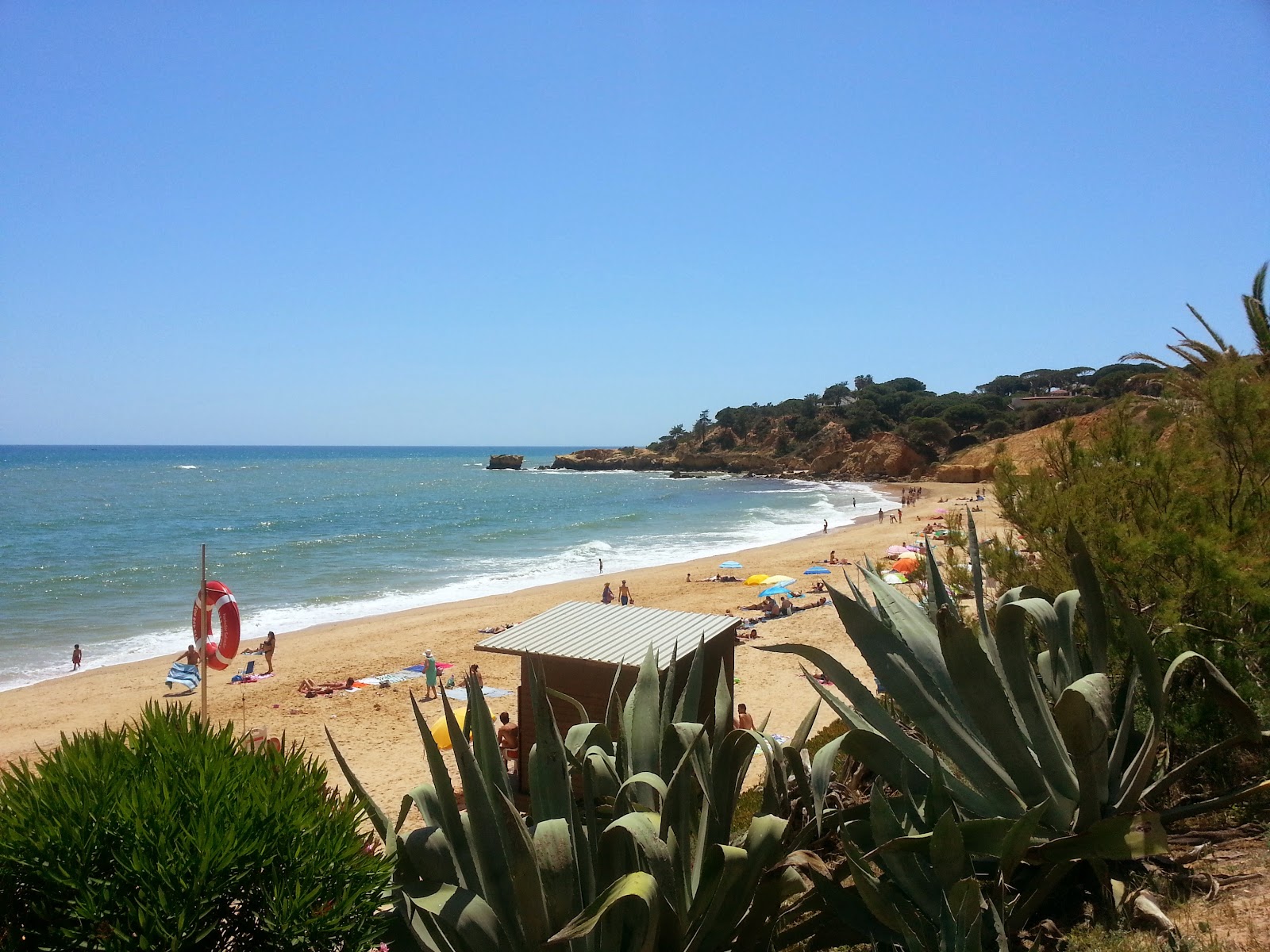
very nice beach large area easy to find a space to setup your blanket to enjoy the sun and scenery great beach for shell hunting
Me and the Mrs came here for the day after a heavy night in the town. The vibe is chilled, with not many children. You can purchase sun 🌞 lounges for 10 euros each per day or bring a towel and and relax on the sand. Around 11 o'clock ish waiters from the bars and restaurants on the sea front start to come down down and take your orders for Drinks 🍸 and Food with average prices to the town. The food is Hot and the Drinks are really chilled, perfect to enjoy when doing a spot of sun bathing. The beach ⛱️ is clean and well maintained and is ideal for people who like to go on walks along the seas edge.
Overall good beach, sea is always very calm, good for swimming. During summer season you'll get a lot of people here so it might not be the most calm and quiet beach in Algarve. You also have a lot of people strolling around the beach selling beach towels, cakes, and beverages , which might be annoying or a good thing for you. I also found the beach a little dirty (a lot of cigarette butts).
A beautiful beach located at Armação de Pêra with many good restaurants specialized in dishes of fish. But, pay attention for the working hour of the restaurants in Armação de Pêra 'cause they open from 12:00 to 15:00 and reopen at 18:30! You can find areas for rent beach stuffs for about 30 euros.
Amazing beach. Walked down from the waterfront restaurant after a great lunch
More of Albufeira
Discover where to stay, what to do and the best deals for your trip.
Explore Albufeira →More attractions in Albufeira
All of Albufeira →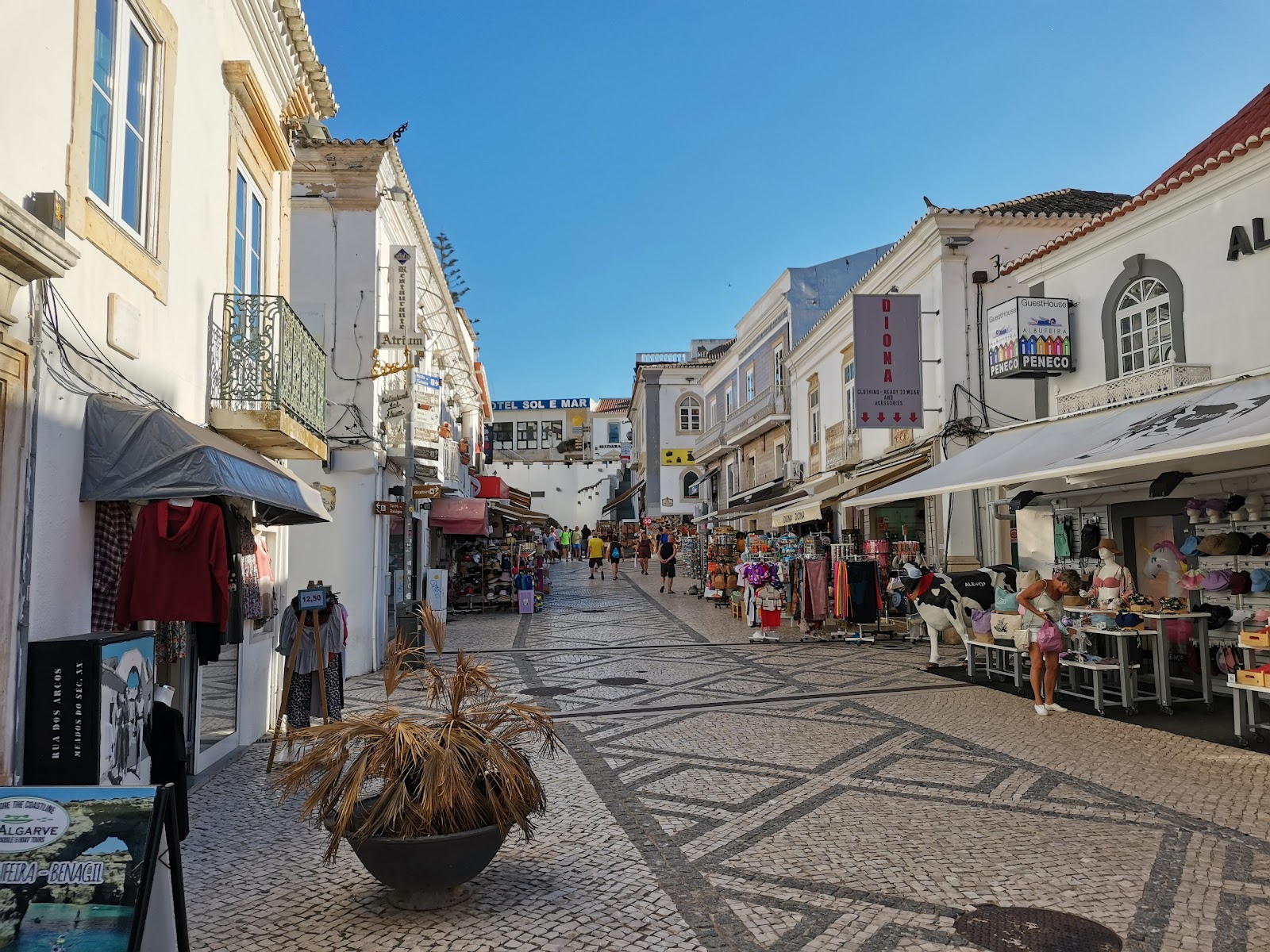
Background adapted from Wikipedia (CC BY-SA) · map data © OpenStreetMap contributors · ratings & place photos via Google · other photos with per-image credit. Ticket links may earn us a commission at no extra cost to you.