
Albufeira Old Town (Cidade Velha)
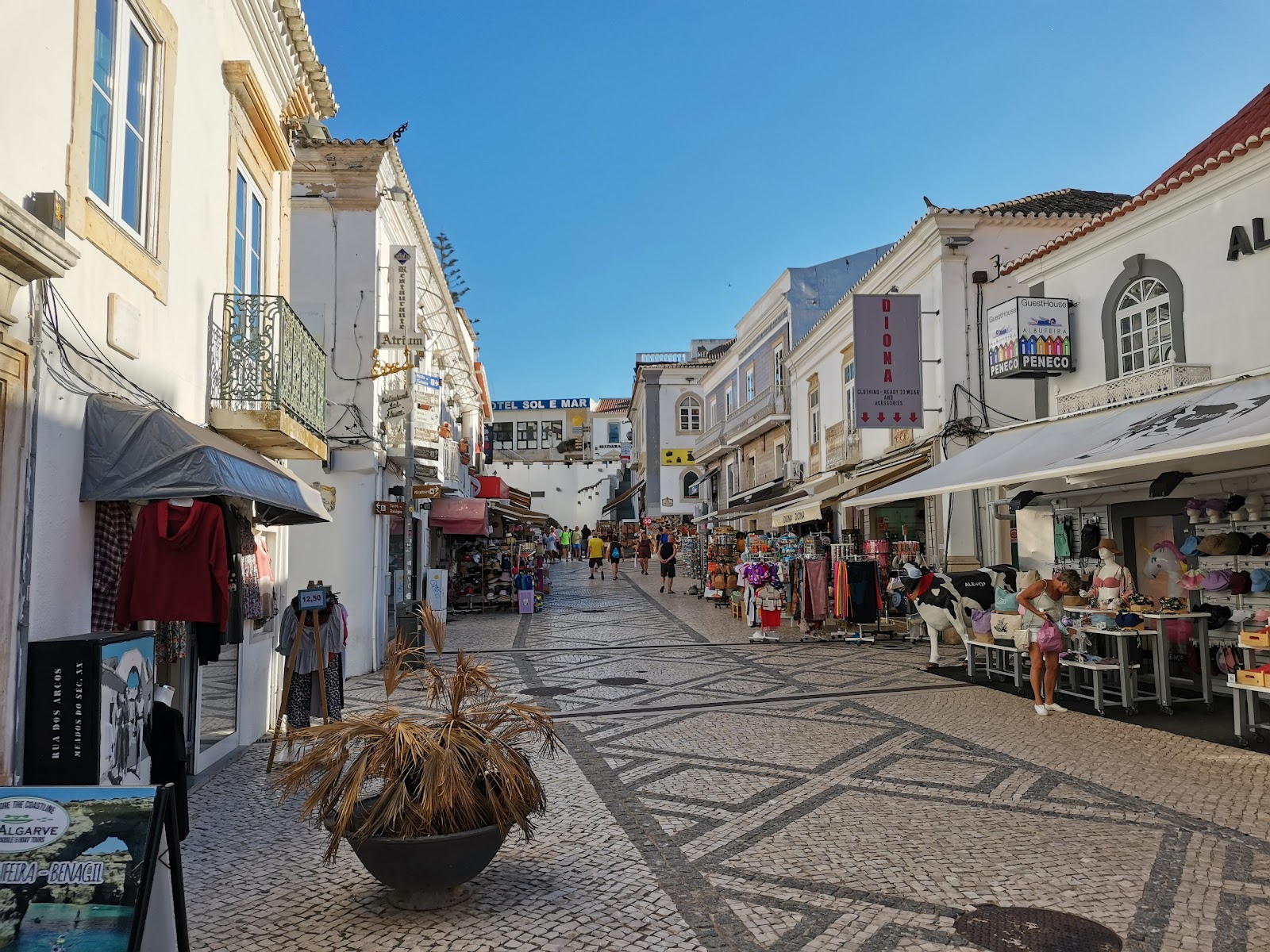
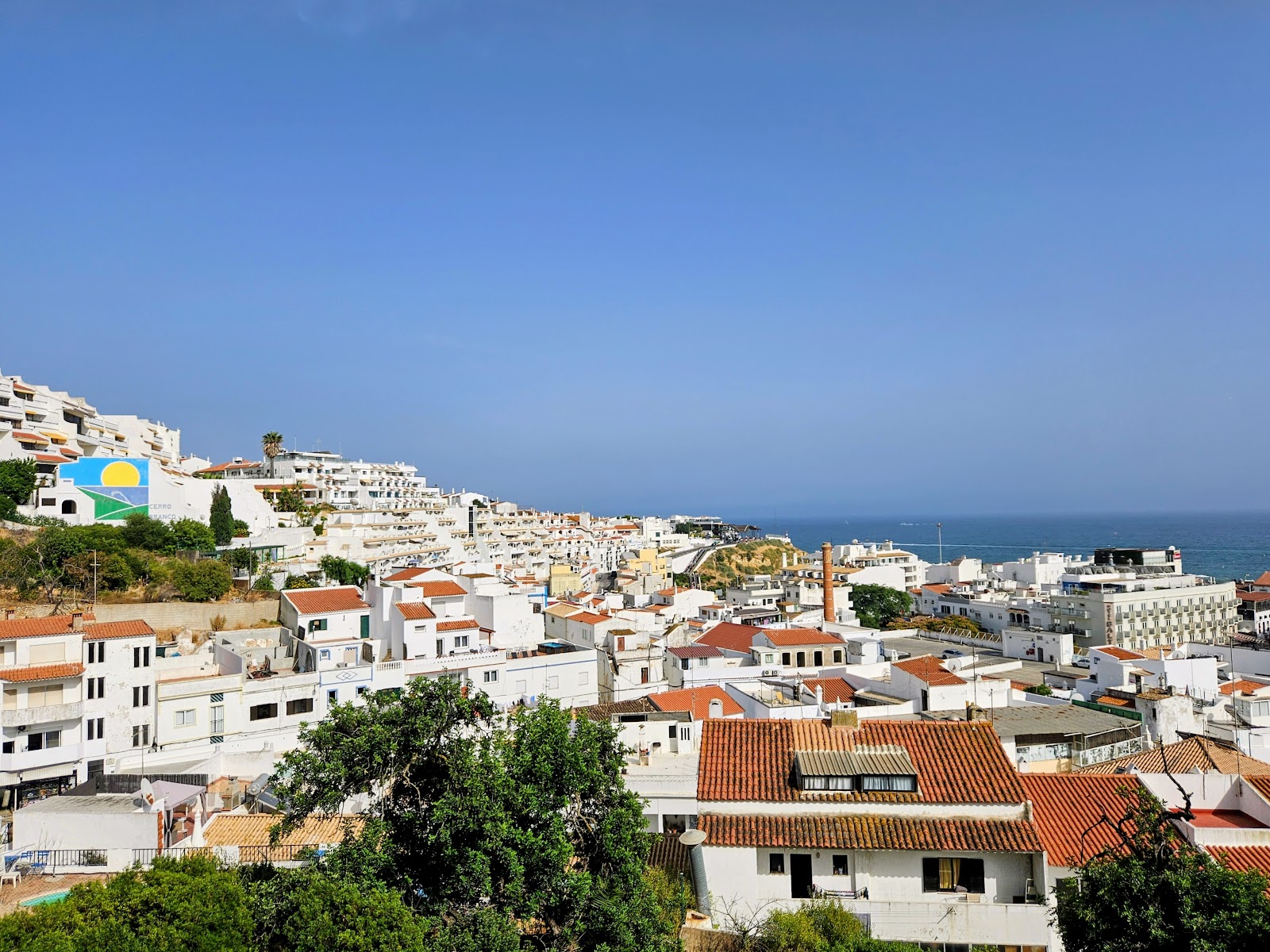
The name gives it away before you even arrive: al-Buħayra, the lagoon, is what the Moors called this place, and the word stuck through centuries of conquest and earthquake and reinvention. Walk into Albufeira's Old Town and you're stepping into a warren of whitewashed lanes that somehow survived all of that — or rather, were rebuilt after the catastrophic 1755 earthquake levelled nearly everything, leaving only 27 ruined houses standing.
Today the Cidade Velha sits quietly above its beaches, clock tower visible from most of the main square, churches around every other corner. It is not large. That is part of the point.
💛 What travellers fall for
People who come back tend to seek out the Municipal Archaeological Museum early, before the square fills up — the Neolithic vase alone, 7,000 years old, stops most visitors cold. The Thursday free guided tour is worth booking two days ahead via email; it covers ground you'd otherwise walk straight past.
The story behind Albufeira Old Town (Cidade Velha)
Romans established a settlement here they called Baltum. Early in the 8th century, forces from North Africa took the town and gave it the Arabic name al-Buħayra — the lagoon — which eventually became Albufeira. That era ended in 1249 when Afonso III's forces conquered the town; he donated the lands to the Order of Aviz the following year. King Manuel I formalised things with a royal charter on 20 August 1504.
Then came 1 November 1755. The Lisbon earthquake sent ten-metre waves into Albufeira, collapsing the parochial church and killing 227 people inside it. Across the town, only 27 buildings survived in any form. Almost everything you see today — the neoclassical Igreja Matriz built on the old church and castle-gate site, the Clock Tower adapted from a surviving medieval turret, the 18th-century churches of Sant'Ana and São Sebastião — rose from that near-total erasure.
Good to know
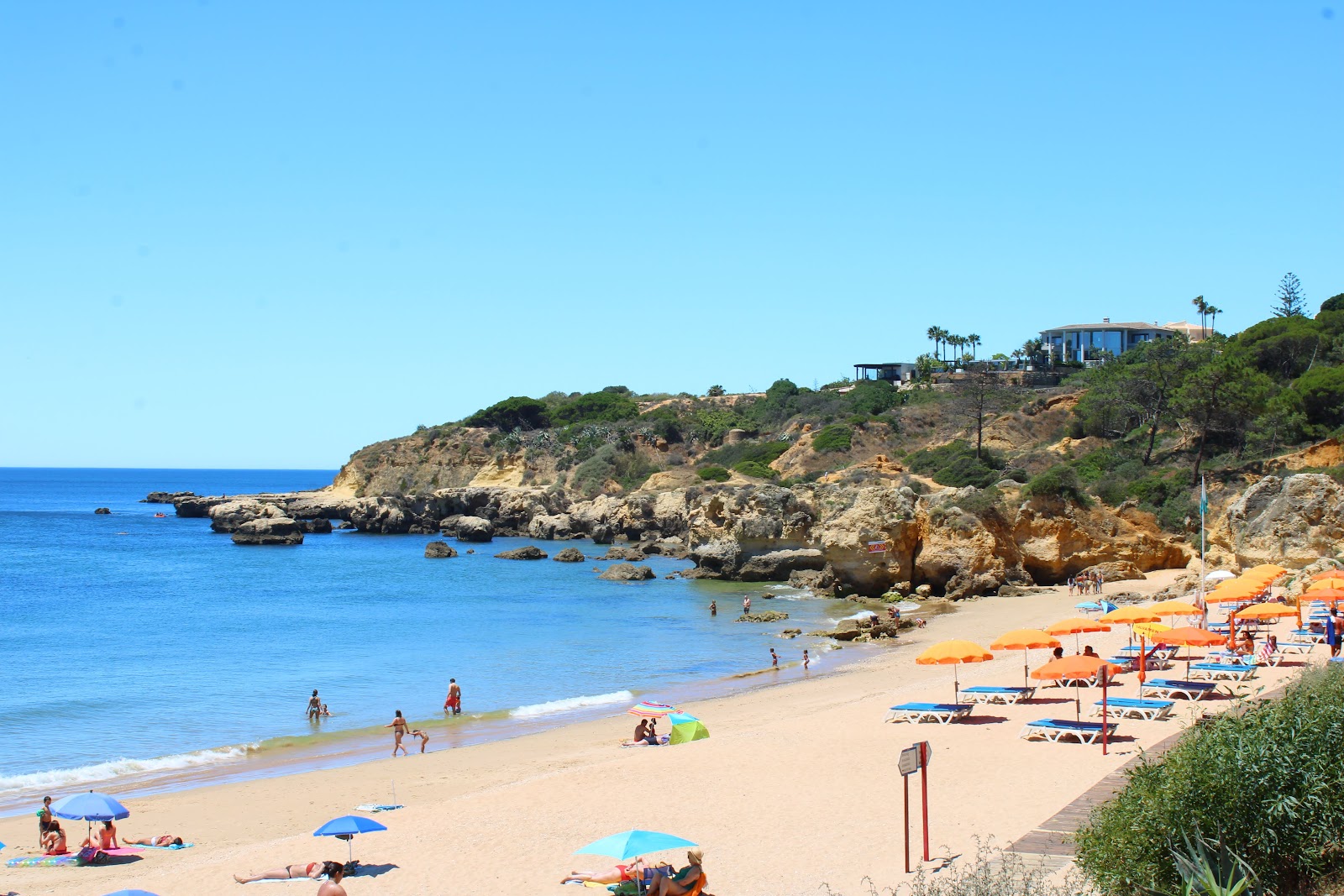
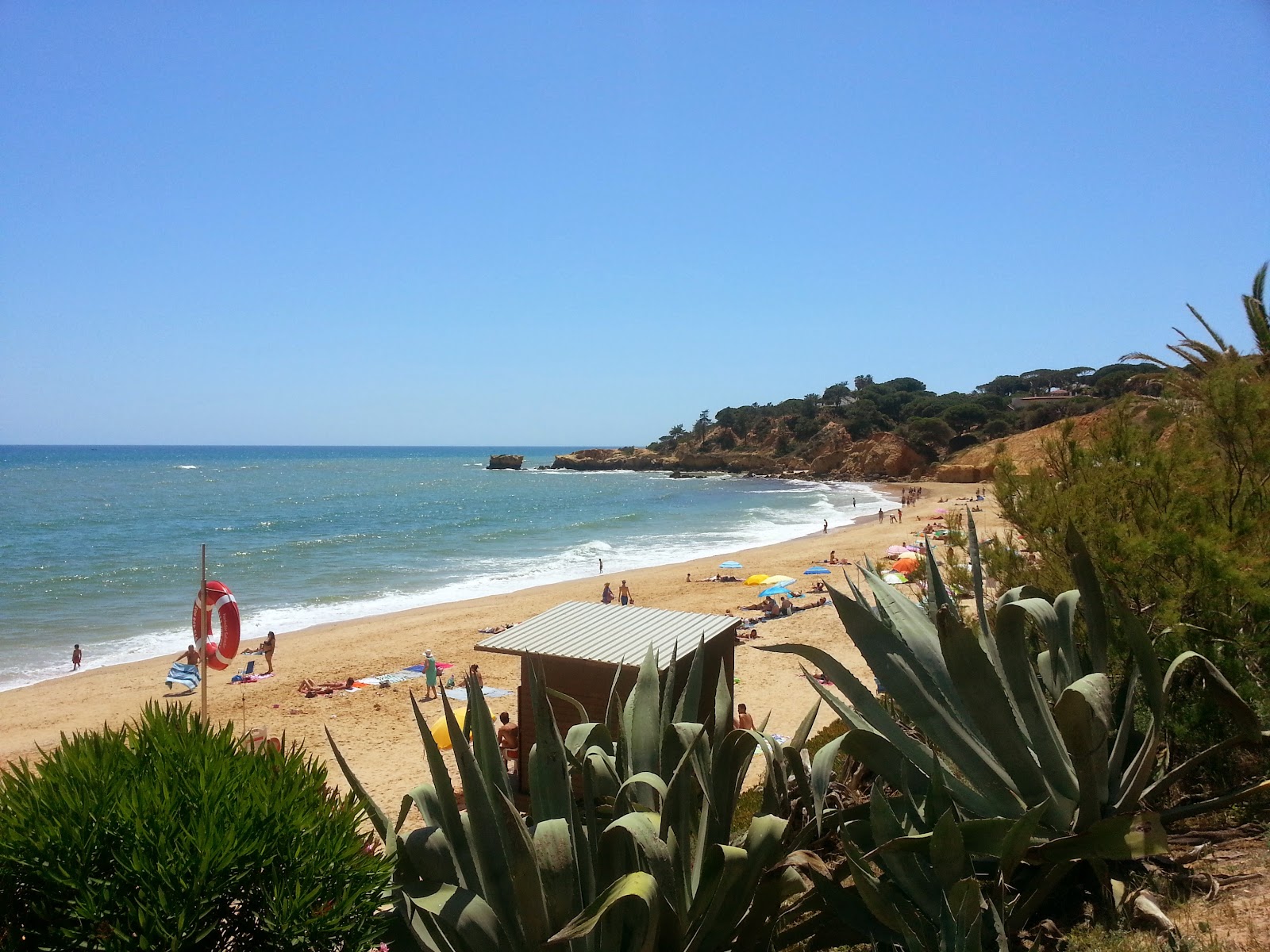
Leave the car in one of the paid lots on the outskirts — the centre is for walking. Giro bus route 3 runs every 30 minutes and connects the bus station, Old Town and marina. The beaches below are reached by tunnel, elevator or escalator from within the old quarter.
Summers are warm and dry, with July temperatures around 28°C — the Old Town's narrow lanes offer some shade, but midday can be fierce. Winter days sit between 15°C and 17°C, cool enough for unhurried walking without the summer crowds; nights drop to single figures, so bring a layer.
Where is Albufeira Old Town (Cidade Velha)?
More tickets & tours for Albufeira Old Town (Cidade Velha)
Book directly at the provider
What travellers say about Albufeira Old Town (Cidade Velha)
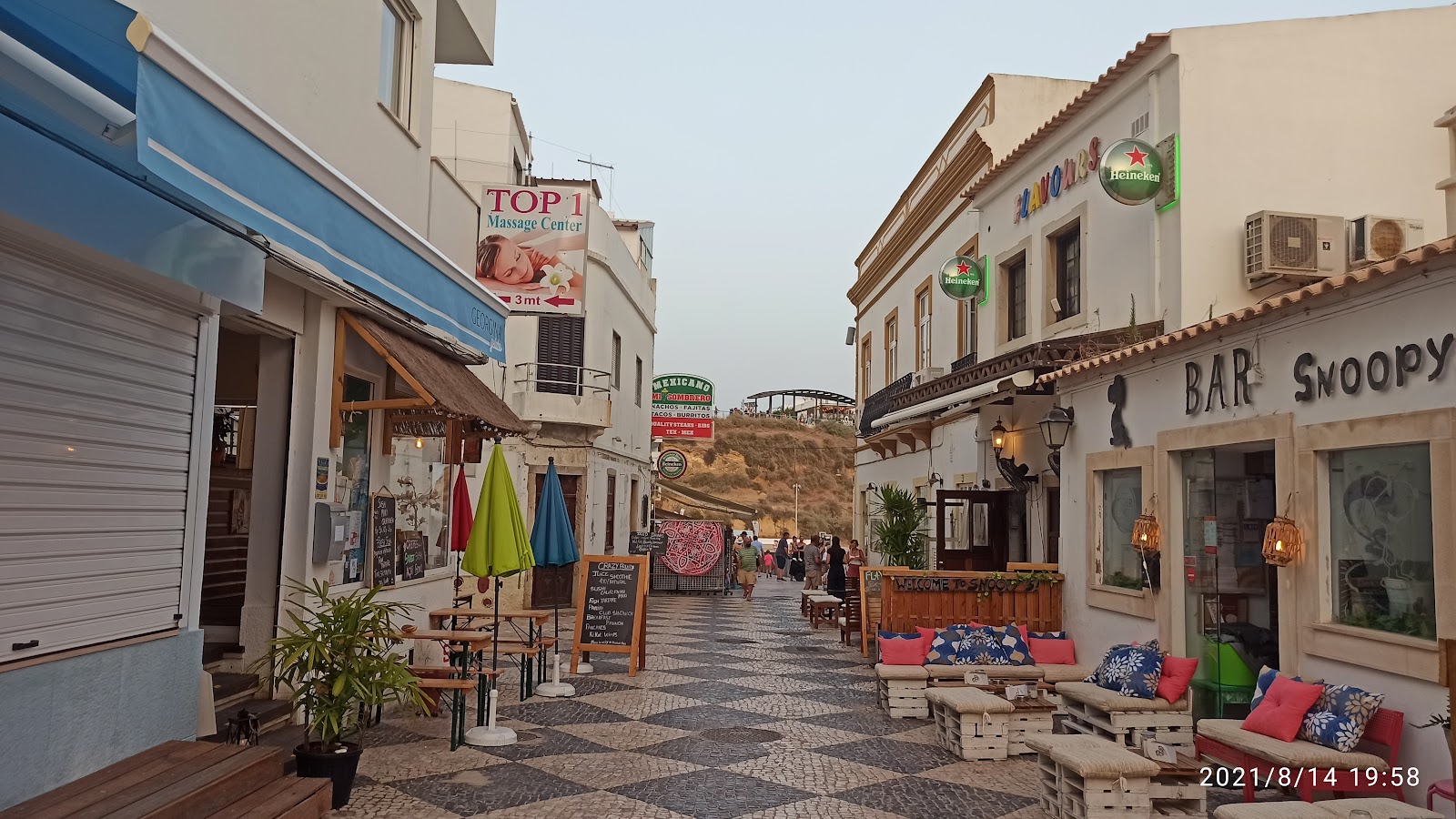
Here’s a polished and engaging Google Maps–style review for Old Town Albufeira: ⸻ Old Town Albufeira is an absolutely beautiful and lively place to explore. The narrow cobbled streets, whitewashed buildings, and colorful details create a charming, postcard-perfect atmosphere that feels both relaxed and vibrant. There are plenty of restaurants, cafés, and small shops, offering everything from local Portuguese food to international options. The food is delicious, and the hospitality is warm and welcoming wherever you go. The area has a great mix of vibes—you can enjoy a peaceful walk during the day, relax near the beach, and then experience a lively nightlife in the evening with music and energy all around. It’s also very family-friendly during the daytime, with open spaces, easy walking paths, and a safe environment. At night, it becomes more energetic, which is perfect if you enjoy a fun and social atmosphere. Overall, Old Town Albufeira is a must-visit destination with stunning views, great food, and a unique blend of relaxation and entertainment. Highly recommended for couples, families, and solo travelers alike!
The rating really depends on what you are looking for. While the beach and sea are nice, I did not find the surrounding beachfront buildings particularly attractive, and overall this was not my favorite destination in the Algarve. I generally enjoy destinations with green spaces, playgrounds for children, and clean, well-organized streets and buildings, which is not really what this area offers. Instead, it is a very tourist-oriented area with many souvenir shops, restaurants, and nightlife venues. Some parts can be quite noisy in the evenings, which may not be ideal if nightlife is not your thing. At night, it can be difficult to sleep due to loud music and people shouting in the streets.
The old town is lovely. The old town square especially. Then you have a short walk to the coastal area which has a beach with sunbeds for hire. The marina district is a little further on which is another area lively at night.
Absolutely rammed with bars/restaurants, sports bars. Gift shops galore, very child friendly as is all of Spain & Portugal. Gorgeous beach and warm sea. Take a sea trip dolphin watching, sea cave visiting or parasailing, the usual wayersports. The people are friendly. The old town comes a bit rowdy at night, but there's no trouble, just very friendly boisterous singing as the youngsters enjoy themselves
Quite a nice city to visit with a vast choice of bars and restaurants. I found it a mixed bag with some class areas and others with a touch of Benidorm in the air. The beaches are unspoiled, spotless and quiet in May. I can recommend Albufeira for all visitors, parking was great too with ample multi story parks and low prices.
More of Albufeira
Discover where to stay, what to do and the best deals for your trip.
Explore Albufeira →More attractions in Albufeira
All of Albufeira →

Background adapted from Wikipedia (CC BY-SA) · map data © OpenStreetMap contributors · ratings & place photos via Google · other photos with per-image credit. Ticket links may earn us a commission at no extra cost to you.