
Praia da Oura
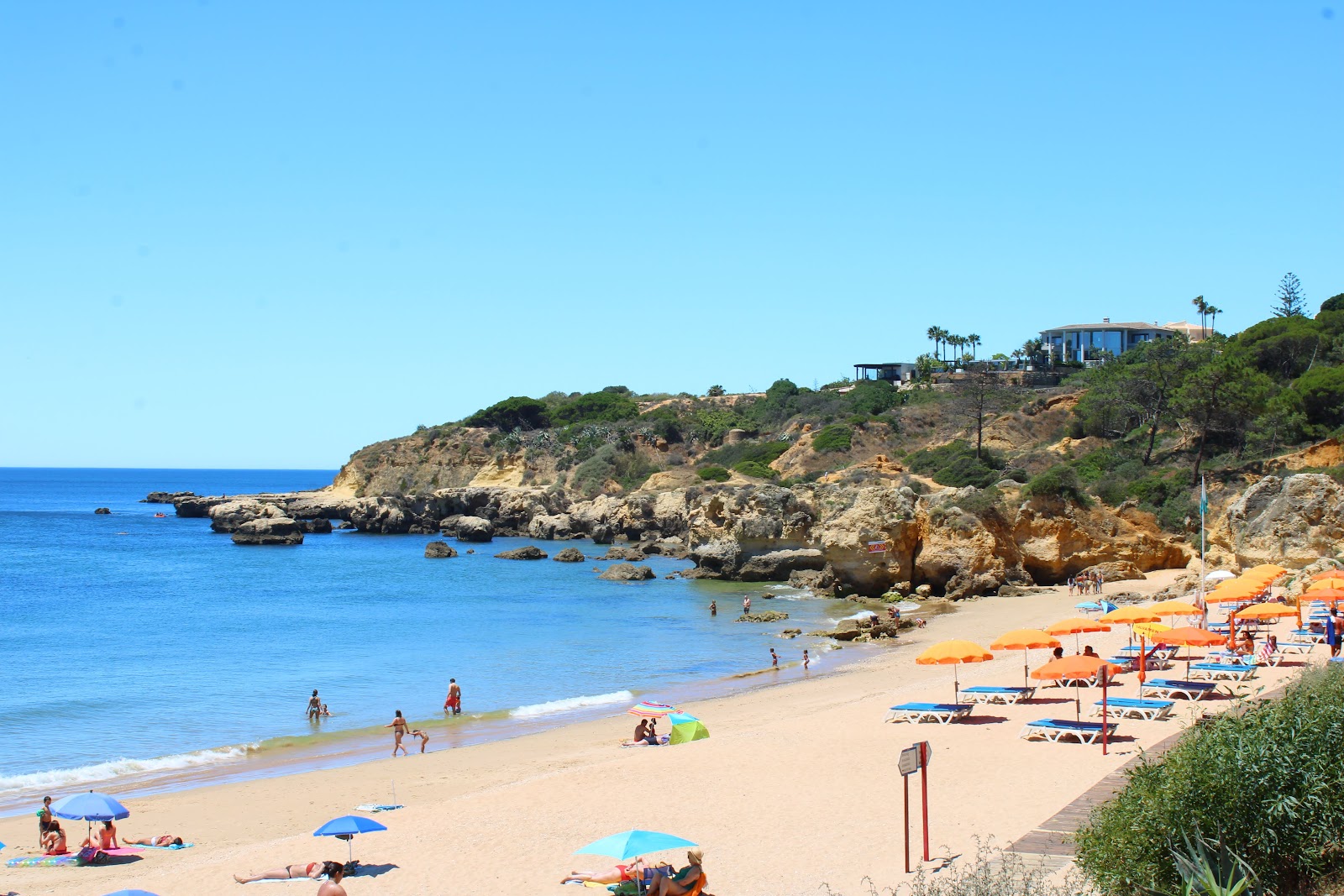
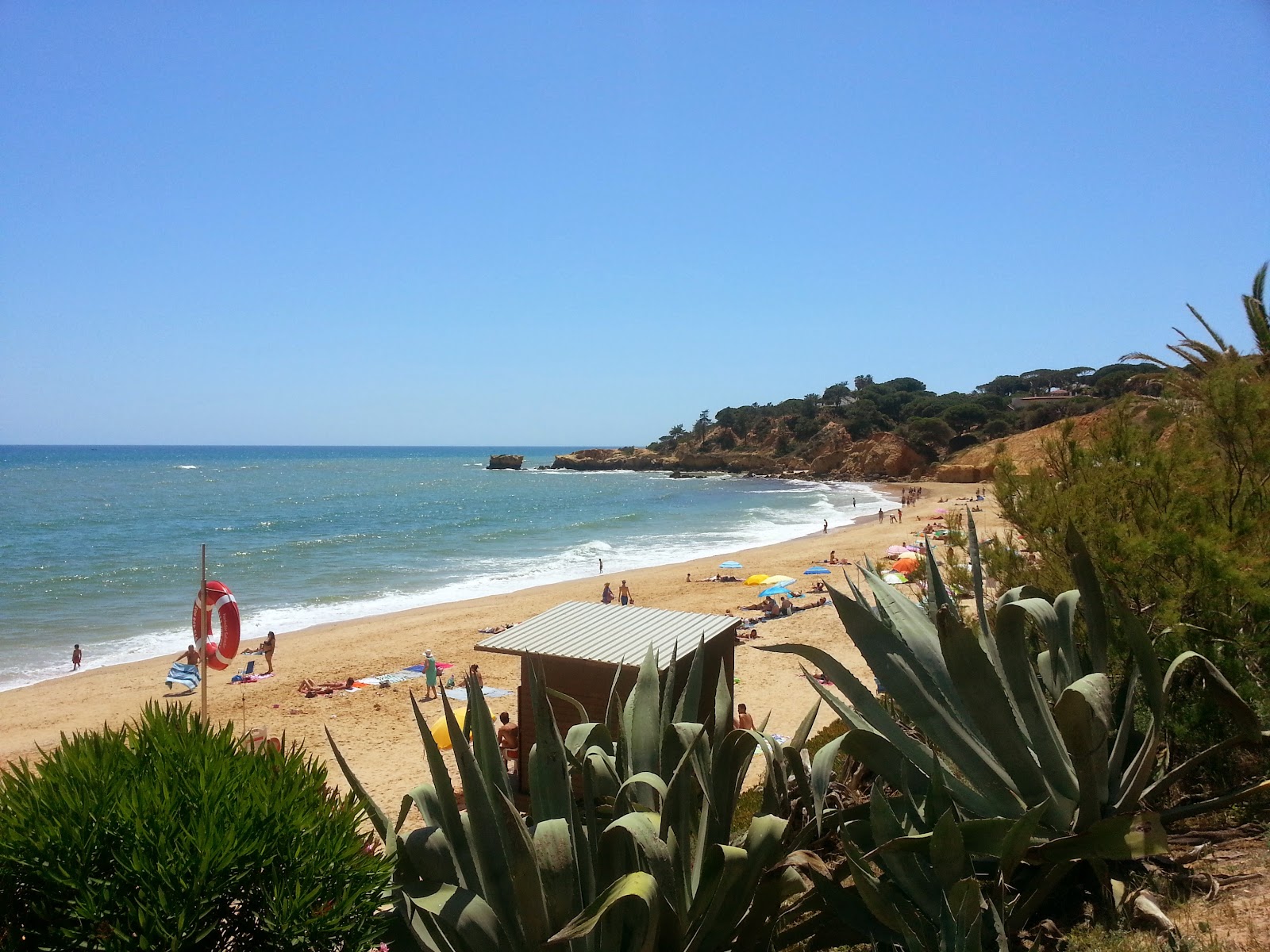
The descent to Praia da Oura is its own introduction. A steep path — locals call it Cardiac Hill — drops you from the bars and clubs of Avenida Sá Carneiro down to a wide crescent of sand that stretches nearly a kilometre between low sandstone cliffs. At the eastern end, the rock formations of Pedra dos Bicos rise above the shoreline, topped with pine and scrub meadow.
This is the beach that grew up alongside Albufeira's tourist industry, and it wears that history plainly. The central stretch fills fast in July and August with a largely British, Dutch and Scandinavian crowd. The eastern section, known locally as Praia dos Bicos, is quieter and carries fewer facilities — a useful fact to keep in your back pocket.
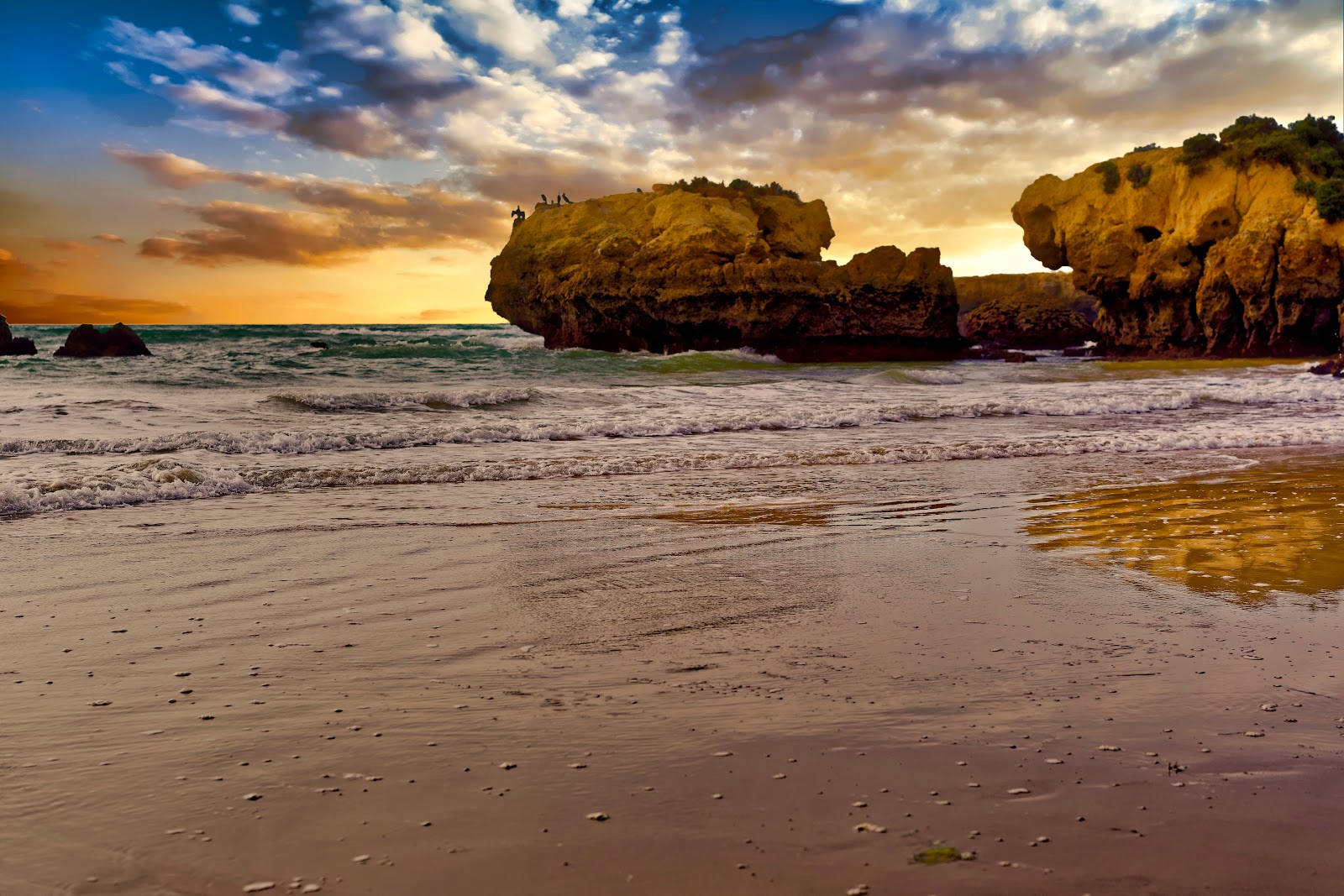
💛 What travellers fall for
People who come back tend to stake out the eastern end early, where the crowds thin and the cliffs give some afternoon shade. If the sea looks choppy near the middle of the beach, note the underwater rocks before you wade in. For a late drink, the bars on Rua Ramalho Ortigão get going from mid-afternoon and are a quieter alternative to the Strip above.
The story behind Praia da Oura
Praia da Oura sits in the neighbourhood of Areias de São João — Saint John's Sands — and it was here, rather than around the Old Town, that Albufeira's modern tourist infrastructure took root. Hotels and apartment blocks followed the sand, and the road above the beach, Avenida Sá Carneiro, became the spine of the resort's nightlife. Kiss, one of the Strip's anchor clubs, has been operating since 1981, giving some sense of when the transformation was in full swing.
The beach itself holds a Blue Flag designation within the Municipality of Albufeira. Claims of Roman-era use appear in some tourism material but remain unsubstantiated.
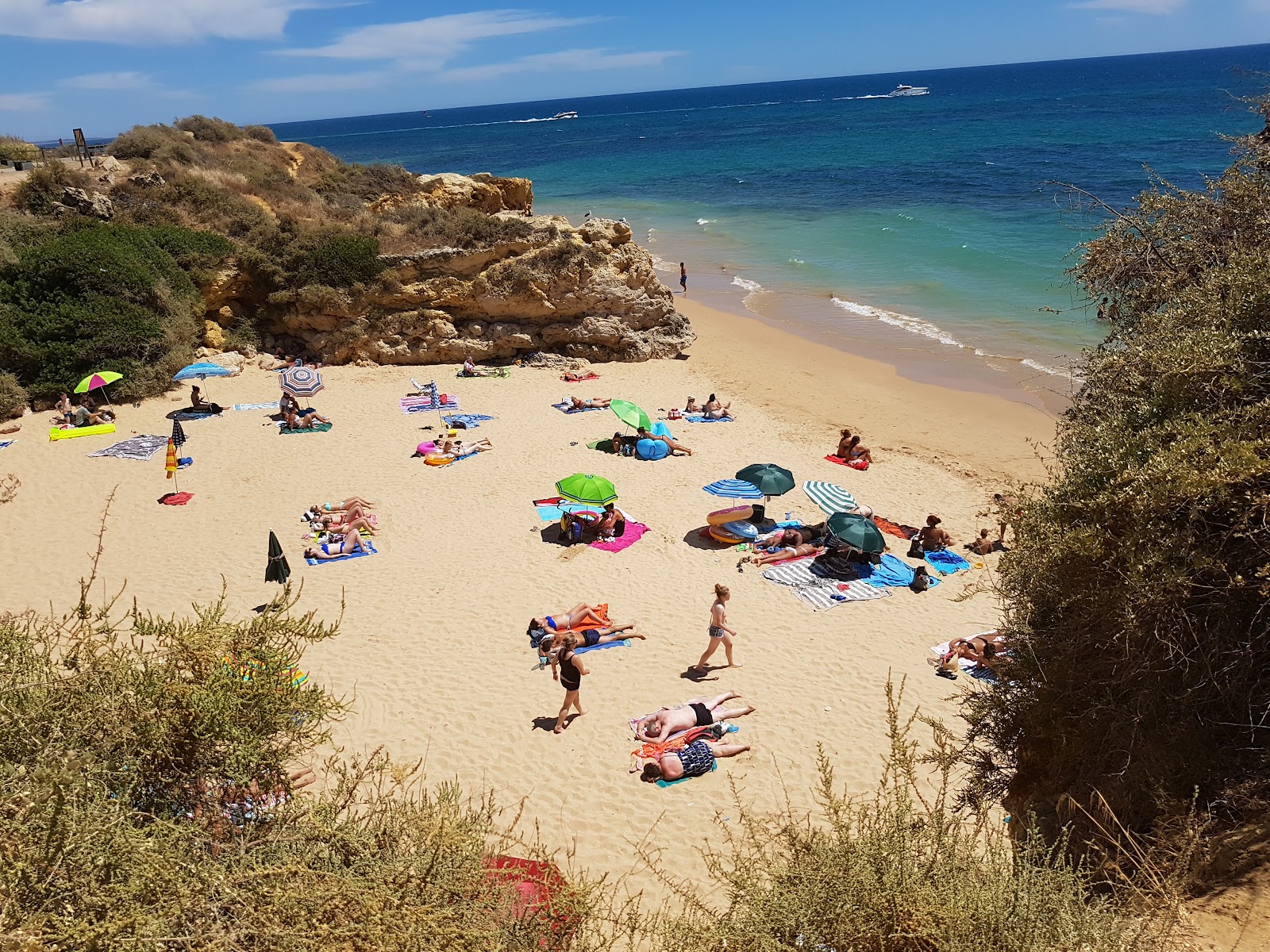
Good to know
The Giro green-line bus connects Albufeira's bus station to Oura in around 20–30 minutes; taxis from the Old Town run €5–8. Parking near the beach is limited in summer — the town car parks on Rua Bartolomeu Dias are a more reliable 10-minute walk. For calm water and room to spread out, Praia de Santa Eulália is 15 minutes east on foot.
The best window runs from May through September; July and August bring up to 12 hours of sun a day and temperatures around 30°C, though the sea only peaks at around 21°C in August and September. Winter is mild — February averages 16°C by day — but December brings the heaviest rain, and the beach facilities largely close down.
Where is Praia da Oura?
More tickets & tours for Praia da Oura
Book directly at the provider
What travellers say about Praia da Oura
Fantastic place, easy to move around, Uber the best way to get to places. Nice , clean and calm for the stay. Definitely highly recommend.Will be back in sha Allah. Assalamualaykum.
The beach is absolutely beautiful, with crystal-clear water and stunning views. There are many great spots to take amazing photos, especially at sunset. A perfect place to relax and enjoy nature!
This was my favourite beach such beautiful views and relaxing vibes. Great for sun bathing and a swim handy for the cafe and restaurants for food and drink. Loved it 😍
Beautiful Beach and the surrounding rock formations are stunning, great location to get some nice pictures mixed in with the water, there’s a lovely bird spot nearby and multiple routes to the beach and running along the beach. Would recommend to anyone nearby at least taking the stroll down beach/rocks.
One of the better beaches around Albufeira. You can continue walking along the water direction east and you will find even more beaches.
More of Albufeira
Discover where to stay, what to do and the best deals for your trip.
Explore Albufeira →More attractions in Albufeira
All of Albufeira →

Background adapted from Wikipedia (CC BY-SA) · map data © OpenStreetMap contributors · ratings & place photos via Google · other photos with per-image credit. Ticket links may earn us a commission at no extra cost to you.