
Loulé
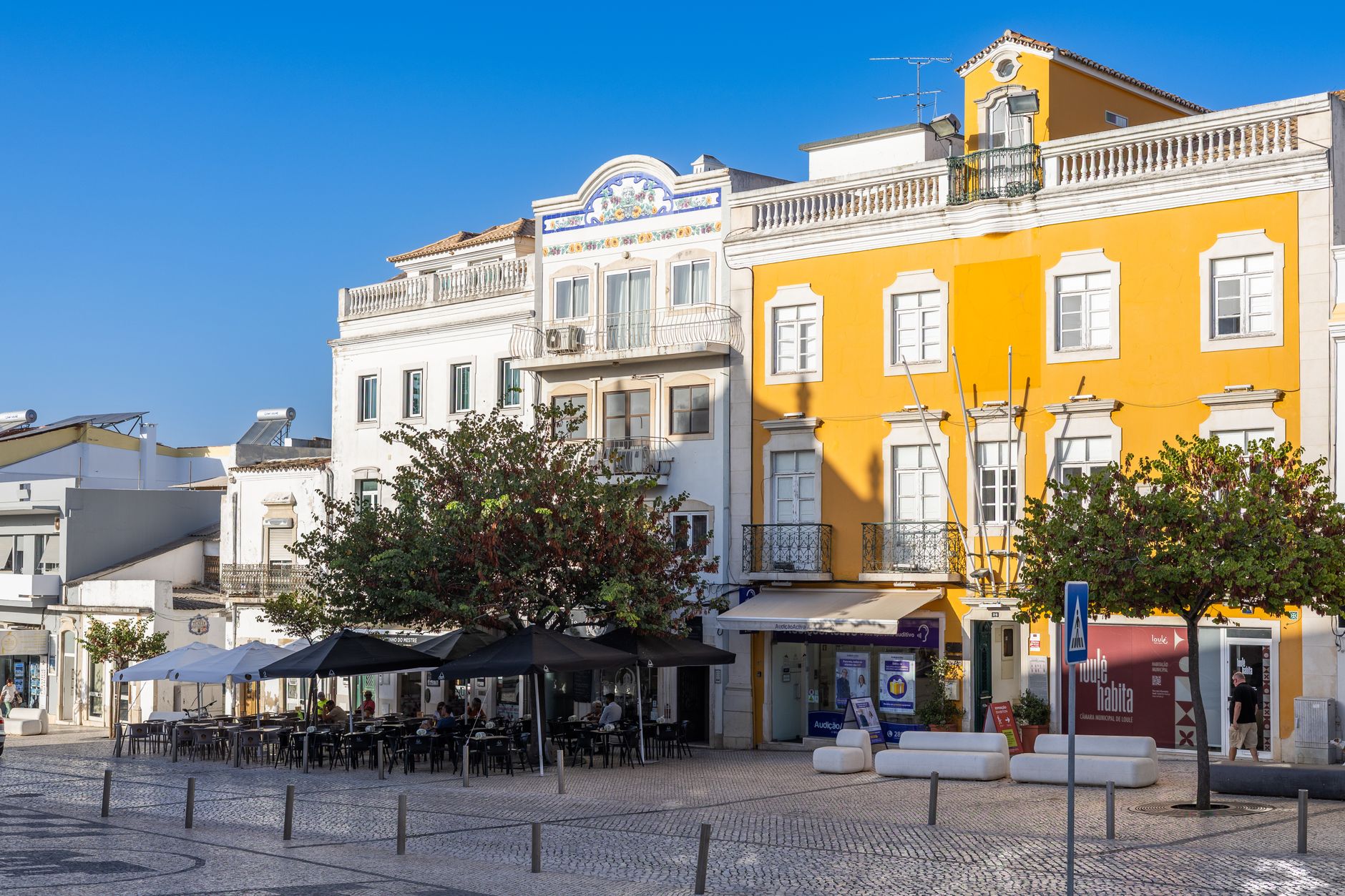
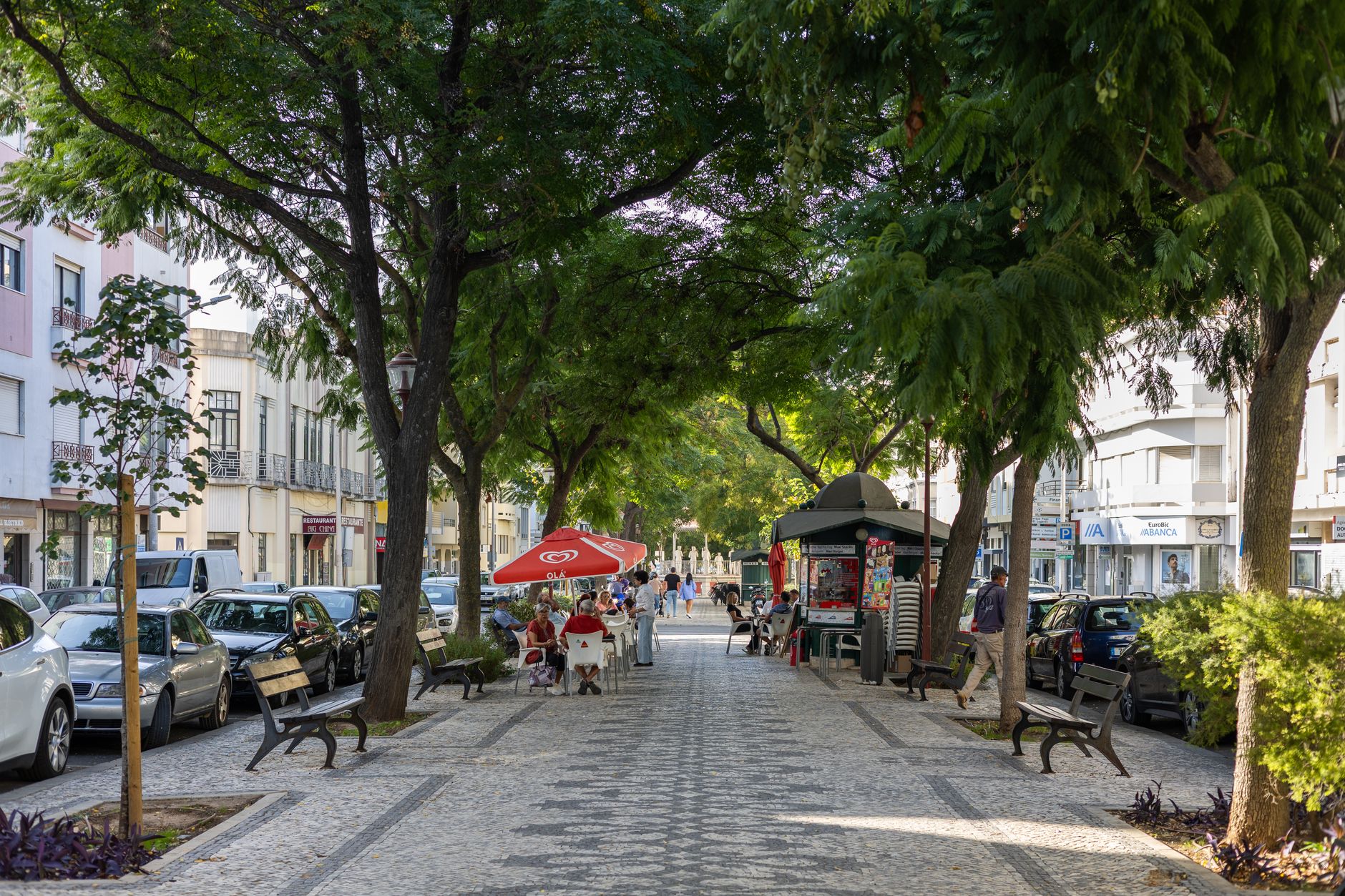
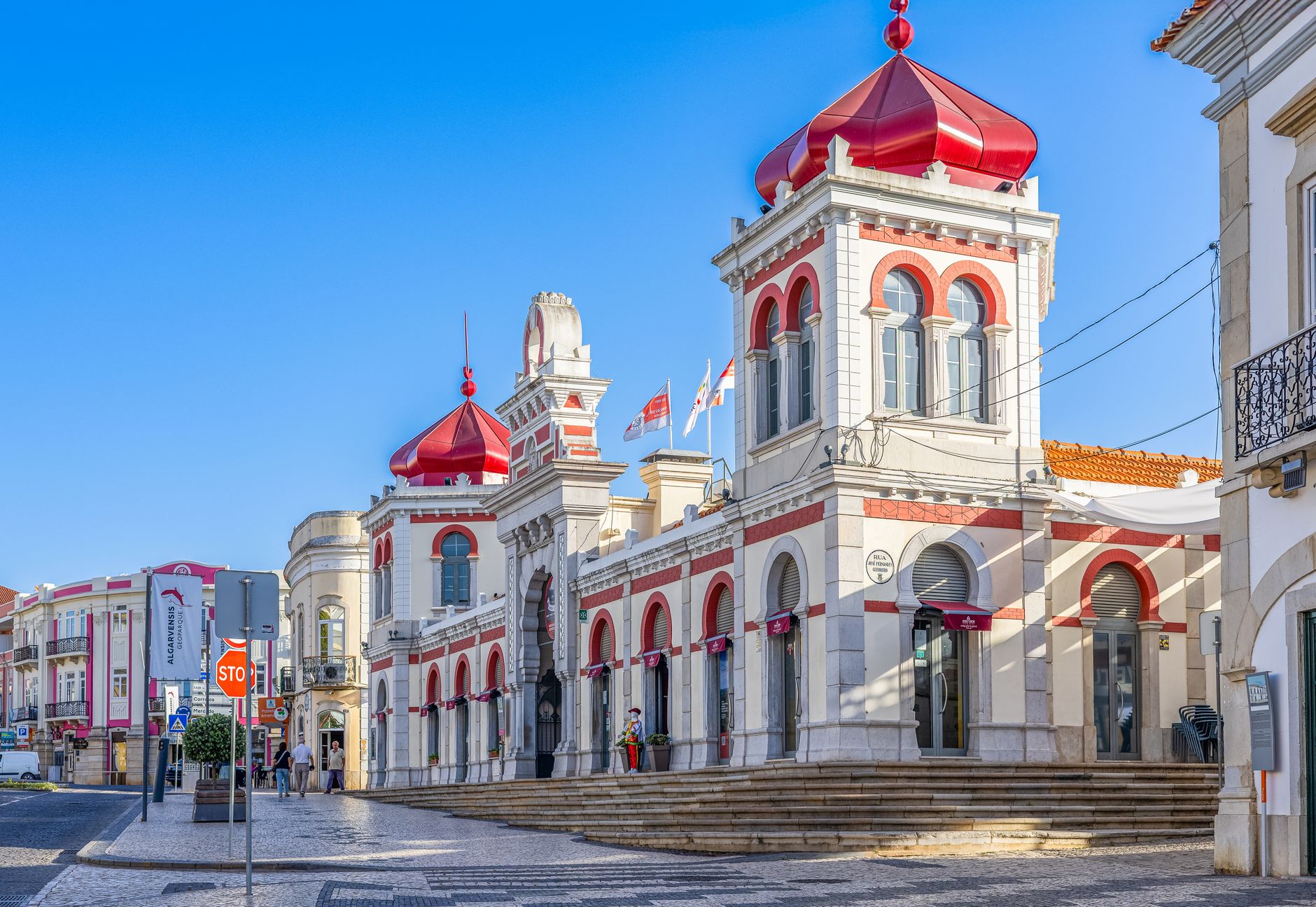
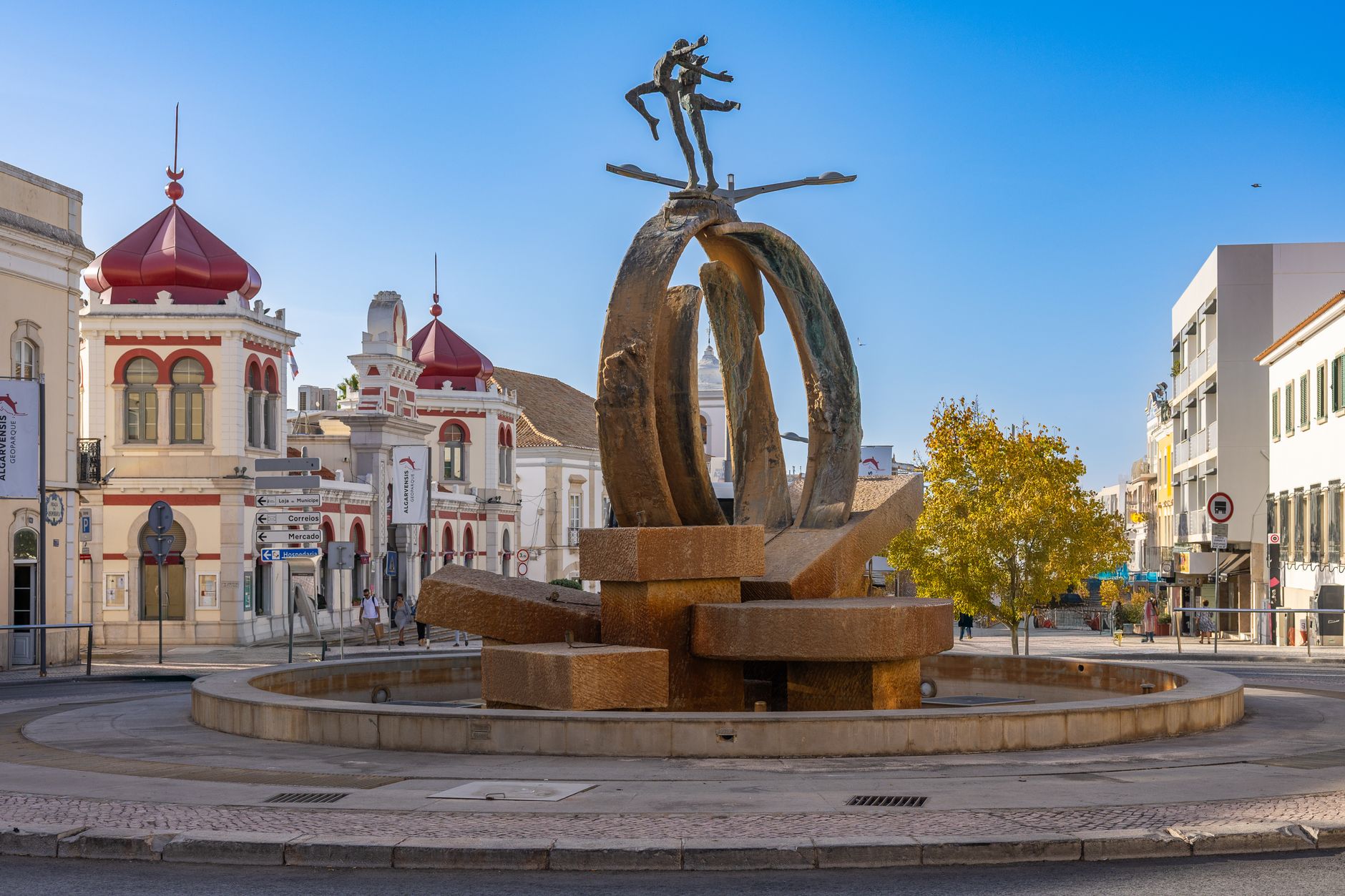
The Loulé market opens at seven in the morning, and if you arrive close to that hour you'll find the fish stalls at their best — silvery and serious, attended by vendors who have been doing this since before the tourists arrived. The four domed towers of the 1908 neo-Arab building cast a long shadow over the square, a deliberate nod to the Moorish history that runs through this town like a vein.
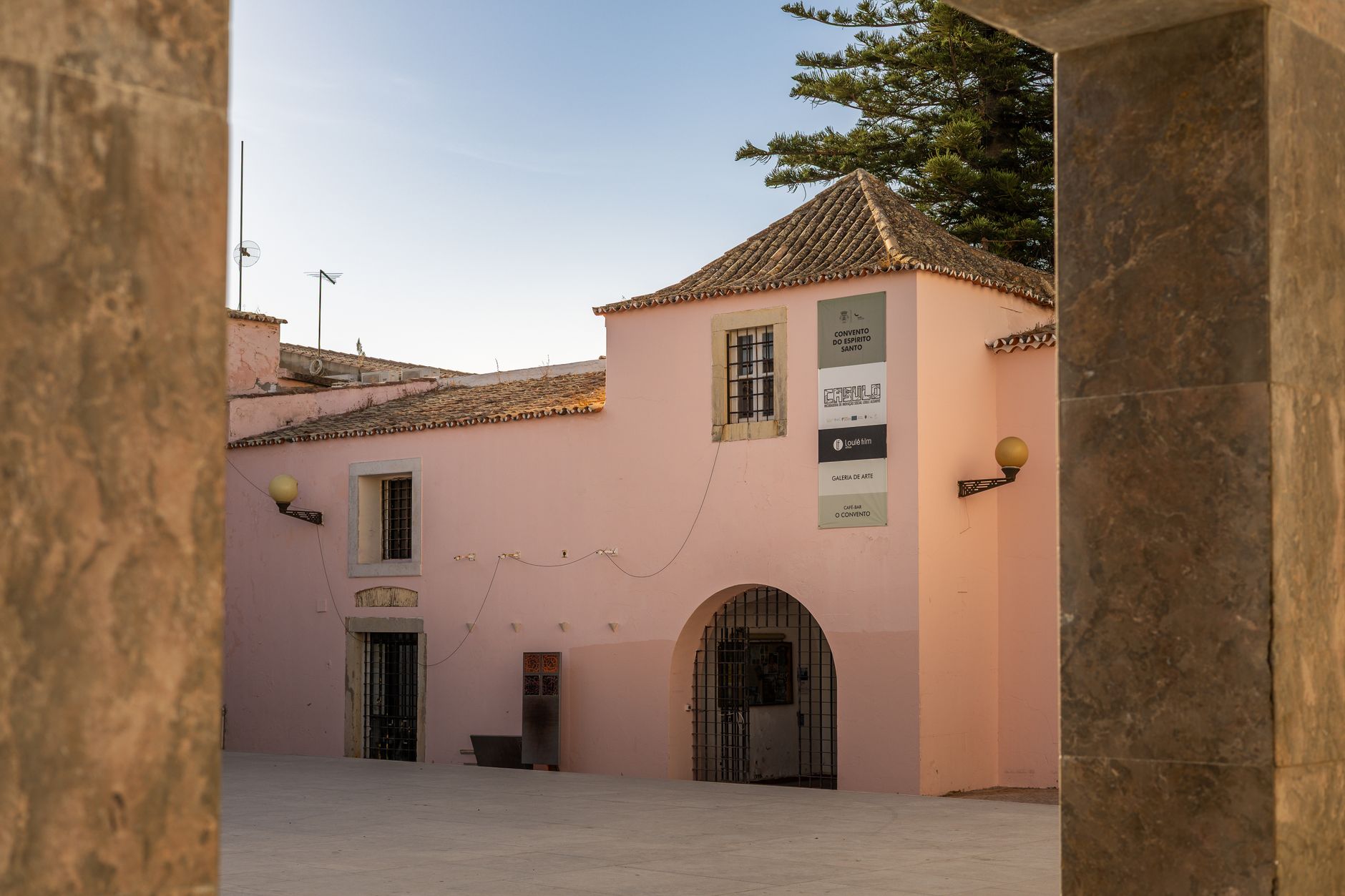
Loulé sits inland, about eighteen kilometres from Faro Airport, which means the coast is close but the mood here is different — more market town than resort, more locals than loungers. The castle walls are free to walk, the church bell tower was once a minaret, and a two-hundred-year-old Norfolk Island Pine grows in the old convent cloister as if it owns the place.
💛 What travellers fall for
People who come back tend to time it around the Saturday market, when the stalls spill outside the building. They stop at Café Calcinha, where the poet António Aleixo used to write — his statue stands outside — and they budget more time than they planned, mostly because lunch runs long and the castle museum costs less than two euros.
Deals in Loulé
Book directly at the provider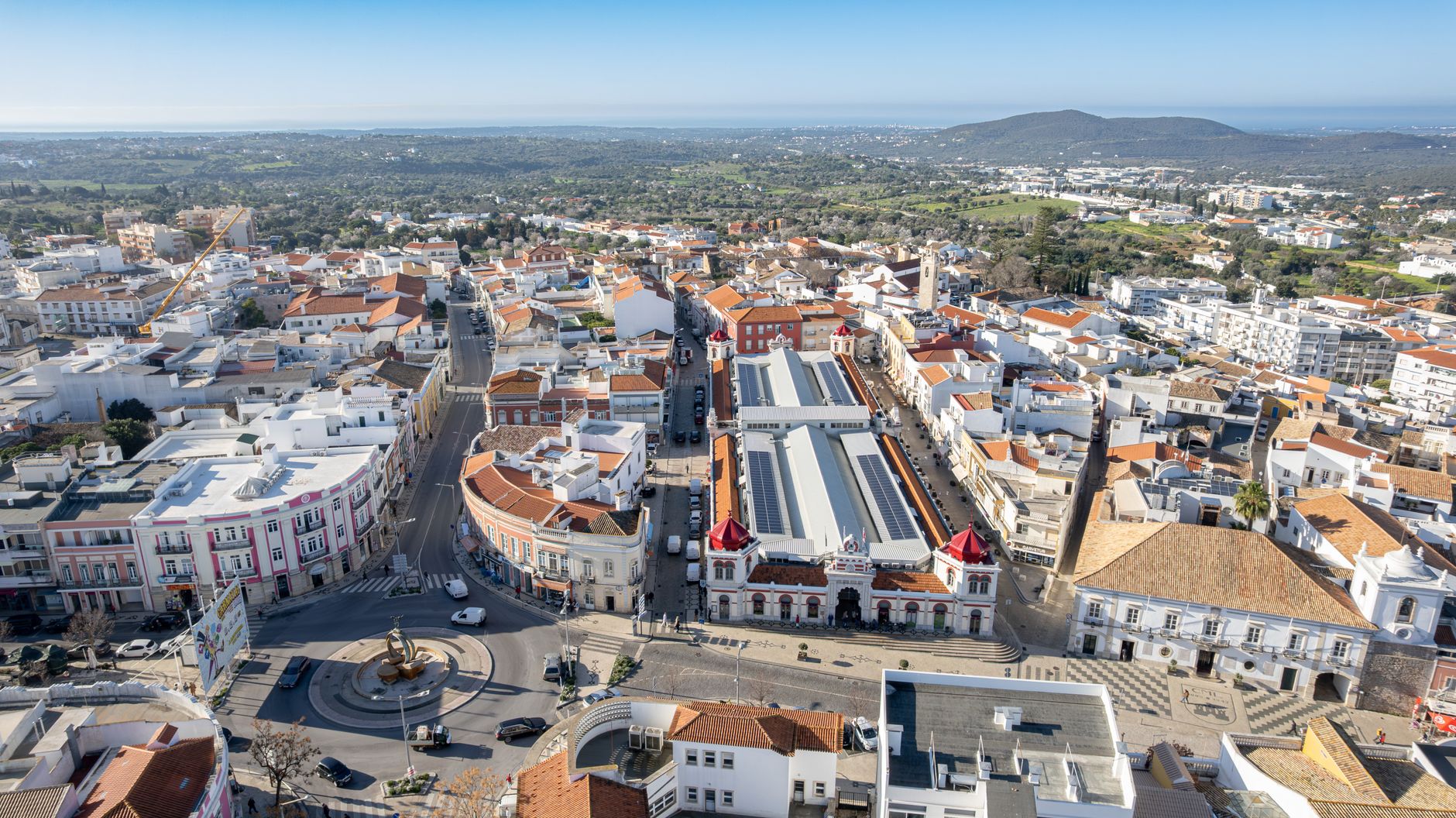

How Loulé came to be
People have been moving through this plateau since the Paleolithic. Phoenicians settled here in the 8th century BC, Romans followed in the 2nd century BC, and the Moors arrived in the 8th century AD, establishing a fortified city they called Al-'Ulya' under Taifa Ibne Mafom. The Islamic baths, the minaret-turned-bell-tower of São Clemente, and the bones of the castle all carry that period forward into the present.
King Afonso III took the castle on 23 November 1249 — the feast day of Saint Clement, which is why the parish church bears that name. The first town charter followed in 1266, a second for the southern suburbs in 1269, and by 1291 King Dom Dinis had established a fair here, anchoring Loulé as the Algarve's main inland trading centre — a role it has never entirely relinquished.
Who and what shaped it
People who shaped it
Landmark buildings
See Loulé in motion
Plan your visit
On the map
When to go
Summers are long, dry and reliably hot, which makes the early-morning market the right time to be outdoors. Spring and autumn bring mild temperatures and shorter queues; winters are cool but rarely cold, and the light in January can be unexpectedly clear.
Right now
Background & history adapted from Wikipedia (CC BY-SA) · specs from Wikidata (CC0) · weather from Open-Meteo · map data © OpenStreetMap contributors · photos from Wikimedia Commons / Unsplash with per-image credit. No third-party reviews or social posts reproduced.