
Portimão
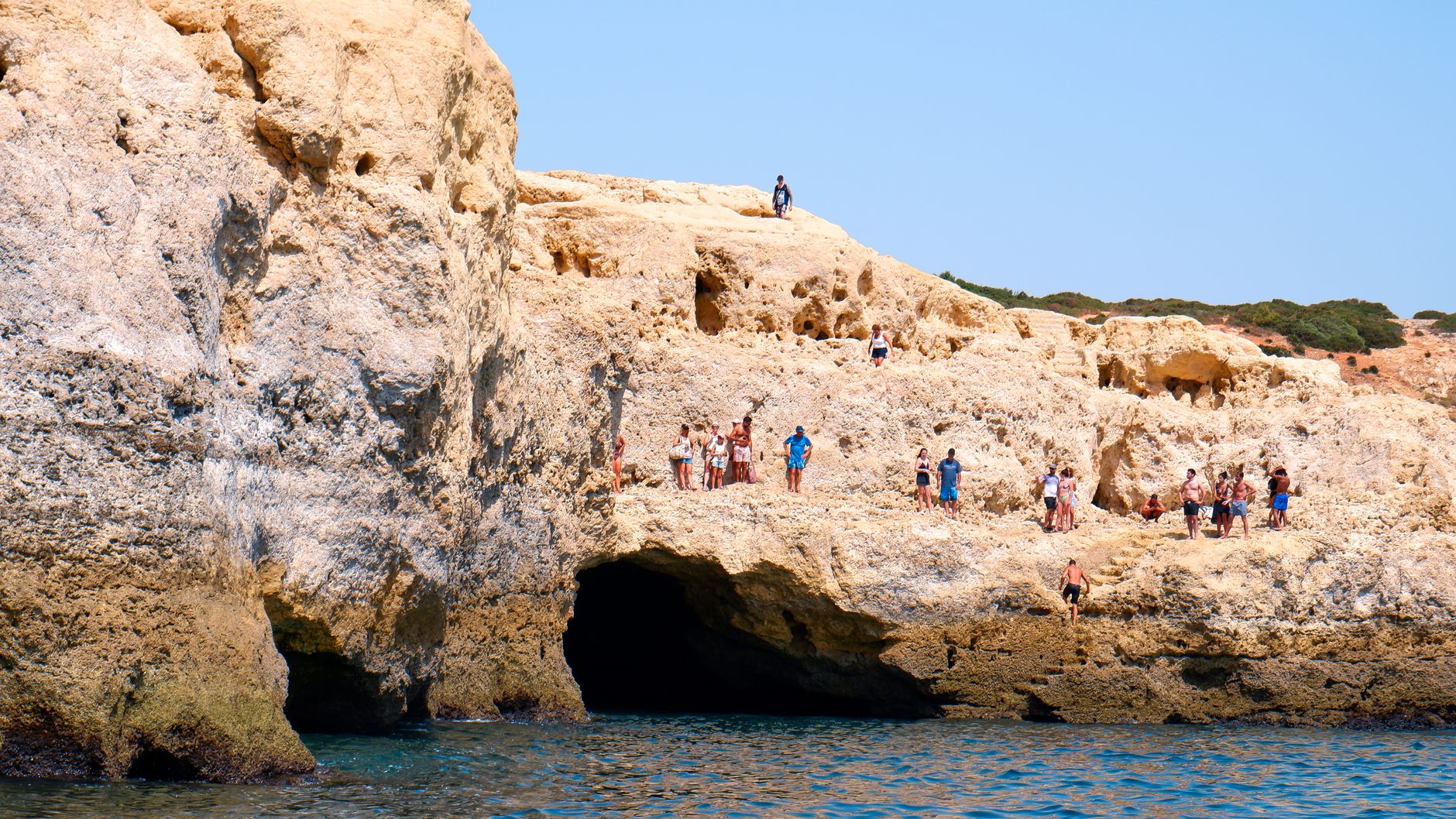
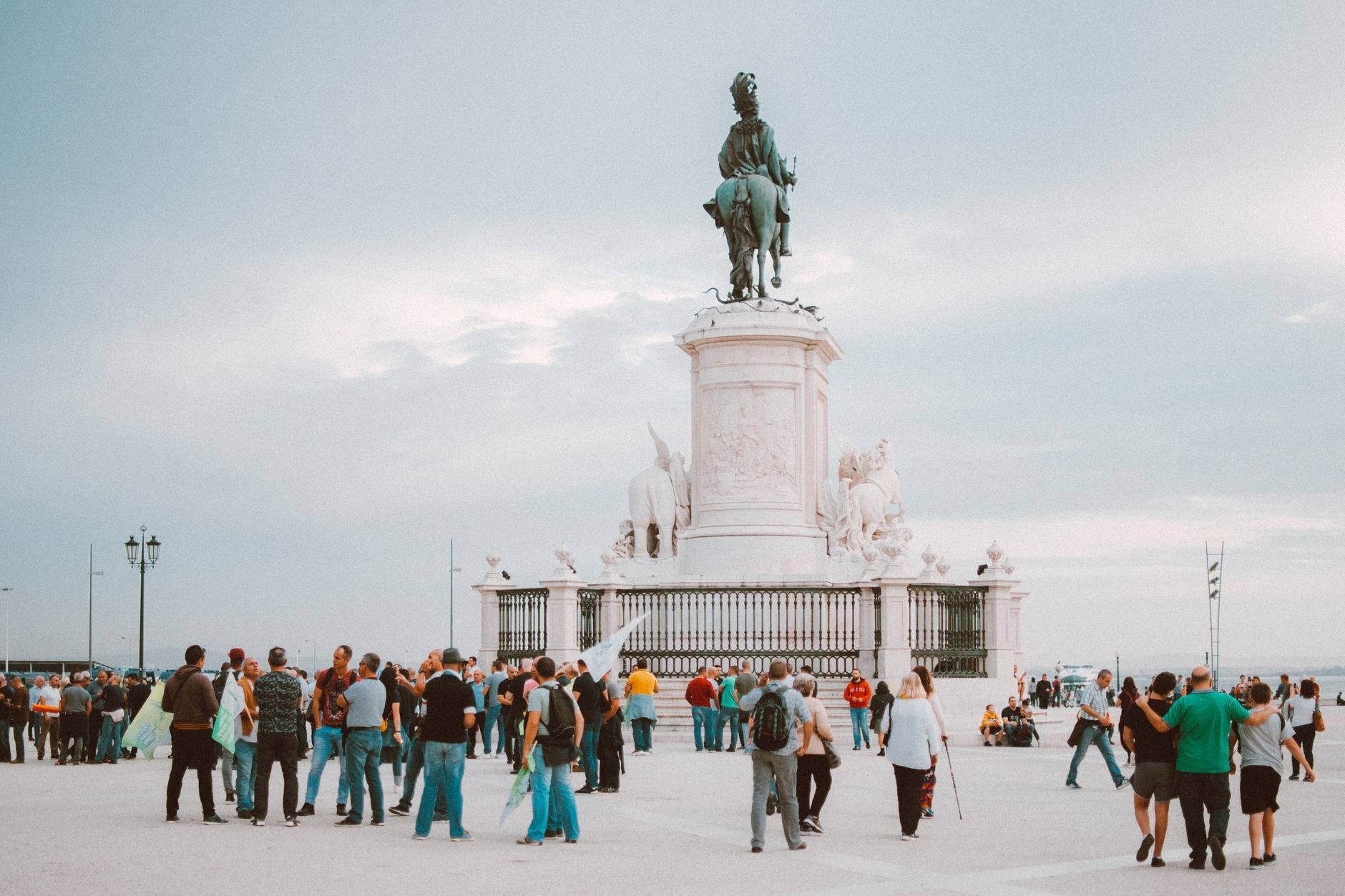
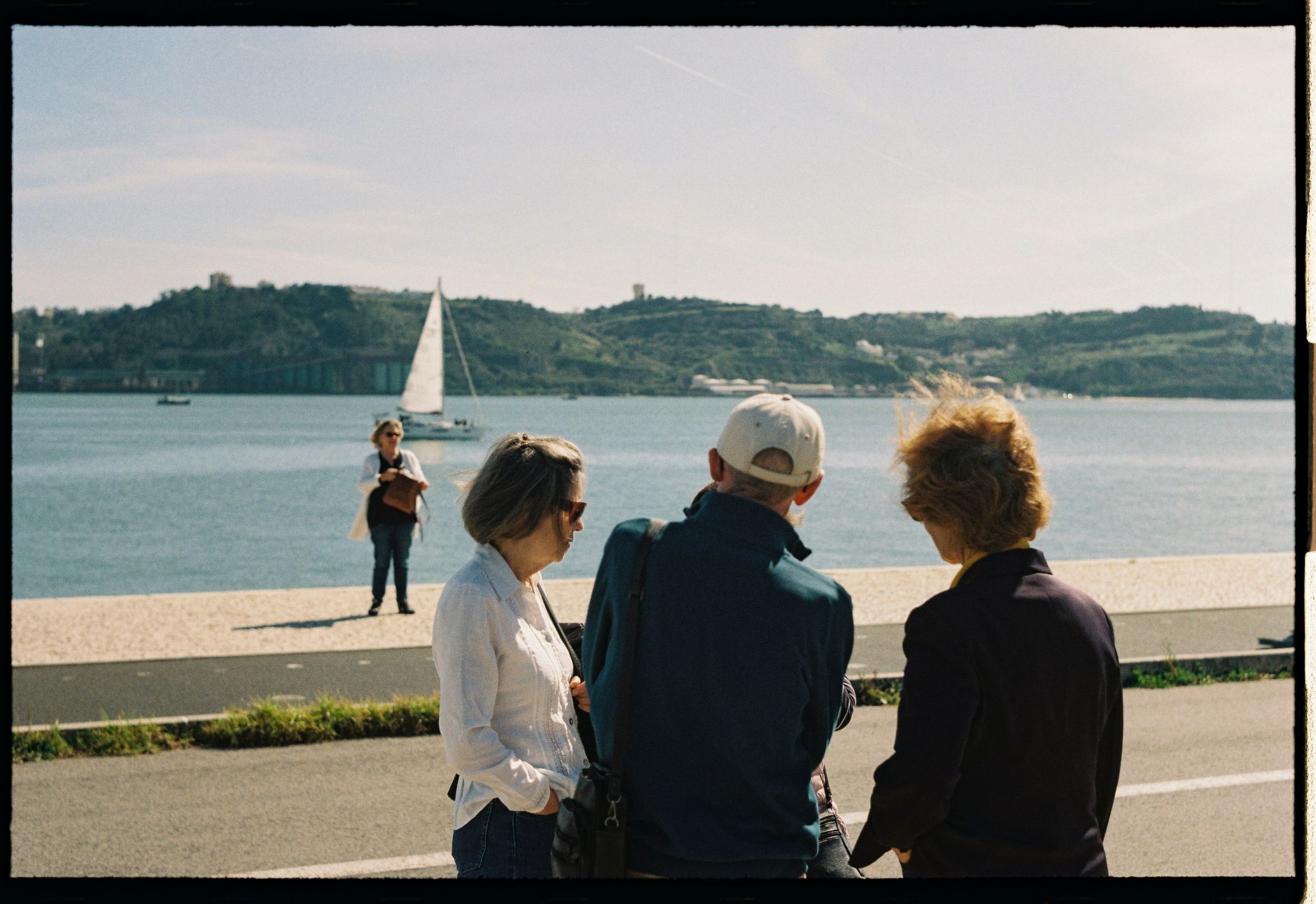
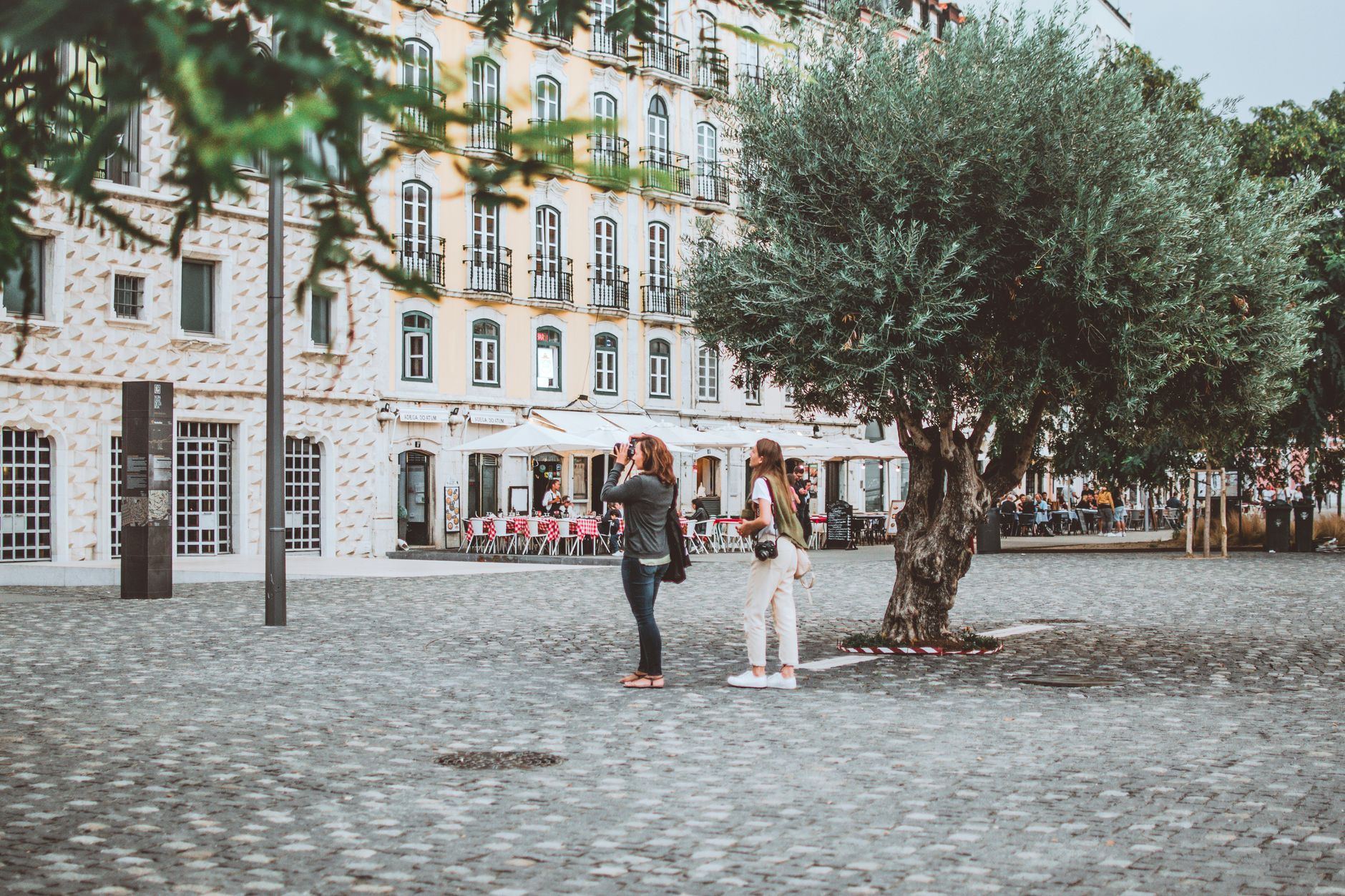
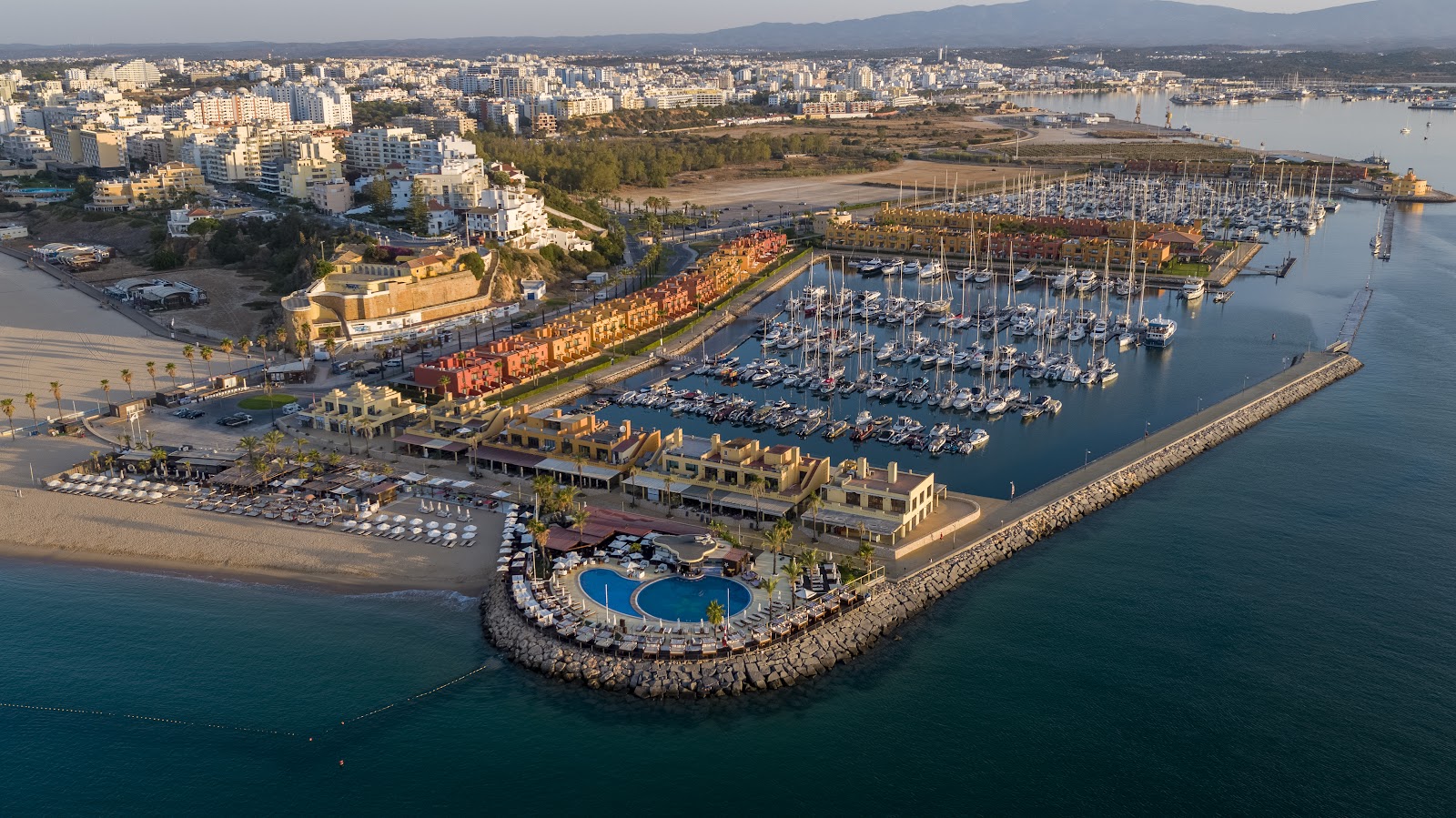
Portimão announces itself through its riverfront — the wide mouth of the Rio Arade, the smell of grilling sardines drifting from the quayside, the low white buildings climbing toward a church on the hill. This is a working Algarve city, not a resort, and that difference shows in the pace of the streets and the depth of what there is to read here.
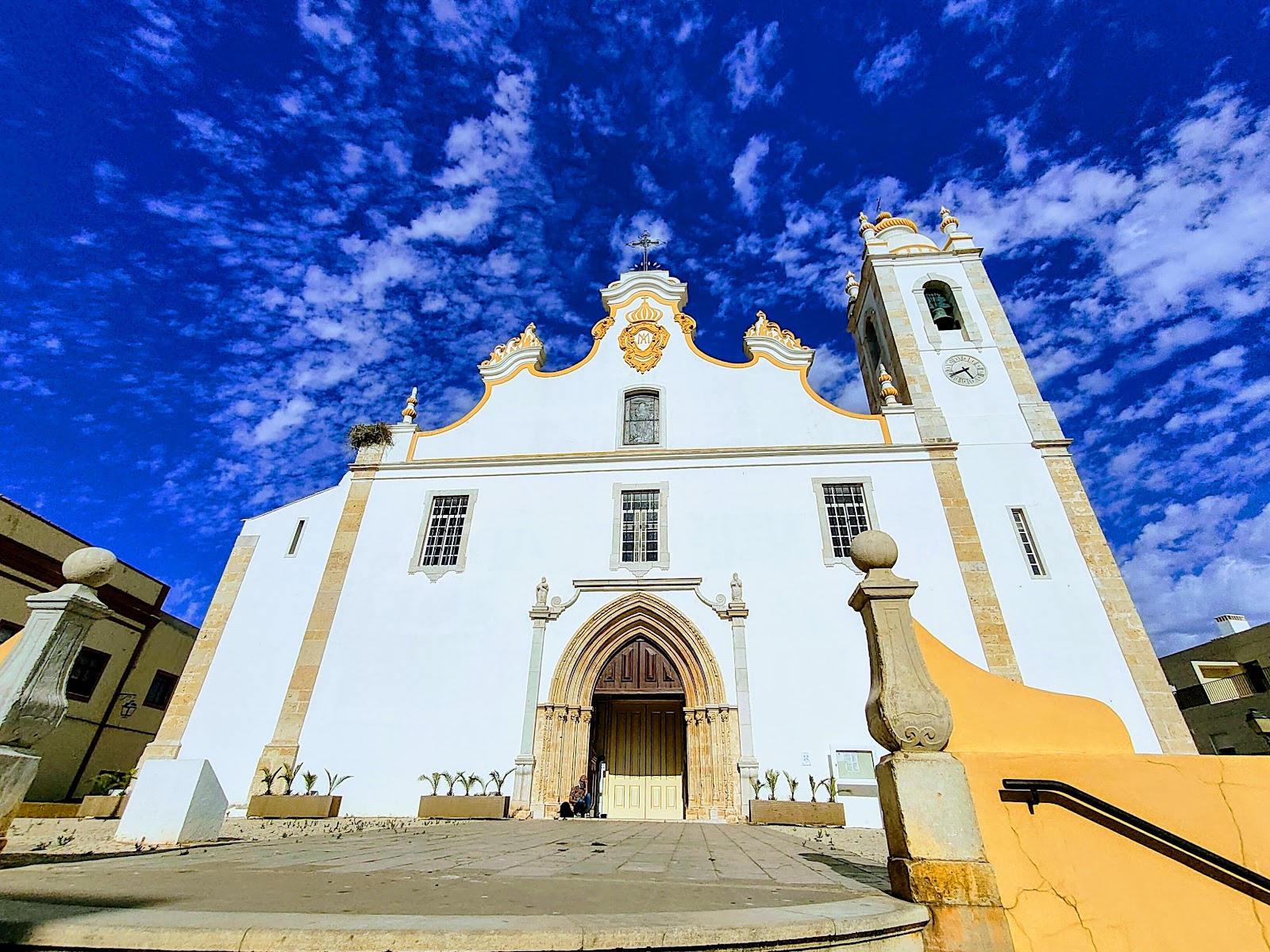
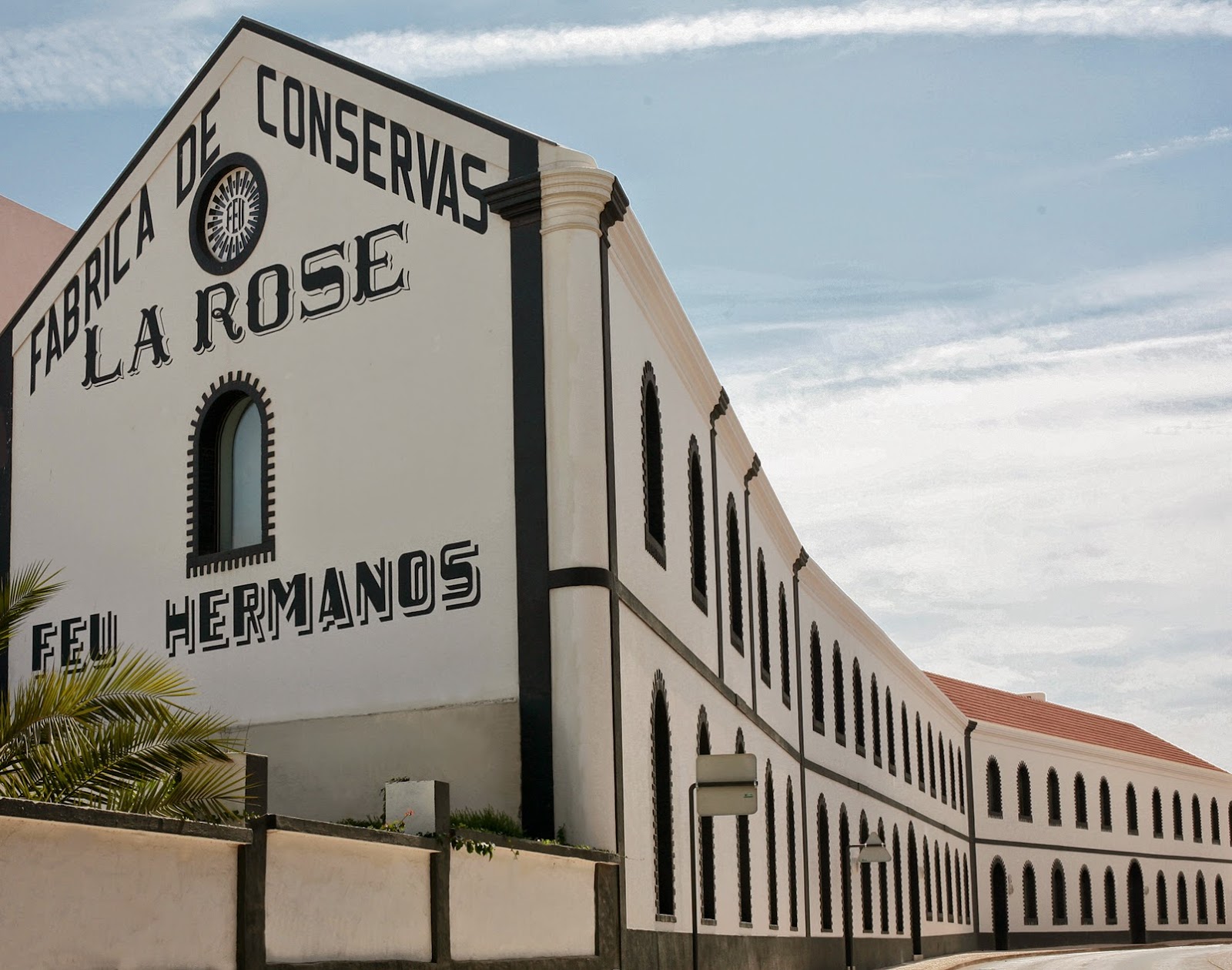
The sardine-canning industry that made Portimão prosperous in the 19th century left behind a factory that is now one of Portugal's more thoughtful local museums. The old Jesuit college still stands as the largest church in the Algarve. And up on the highest point in the city, the Igreja Matriz bears the permanent mark of the 1755 earthquake — rebuilt with one bell tower where two were planned.
💛 What travellers fall for
People who return tend to time a visit around the riverside sardine grills at lunch, then walk up to the Jardim 1º de Dezembro to sit on the tiled benches and read the scenes from Portuguese history inlaid in the glaze. The Portimão Museum, at €3 entry, consistently earns more time than people budget for it.
Deals in Portimão
Book directly at the provider


How Portimão came to be
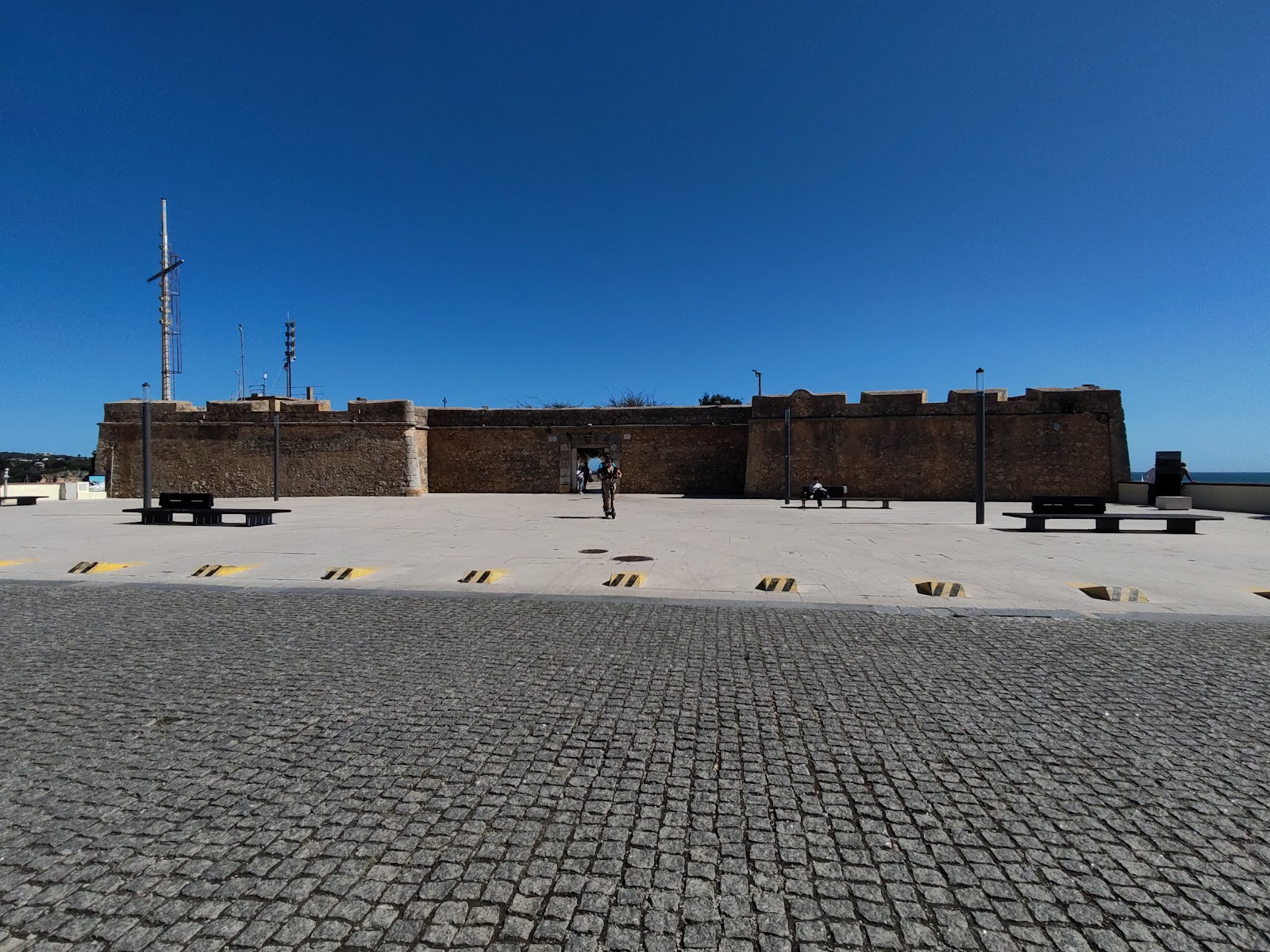
A settlement was formally authorised here by King Afonso V in 1453, though the place was known for centuries as Vila Nova de Portimão before the name shortened. The 1755 earthquake hit hard — the Fort of Santa Catarina, built in 1621 to stop pirates from sailing up the Arade, had to be reconstructed in 1792 and 1794 under the Count of Val de Reys. The Igreja Matriz, originally built in 1470 with a late-Gothic portal inspired by the Monastery of Batalha, lost one of its two bell towers in the same disaster.
By the 19th century, sardines pulled the city back. Portimão became the second most important fishing port in the Algarve, and the canning factories that lined the waterfront ran until the 1980s. The city was officially incorporated as a cidade in 1924 — a status tied directly to Manuel Teixeira Gomes, a Portimão native who served as President of Portugal from 1923 to 1925.
Who and what shaped it
People who shaped it
Landmark buildings
See Portimão in motion
Plan your visit
On the map
When to go
Summers run warm and dry, with July and August reaching 28–30°C and very little rain. January is mild rather than cold, averaging around 16°C, but most visitor-facing businesses close for the season and don't reopen until spring.
Right now
↡ Attractions
Background & history adapted from Wikipedia (CC BY-SA) · specs from Wikidata (CC0) · weather from Open-Meteo · map data © OpenStreetMap contributors · photos from Wikimedia Commons / Unsplash with per-image credit. No third-party reviews or social posts reproduced.