
Praia do Vau
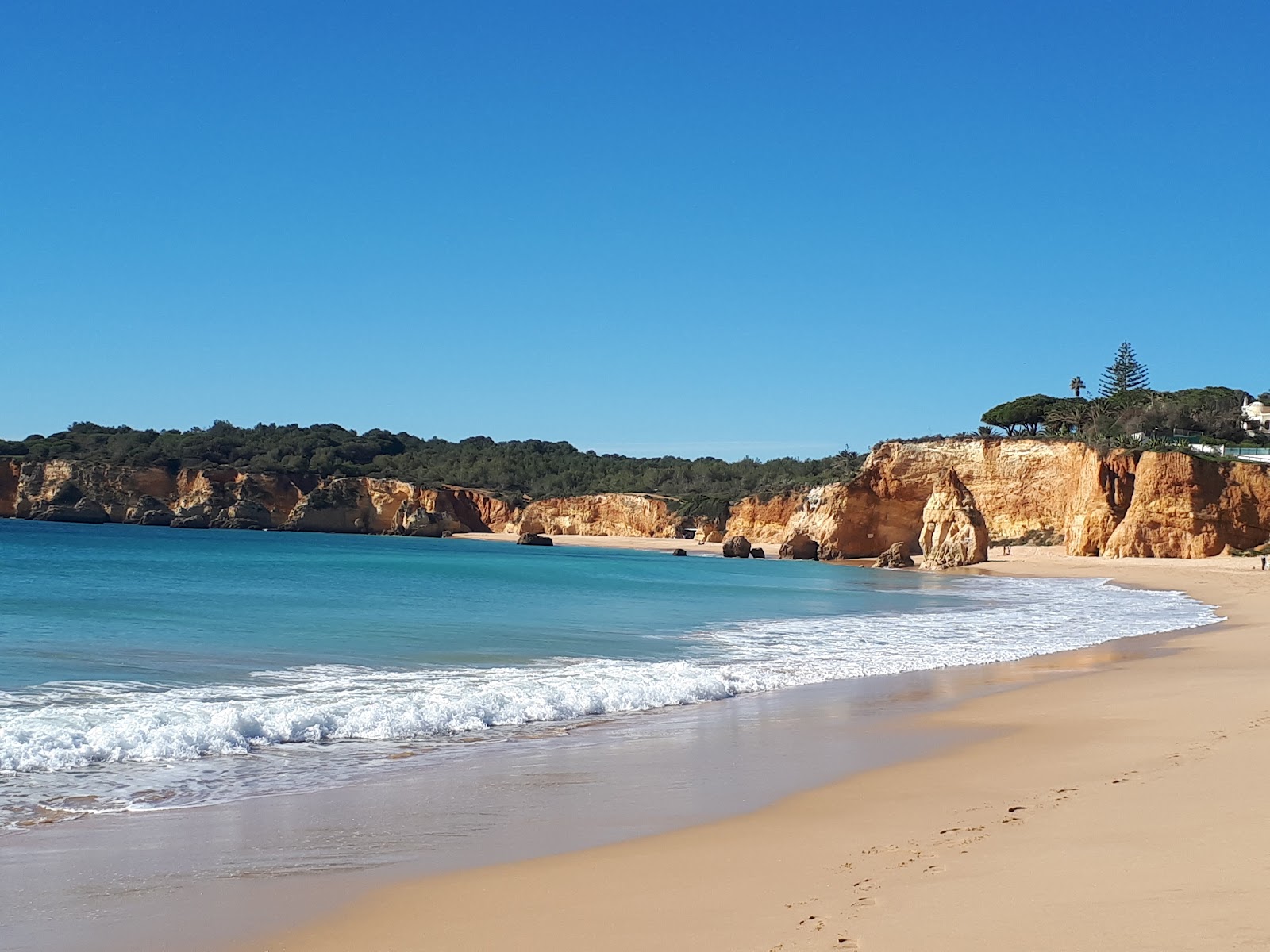
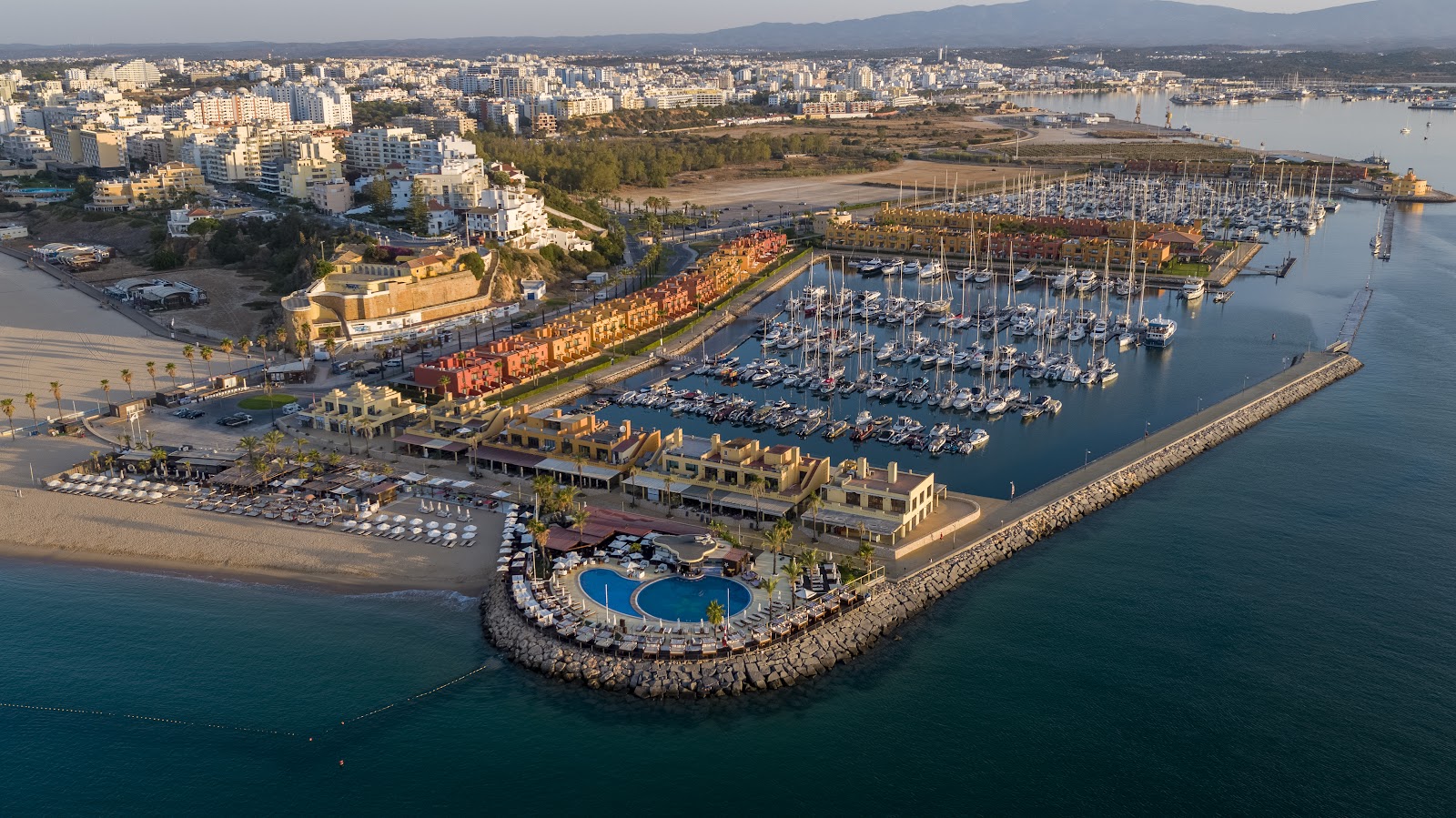
The red sandstone cliffs at Praia do Vau do most of the work before you even reach the sand. They catch the western wind, keeping the beach noticeably calmer than Praia da Rocha just a kilometre around the headland, and they turn a particular shade of amber in the late afternoon that makes the whole cove look like it's lit from within. The beach itself runs for just over 700 metres of fine golden sand, with wheelchair-accessible ramps, lifeguards during the bathing season, and a Blue Flag that gets renewed annually for water quality.
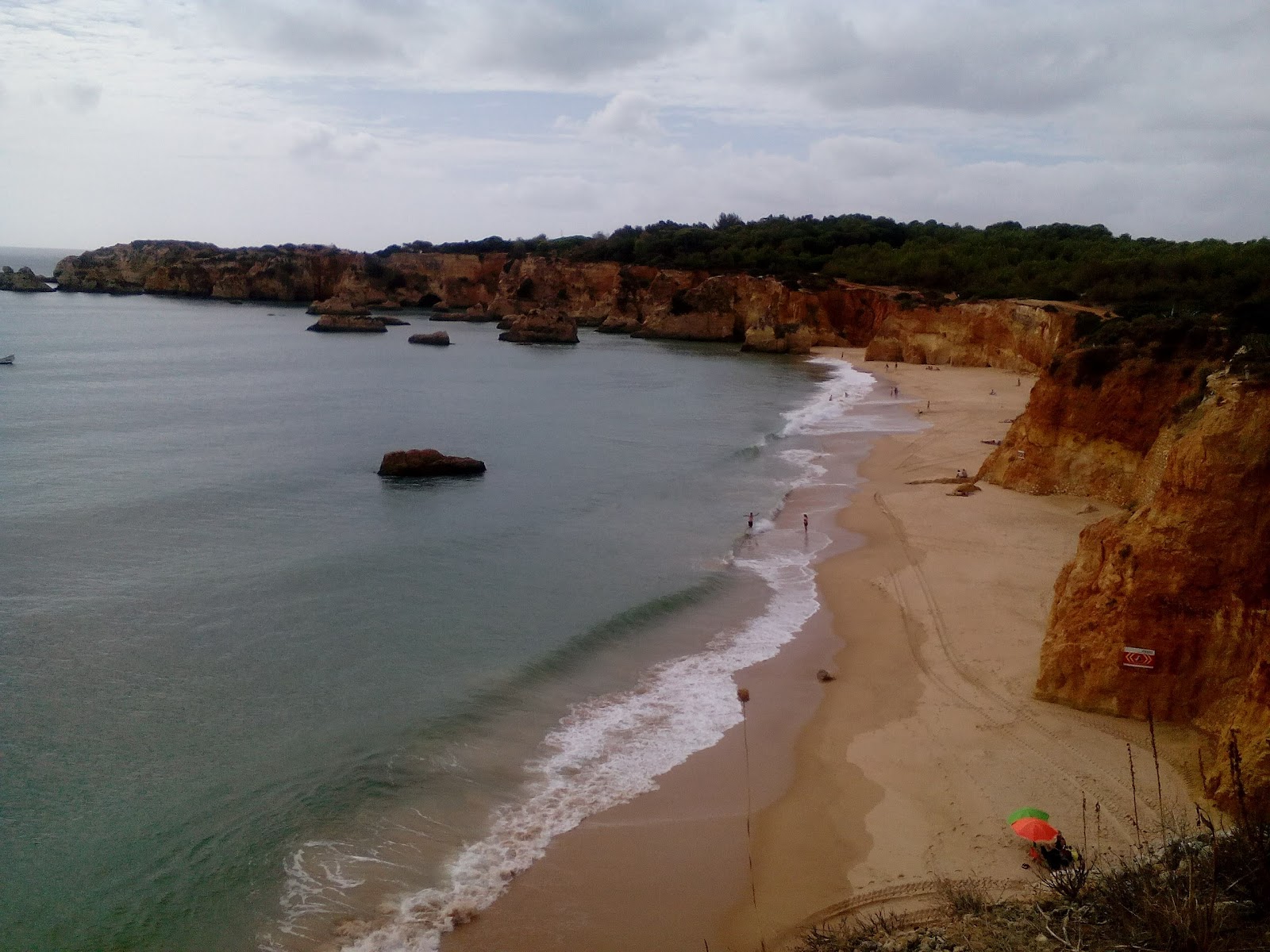
What most visitors don't expect is the boardwalk at the back of the beach. Wooden steps climb the cliff face toward Praia do Alemão, and at the top a coastal trail opens out above the sea — the kind of view that makes the beach below look like a map of itself.
💛 What travellers fall for
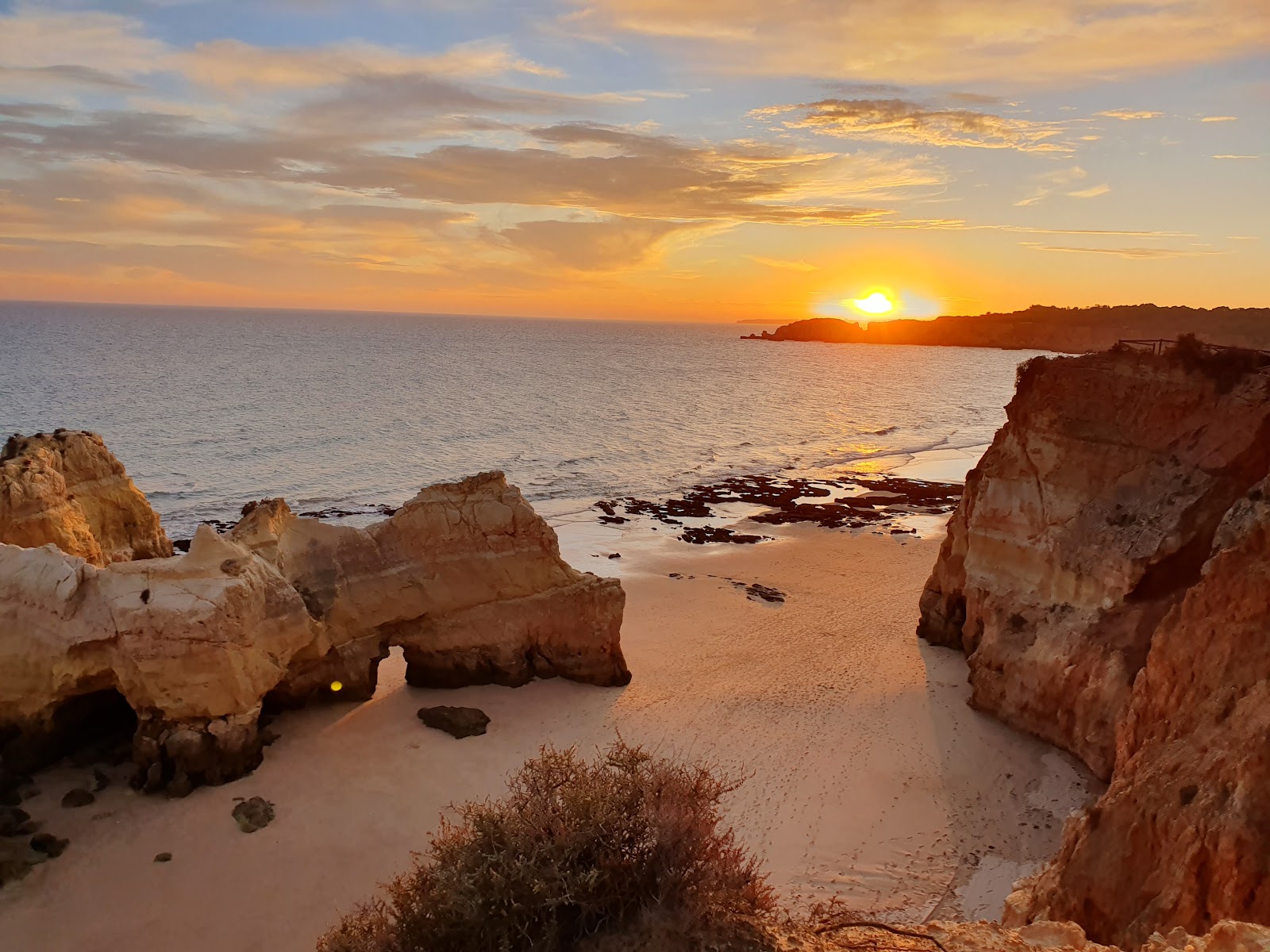
People who come back tend to time the cliff walk for late afternoon, when the light catches the rock formations from above. The natural pools on the western edge, technically part of Praia do Alemão, are worth knowing about if you're travelling with children — the water sits warmer than the open sea, trapped and sun-heated in the rock.
The story behind Praia do Vau
For much of the twentieth century, Praia do Vau was the kind of place Portuguese families from further inland kept quietly to themselves — a summer retreat for those with the means and the local knowledge to find it. The cliffs provided shelter, the cove stayed relatively uncrowded, and the infrastructure remained minimal by design.
That changed gradually as the Algarve's coastal tourism expanded westward from Portimão. The beach acquired its facilities, its Blue Flag accreditation, and its reputation as a slightly calmer alternative to the larger Praia da Rocha nearby. The boardwalk and cliff-top trail came later, formalising a route that walkers had been improvising for years.
Good to know
Bus lines 35 and 1P run from Portimão every 30 minutes in summer, every hour in winter — the ride takes about 15 minutes. Free parking exists behind the beach but fills fast in July and August; arriving before 10am is the practical move. From Faro, the train to Portimão takes around two hours.
July and August bring peak heat — daily highs around 28–29°C with almost no rainfall — and the sea reaches 23°C or above from June through October. The shoulder months of May, June and September offer similar sunshine with thinner crowds. Winter is mild but quiet, with the beach largely to yourself and afternoon temperatures still reaching 16°C.
Where is Praia do Vau?
More tickets & tours for Praia do Vau
Book directly at the provider
What travellers say about Praia do Vau
The beach was absolutely stunning! It was clean, well-maintained, and offered plenty of space to relax and swim comfortably. The magnificent views were a sight to behold, making the detour completely worthwhile.
Praia do Vau is located about a 10-minute drive from Portimão. Although it is smaller than some of the neighbouring beaches, it features impressive cliffside and rock formations. The beach's lovely golden colour provides a stunning backdrop for both sunrises and sunsets. Like other beaches, you can rent loungers and umbrellas here. There are also a few beachside bars and restaurants available. Additionally, a viewing point is available that offers stunning views of the beach and its surroundings. Although Praia do Vau is not as long or as crowded as other beaches, it offers unique and breathtaking views. It is definitely worth a visit.
We went to a boat tour to see these beautiful caves and stones around the area. It was breathtaking. We were able to get into and see the caves. We even saw a big jellyfish in the water. Strongly recommend a boat or kayak trip.
Favourite beach in Portimao - beautiful and lots of restaurants to choose from nearby. Easy access to Rocha and to the cliffs walk to Alemao - recommended
Mind blowing stunning views here , the geology is so interesting. Great beach with those beautiful cliff formations. Water is so clear and was so warm to dip. Also a nice spot to kayak. Worth visiting.
More of Portimão
Discover where to stay, what to do and the best deals for your trip.
Explore Portimão →More attractions in Portimão
All of Portimão →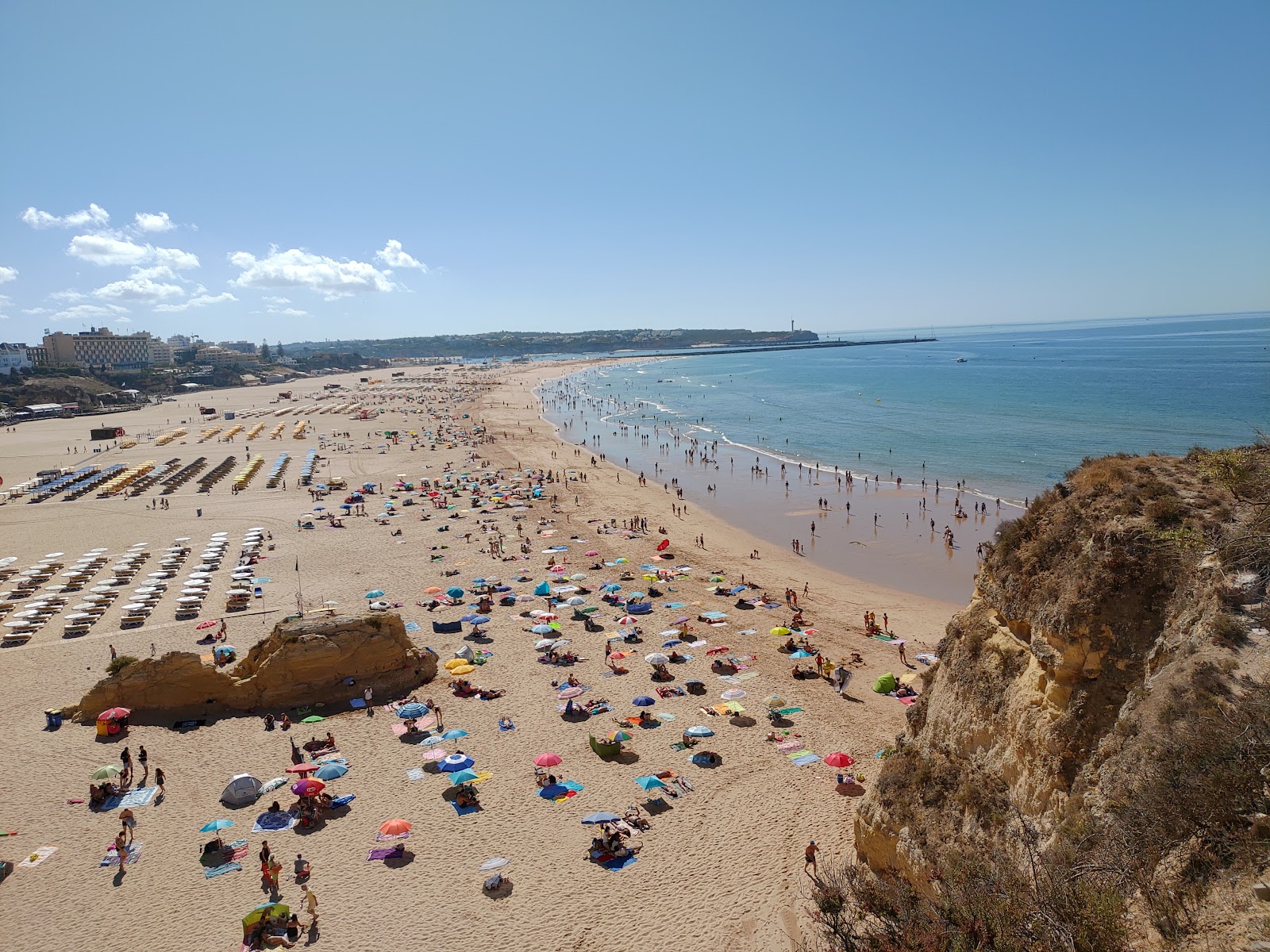
Background adapted from Wikipedia (CC BY-SA) · map data © OpenStreetMap contributors · ratings & place photos via Google · other photos with per-image credit. Ticket links may earn us a commission at no extra cost to you.