
Museu de Portimão
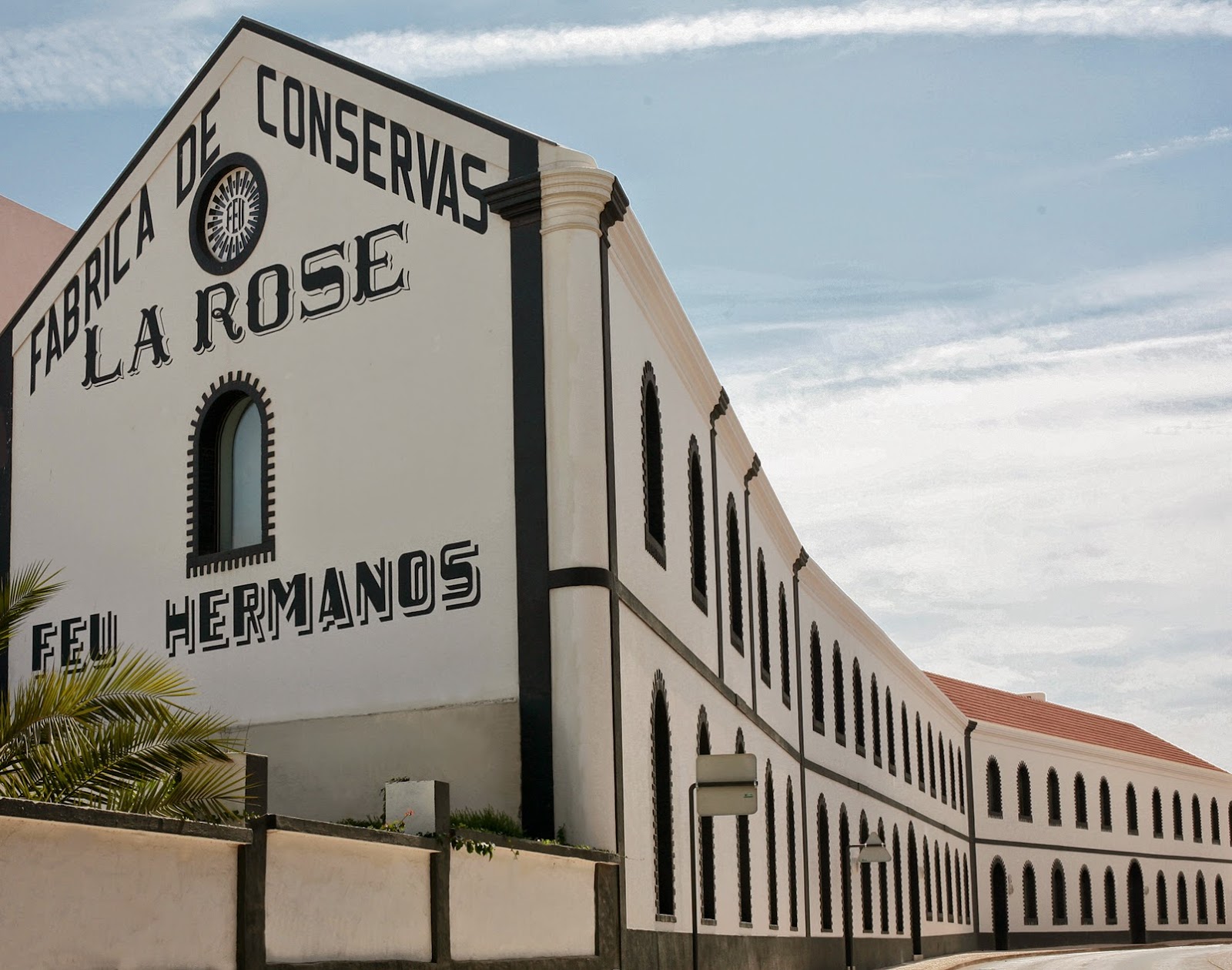
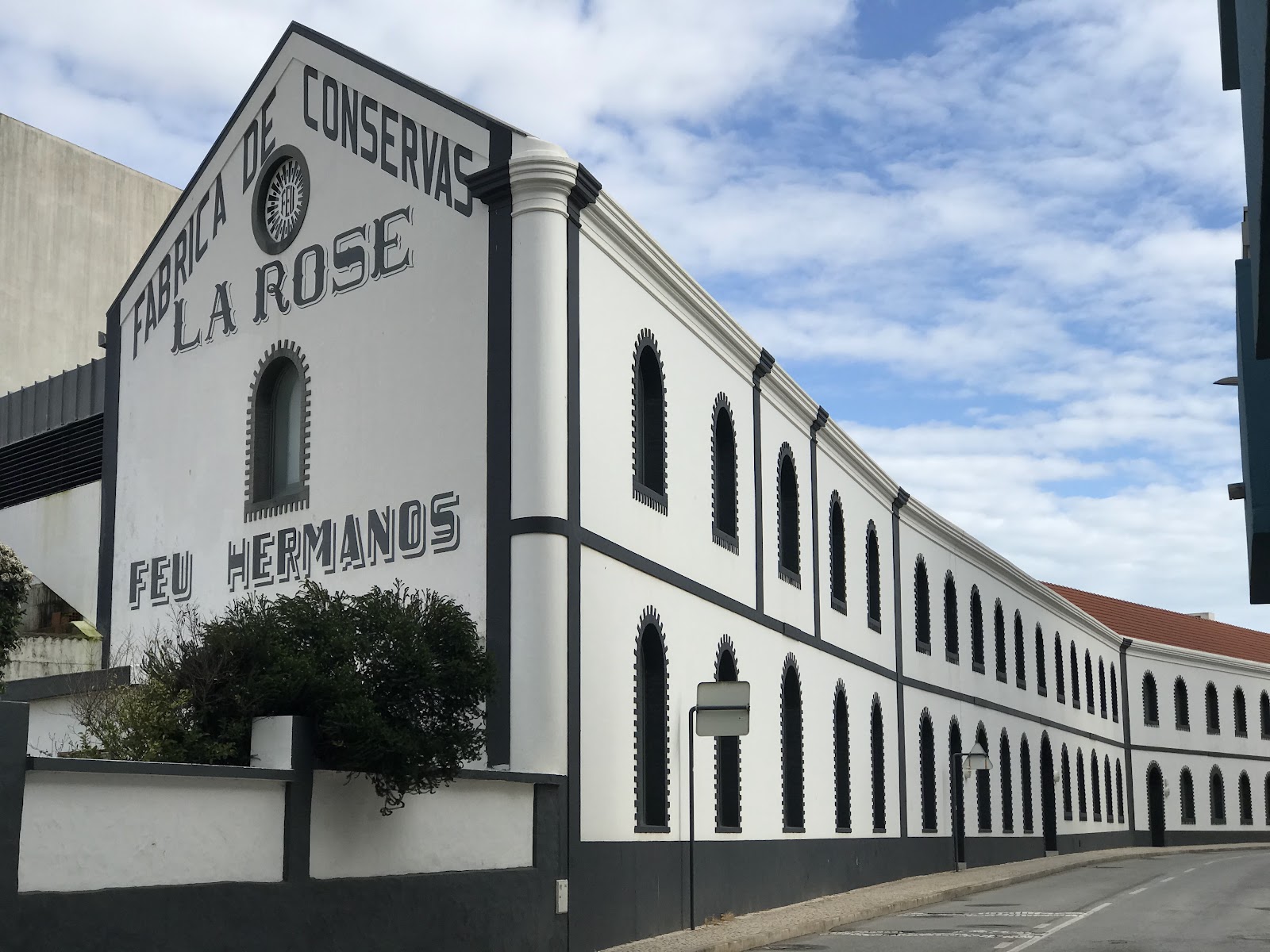
The building itself tells you something before you've read a single label. The Museu de Portimão occupies a late-19th-century sardine canning factory on the bank of the Arade River, and the industrial bones — the high ceilings, the old cisterns, the spatial logic of a production line — are as much on display as the exhibits inside.
The permanent collection, *Portimão, Território e Identidade*, traces the region from prehistory to the present day, keeping the river and sea at the centre of everything. One of the factory's original cisterns has been repurposed into an underwater viewing space, showing the Atlantic life gathering around four sunken Portuguese naval vessels on artificial reefs offshore.
💛 What travellers fall for
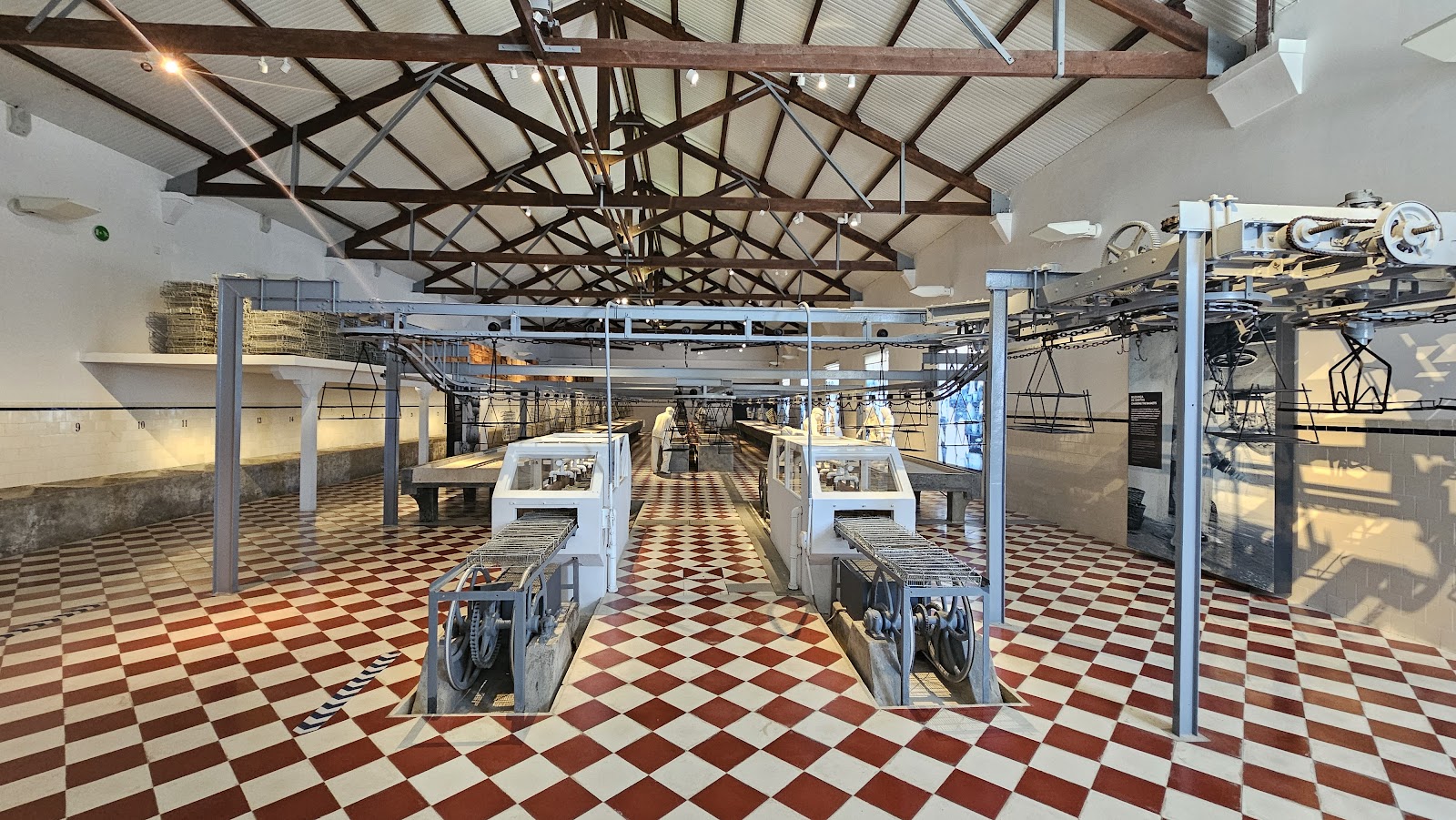
People who come back tend to linger in the reconstructed canning floor, where video and sound recreate the rhythm of the sardine lines — it rewards slower attention than a first pass allows. The section on Manuel Teixeira Gomes, the writer and president who grew up in Portimão, is easy to skip on a quick visit and worth not skipping.
The story behind Museu de Portimão
The factory was built by the firm Feu Hermanos at the end of the 19th century, when Portimão's economy ran largely on canned fish and the Arade River was the artery connecting the town to the sea. The cannery operated for decades before falling out of use; the municipality bought the complex in 1998 and spent a decade on restoration and remodelling before opening the museum on 17 May 2008.
The Council of Europe awarded it its Museum Prize in 2010 — recognition less for spectacle than for the way the building's industrial past was kept legible rather than erased. The production spaces were divided according to their original functions, and that structure still shapes how you move through the place.
Good to know
The Vai e Vem shuttle (Blue and Pink lines) stops directly outside. In August the museum runs evening hours — Tuesday 19:30–23:00, Wednesday–Sunday 15:00–23:00 — which is genuinely useful in the Algarve heat. Closed Mondays and public holidays. Entry is €3; under-16s free.
Where is Museu de Portimão?
More tickets & tours for Museu de Portimão
Book directly at the provider
What travellers say about Museu de Portimão
This really was a great experience and very informative of this Portuguese way of life. Very well thought out and put together to really bring to life what working in tinning factory would have been like,, covering everything from taking the fish off the boats to shipping the tins around the world, very reasonable pricing too
While visiting Portimão, we explored the museum to learn more about the history of sardines, and it was a great experience. As a lover of history, we found it fascinating; definitely one of the highlights of our trip.
Housed in an old sardine factory, with some local history focusing on the sardine industry. Very interesting, but not very large and the staff are a little unfriendly but worth a visit in a lovely part of Portimão.
A nice little place to visit for an hour or so. It was surprisingly interesting to learn how sardines were caught and packaged. Visited on a rainy Friday morning in February so wasn’t too busy. Seems good value to me.
Very nice little museum! We visited with our 2 kids (5 and 7 years old) in August '25 and spent about 1,5 hours there. Very cheap, we paid 4,5€ for 2 adults and kids entered for free. Very interesting to learn about how the sardine factory worked. The museum is located inside the old factory and there are still many original machines there. The old black and white movie explains very well the process from catching fish at sea until the packaging process. Very much recommended.
More of Portimão
Discover where to stay, what to do and the best deals for your trip.
Explore Portimão →More attractions in Portimão
All of Portimão →

Background adapted from Wikipedia (CC BY-SA) · map data © OpenStreetMap contributors · ratings & place photos via Google · other photos with per-image credit. Ticket links may earn us a commission at no extra cost to you.