
Praia da Rocha
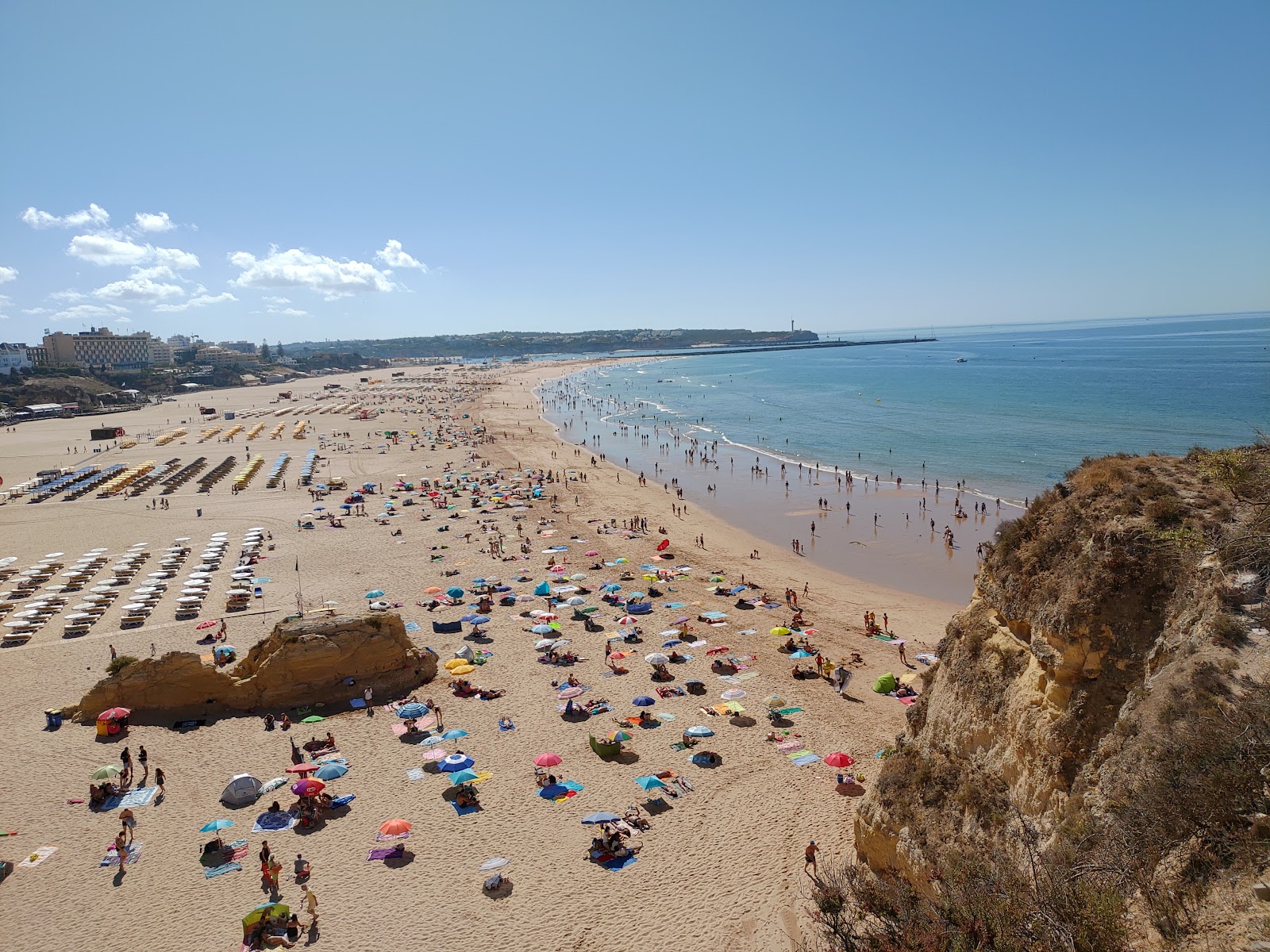
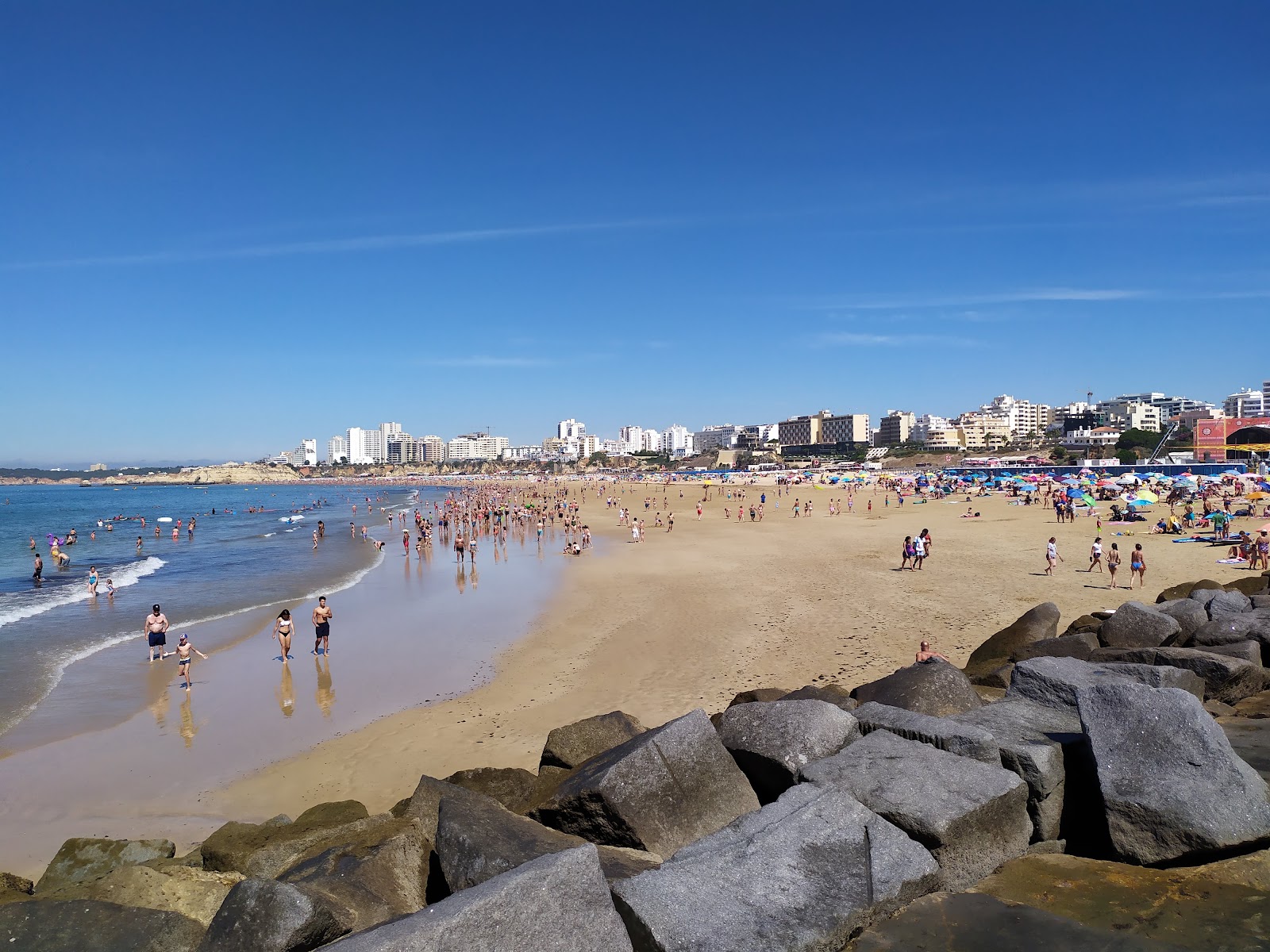
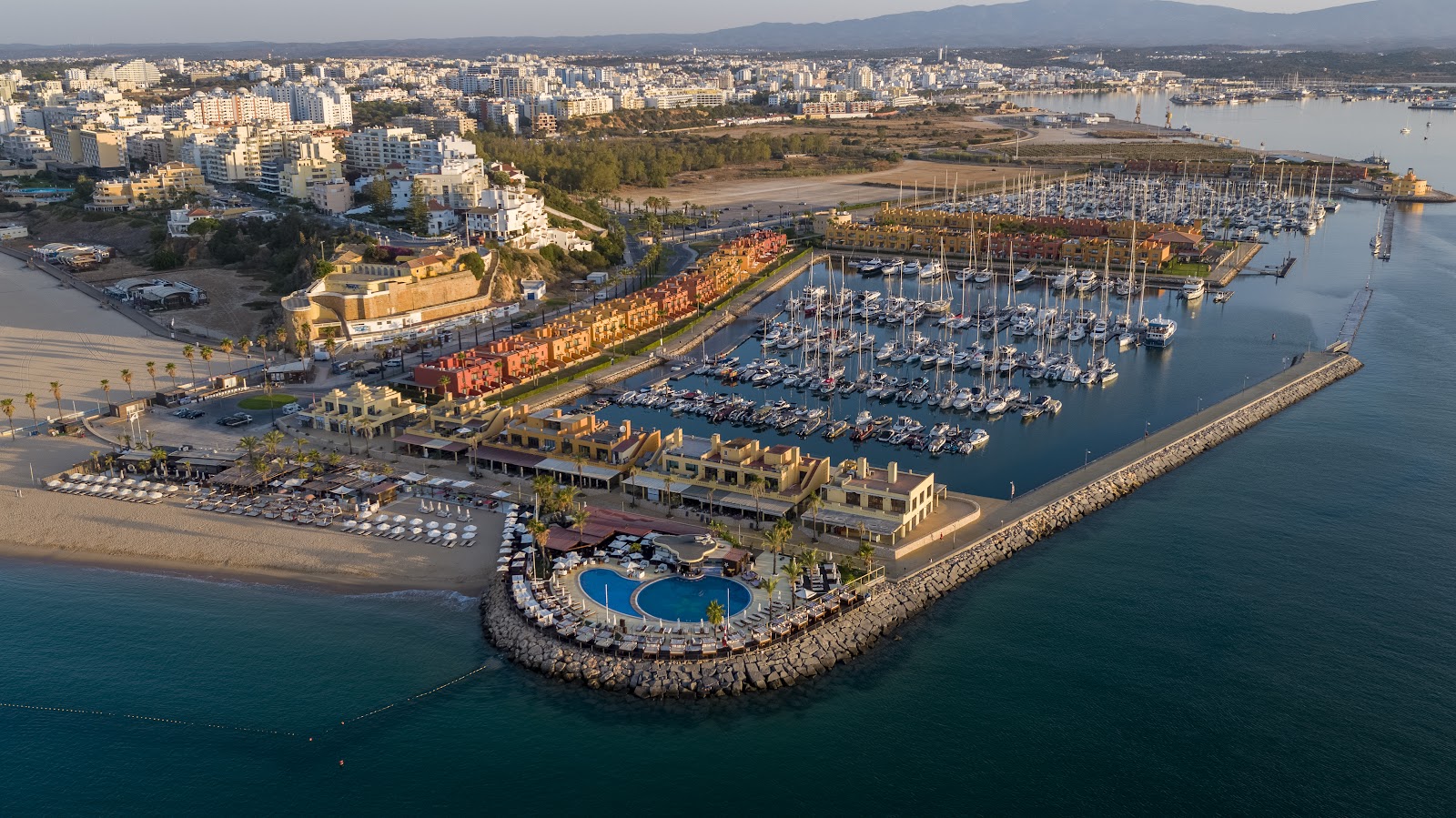
The cliffs are the first thing you notice — great ochre and amber columns of limestone rising straight from the sand, worn by Atlantic erosion into shapes that local imagination long ago decided resembled castles or pyramids. Praia da Rocha stretches 1.5 kilometres along the southern edge of Portimão, wide enough that even a crowded August afternoon leaves room to breathe.
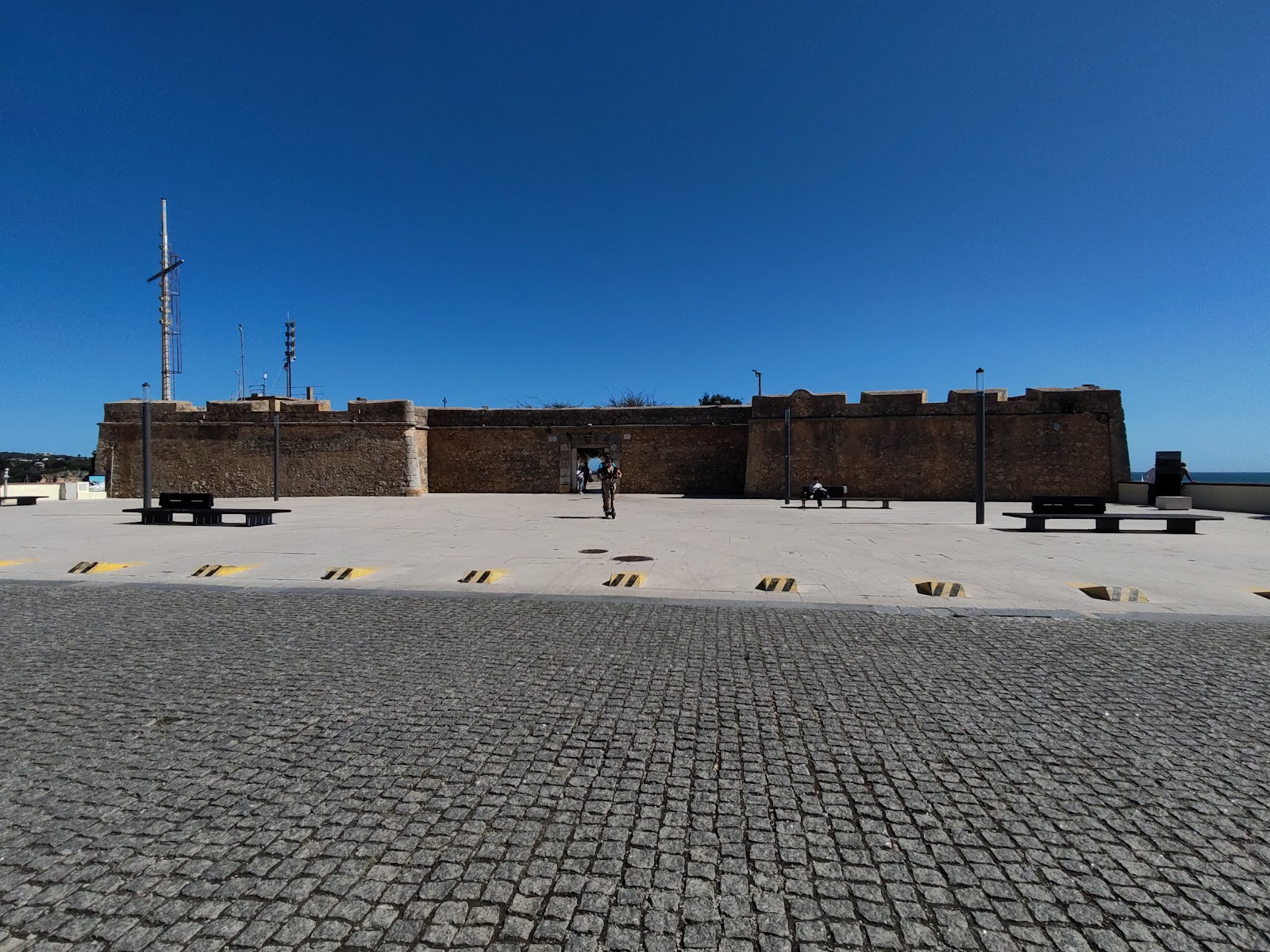
At the eastern end, the 17th-century Fortaleza de Santa Catarina stands on the point where the Arade River meets the sea, its free entry and original Gothic chapel portal easy to miss if you don't know to look. Behind the sand, Avenida Tomás Cabreira carries the restaurants, bars and hotels that have accumulated here since the late 1800s.
💛 What travellers fall for
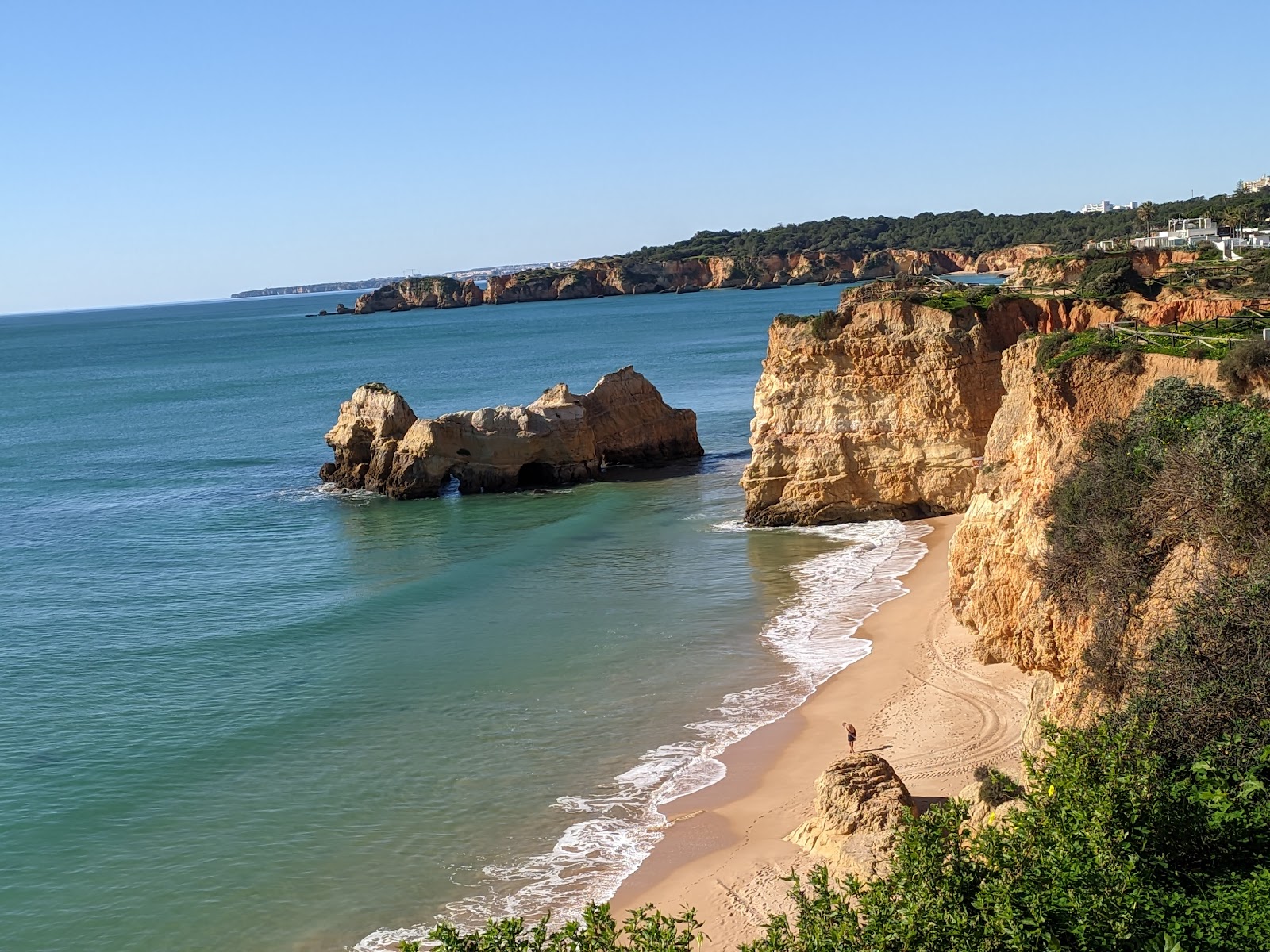
People who return tend to walk west, past the main beach crowds, to Praia dos Três Castelos, where the rock formations grow stranger and the sunbeds thin out. The tourist train along Avenida Tomás Cabreira is genuinely useful — it runs every half hour in season and connects the fort, the marina and Praia do Vau without backtracking.
The story behind Praia da Rocha
Praia da Rocha was drawing visitors from Portimão, the wider Algarve and Andalusia before the 20th century began, and British travellers were already treating it as a winter retreat by the late 1800s. The pace quickened on 1 August 1910, when the casino opened — a signal of how seriously the place was taking its resort identity. By the 1930s it had settled into something more genteel: grand villas, the Hotel Viola (expanded after 1932), and the Bela Vista mansion, built in 1918, which still operates as a hotel.
Mass tourism arrived in the 1970s and 1980s and reshaped the skyline with apartment blocks. The western end of Avenida Tomás Cabreira was repaved and pedestrianised in 2006, a modest effort to recover some of the boulevard's earlier character.
Good to know
Bus 33 from Portimão city centre runs every 30 minutes; the Aerobus from Faro Airport takes about 1 hour 25 minutes and costs €11. May, June and September give you warm water and manageable crowds. July and August between 11am and 4pm are the peak compression hours — arrive early or late.
June through September brings reliable sun and highs in the mid-to-upper 20s°C; August is the driest month and the sea reaches around 22°C. Spring and autumn are quieter and still warm enough for the beach; from November the rain arrives and most facilities close until Easter.
Where is Praia da Rocha?
More tickets & tours for Praia da Rocha
Book directly at the provider
What travellers say about Praia da Rocha
Wow. I had no idea how beautiful the Algarve was until we arrived. These soft beaches surrounded by the sand and limestone cliffs were absolutely breathtaking. We arrived in the off-season, which probably means it was much quieter than in the summer! The beaches were pristine and just so stunningly beautiful. What an incredible place to adventure.
Beautiful soft sand and the sea was significantly warmer than in Lagos. Just an absolutely long stretch of beach with sun loungers. Bring your own snacks and drinks.
Came here (out of season) because it was advertised as one of the best wheelchair accessible beaches in the Algarve. And it's sort of OK, with caveats... The ONLY wheelchair access is from the pier end. There is no wheelchair access from any other place along the entire beach. (Well... about halfway down the beach, there's one tiny car park that takes three disabled vehicles down a very steep slope that could also provide wheelchair access via a car. Other than that there's nothing else). In winter the boardwalk is accessible, but the beach is not as they seem to have removed most of all of the boardwalk spurs that go towards the sea. Oddly, the a little wheelchair ramps that "connect" the main boardwalk to the spurs is not connected at all! The ramp just leads down into sand. You'd have to get over about 20 m of sand before you reconnect to the spur that walking people could just walk down onto via some steps. It's a weird setup. Maybe those spurs are accessible in summer, if they properly connect the boardwalks to each other I'm pretty disappointed in the Algarve generally from a wheelchair accessibility perspective. Cobblestones rule the streets everywhere, and they don't even try to add accessible channels within them, except in very rare places. It's almost as if they didn't realise they are the population who will almost certainly live into their 90s and regret these inaccessible design choices
The most famous beach in the Algarve, the most chic and trendy and the busiest as well ... This large beach, bordered by imposing ochre and red cliffs, carved out by caves, is a favorite destination for Germans and English tourists. Unfortunately, the seafront buildings overlook these same cliffs and somewhat spoil our enjoyment! Festivals, parties, and DJs in season delight a young, cosmopolitan crowd. Restaurants spread along the new wooden walkway, aimed at tourists. Whether you like this setting or not, the atmosphere is there. You can always take a stroll along the beaches, from Praia da Rocha to Praia da Vau, passing by Praia dos Três Castelos at low tide ...
Wow. This beach exceeded expectations. Walked it for about 2 km and loved every part of it. Dramatic waves and beautiful cliffs. Easily accessible and there's a viewpoint after about 1km where you can watch the sunset over the cliffs.
More of Portimão
Discover where to stay, what to do and the best deals for your trip.
Explore Portimão →More attractions in Portimão
All of Portimão →
Background adapted from Wikipedia (CC BY-SA) · map data © OpenStreetMap contributors · ratings & place photos via Google · other photos with per-image credit. Ticket links may earn us a commission at no extra cost to you.