
Olhão
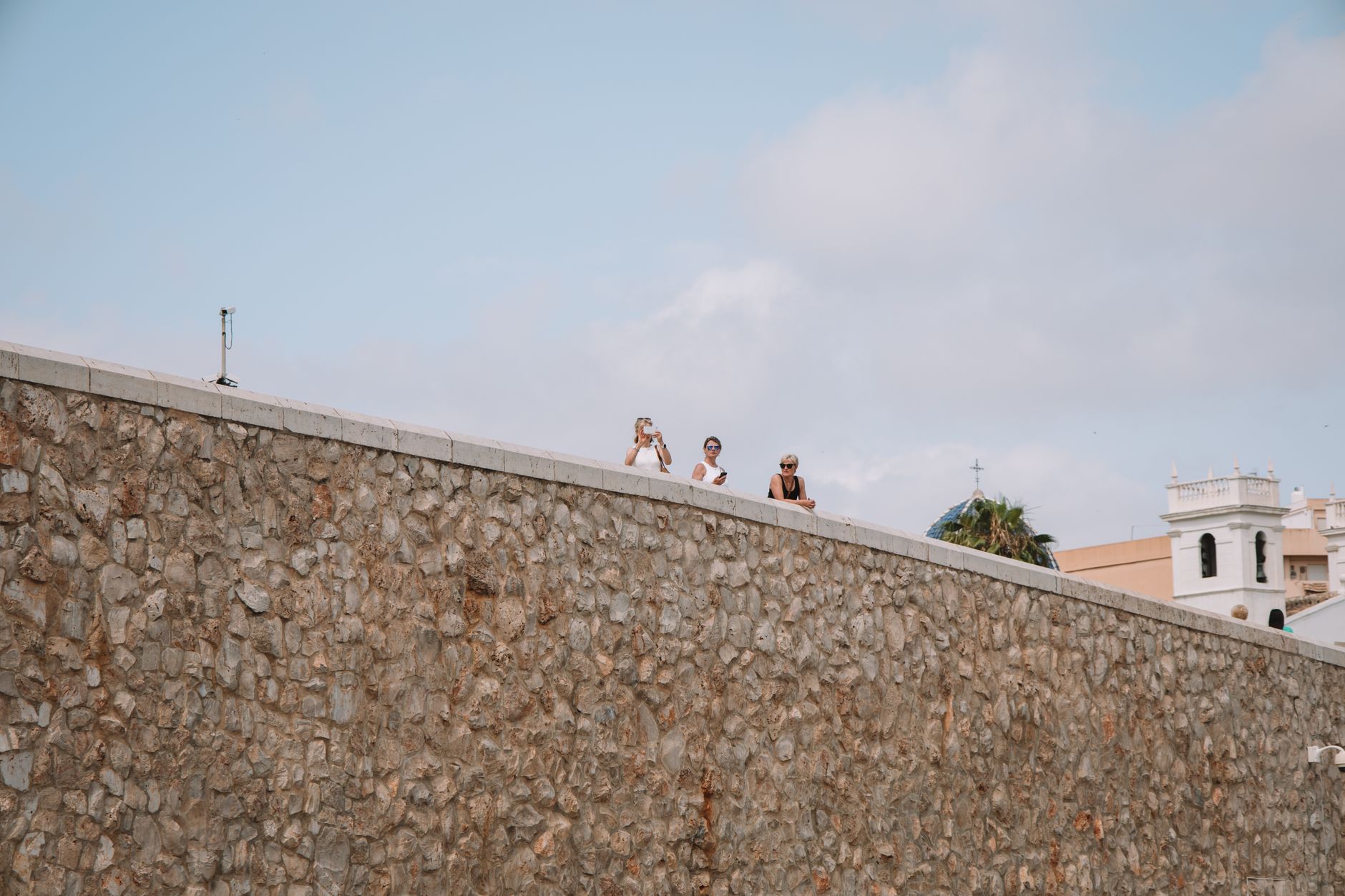
The fish auction at Olhão's waterfront market starts before most people have finished their coffee. Two red-brick neo-Arabic halls have stood at the water's edge since 1916, and the eastern one still runs the largest fish market in the Algarve — the kind of place where the catch arrives in crates and the prices are called out fast. A few steps away, a replica of the caíque Bom Sucesso sits moored at the quay, a 20-metre wooden boat with lateen sails that nods to one of the more quietly remarkable moments in Portuguese history.
Beyond the market, Olhão settles into the Bairro da Barreta, its oldest quarter, where the houses stack like white cubes and the streets narrow down to almost nothing. The ferry terminal, just beside the market, connects you to the barrier islands of the Ria Formosa — Armona and Culatra are twenty to thirty minutes by boat.
💛 What travellers fall for
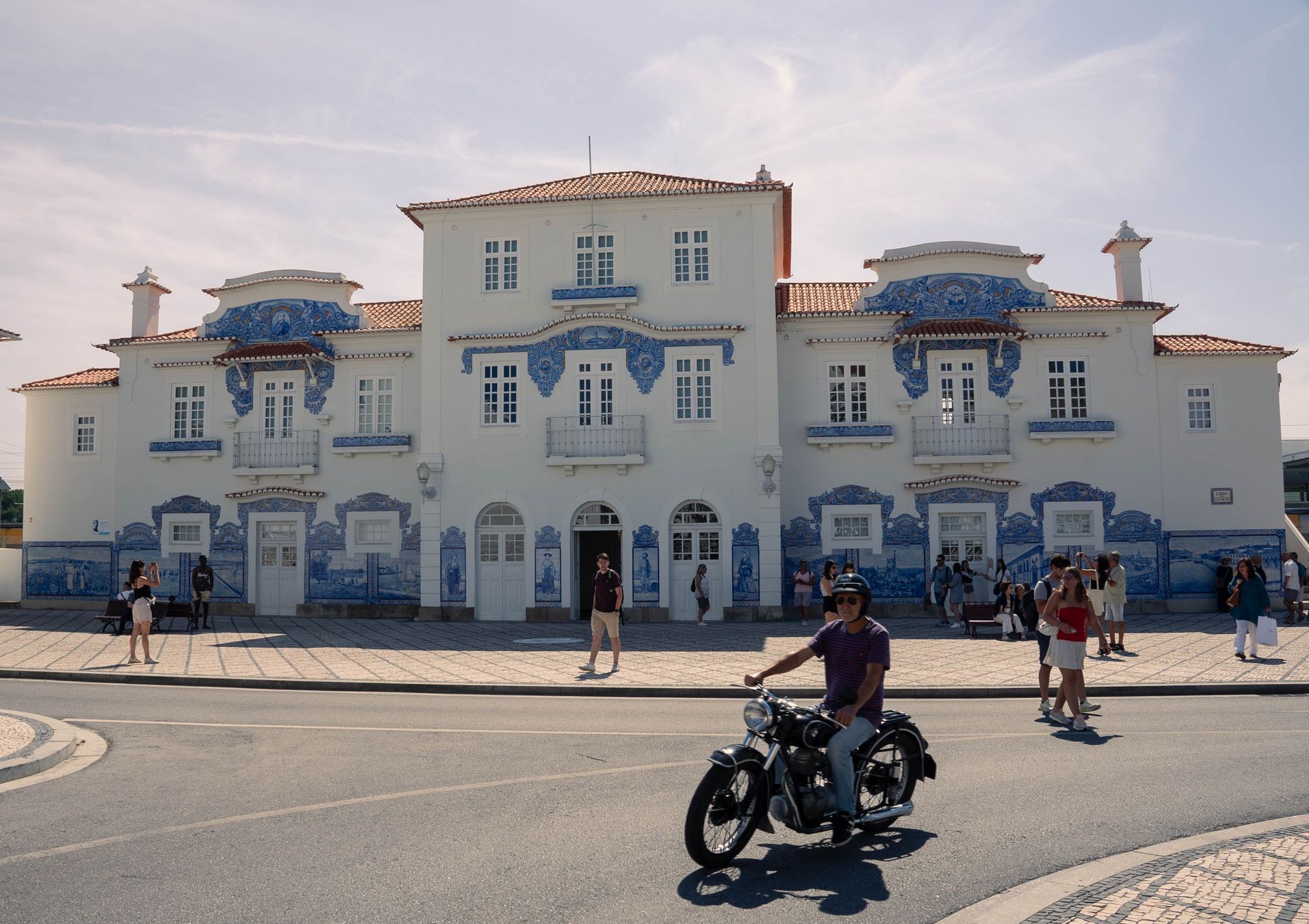
People who come back tend to time the train from Faro deliberately — six minutes, barely two euros — to arrive at the market on a weekday morning when the fish auction is still running. The azulejo panels on Casa Baeta, on Avenida Bernadino da Silva, are easy to walk past without knowing Jorge Colaço made them; stop and look.
Deals in Olhão
Book directly at the provider

How Olhão came to be
The name appears in writing as far back as 1378, recorded as Olham, but the town as a settled place took shape slowly. Fishermen began gathering along the beach in the early 17th century, drawn by the estuary; the smallest church, the Chapel of Nossa Senhora da Soledade, dates from that period. Official recognition as a village came in 1695, and the first stone structure went up in 1715 in the Bairro da Barreta.
In June 1808, during the French occupation of the Peninsula, Olhão rose against its occupiers — one of the few towns in the region to do so openly — and drove them out. A month later, seventeen men sailed a caíque called Bom Sucesso to Brazil to carry the news to the exiled Prince Regent João VI. The town became a municipality in 1826, opened its first cannery in 1882, and was elevated to city status in 1985.
Who and what shaped it
People who shaped it
Landmark buildings
See Olhão in motion
Plan your visit
On the map
When to go
Olhão has a Mediterranean climate — hot, dry summers and mild winters, averaging around 18°C across the year. Spring and autumn give you warm days without the full weight of July and August heat, which makes them the easier seasons for walking the old quarter and the waterfront.
Right now
Background & history adapted from Wikipedia (CC BY-SA) · specs from Wikidata (CC0) · weather from Open-Meteo · map data © OpenStreetMap contributors · photos from Wikimedia Commons / Unsplash with per-image credit. No third-party reviews or social posts reproduced.