
Faro
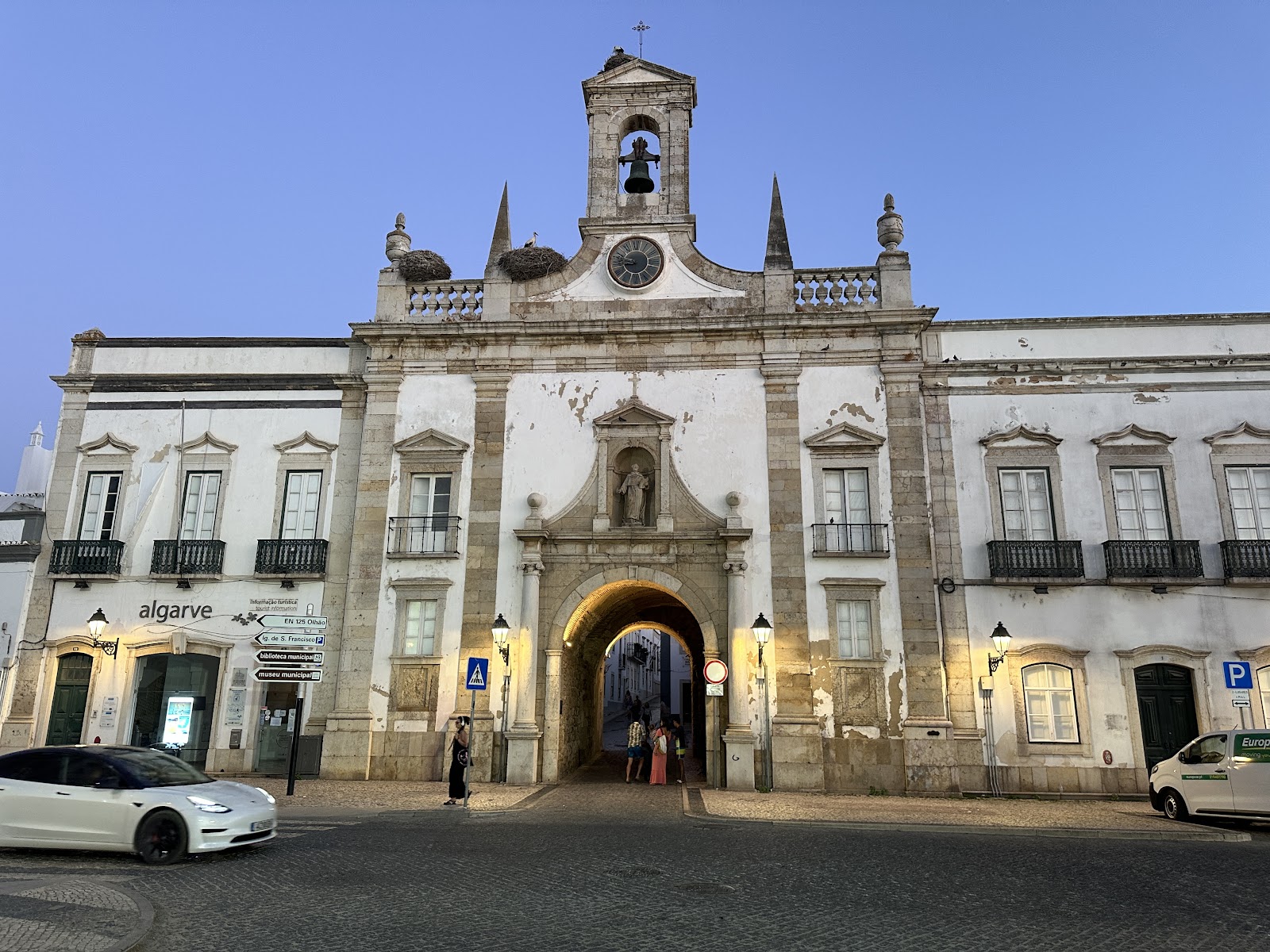
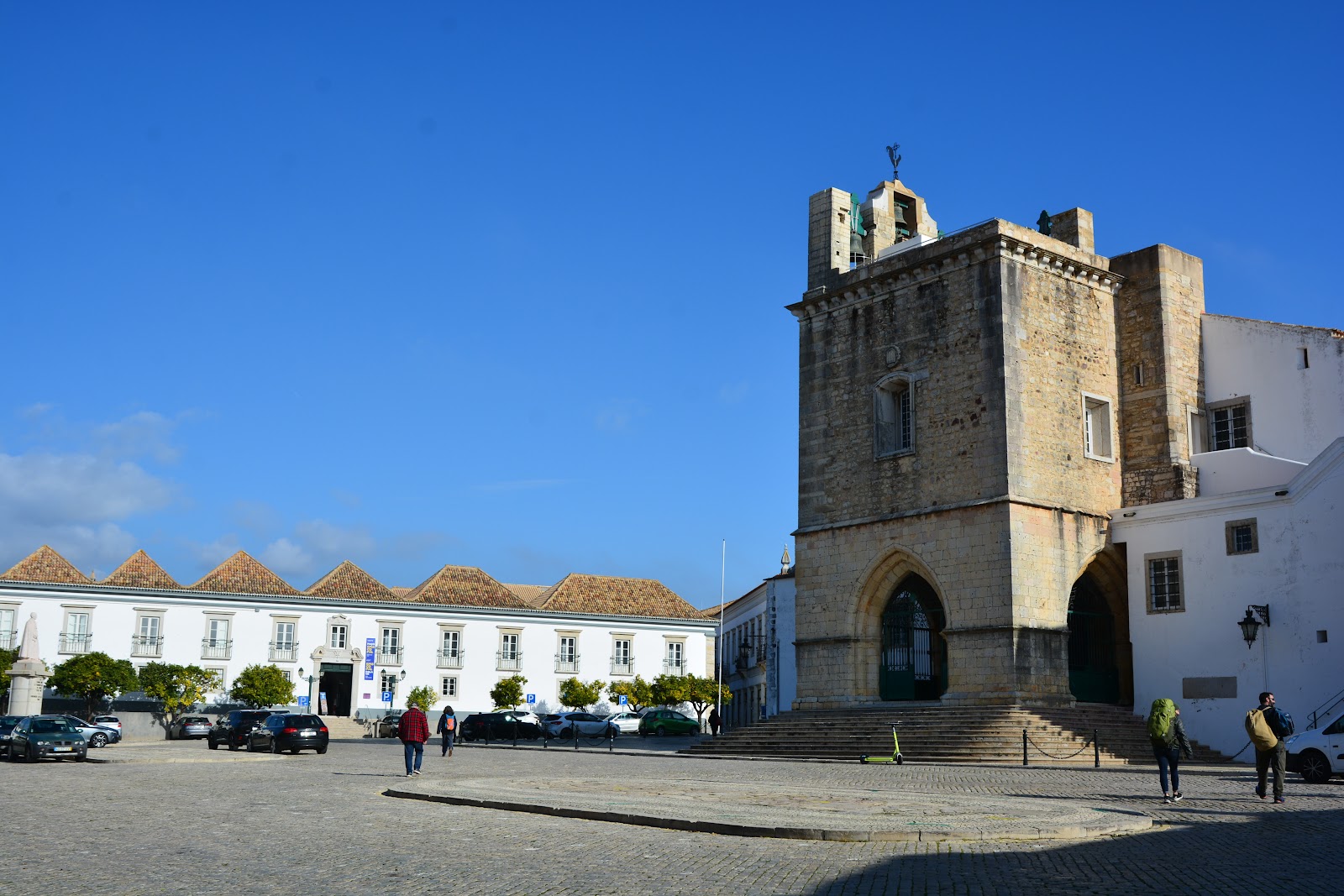
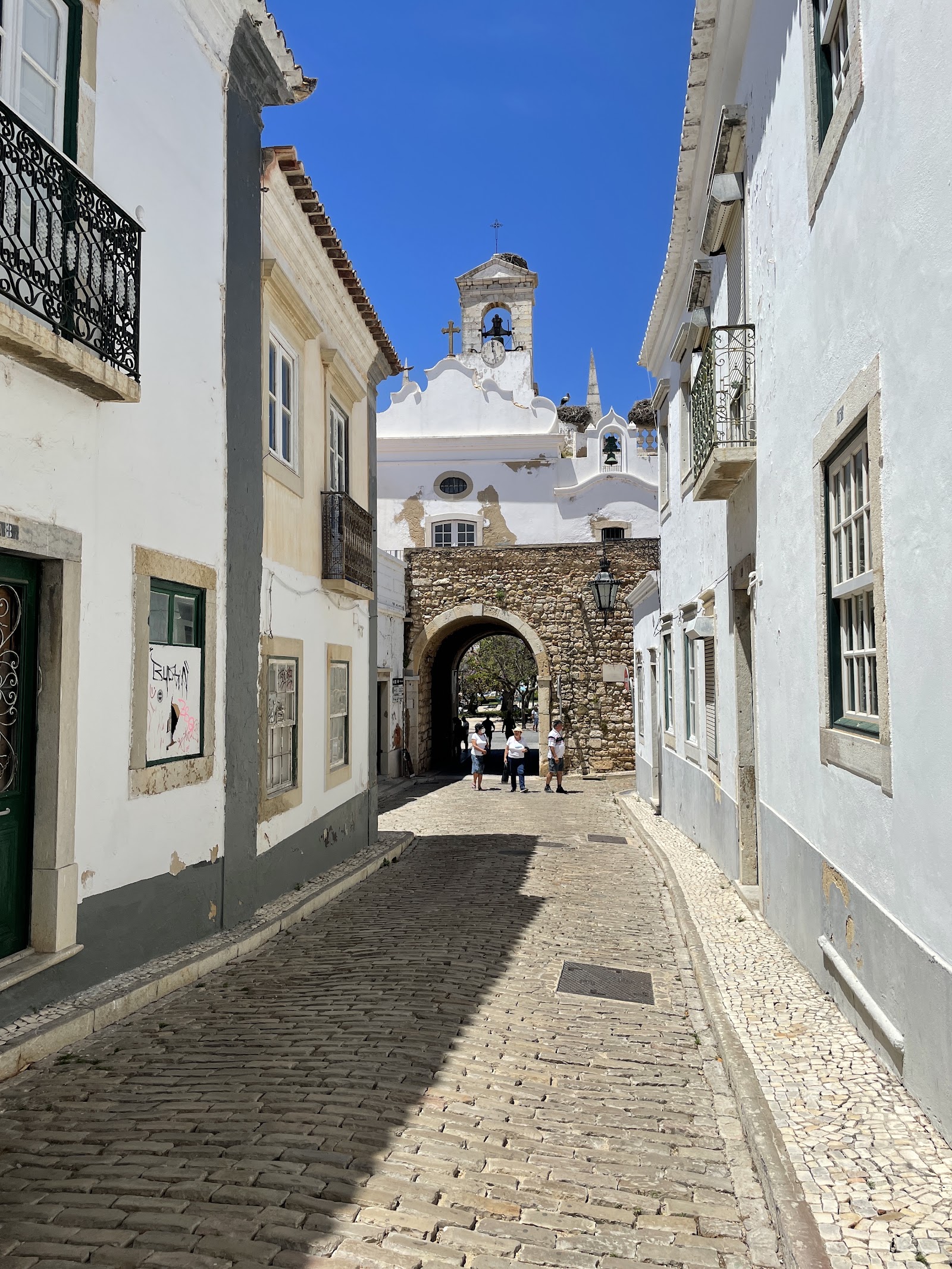
Most people pass through Faro on the way to somewhere else, which means the city gets to keep its own life largely intact. The old town — Cidade Velha — sits behind a complete circuit of Moorish walls, and once you step through the 19th-century Arco da Vila gateway, the pace changes noticeably. A cathedral built in the 13th century faces a square shaded by orange trees. The bones of around a thousand monks line a chapel off a Baroque church.
Outside those walls, Faro runs on local business. The stretch of South Modern and Art Deco buildings put up between 1940 and 1980 gives the modern centre an architectural personality that most Algarve towns traded away long ago. It rewards a slow afternoon.
💛 What travellers fall for
People who come back tend to structure the day the same way: Cidade Velha and the cathedral first, then the Chapel of Bones at Igreja do Carmo before lunch, then the modern streets after. Bus 16 from the airport for €2.25 — paid to the driver — is the move. Taxis are fine but unnecessary.
Deals in Faro
Book directly at the provider

How Faro came to be
Faro has been fought over for most of its recorded life. Phoenicians settled here in the fourth century BC; Romans built it into a proper town called Ossonoba. The Moors held it from the early 8th century until 1249, when Afonso III took it — the last Moorish stronghold to fall in Portugal. The city was elevated to a bishopric in 1540, then sacked in 1597 by English privateers under Robert Devereux, 2nd Earl of Essex, who carried off the library of Bishop Fernando Martins de Mascarenhas among other things.
The 1755 earthquake, and the tidal wave that followed it, flattened what remained of the older city. Reconstruction was slow and uneven, which is partly why Faro feels like several eras stacked on top of each other. The international airport opened on 11 July 1965, and the Algarve's tourist economy arrived shortly after — though Faro itself absorbed less of it than the towns to its west.
Who and what shaped it
People who shaped it
Landmark buildings
See Faro in motion
Plan your visit
On the map
When to go
Summer (June through August) is hot, dry and reliably sunny — 27–28°C at peak, almost no rain. Spring and autumn offer milder temperatures and fewer crowds, though April and November can bring spells of wind and rain. Winter is mild by northern European standards, typically staying above 10°C by day, with sunny stretches between wetter periods.
Right now
↡ Attractions


Background & history adapted from Wikipedia (CC BY-SA) · specs from Wikidata (CC0) · weather from Open-Meteo · map data © OpenStreetMap contributors · photos from Wikimedia Commons / Unsplash with per-image credit. No third-party reviews or social posts reproduced.