
Faro Beach (Praia de Faro)
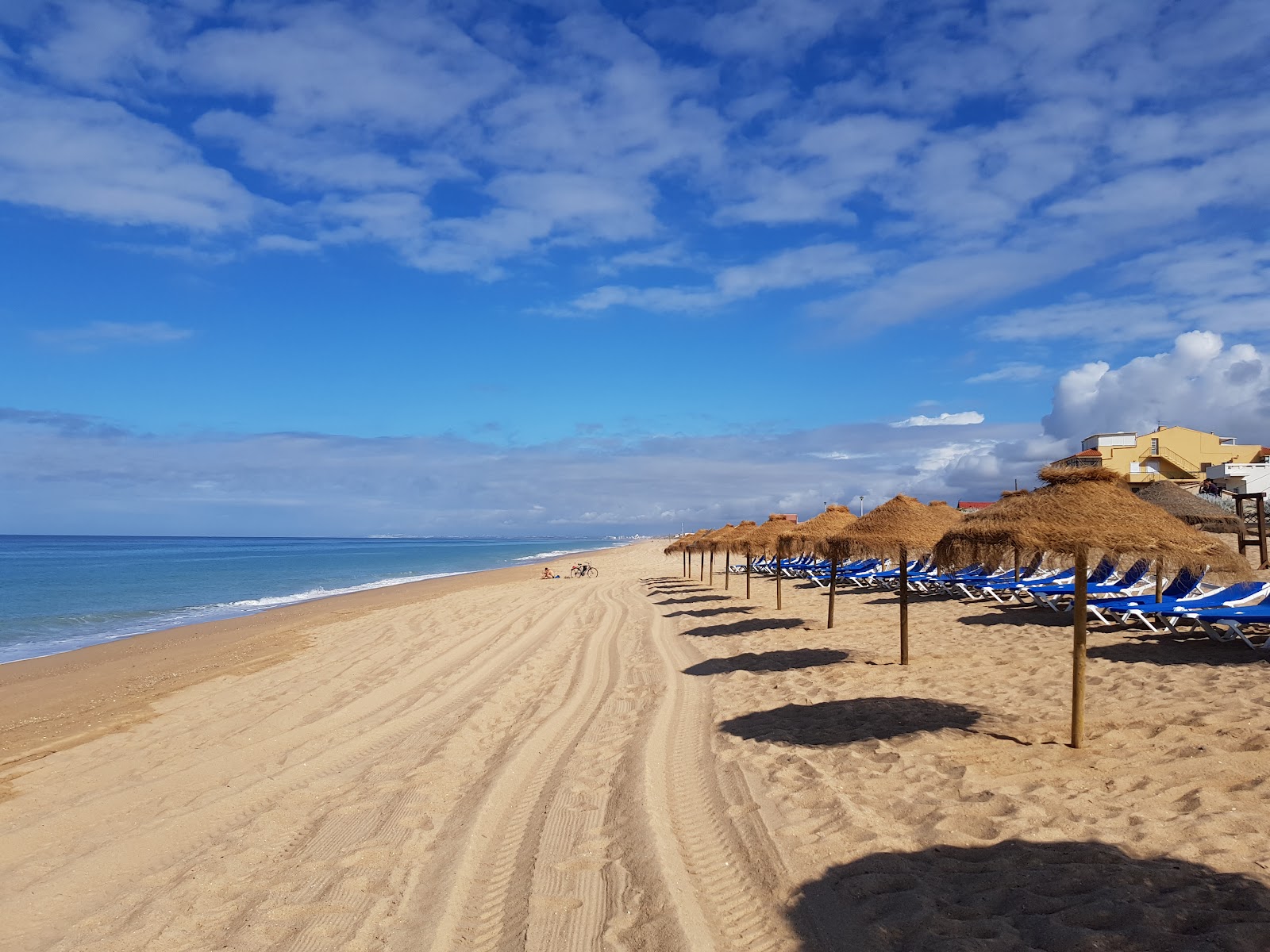
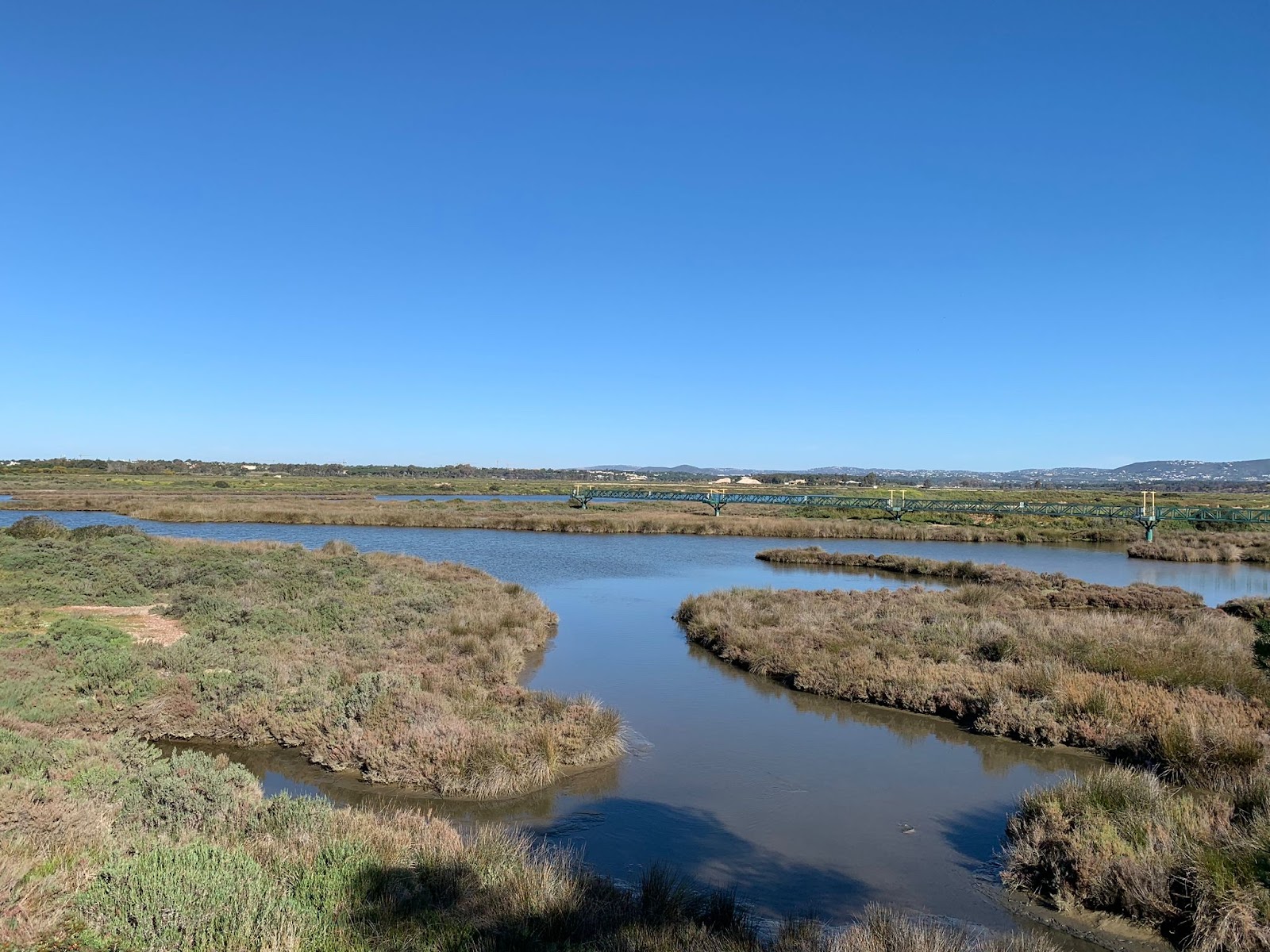
Locals call it simply 'a Ilha' — the island — and the name tells you what matters: this is a place apart. A narrow sand peninsula stretches five kilometres into the Atlantic, with Ria Formosa's still lagoon on one side and proper ocean surf on the other. The single road bridge that links it to the mainland keeps the crowds manageable outside summer, and the mix of 1950s fishermen's cottages, geometric villas, and the odd cobogó-fronted hotel gives it a texture that feels accumulated rather than designed.
Near the campsite water tower, look for Bordalo II's bas-relief seahorse — assembled from plastic waste and discarded fishing gear, revealed in April 2021. It's a quiet argument about what ends up on these shores.
💛 What travellers fall for
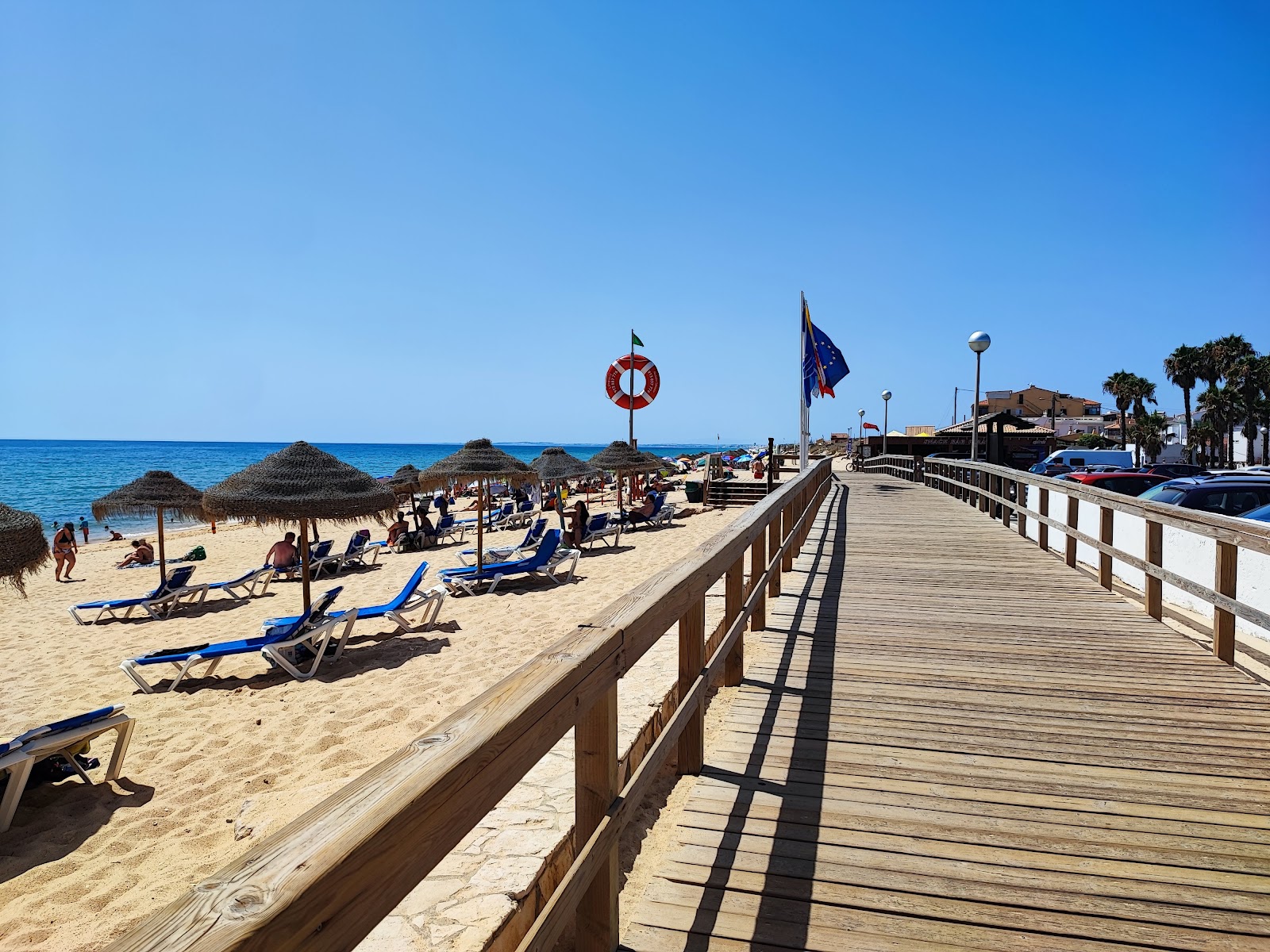
Regulars skip the western car park scrum and take bus 16 from Faro station — twenty minutes, €2.80, no parking anxiety. For lunch, Zé Maria and Elementos come up reliably. Anyone who's walked the full length knows the eastern end sheds its lifeguards and its crowds in roughly equal measure, finishing at the quieter Praia da Barrinha.
The story behind Faro Beach (Praia de Faro)
The peninsula sits inside the boundaries of Ria Formosa Natural Park, protected by Decree-Law 373/87 of 8 December 1987 — a designation that has kept development in check and the lagoon ecosystem largely intact. The built fabric tells an earlier story: fishermen's cottages from mid-century sit alongside the geometric holiday villas that arrived in the 1950s, when the beach began drawing visitors from Faro proper.
In January 2025 a new access bridge replaced the old crossing, easing the bottleneck that had long made summer arrivals a test of patience. The infrastructure has changed; the sand hasn't.
Good to know
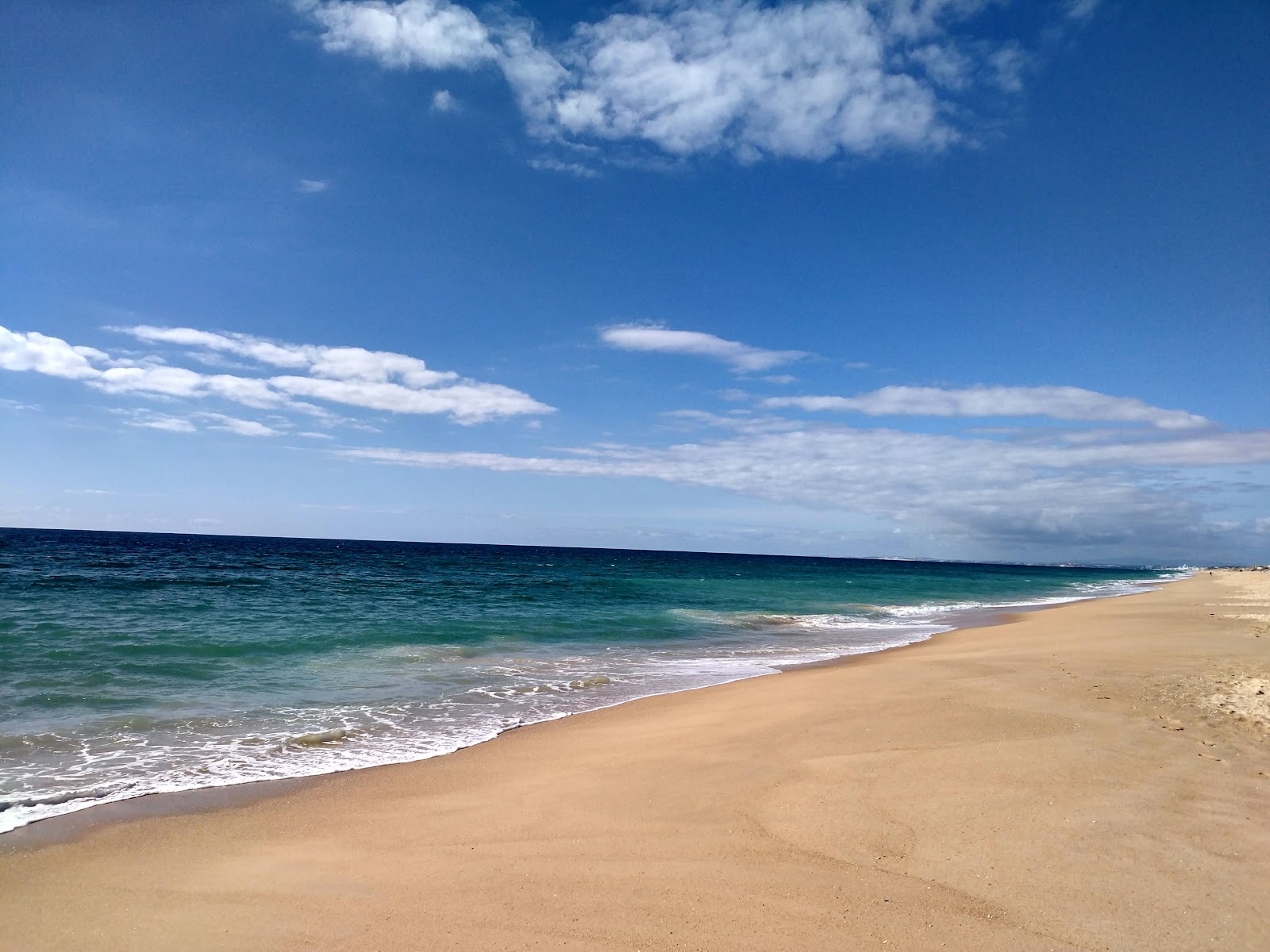
Buses 14 and 16 run from Faro bus station every 30–40 minutes; a summer ferry crosses the lagoon from the city port. June to mid-September is peak season — crowded but reliably warm. The sea stays around 22°C in summer but reads colder than it looks; experienced swimmers find it bracing rather than inviting.
June through mid-September brings 12-hour days, temperatures between 24 and 28°C, and almost no rain — the classic Algarve window. Spring and autumn are quieter and still sunny, with comfortable walking temperatures; winter stays mild at around 16°C but the beach infrastructure largely closes down.
Where is Faro Beach (Praia de Faro)?
More tickets & tours for Faro Beach (Praia de Faro)
Book directly at the provider
What travellers say about Faro Beach (Praia de Faro)
Public beach with some nice lounge chairs under shade. The waves are FEROCIOUS though, good luck wading too far into the water. The shells/rocks in the sand are a bit spiky but it's okay.
Very good and clean beach ⛱️ Busy during the summer holiday season. Absolutely amazing view of sunset. Sometimes are very high waves. Great place for a summer holiday. A short distance from the Faro international airport. Many hotels, restaurants and bars in the area.
Awesome beach, with good options for restaurant and fold nearby, however be ready because the ocean water is ice cold. The vibe is really fun though, however expect many people being around
Lovely place to watch the sun break early in the morning and enjoy the sound of the crashing waves. After a few photographs had to stroll across the bridge and back before heading to the nearby café and having café con Leche.
Gorgeous sandy strip of beach. There are a couple of shops here and about 6 or 7 places to eat. Beach is very slim but not overly crowded. Catch the Ferry or the numbers 14 or 16 bus to get there.
More of Faro
Discover where to stay, what to do and the best deals for your trip.
Explore Faro →More attractions in Faro
All of Faro →

Background adapted from Wikipedia (CC BY-SA) · map data © OpenStreetMap contributors · ratings & place photos via Google · other photos with per-image credit. Ticket links may earn us a commission at no extra cost to you.