
Faro Old Town (Cidade Velha)
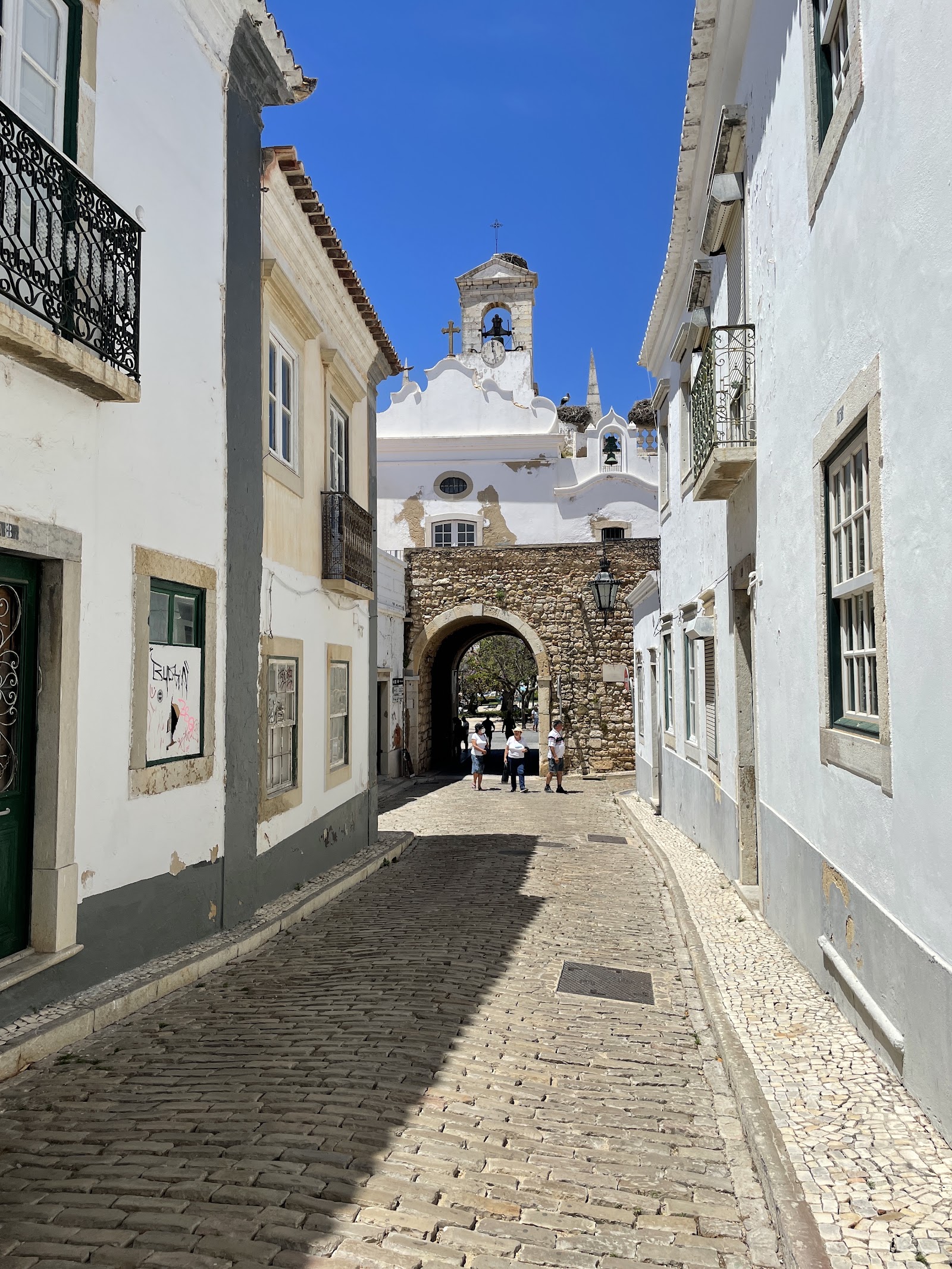
The walled quarter sits at the southern edge of Faro, pressed up against the lagoon, and the first thing you notice is the orange trees in Largo da Sé — their fruit left unpicked, scenting the square. Inside the walls, the city compresses into a few cobbled streets and a sequence of buildings that have been Roman, Moorish, Christian and earthquake-battered in turn, sometimes all at once.
The Arab Gate on the waterside is said to be the best-preserved example of Islamic architecture in Portugal. The cathedral stands on ground that held a Roman temple, a Visigothic church and a mosque before it. The layers here are not metaphor — they are stone.

💛 What travellers fall for
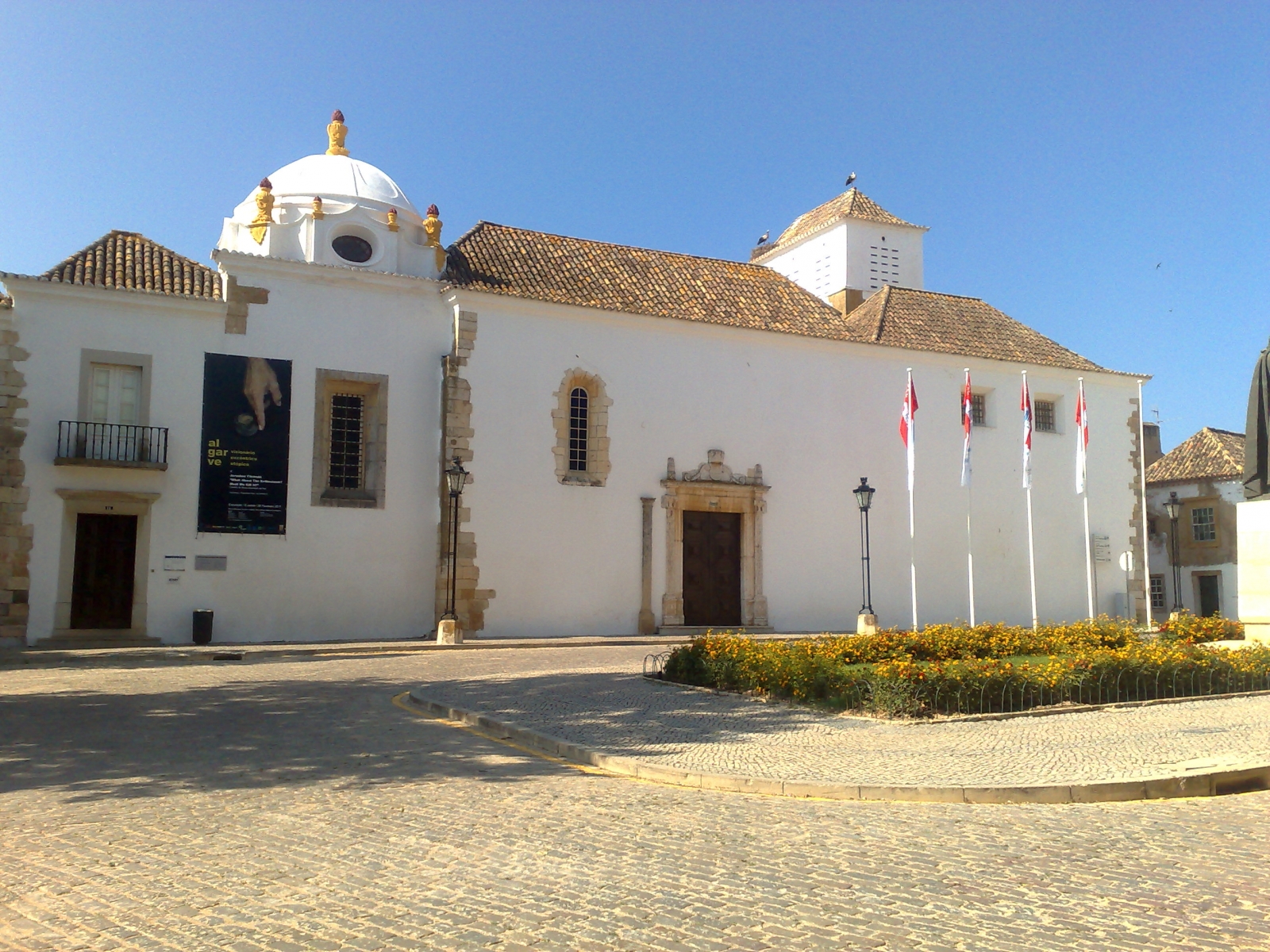
People who return tend to mention the Bishop's Palace, opened to visitors only in 2019 and still undervisited. The 18th-century tile panels in the Throne Room repay slow looking. The tiny printing museum on Rua do Município — a single room in a former chapel — is easy to miss and worth finding: Faro printed Portugal's first book here in 1487.
The story behind Faro Old Town (Cidade Velha)
Settlement here reaches back to prehistoric times, and the Romans knew the place as Ossonoba. Under Islamic rule the city was called Ukxûnuba, later Santa Maria Ibn Harun, and it was from the Moors that King Afonso III took it in March 1249 — the Arco do Repouso marks the spot where he is said to have rested afterwards. By the late 15th century Faro had become a printing centre; the Pentateuch produced here in 1487 was the first book printed in Portugal.
The 1755 earthquake that flattened much of southern Portugal left the Old Town largely standing, though scars remained. Bishop Francisco Gomes do Avelar oversaw the reconstruction and in 1812 commissioned the Arco da Vila — the neoclassical arch that now serves as the main entrance — from which storks still nest each spring.
Good to know
The Old Town is a short walk from the marina and about ten minutes from the airport by taxi. Individual sites keep their own hours — the Cathedral closes Sundays, the Municipal Museum closes Mondays. A combined cathedral ticket (€5) covers the tower, bone chapel and museum. Go on a Sunday morning for free museum entry before 2:30pm.
Summer inside the walls can be genuinely hot; the narrow streets offer shade but little breeze. Spring and autumn are easier for walking — warm enough, with fewer crowds. The orange trees in Largo da Sé are at their most fragrant in late winter.
Where is Faro Old Town (Cidade Velha)?
More tickets & tours for Faro Old Town (Cidade Velha)
Book directly at the provider
What travellers say about Faro Old Town (Cidade Velha)
Cidade Velha in Faro is full of charm and history. Walking through its narrow streets and past traditional buildings gives a real sense of the city’s past. It’s peaceful, photogenic, and perfect for a relaxed stroll. The area has some lovely cafés and small shops, making it easy to take a break and soak in the local atmosphere. A must-visit for anyone wanting to experience Faro’s authentic character.
Wonderful little town to visit! Would recommend
We ventured up on the off chance and were lucky to find a table—what a gem! Such an amazing rooftop, really chilled and peaceful. The sirloin was tender and cooked perfectly, and the service was spot on. Definitely worth a visit.
The journey into Faro Old Town begins at the Arco da Vila, a majestic archway that forms part of the original Moorish city walls. As you step through this gateway, you're transported into a labyrinth of narrow, cobblestone streets and centuries-old buildings. The architecture here is a fascinating blend of Gothic, Renaissance, and Baroque styles, reflecting the city's diverse historical influences.
We had the pleasure of visiting Cidade Velha for supper and were absolutely not disappointed. A warm welcome in this lovely restaurant where we were served efficiently and with a friendly waitress and had the food shown in the pictures below. We thoroughly enjoyed the experience and considered it good value and very tasty. The restaurant also enjoys a good setting. I have no hesitation in recommending this restaurant!
More of Faro
Discover where to stay, what to do and the best deals for your trip.
Explore Faro →More attractions in Faro
All of Faro →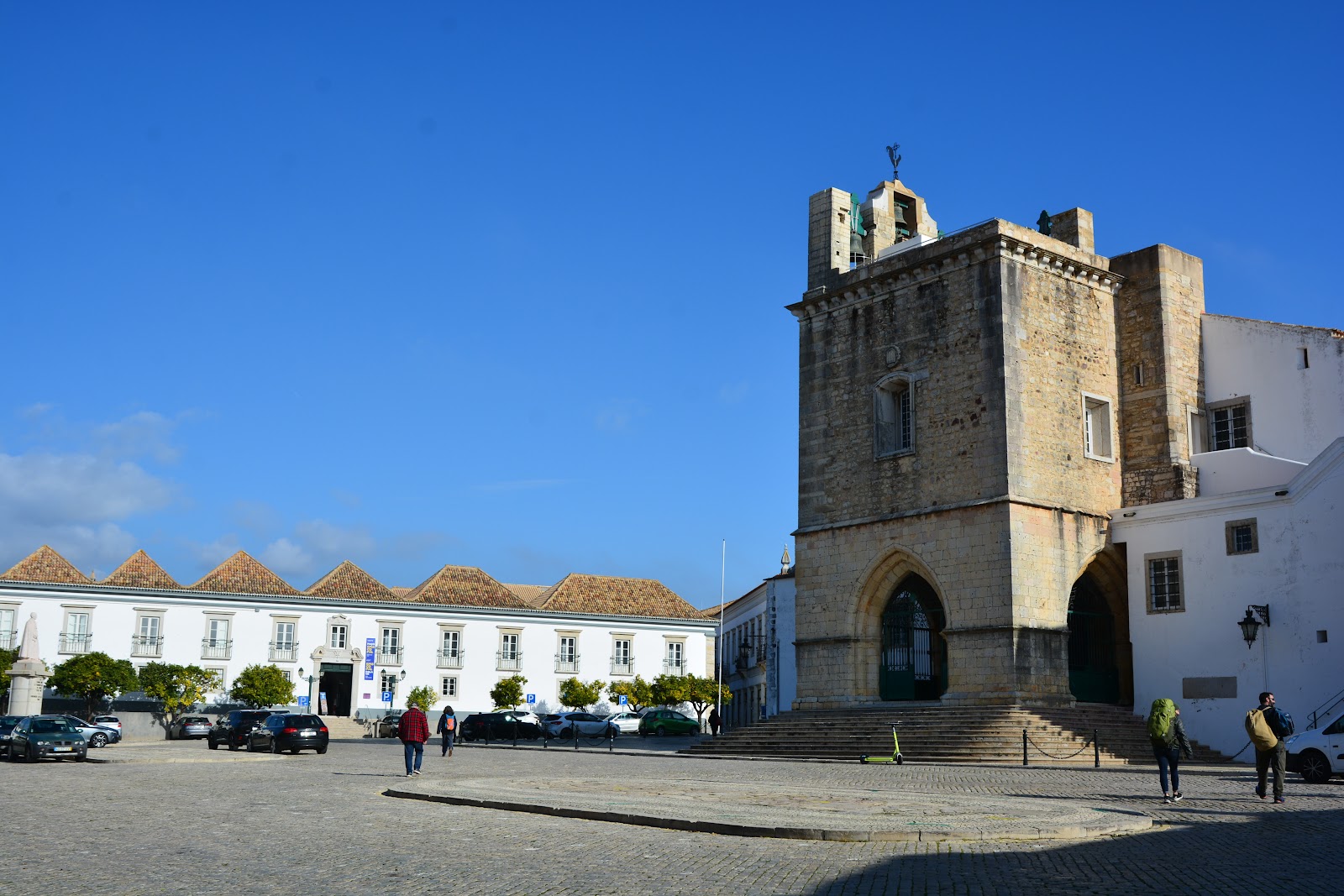


Background adapted from Wikipedia (CC BY-SA) · map data © OpenStreetMap contributors · ratings & place photos via Google · other photos with per-image credit. Ticket links may earn us a commission at no extra cost to you.