
Faro Cathedral (Sé de Faro)
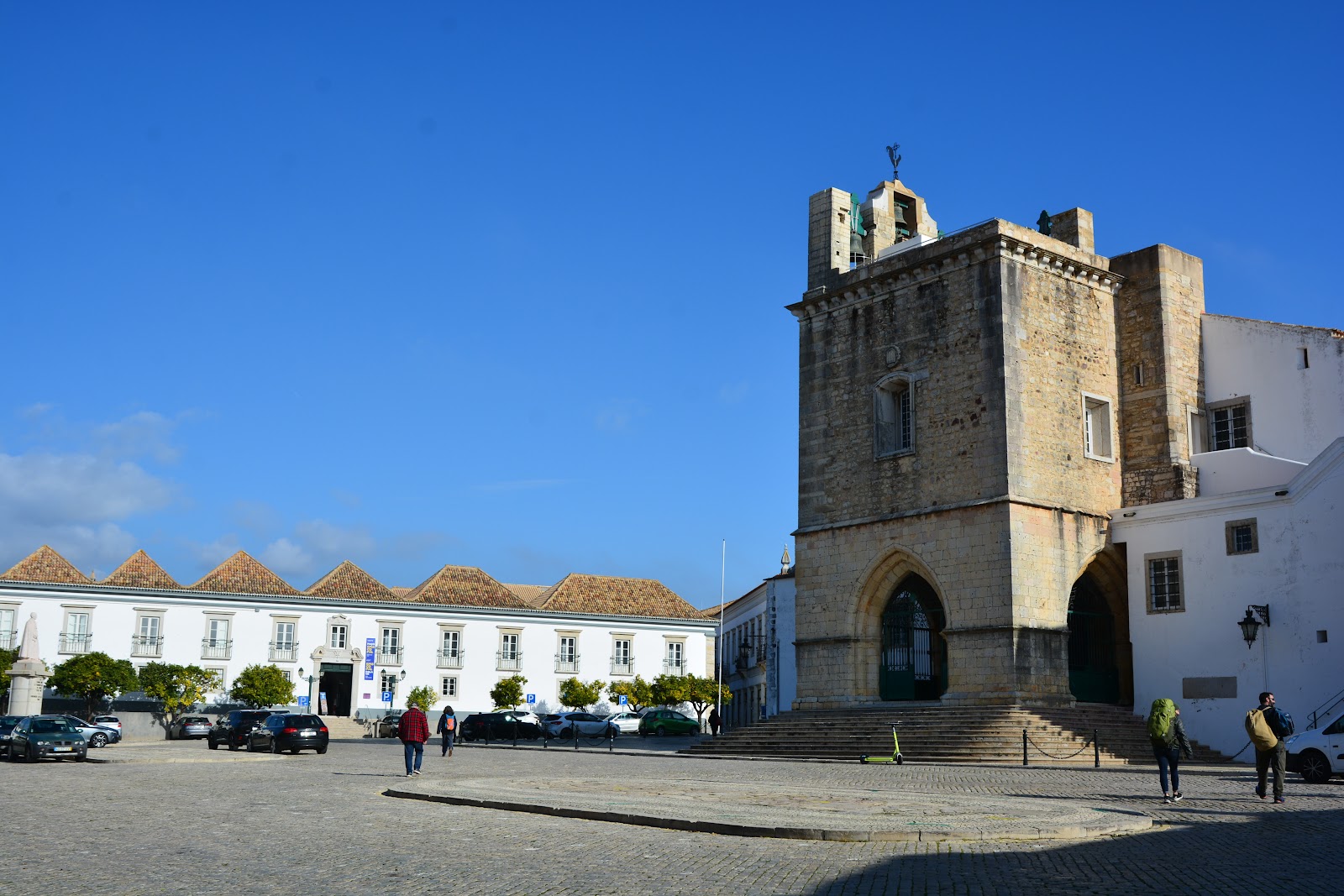
Stand in Largo de Sé and you're standing on roughly two thousand years of religious real estate — Roman forum, then mosque, then this cathedral, whose construction began in 1251, two years after Christian forces took back the town. The Gothic bell tower from that first build still rises above the square, unchanged in outline if not in story.
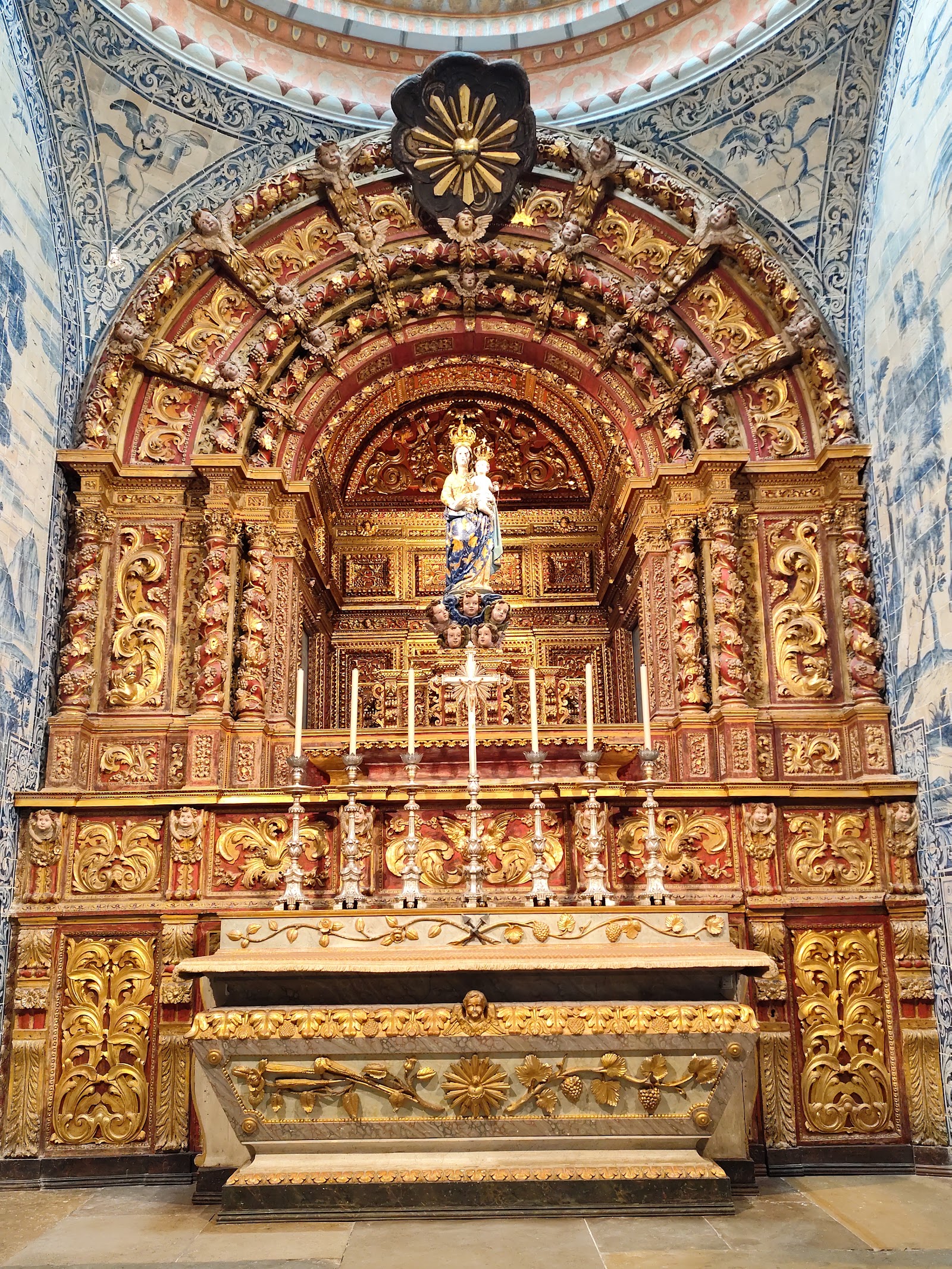
Inside, very little is original. English troops under Robert Devereux, 2nd Earl of Essex, burned the altars and wooden ceilings in 1596, and the two great earthquakes of 1722 and 1755 left their own marks. What you see now is a layered reconstruction: Mannerist gilded carvings, a 1715 pipe organ painted with Chinese motifs, Baroque chapels, and a small bone shrine built in 1664.
💛 What travellers fall for
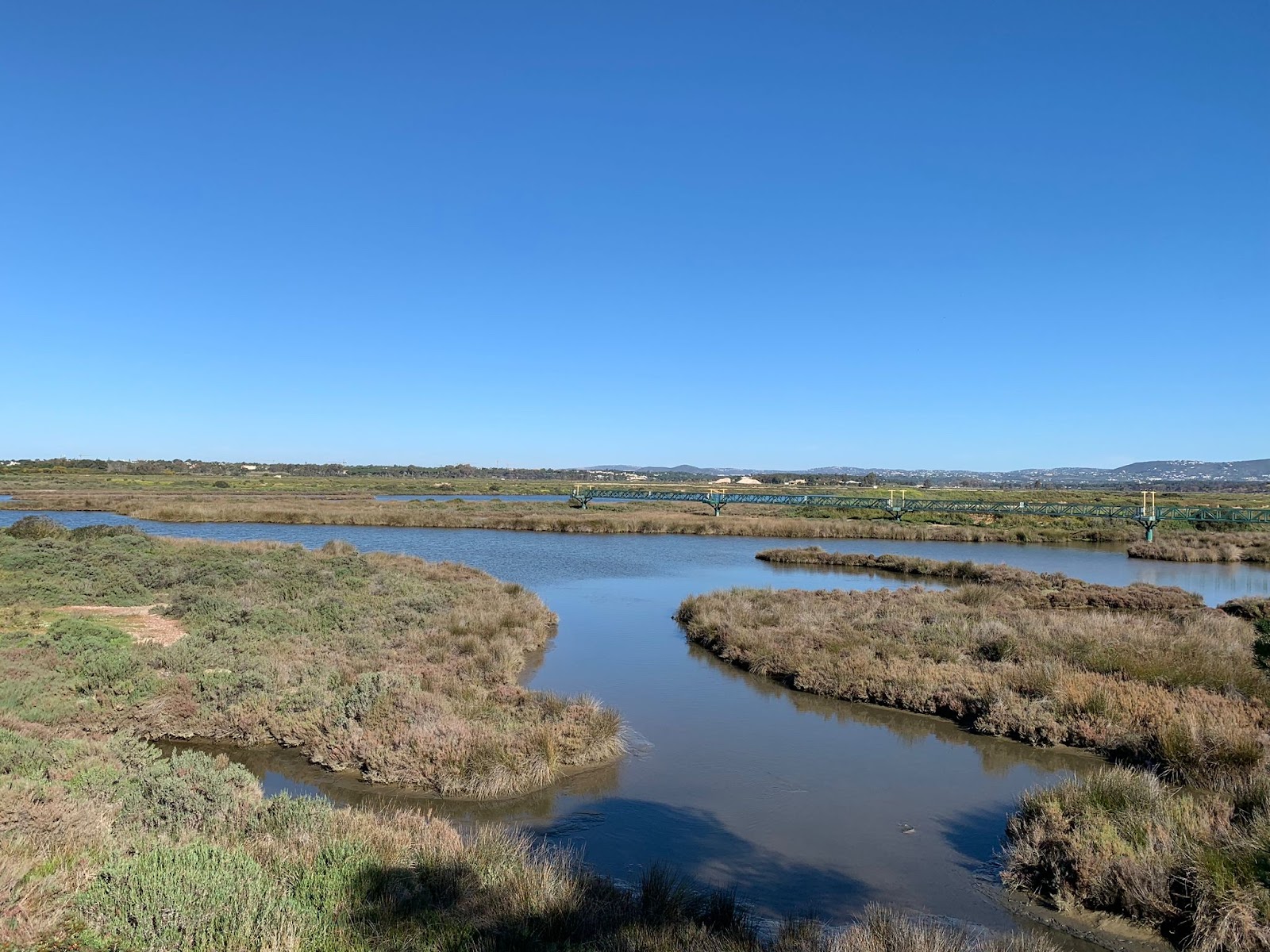
People who return tend to climb the bell tower first — the staircase is narrow enough to require single file, and the view from the top takes in the Bishop's Palace rooftops, the old town walls, and the flat silver shimmer of the Ria Formosa beyond. The organ and Gabriel del Barco's tile panels in the Chapel of Our Lady of the Rosary reward a slower second pass.
The story behind Faro Cathedral (Sé de Faro)
The site has been a place of organised worship since at least the Roman period, and was a mosque before Alfonso IV ordered a cathedral raised here in 1251 — two years after the Reconquista brought Faro under Portuguese rule. Archbishop D. João Viegas of Braga oversaw construction; the building was consecrated to the Blessed Virgin Mary by the end of the 13th century. In 1540, King João III elevated it to the seat of the Diocese of Faro, replacing Silves Cathedral.
The great rupture came in 1596, when Robert Devereux, 2nd Earl of Essex, led an English raid that gutted the interior. Rebuilding stretched across the following century in Mannerist style. The 1715 organ proved influential enough that King João V had a copy made around 1750 and shipped to the Cathedral of Mariana in Brazil. The earthquakes of 1722 and 1755 prompted further repairs, but no major intervention has touched the building since.
Good to know
Tickets (€5, reduced €3.50) cover the nave, bell tower, treasury museum and bone shrine. Closed Sundays. Winter hours run until 17:00 on weekdays; summer extends to 18:00–18:30. Bus routes 15, 18 and 19 stop at Largo S. Francisco, a four-minute walk away.
Where is Faro Cathedral (Sé de Faro)?
More tickets & tours for Faro Cathedral (Sé de Faro)
Book directly at the provider
What travellers say about Faro Cathedral (Sé de Faro)
Gorgeous cathedral in the historic centre built in the Gothic style in 1249 which replaced a Muslim mosque, itself built on a Roman temple ! Some notable vestiges of its origins remain, such as the tower and the large ogival portal. The two side chapels of the transept, surmounted by ribbed vaults, also in the Gothic style, date from the 15th century. Plundered and burned down in 1596, it was remodeled many times. Worth seeing are the late 17th-century azulejos that adorn the Capela de Nossa Senhora do Rosário and the tomb of the knight Rui Valente.
A nice cathedral with a good view over the old town and water. They had the main cathedral, a little outdoor bone chapel, and the tower to climb. The bathrooms were free but small. There was also a discounted student price.
You pay 5€ to enter, which gives you access to the Cathedral, including a small museum, a chapel made out of bones and a tower. The cathedral itself and the museum were not very special. The bones chapel was interesting to see. The view from the tower was quite nice. Overall it was worth the 5€ in my opinion, mainly for the view, especially given that there is not that much else to do in Faro.
Very historic. The museum is small but still worth the view. It also has a small bone tower. The view from the bell tower is also pretty. The craftsmanship of the chapels are phenomenal.
I usually object to paying to enter a building, but the Sé Catedral de Faro is the rare exception where I handed over my euros. The climb to the top is not just a stairmaster session; it is the price of admission for the best view in Faro. The panorama over the Ria Formosa is breathtaking—literally, because I was out of breath when I got to the top. Jokes aside, it is the perfect spot to capture Faro in all it's glory. The Interior & Museum: Surprisingly engaging. It’s not the Louvre, but the museum is curated well enough to give you a sense of history just by walking through it. The Bone Chapel: Located outside, it’s... intimate. It’s small enough to leave "much to the imagination," which is probably for the best when you are looking at human remains. It’s spooky, it’s weird, and but not the main attraction I thought it was, there is another one in Faro, which is the real deal. Verdict: 10/10 for the view.
More of Faro
Discover where to stay, what to do and the best deals for your trip.
Explore Faro →More attractions in Faro
All of Faro →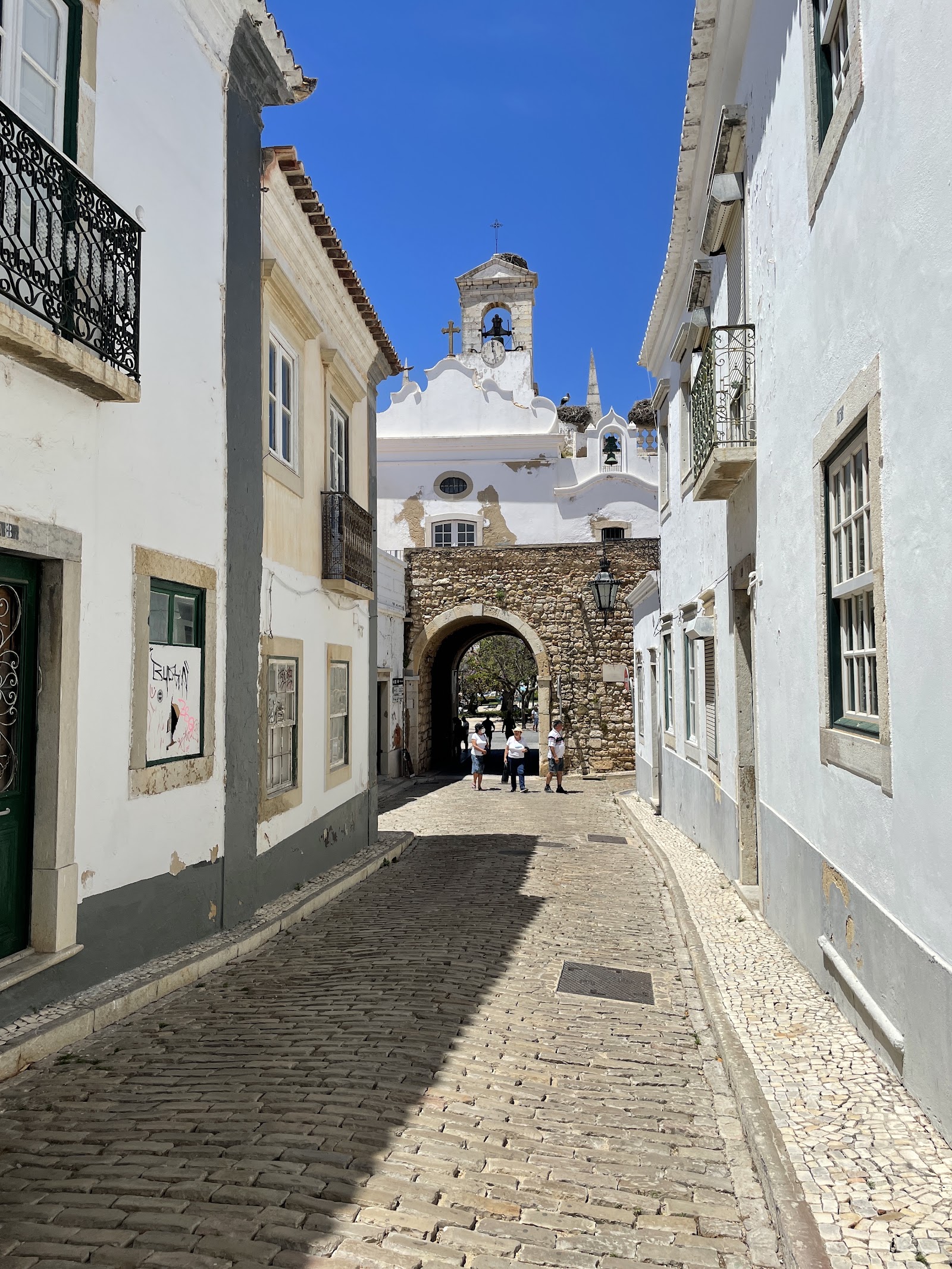


Background adapted from Wikipedia (CC BY-SA) · map data © OpenStreetMap contributors · ratings & place photos via Google · other photos with per-image credit. Ticket links may earn us a commission at no extra cost to you.