
Faro Municipal Museum (Museu Municipal de Faro)

The first thing you notice is the cloister — a Renaissance arcade of pale stone that wraps around a courtyard quiet enough to hear your own footsteps. This is the former Convent of Nossa Senhora da Assunção, built between 1518 and 1523, and it holds Faro's municipal collection behind walls that have also served, at various points, as a convent, a ruin, and a cork factory.
Inside, the museum's 12,000-plus objects move roughly from Roman Faro to the 20th century. The anchor piece is the Mosaic of the Ocean — a late 2nd or early 3rd-century Roman floor uncovered near the train station in 1926 and brought here for safekeeping in 1976. It's larger than you expect, and better preserved.

💛 What travellers fall for
People who come back tend to linger in the Lapidary Garden — an outdoor space where Roman inscriptions and stone fragments sit in the open air, easy to overlook if you're moving fast. The Sunday free admission (until 2 pm) is genuinely useful, and the €2 regular ticket is one of the better deals in the Algarve.
The story behind Faro Municipal Museum (Museu Municipal de Faro)
The convent was built in the early 16th century and survived as a religious community until 1836, when the last nuns left. The building then passed through a period as a cork factory before the painter Carlos Filipe Porfírio converted it into an archaeological museum in 1874. The collection itself began taking formal shape in 1894, assembled under a name honoring Infante D. Henrique.
The museum moved to its current home in 1973, and in 2005 it was named Best Portuguese Museum. Outside the entrance, two statues mark the city's longer history: King Afonso III, who took Faro from Moorish rule in the 13th century, and Constantino Cumano, an Italian-born doctor and political figure who made the city his home in the 19th century.

Good to know
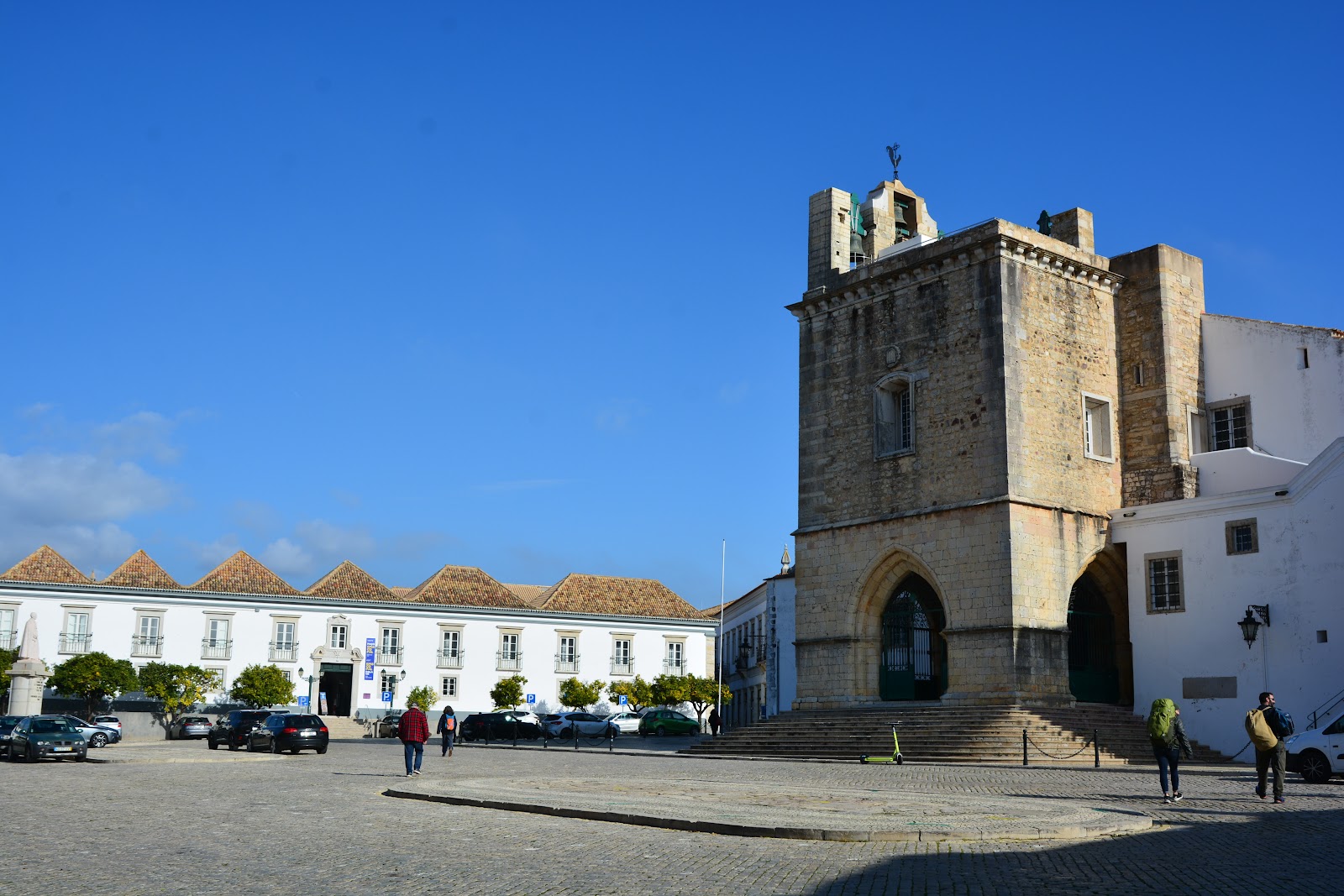
Enter the walled Cidade Velha through Arco da Vila and walk toward the cathedral; the museum is behind it on Largo Dom Afonso III. Closed Mondays. Summer hours run to 7 pm on weekdays. Allow 60–90 minutes; two hours if you read every panel.
Where is Faro Municipal Museum (Museu Municipal de Faro)?
More tickets & tours for Faro Municipal Museum (Museu Municipal de Faro)
Book directly at the provider
What travellers say about Faro Municipal Museum (Museu Municipal de Faro)
A great museum to visit in Faro! It’s not huge, but had interesting Roman artifacts and a temporary Portuguese paintings exhibit. The old convent building was pretty and the highlight for us was the Roman mosaic. There were also free bathrooms.
The grounds of the museum are utterly stunning, located in a lovely suburban area of Faro with lots of orange trees and food spots and a plaza- plenty to do. Unfortunately, when we went 3 out of 5 of the exhibitions were closed, so we only saw 2, but undoubtedly it was worth it. Really recommend.
Great museum to visit in Faro. The museum has many pieces of art. Modern paintings (modern art) but also paintings from 1500-1800. Unfortunatly some paintings are in bad conditions and require restoration. Most of the old paintings are religious art, there are many paintings with Maria and Jesus. There are also many stone structures with inscriptions from the Roman time. They also have a huge Roman mozaïek that is beautiful to visit. The museum itself is in an old monastery and is a lovely place to take some good pictures. When we visited on Sunday morning the entrance was free, that was a nice bonus. Overal, a great place to get an impression of all the art that has influenced Faro.
Very interesting museum highlighting local history. We visited on Sunday morning (which was free admission) and the museum had quite a few people looking around but certainly wasn’t too busy to view anything as it is split across 2 floors and in different rooms.
We were so glad we made the trip to the Municipal Museum of Faro. This is a terrific insight into the history of the region and the people who lived there in years gone by. Architecturally, it is perhaps, one of the most beautiful buildings in Faro and most of it can only be appreciated from within the confines of its walls. I have attached a selection of photographs to whet your appetite to make the visit but why would you not? It is in the heart of the city and could not be more interesting. The entrance fee is very modest and worth so much more. The art is just so inspiring and the buildings themselves, so peaceful .. one could spend an hour just drifting between the walls and the garden. The exhibitions are clearly labelled and there is something there for everyone - we noticed people of all ages enjoying this museum. Well done Faro!
More of Faro
Discover where to stay, what to do and the best deals for your trip.
Explore Faro →More attractions in Faro
All of Faro →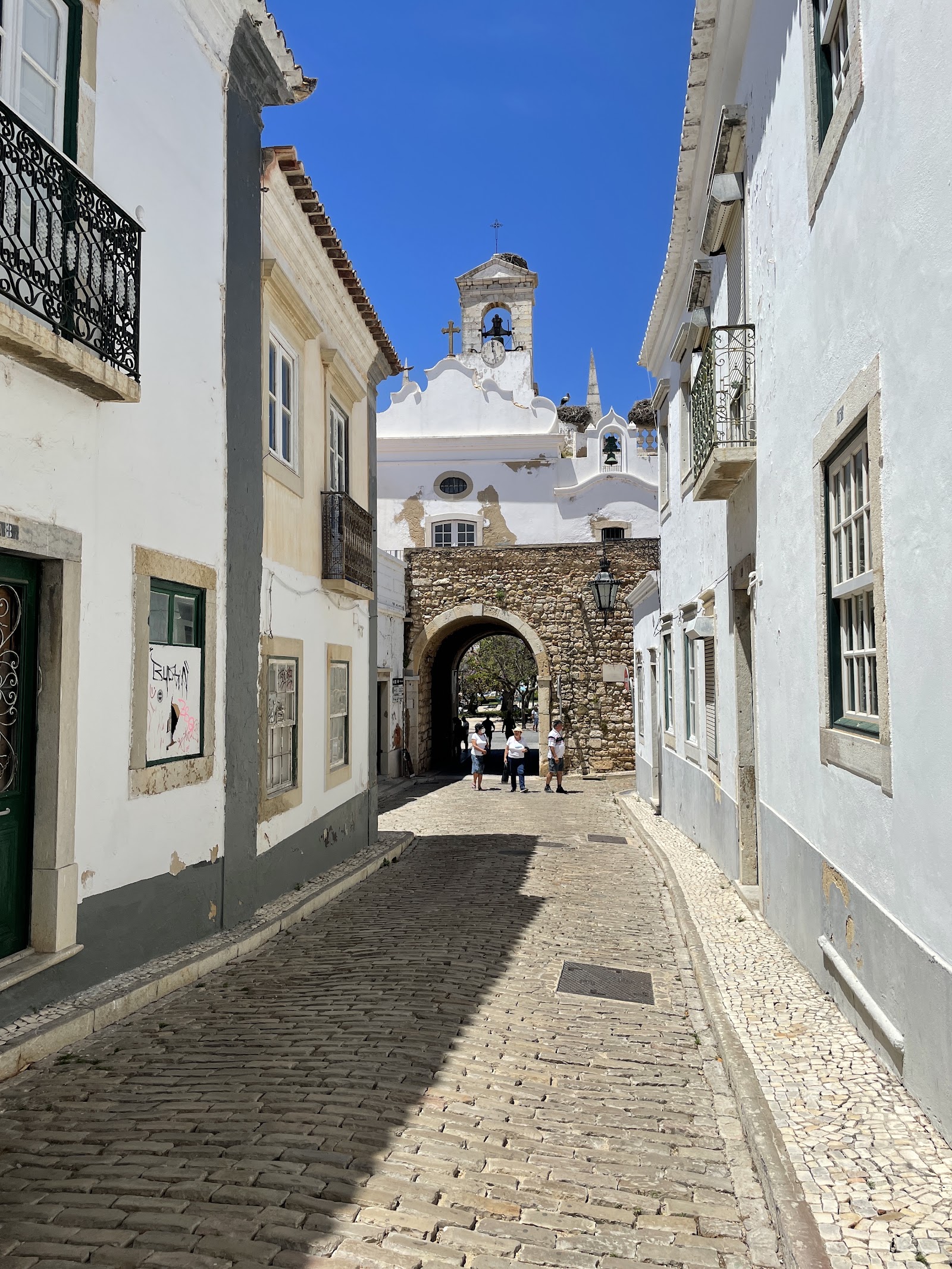

Background adapted from Wikipedia (CC BY-SA) · map data © OpenStreetMap contributors · ratings & place photos via Google · other photos with per-image credit. Ticket links may earn us a commission at no extra cost to you.